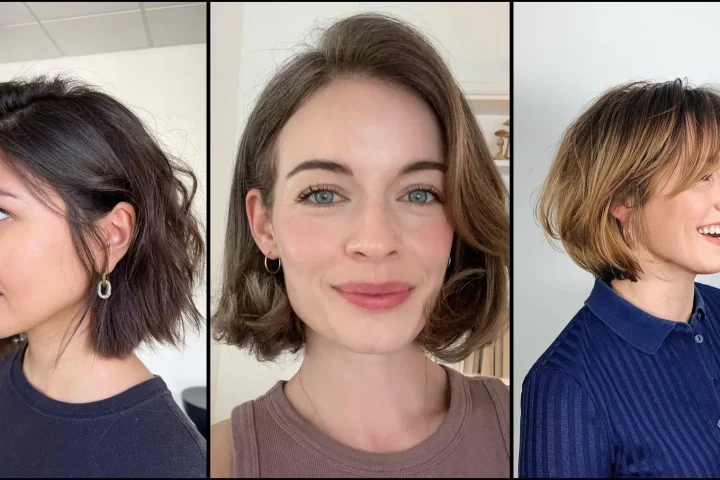
Short and medium layered haircuts can add movement while keeping the length manageable. A chin-length bob with a few soft layers feels different from a collarbone cut with face-framing pieces, even though both are called layered haircuts. The placement of the shortest section matters as much as the overall length. Layers can make thick hair lighter, give fine hair shape without taking too much weight, and help curls sit in a rounded form instead of a heavy triangle. Start by deciding the perimeter: above the ears, at the jaw, or around the collarbone. Then think about where the shortest pieces should begin, since the front layers decide how much framing the face gets. A cut that suits your density and your usual routine will look better on ordinary days than one that only works with a full blowout.
These 35 layered haircuts for women focus on cuts from pixie length to the shoulders. You’ll find fine-hair options that preserve fuller ends, shapes for thick hair, curly and coily variations, and several fringe choices. For longer styles, see our long layered haircuts; for deliberately choppy bob texture, compare the shaggy bob guide.
What to tell your stylist before getting layers
Start with the length of the perimeter: above the ears, at the jaw, at the neck, or around the collarbone. Then decide where the shortest layers should begin. Ask how the cut will look when your hair dries naturally, especially if you have waves or curls. A photo of the back and side is more useful than a single front-facing reference.
Choosing layers for your hair density
Fine hair may need fewer layers and a stronger lower edge. Thick hair can benefit from controlled internal layering, while curls need consideration of shrinkage. The goal is a shape you can style with your usual routine. Ask how much weight will be removed before committing to very short crown layers.
1. Chin-Length Layered Bob

View Instagram post by @jennnacoole
Ask for a jaw-skimming perimeter with a few soft layers that break up the shape around the cheekbones. Keep the lower edge substantial if your hair is fine. A small round brush can turn the ends inward, while air-drying lets natural bends show. This is a useful starting point if you want layers without losing the recognizably bob-shaped outline.
2. Short Layered Bob With Curtain Bangs

View Instagram post by @hairbyjenn831
Pair a chin-length bob with curtain bangs that part near the middle and taper toward the cheeks. The front layers should connect to the sides so they don’t look separate. Blow-dry the fringe first while it is damp. Ask the stylist to show where the shortest pieces will sit when dry, especially if your hair has a wave.
3. Cheekbone-Length Layered French Bob
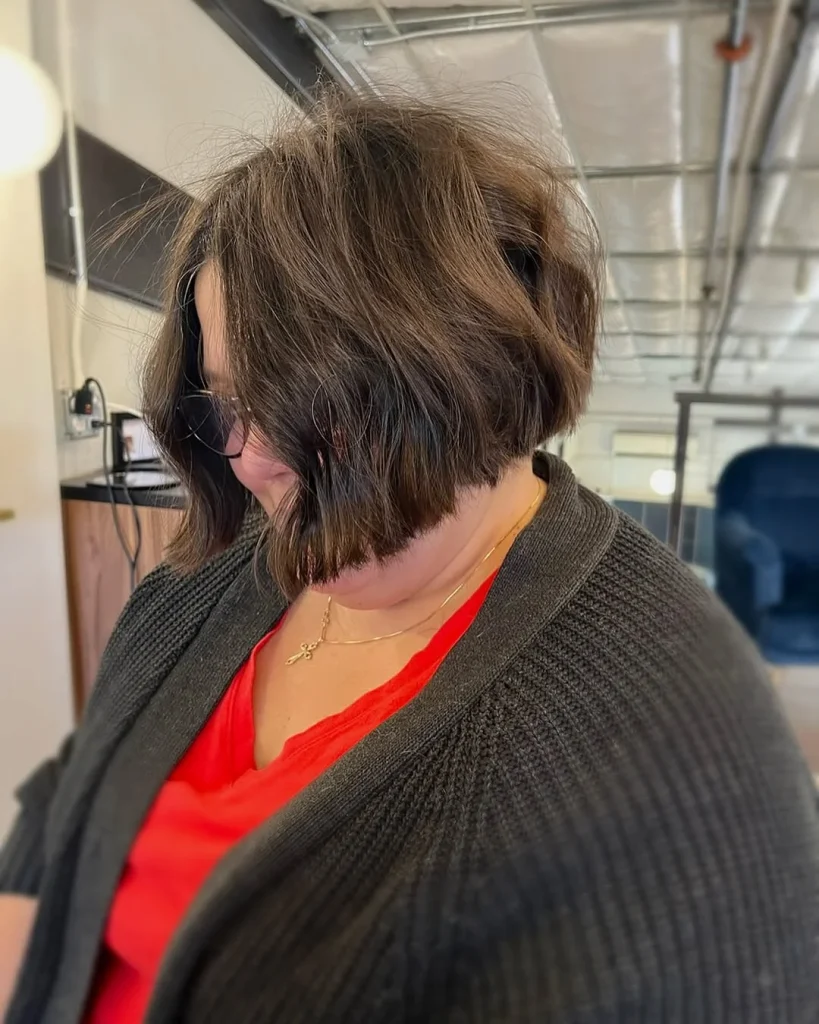
View Instagram post by @shelbieincolor
A compact French bob can have soft layers around the cheekbones while keeping a neat lower edge. Choose wispy fringe or an open forehead based on how you like hair around your eyes. Avoid over-thinning the ends if you want a full silhouette. See our French bob haircut guide for a cleaner comparison.
4. Layered Pixie With Long Fringe
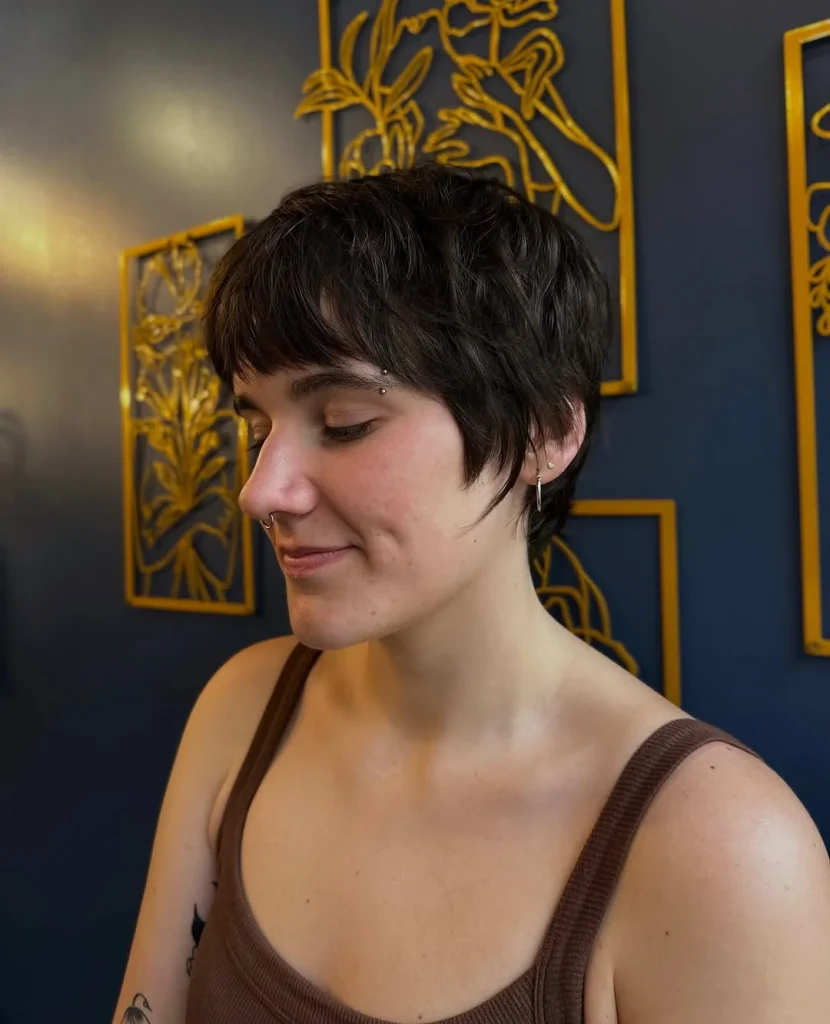
View Instagram post by @thedenverstylist
Keep the sides and nape cropped while leaving enough length through the top and fringe to sweep sideways. Ask for layers that blend smoothly rather than abrupt disconnected sections. A fingertip of light paste can separate the top pieces. This is a practical short haircut when you like movement but don’t want to style a full bob every morning.
5. Soft Bixie With Face-Framing Layers
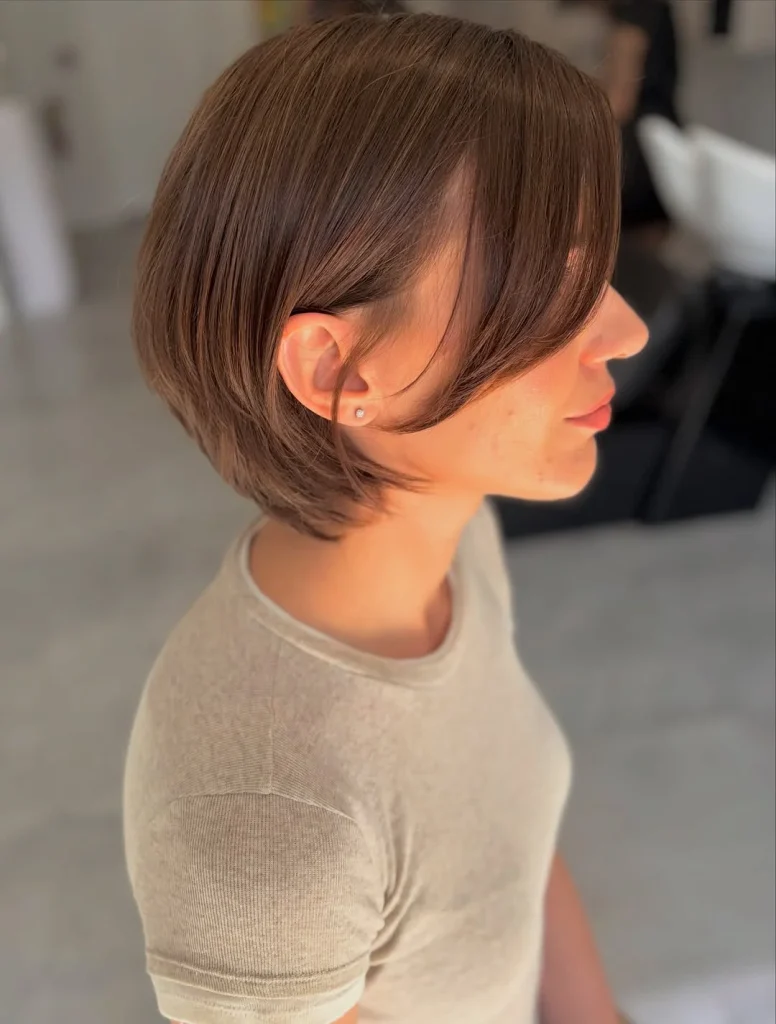
View Instagram post by @salonswankstpete
A bixie sits between a pixie and a bob, with a longer fringe and shorter nape. Gentle layers around the ears create a soft outline. Ask your stylist to leave enough weight that the ends don’t look wispy. A quick blow-dry through the front pieces is often all the styling needed to make the shape feel intentional.
6. Short Rounded Layered Bob
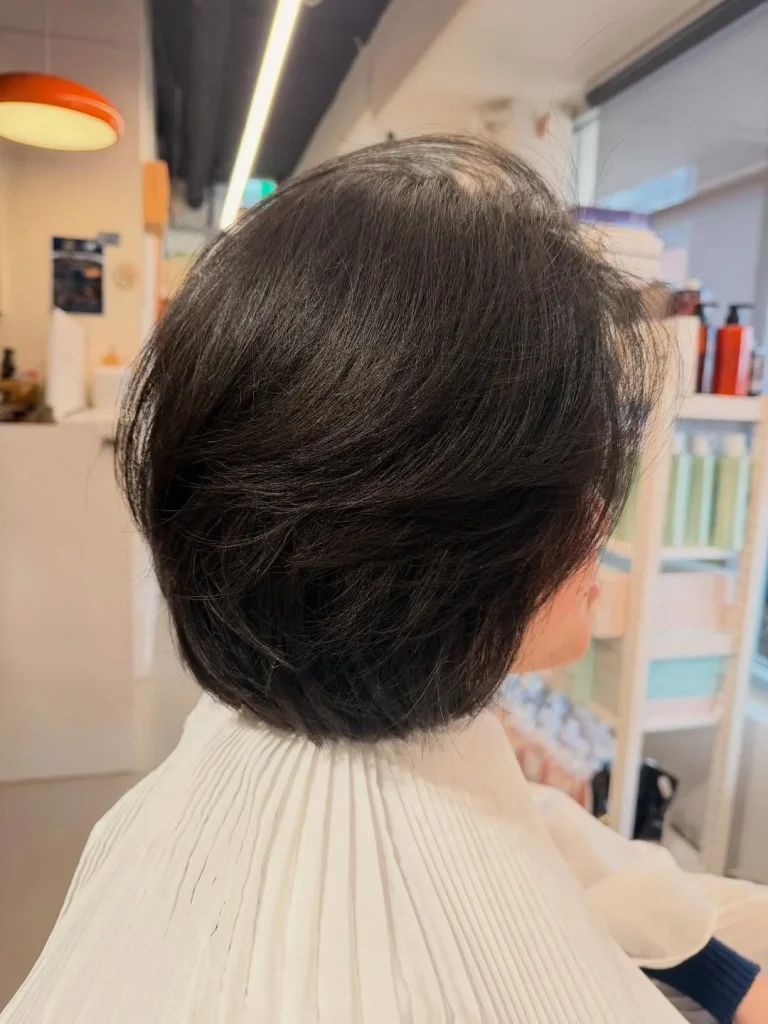
View Instagram post by @showsalonepping
A rounded bob uses subtle layers to curve around the head instead of hanging in a straight box. The nape can stay slightly shorter while the front skims the jaw. A round brush helps the ends turn under, but the haircut should still hold some shape when air-dried. Keep the layers modest if you prefer a polished finish.
7. Layered Bob With Side-Swept Bangs
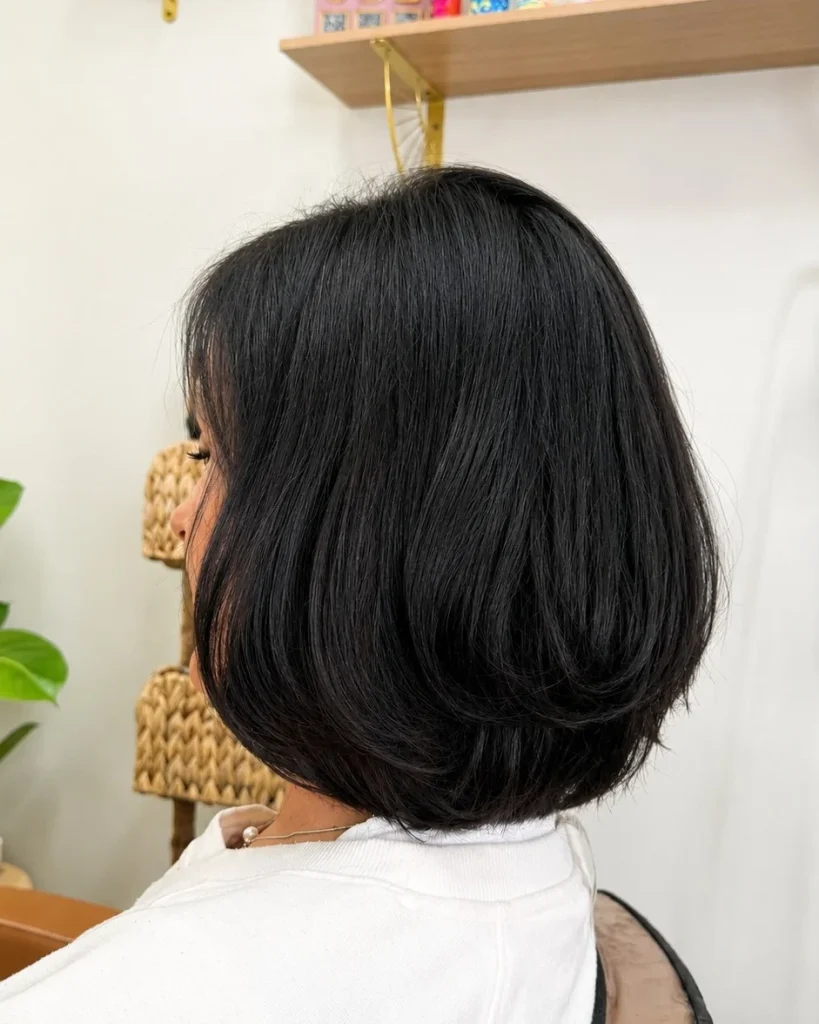
View Instagram post by @tera.iconic.hairstudio
Long side-swept bangs soften a short bob and are easier to tuck away than a blunt fringe. Ask for the shortest bang pieces to blend into the side layers. Blow-dry the front across the forehead with light tension. This is a good option if you like face framing but aren’t ready for a full curtain bang.
8. Fine-Hair Bob With Light Crown Layers

View Instagram post by @balayagelove_
Fine hair can look fuller when the bottom edge stays solid and the crown has only a few strategic layers. Ask the stylist to avoid removing too much density through the ends. Lightweight mousse at the roots helps the top move without weighing down the perimeter. Compare this with our fine-hair bob ideas.
9. Thick-Hair Bob With Internal Layers

View Instagram post by @hairbycassidy_
A thick bob may need internal layers to remove bulk without creating a very choppy surface. Ask where the weight will be taken out and how the ends will sit when dry. A smoothing cream through the midlengths can control puffiness. Keep enough perimeter weight to avoid thin, stringy tips.
10. Wavy Short Bob With Soft Layers

View Instagram post by @hairbykatienicole
Natural waves can give a short layered bob movement without curling every section. Ask for the layers to follow the wave pattern and account for shrinkage after drying. Scrunch a small amount of wave cream into damp hair and leave it alone while it sets. Too many short layers may make the sides puffier than you want.
11. Curly Layered Bob at the Jaw

View Instagram post by @sun.waves.and.shaves
Curly hair needs a length decision based on the dry curl pattern. A jaw-length curly bob may spring upward significantly after washing. Ask for layers that balance the shape and keep the ends defined. Refresh individual curls with water and leave-in product rather than brushing through dry hair. Our curly bob guide offers other shapes.
12. Tapered Curly Pixie Layers
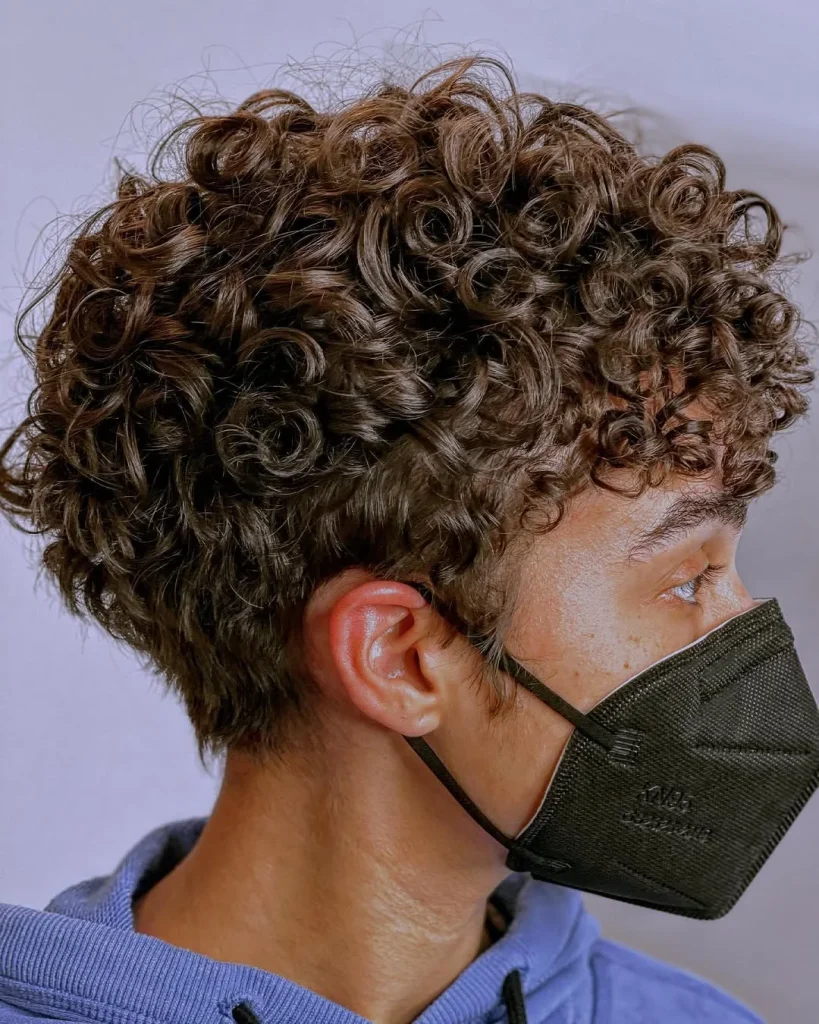
View Instagram post by @lepetitsalon_devacurl
Keep the sides of a curly pixie shorter and build gentle height through the top. The layers should follow the natural curl pattern rather than creating an uneven shelf. A curl cream or light gel can define the longer top section. Discuss how much height you want after drying, because tight curls may shrink more than expected.
13. Ear-Length Layered Crop
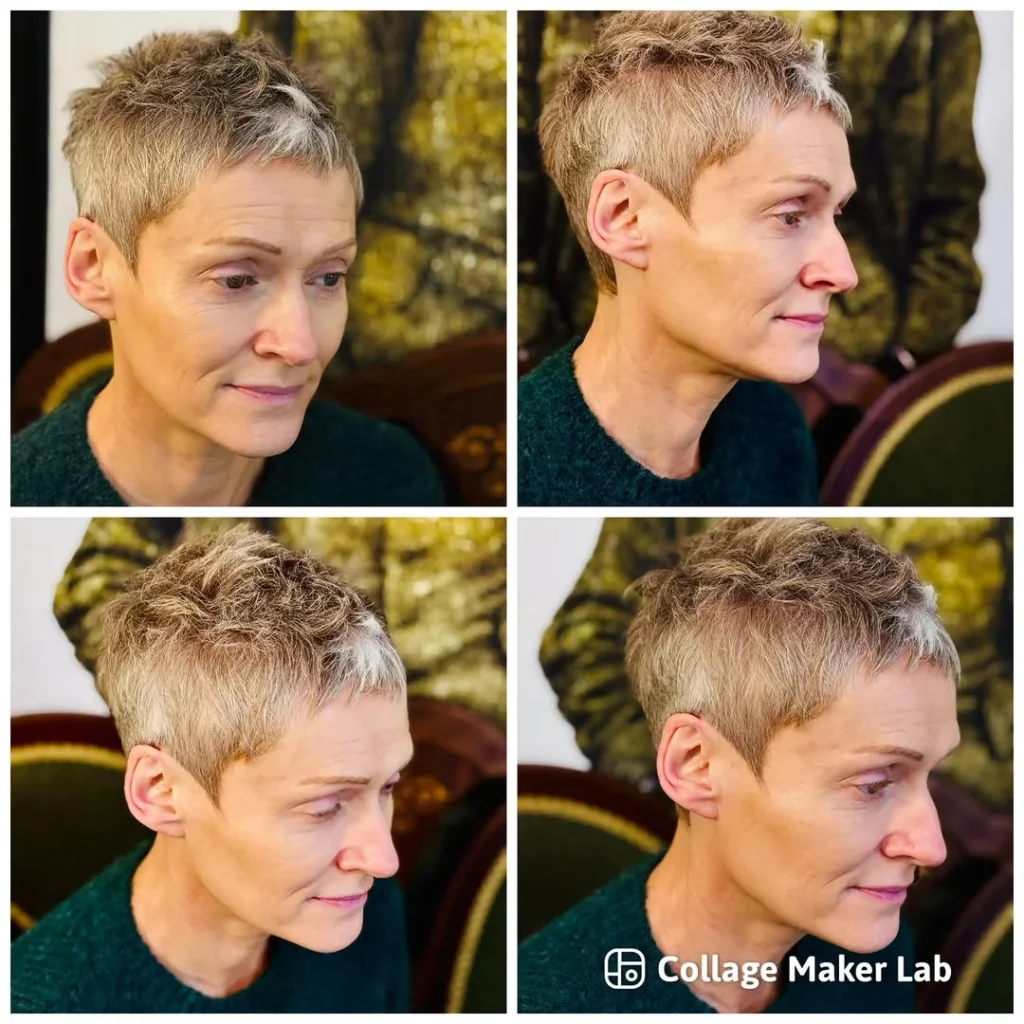
View Instagram post by @ilsalottinohairlounge
An ear-length crop keeps the sides close while leaving a little softness through the crown and fringe. Ask for the ends to be feathered only as much as your hair density allows. Styling takes a small amount of paste or mousse rather than a long blowout. This cut makes a clear change from a chin-length bob.
14. Short Feathered Layers With Volume

View Instagram post by @chohansjehlum
Feathered layers are softly tapered so the hair moves away from the face. Keep enough length at the front to direct the pieces backward with a brush. A light root spray can add lift without stiffening the ends. If your hair is fine, ask for fewer layers so the lower sections stay full.
15. Short Layered Cut With Wispy Bangs

View Instagram post by @michaela_singapore_hair
Wispy bangs leave some forehead visible and pair well with soft short layers around the ears. Ask for the fringe to be cut with your hair’s natural movement in mind. Blow-dry it early, before it dries in the wrong direction. The rest of the cut can stay relatively simple, with just enough texture to avoid a heavy edge.
16. Short Layered Bob With Tucked Ends

View Instagram post by @curlers_and_trimmers
A layered bob can look sleek when the lower pieces curve gently under the jaw. Ask for soft internal layering that doesn’t break the clean perimeter. A paddle brush and directed blow-dry help shape the ends. Keep the finish touchable rather than using so much hairspray that the layers stop moving.
17. Short Asymmetrical Layered Bob

View Instagram post by @hairlove_salon
Leave one side of the bob slightly longer and use soft layers to connect the two lengths. Ask the stylist to show the difference from the front before cutting. A side part can emphasize the shape. Keep the nape tidy so the asymmetry looks intentional instead of like uneven growth.
18. Short Layered Bob With Flipped Ends

View Instagram post by @hairxjuan
A short layered bob can be styled with a few ends turned outward for a playful finish. Ask for layers that allow movement near the jaw while keeping a recognizable baseline. Use a small round brush or a careful heat pass on selected sections. The flip should look relaxed, not identical on every strand.
19. Shoulder-Length Layered Lob

View Instagram post by @butterflyloftsalon
A lob that brushes the shoulders can carry longer layers without losing too much length. Ask for movement through the midlengths and a clean perimeter. The cut can be worn straight, softly waved, or tucked behind the ears. This is a useful choice if you’re moving from long hair toward a shorter style gradually.
20. Medium Layers With Curtain Bangs
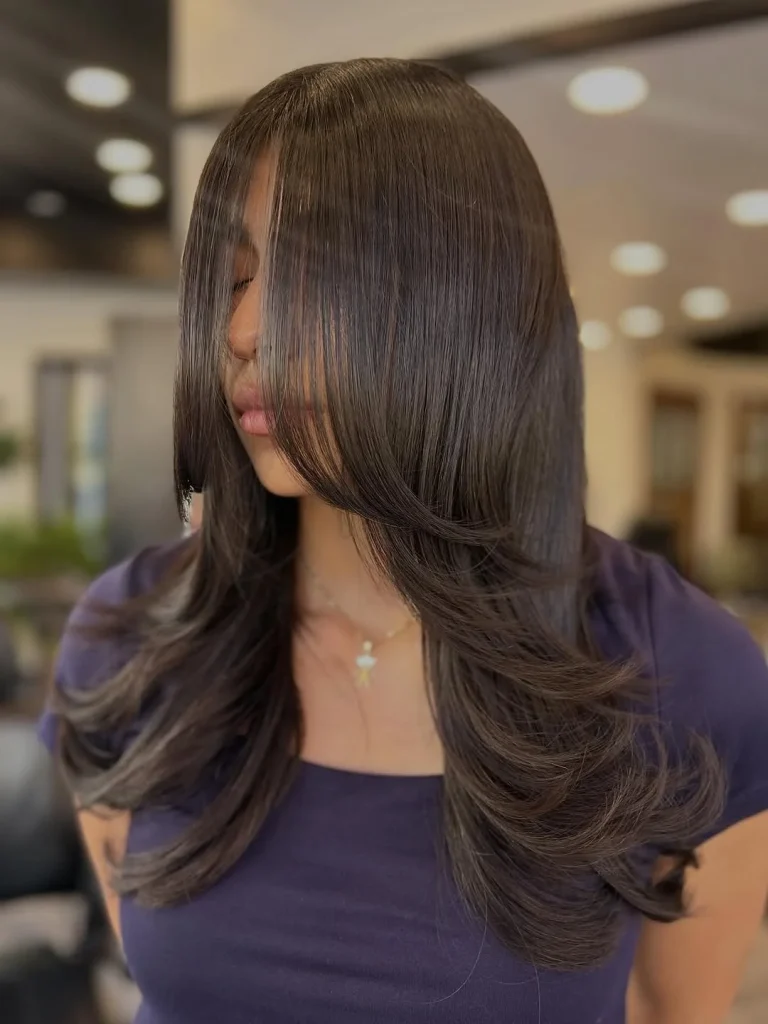
View Instagram post by @beauty_by_viviana
Curtain bangs that fall toward the cheekbones blend naturally into medium-length layers. Keep the shortest side pieces long enough to tuck away if you wear your hair up. Blow-dry the fringe forward, then split it gently. A light mousse can give the crown movement without making the lengths stiff.
21. Collarbone Cut With Face-Framing Layers
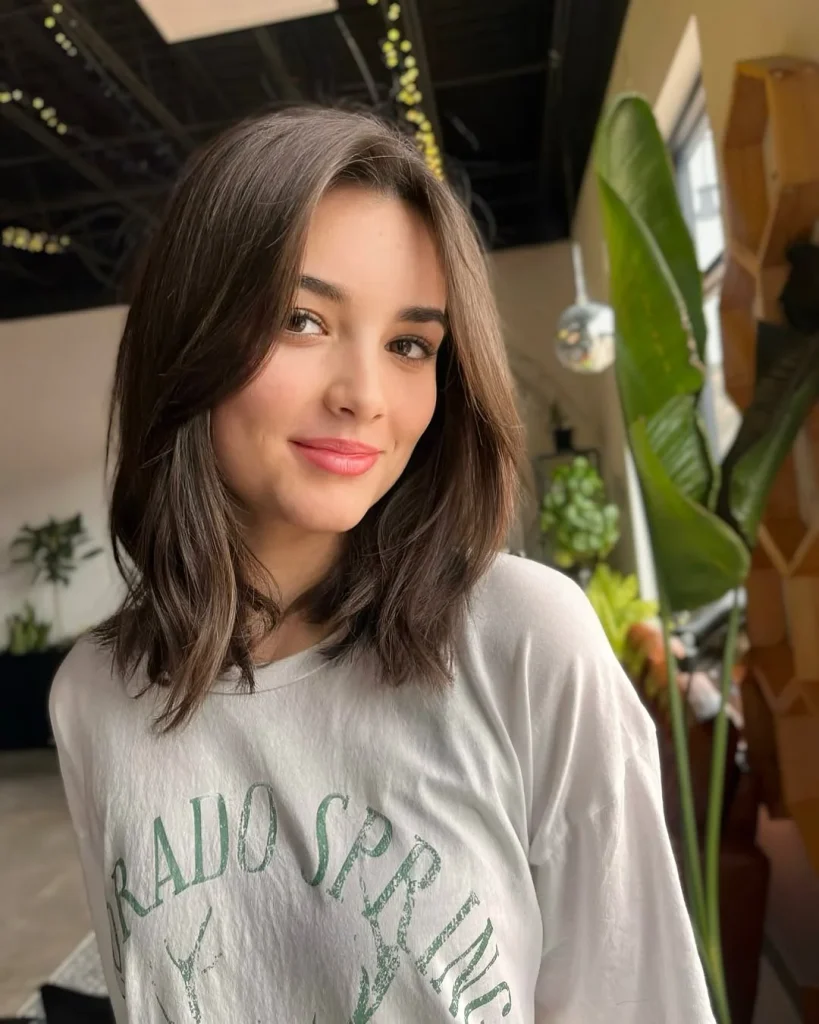
View Instagram post by @jessicaeckelmanhair
A collarbone-length haircut gives you enough hair for a low ponytail while shorter front pieces frame the face. Ask for the first layers to start near the cheekbones or jaw depending on your preference. Check that the front pieces don’t fall into your eyes when you lean forward. The rest can remain softly layered for movement.
22. Medium U-Shaped Layers
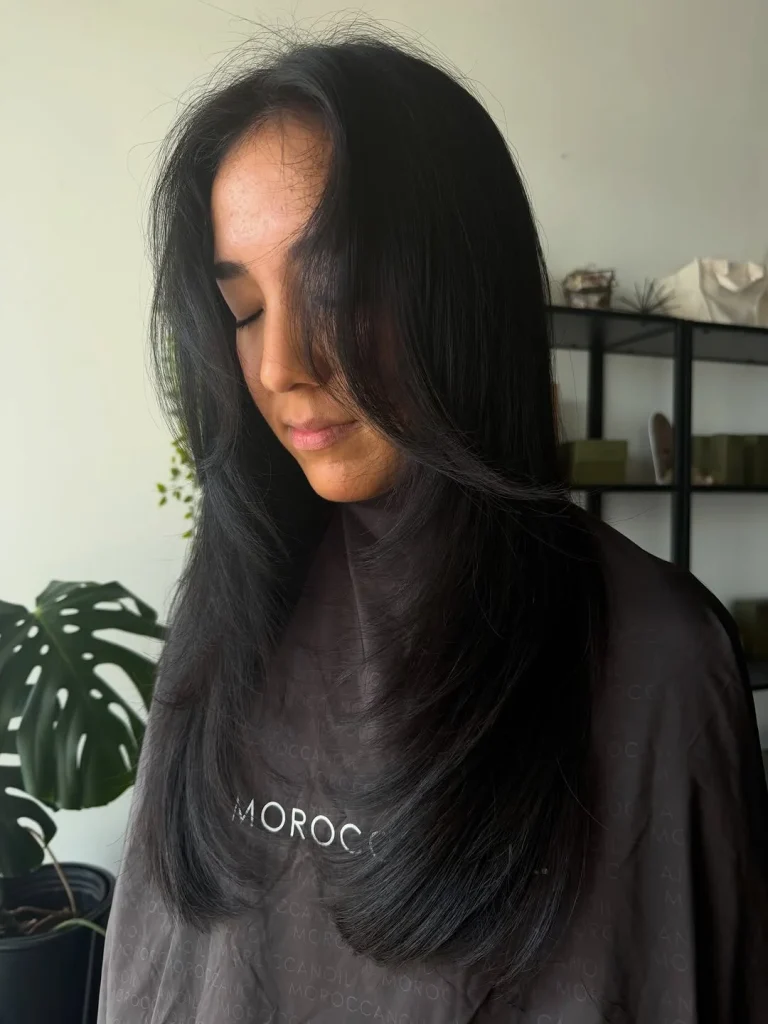
View Instagram post by @velvettheory_hair
A shallow U-shaped perimeter keeps the center back slightly longer than the sides. Soft medium layers add movement without creating a dramatic V point. Ask to see the back view before the cut is finished. This works well if you often wear your hair down and want a rounded, balanced outline.
23. Medium-Length Layers With Side Bangs
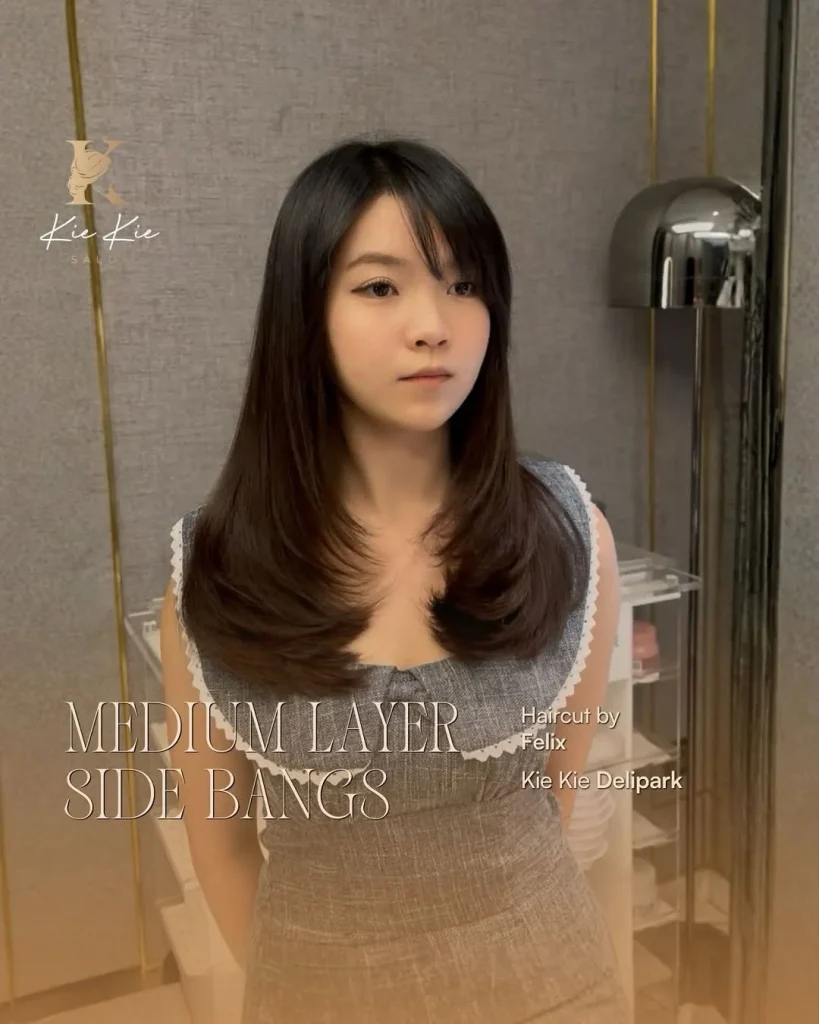
View Instagram post by @kiekiesalon
A long side fringe can blend into medium layers and change the look of a center-part haircut. Ask for enough length to sweep the bangs behind an ear when needed. A quick blow-dry across the forehead gives the front shape. Keep the midlength layers soft so the fringe doesn’t feel disconnected.
24. Fine-Hair Medium Layers With Solid Ends
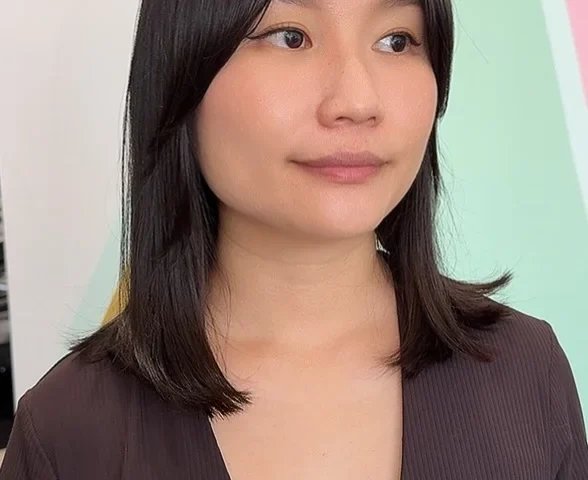
View Instagram post by @hairbym.a
If you have fine hair, keep a fairly solid shoulder-length edge and add only a few face-framing pieces. Excessive layers can make the lower half look sparse. Ask the stylist to show the amount of hair that will be removed. A lightweight root mousse and a smooth blow-dry may create more fullness than additional cutting.
25. Thick-Hair Medium Layers With Movement

View Instagram post by @bobie.hairco
Medium-length thick hair can feel heavy around the shoulders. Ask for controlled layers through the interior and around the face, while preserving enough weight at the bottom. A leave-in smoothing product helps the sections fall together. Avoid over-thinning if your hair tends to frizz, because short flyaway pieces may become more noticeable.
26. Medium Wavy Layers With a Middle Part

View Instagram post by @maki_hairsalon
Natural waves benefit from layers that release movement around the cheeks and collarbone. Ask for a dry-length assessment so the finished cut doesn’t spring shorter than expected. Apply a little wave cream to damp hair and scrunch gently. A middle part keeps the look balanced, though you can shift it for extra root lift.
27. Medium Curly Layers With Rounded Shape
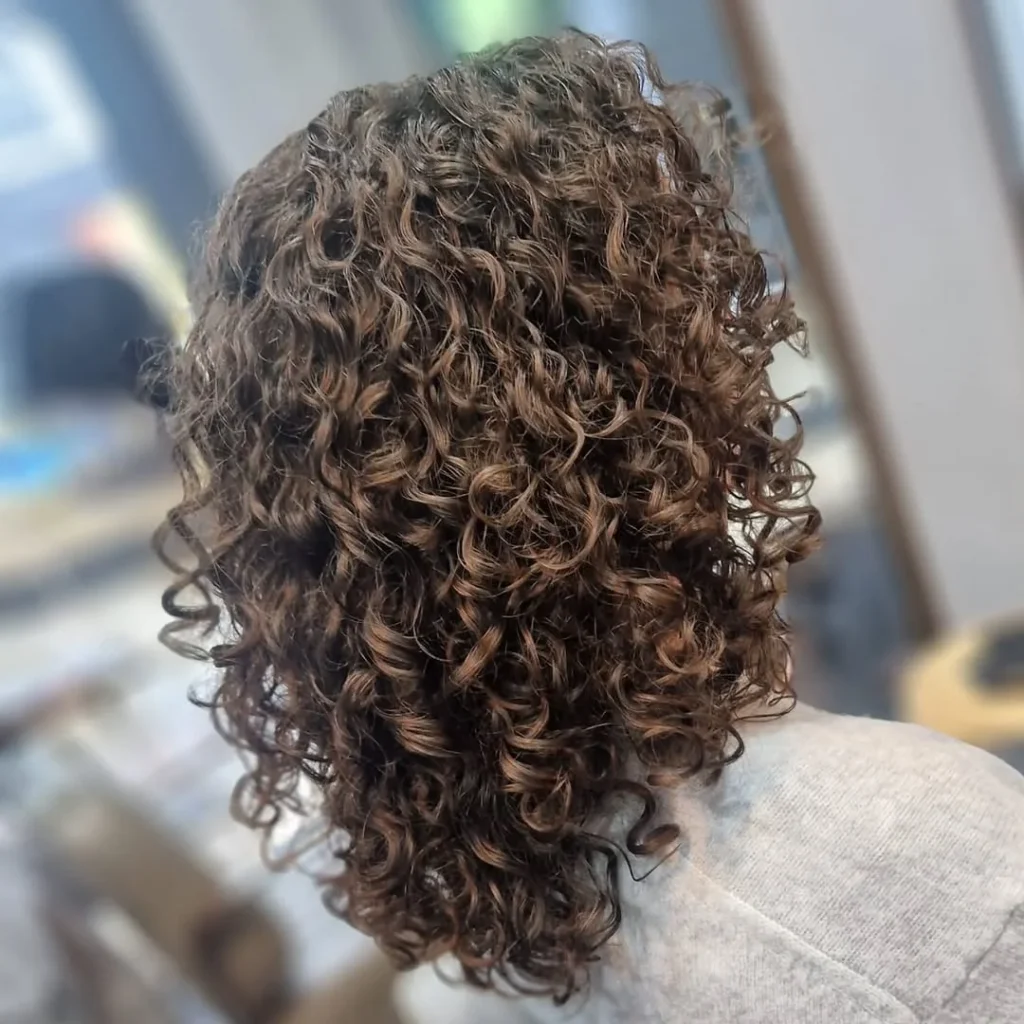
View Instagram post by @strandandlock
A shoulder-length curly cut can be shaped with layers that prevent all the weight from sitting at the ends. Discuss the final dry silhouette with your stylist, especially if your curls shrink significantly. Use a diffuser or air-dry with minimal touching to preserve definition. Keep the layers long enough that the top doesn’t become overly rounded.
28. Coily Medium Layers With Balanced Volume

View Instagram post by @junetomkynssalon
On coily hair, layers should be planned around shrinkage and the way different sections form coils. A stylist familiar with your texture can shape the silhouette while keeping the perimeter comfortable. Ask to see the dry result before taking off more length. Moisturizing styling products can support definition without forcing the hair into a straight-hair shape.
29. Medium Layers With Bottleneck Bangs
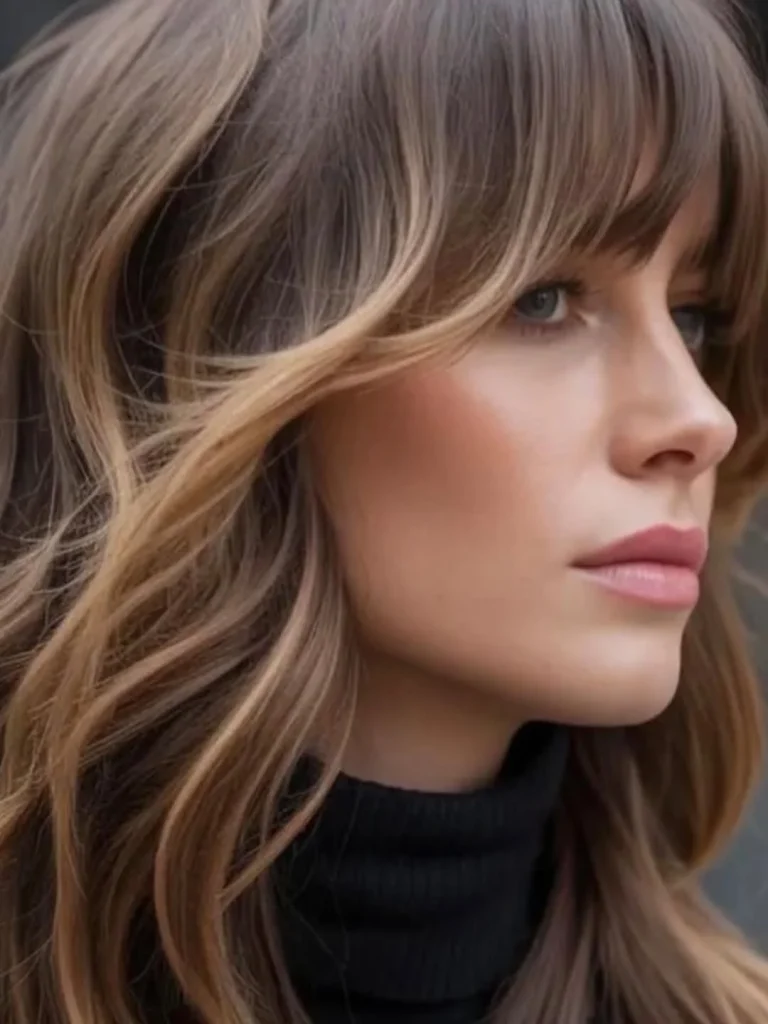
View Instagram post by @bartorelli
Bottleneck bangs are shorter in the middle and widen toward the cheekbones. They blend into shoulder-length face-framing layers while keeping the forehead partly visible. Ask for a fringe that works with your growth pattern. Style the shorter center first and direct the longer side pieces outward with a small brush.
30. Soft Medium Layers for Round Faces
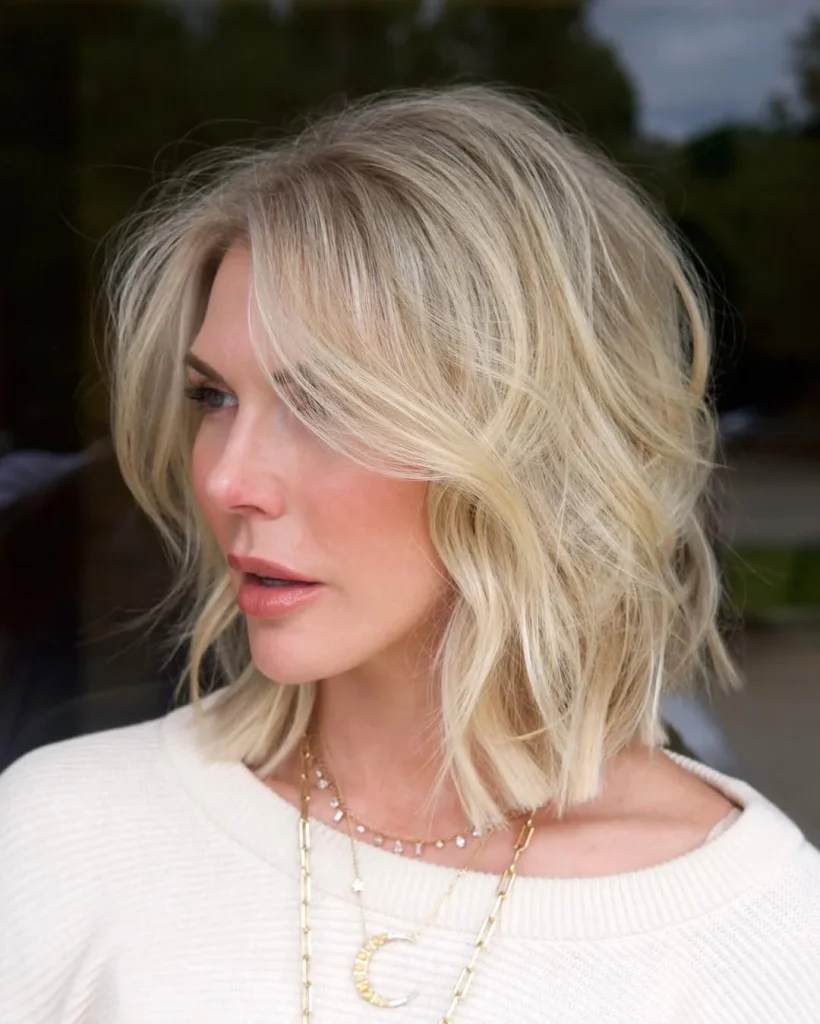
View Instagram post by @chrisjones_hair
If you like a slightly elongated-looking outline, try face-framing pieces that fall below the cheeks and modest crown lift. These are styling choices, not rules for round faces. Keep the length you enjoy and ask the stylist how the layers will move when dry. A side part can change the balance without cutting more hair.
31. Medium Layers for Square Faces
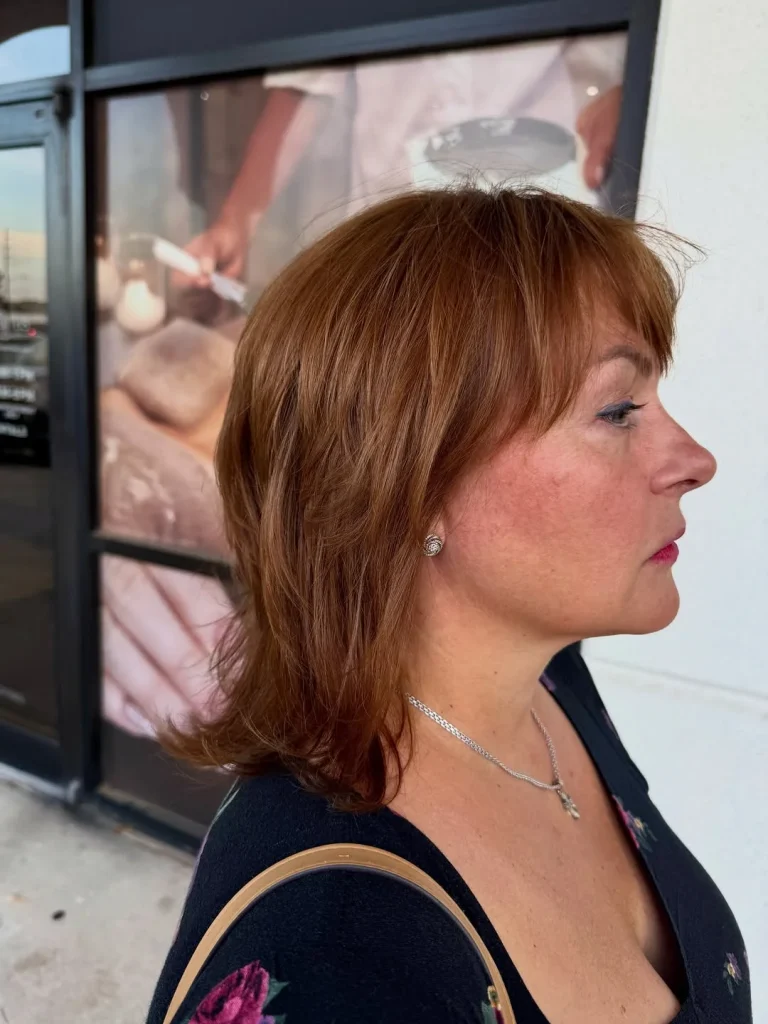
View Instagram post by @valentina_hairstylisttx
Soft layers around the cheekbones and jaw can create movement beside a strong perimeter. Ask for ends that bend naturally rather than a rigid inward curl. A side-swept fringe is optional if you enjoy face framing. The most useful reference is a haircut with your own hair texture, regardless of the model’s face shape.
32. Short-to-Medium Layers for Long Faces

View Instagram post by @hairstarelisha
If you want more movement around the cheeks, choose layers that open outward at the sides rather than concentrating all the lift at the crown. A soft fringe can change the proportions, but it isn’t necessary. Ask the stylist to keep enough width through the middle of the haircut. Natural waves can provide the movement without daily heat.
33. Medium Layers for Women Over 50

View Instagram post by @njh_notjust_hair
Layered haircuts are not limited by age. For mature hair, focus on current density, texture, and the amount of styling you want to do. A shoulder-length cut with gentle face framing may be easier to maintain than very short disconnected layers. Bring front and side references so the shape is clear to your stylist.
34. Silver-Gray Layered Lob

View Instagram post by @margarets.hair.salon
Natural silver or gray hair can show soft layers beautifully, particularly when the perimeter stays tidy. Ask for a collarbone-length outline with gentle movement around the face. Use conditioning products suited to your hair’s dryness and texture. The color doesn’t determine the haircut; density and how the strands fall matter more.
35. Low-Maintenance Medium Layers Without Bangs
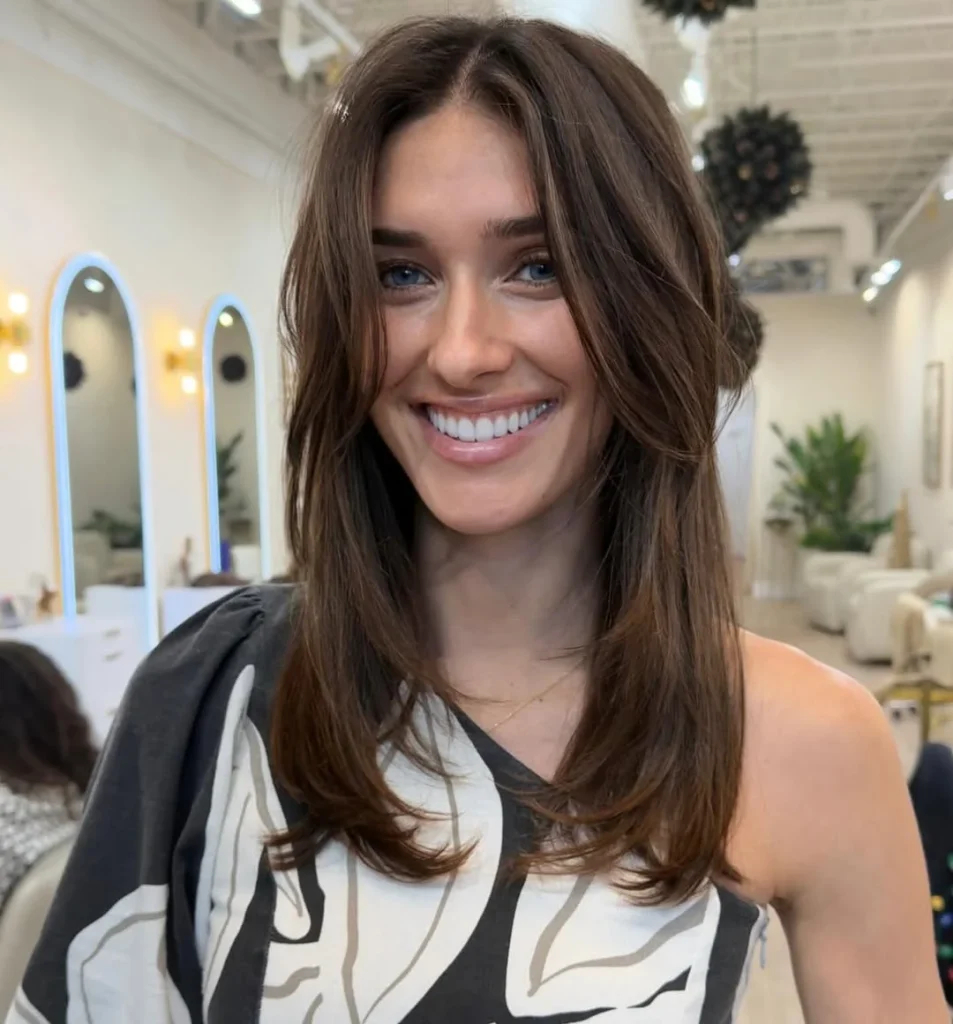
View Instagram post by @jotaquuant
A shoulder-skimming cut with long, blended layers grows out more softly than a short, highly structured fringe. Ask for a clear perimeter and face-framing pieces long enough to tuck behind your ears. This is a useful option if you prefer fewer styling steps. Refresh the shape when the ends start to lose balance.
Styling and maintaining your layers
Work with the natural direction of your hair before adding hot tools. A light mousse can give straight or fine hair some lift, while wave or curl cream helps textured layers clump. Use a heat protectant whenever you blow-dry or curl with heat. Book a trim when the shortest pieces stop blending into the rest of the shape, rather than following a fixed schedule that may not suit your cut.
Frequently asked questions
What is the difference between short and medium layered haircuts?
Short cuts generally sit around the ears, jaw, or neck; medium cuts often reach the shoulders or collarbone. Exact labels vary by stylist.
Do layers make fine hair look thinner?
They can if too much weight is removed. A fuller perimeter with a few strategic layers may work better for fine hair.
Can curly hair have short layers?
Yes, but dry length and curl shrinkage should guide the placement of the layers.
Do I need bangs with a layered haircut?
No. Curtain bangs, side bangs, wispy bangs, and no fringe are all possible with short or medium layers.
Will layers help my hair look less flat at the crown?
Yes, if the layers are placed correctly. Short pieces near the crown can lift the top section and give fine hair some height, though too many short layers can do the opposite and make the ends look thin. A light mousse at the roots and a quick lift with a round brush will help the crown hold its shape. Ask your stylist to cut the crown layers dry, so they can see how much lift your hair holds on its own.