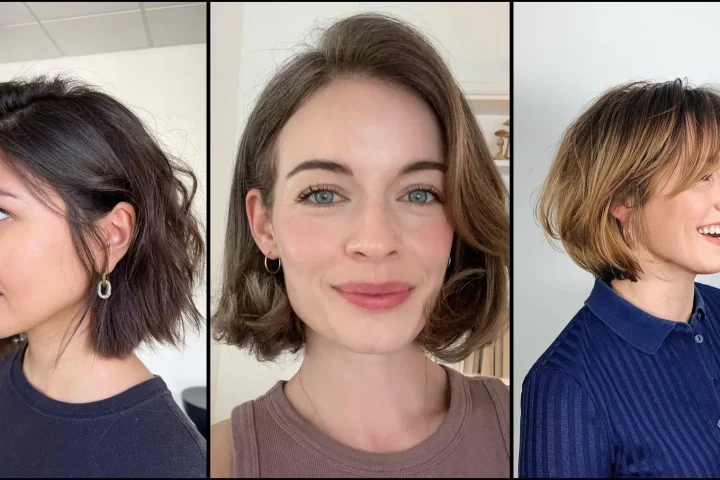
A short-hair blowout is about controlling shape, not just making hair smooth. A chin-length bob needs lift at the roots and a controlled bend at the ends; a pixie may only need a small brush through the crown. Curly or coily hair can be stretched into a full, airy blowout without aiming for a flat, straightened finish. The best method depends on how much length you actually have and how your hair behaves when it dries.
These 26 blowout hairstyles for short hair stay within pixies, bixies, short bobs and collarbone-grazing lobs. They include bouncy round-brush looks, soft 1990s volume, simple roller finishes and options for natural textures. Each idea explains where the lift comes from, what tools help and how to keep the style from collapsing before the end of the day.
What makes a good short-hair blowout?
A blowout uses airflow, a brush or styling attachment and controlled drying to establish a shape. Short hair often needs more attention at the root than at the ends because a small shift in direction changes the entire silhouette. Before you begin, decide whether you want a rounded bob, a lifted crown, soft curtain bangs or a stretched natural-hair finish. That choice determines brush size, section direction and how much hold you need. A wide brush that works on long hair can be awkward on a pixie.
Choose tools for your actual length
A small round brush suits pixie tops and fringes; a medium brush works well on chin bobs; larger barrels can create a loose bend on collarbone-length hair. Velcro rollers can hold the crown while it cools, but they may not grip very short layers. Use a dryer nozzle for concentrated airflow, point it along the strand where possible, and apply an appropriate heat protectant. If heat styling causes discomfort, tangling or excessive dryness, reduce the temperature and switch methods.
Natural-hair blowout versus a silk press
On curly or coily natural hair, a blowout often means gently stretching the strands with controlled airflow while retaining some texture and fullness. A silk press typically aims for a straighter, smoother finish and may involve further heat styling. You do not need that second step for a soft short natural-hair blowout. Work in manageable sections, respect the curl pattern, and avoid using repeated high-heat passes to chase a photograph that may have been made with additional styling.
1. Rounded chin-length bob blowout

View Instagram post by @barbergirl_rnd
For a chin-length bob, lift the roots with the brush before turning the ends slightly under. Work in small horizontal sections from the nape up so the back does not dry flat. Use a medium round brush and a dryer nozzle pointed down the hair shaft rather than dragging heat in every direction. Keep the bend soft; an exaggerated curl can make a bob appear shorter than intended. Finish with a cool shot and move the hair with your fingers.
2. Soft 1990s blowout on a short lob
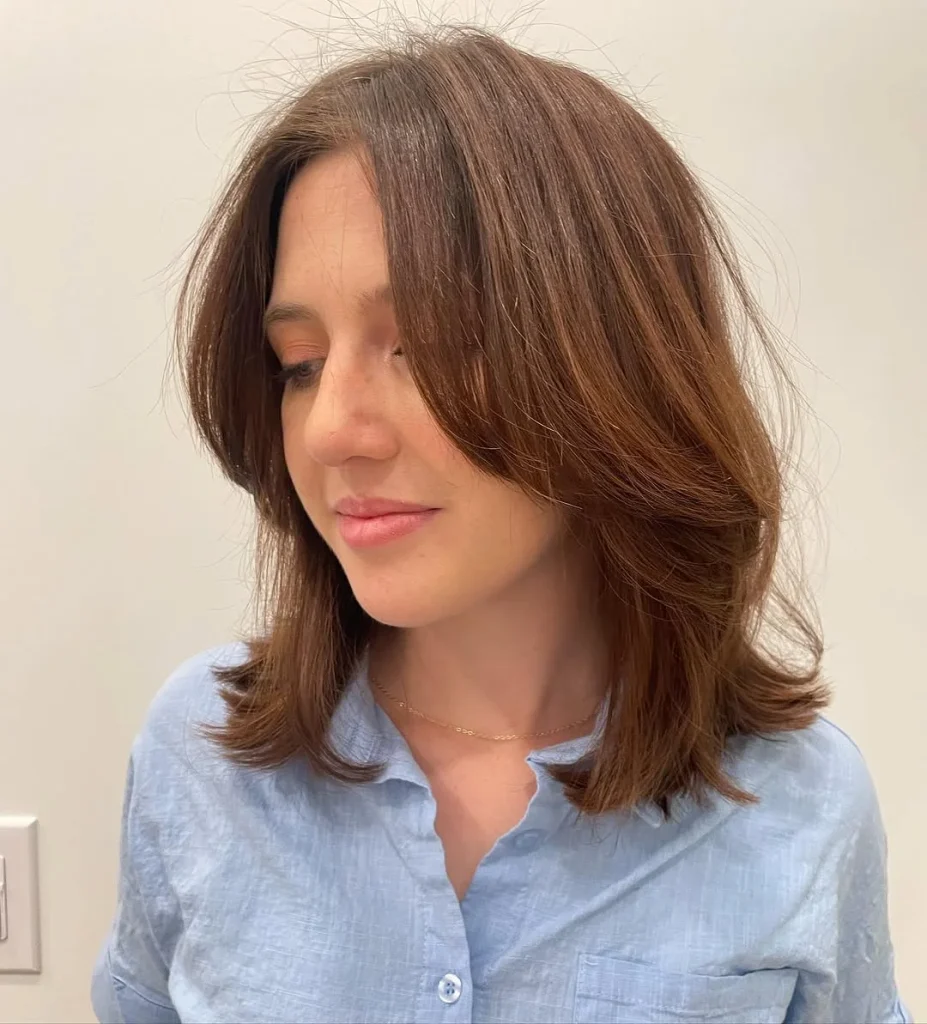
View Instagram post by @farrah.bear.ah
A collarbone-skimming lob has enough length for a loose, airy 1990s-inspired bend. Blow-dry the sides away from the face with a large round brush, then let the front cool in wide Velcro rollers. Avoid making tight curls; the point is soft volume with the ends turning outward. A small amount of light mousse at the roots helps fine hair stay lifted. Brush through gently once the sections have cooled.
3. Pixie crown-lift blowout
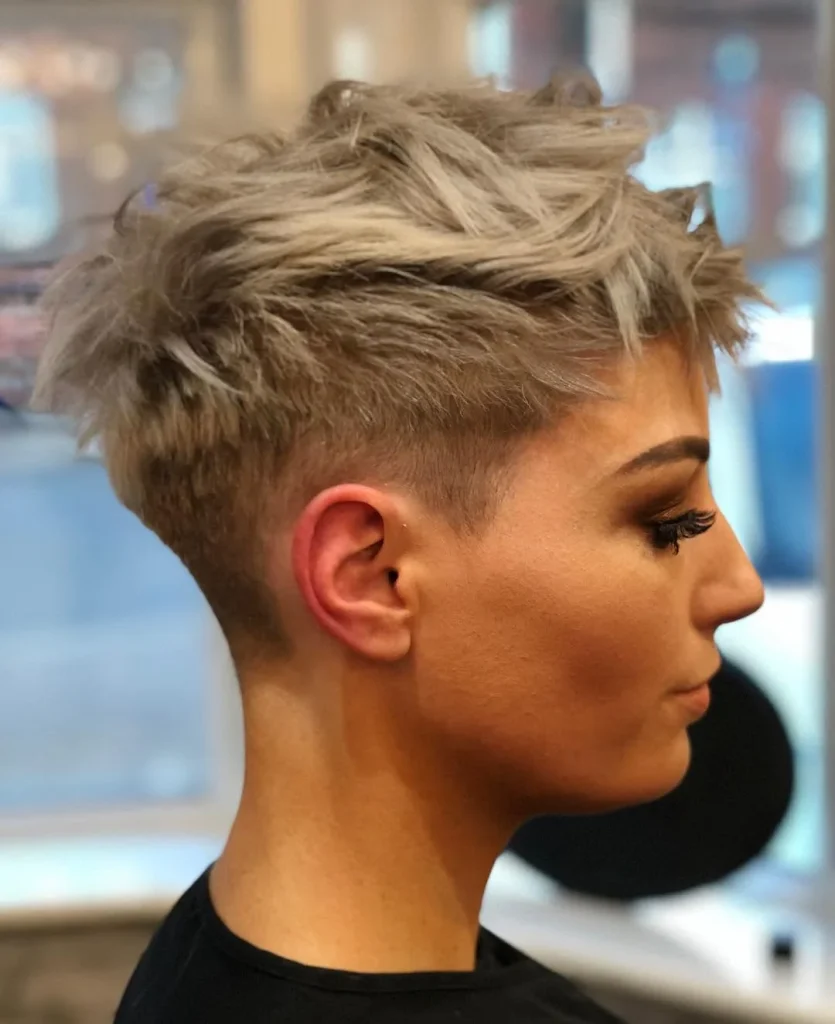
View Instagram post by @luigi_monte
On a pixie, the blowout happens mostly at the crown. Apply a little root-lifting product to damp hair, then use a small round brush to direct the longest top sections up and back while drying. Keep the sides compact with your fingers so the lifted crown stands out. Do not wrap the short strands too tightly around the brush. A flexible spray can support the shape without making the top stiff.
4. Bixie with tucked-under bob ends
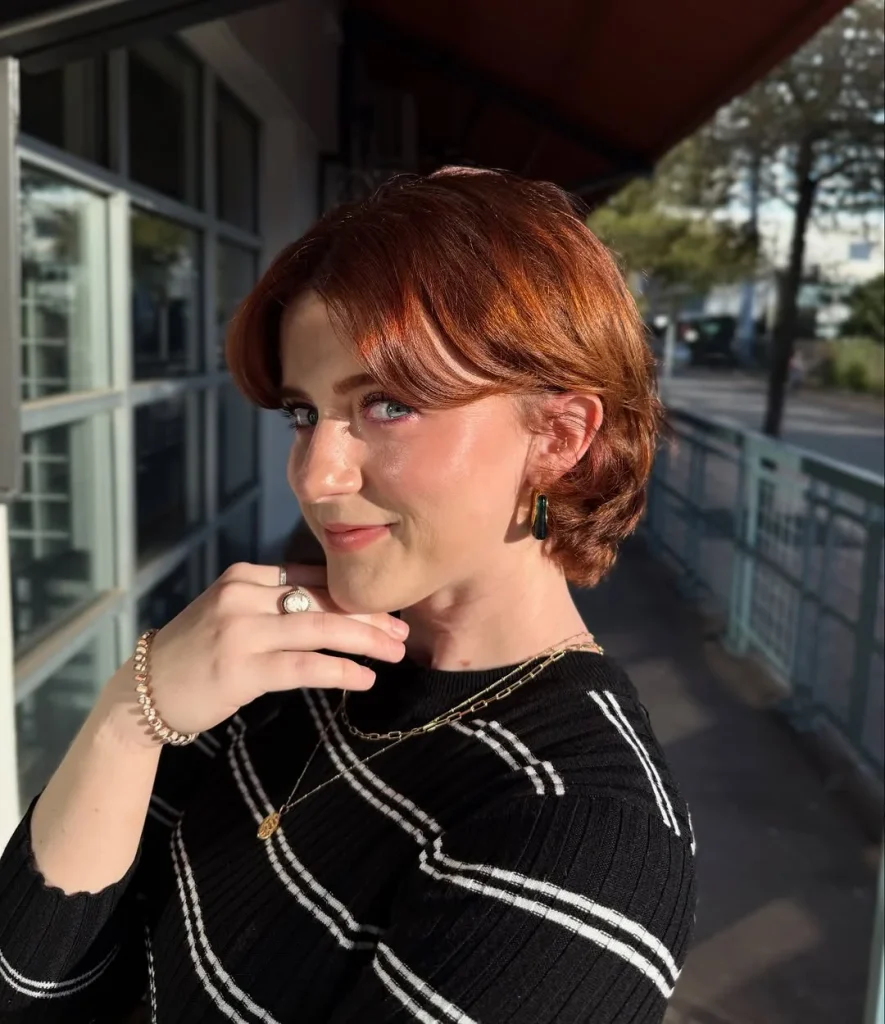
View Instagram post by @darkcrystal.hair.atx
A bixie sits between a pixie and a bob, so its blowout needs a rounded crown and a tidy, shorter neckline. Lift the top with a small-to-medium brush and turn the longer front sections toward the jaw. Dry the sides forward first if they have cowlicks, then shape them where you want them. Avoid flattening the crown with heavy oil. The resulting silhouette feels fuller without losing the cut’s cropped outline.
5. Curtain-bang short bob blowout

View Instagram post by @sesbeautyco
Give the main bob a gentle bend under, then style curtain bangs separately. Blow-dry the fringe forward across the forehead first to settle growth patterns, wrap it around a small round brush, and release it away from the face. The part should open naturally rather than sit as two stiff curls. Keep any hairspray light near the fringe. This works especially well when the front reaches cheekbone length and the back stays near the jaw.
6. Short natural-hair fluffy blowout

View Instagram post by @lionqueenlocs
On a short natural-hair cut, use a blow-dryer attachment or a brush suited to your curl pattern to stretch the hair gently after detangling. Work in sections and use a heat protectant according to the product instructions. The finished look can remain airy and textured rather than straight. Keep the roots comfortable and stop if the hair snags. This style shows off volume and shape without needing a flat iron to press out every curl.
7. Fine-hair bob with root-only lift

View Instagram post by @juliaslavnikov
If your fine bob falls flat, focus on drying the roots in the opposite direction from how you want them to lie. Use a lightweight mousse at the crown and a small brush to lift sections briefly before directing them back into place. Keep the ends mostly straight so the hair retains a full-looking perimeter. Heavy serum can pull the roots down. A cool shot after each section helps set the direction before you touch it.
8. Side-parted glossy short blowout

View Instagram post by @hair.by.alanagalvin
A deeper side part can create noticeable lift on a short bob without requiring large curls. Blow-dry the fuller side up and away from the face, then smooth the shorter side toward the ear. Use a brush that can grip the hair without pulling. The outline should have one airy side and one sleeker side. Add only a trace of smoothing product through the lengths, not at the roots, so the part keeps its height.
9. Soft inward-curve French bob

View Instagram post by @marie_summer_blondie
A French bob is often cut around the jaw, and a blowout can emphasize its deliberate rounded edge. Use a medium brush to turn the last inch inward while keeping the top relatively flat and natural. If the cut has fringe, dry it separately with a slight bend. Avoid rolling the entire bob into a large ball of volume; the silhouette should remain compact. A soft finish suits both straight and lightly wavy starting textures.
10. Short shag blowout with airy layers

View Instagram post by @munozmaureen
A short shag has disconnected layers that can look limp if everything is brushed downward. Lift the upper layers away from the head with a small round brush and direct the ends in alternating directions. Keep the nape relaxed to preserve the cut’s texture. The aim is controlled separation, not a perfectly rounded helmet. A flexible styling cream through the tips can help define the layers after drying.
11. Roller-set bob with bouncy ends
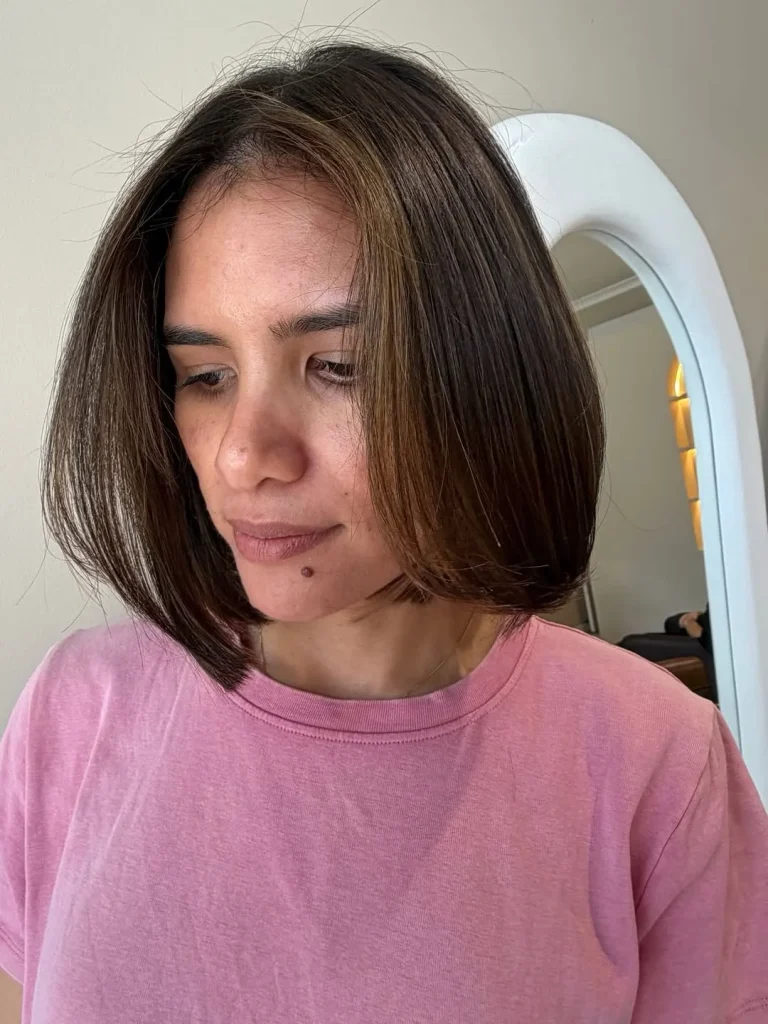
View Instagram post by @thelivingroom_hair
After blow-drying the bob until it is almost dry, wrap the front and crown in medium Velcro rollers, directing sections backward. Let them cool completely before removing them; pulling them out warm can undo the set. Use smaller rollers only if you want a tighter bend. Gently comb through once, then adjust the ends with your fingers. Roller size matters more than the number of rollers on a short cut.
12. Face-framing blowout on a short layered cut

View Instagram post by @modifiedbeautyyy
With face-framing layers, blow-dry the shorter front pieces away from the face and let the longer back layers turn under. Use a medium round brush and keep the section width narrower than the brush barrel. This gives the front movement without making the whole haircut flip outward. If the face-framing pieces spring up too much, allow them to cool stretched downward before releasing. A little flexible spray is usually enough.
13. Short 4C bob with a textured blow-dry
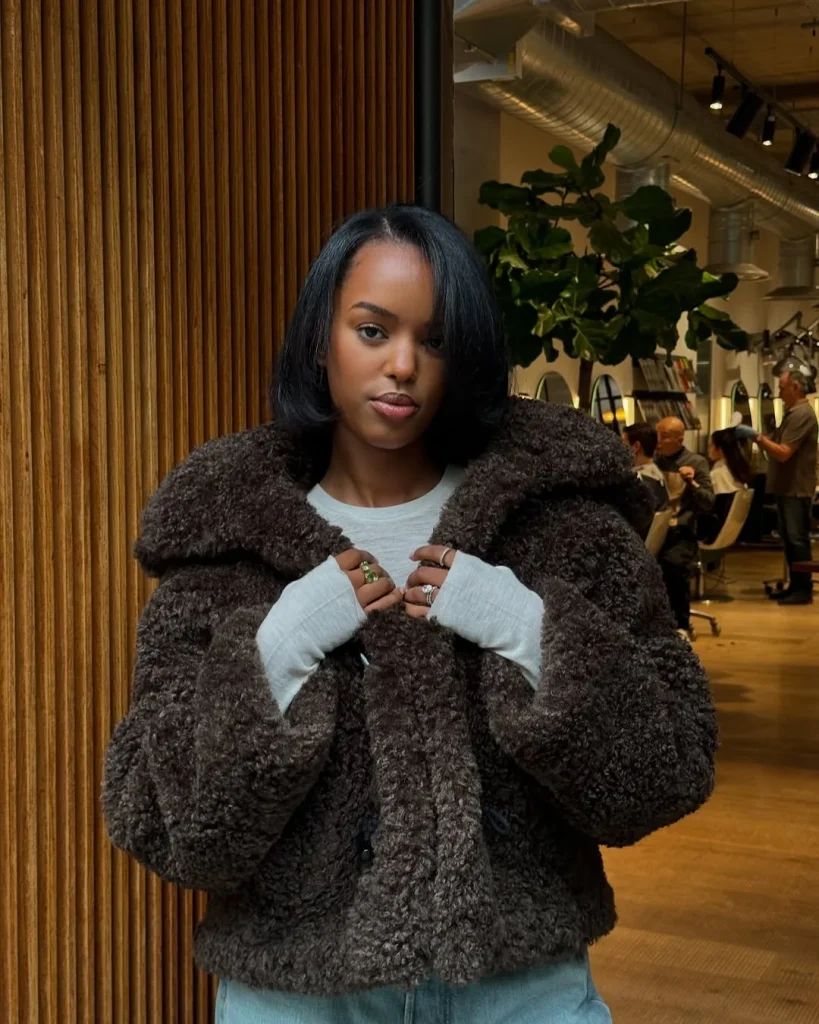
View Instagram post by @graceamelia___
A short bob on 3B-4C hair can be blown out smooth with a non-chemical textured blow-dry that keeps the shape full and bouncy instead of pressing it flat. Dry the bob with a round brush, turning the ends softly under so the chin-length shape stays rounded. The finish is sleek and polished, yet it still reads as natural hair, and no flat ironing into a silk-press finish is needed. A little shine serum on the ends keeps the shape glossy without weighing it down.
14. Pixie with swept-back volume
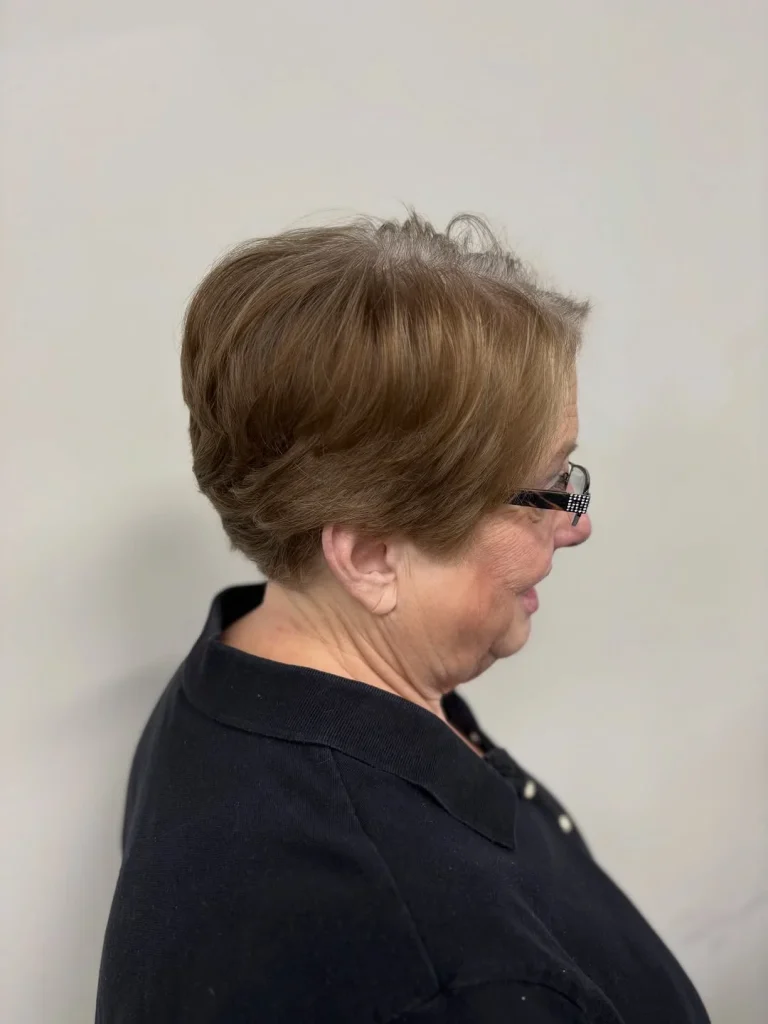
View Instagram post by @_pampered.by.paige_
This pixie version pushes the longer top backward, leaving the ears and neckline comparatively neat. Blow-dry the crown against its growth pattern for a moment, then redirect it back with a small brush. Work a little mousse at the roots if the hair is fine. A soft fringe can lift above the forehead instead of being glued upright. Use fingers to break the top into a few pieces once it cools.
15. Jaw-length bob with a gentle outward flick

View Instagram post by @houseofmaverick.salon
For a small retro note, turn only the final half-inch of a jaw-length bob outward. Keep the midlengths smooth and the crown softly lifted so the flick remains the detail. A medium round brush is often easier to control than a large one on this length. Direct airflow down the strand and roll the brush outward at the ends. The result should move naturally rather than form stiff, exaggerated wings.
16. Curly-bob roots with blown-out volume

View Instagram post by @curledbylj
You can keep much of the curl shape in a short curly bob while using a diffuser or carefully directed dryer to add root volume. Lift sections at the scalp instead of dragging a brush through the finished curls. If you want a looser blown-out finish, stretch only selected sections while damp, using suitable heat protection. Keep the curly perimeter intact. This is a different result from a full straightening blowout and needs less disruption of the curl pattern.
17. Long-fringe bixie with a rounded top

View Instagram post by @shannonrha
Leave a longer fringe over the forehead and build a soft rounded lift through the crown of a bixie. Use a small round brush at the roots, then turn the fringe slightly sideways rather than curling it into the face. The back stays close to the head, which makes the fuller top look deliberate. If the hair is very fine, choose a light mousse over thick pomade. This style can be worn smooth or a little piecey.
18. Short bob with polished S-wave ends

View Instagram post by @mallorywehrunghair
Create a smooth root area, then use the round brush to encourage one soft S-shaped bend through the lower half of the bob. Alternate the brush direction slightly between sections so the hair does not form identical ringlets. A small amount of flexible hairspray helps hold the movement after it has cooled. This look suits a bob that reaches the jaw or a little below. It is more controlled than a tousled beach wave.
19. Soft blowout on short salt-and-pepper hair
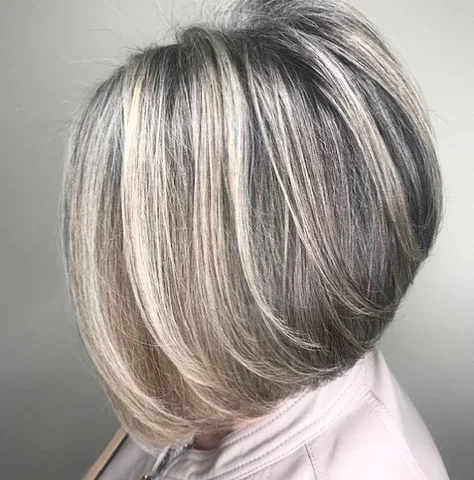
View Instagram post by @paradigmsalonandspa
A short salt-and-pepper bob benefits from gentle root volume and a glossy bend that shows both silver and dark strands. Use moderate heat with a brush suited to the hair’s length, directing the ends under or softly away from the face. Avoid heavy colored styling products that could dull the lighter strands. The finish should move freely. A lightweight serum on the ends can tame flyaways without flattening the crown.
20. Blunt short bob with full ends
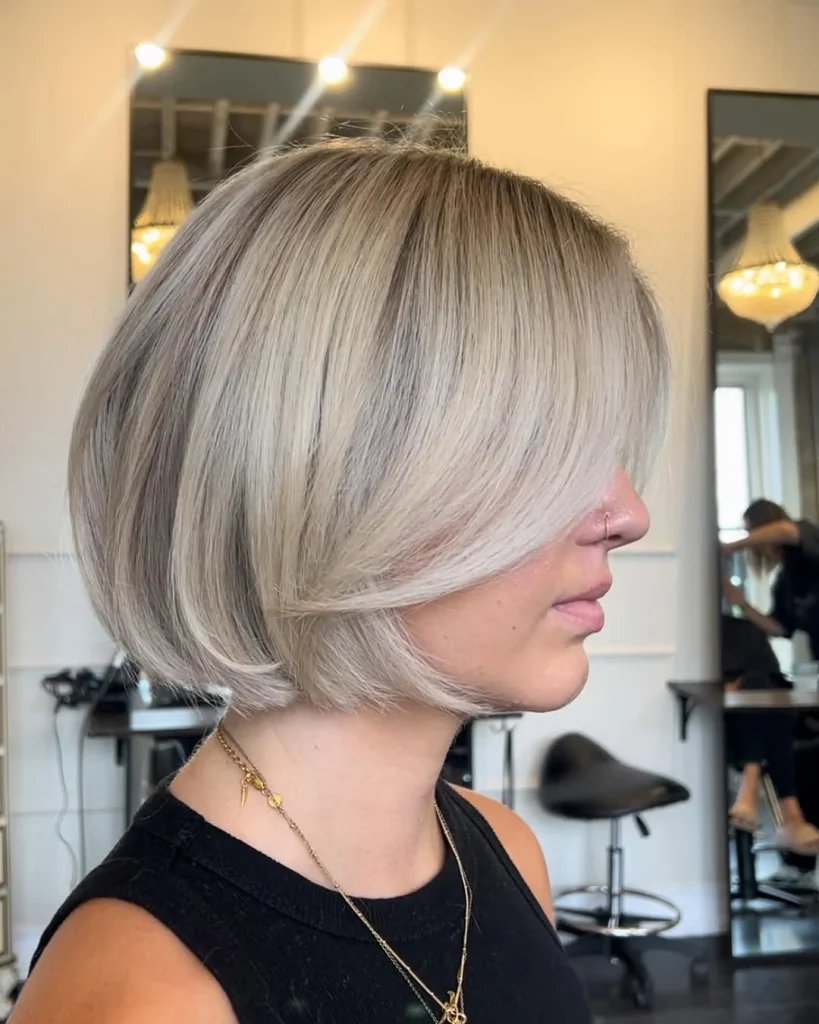
View Instagram post by @mckenziemcauleyhair
A blunt bob looks thicker when the ends are dried in one clean direction rather than rolled into separate curls. Lift at the roots, then use a medium brush to bend the tips slightly under while preserving the strong perimeter. Divide the hair evenly so the back does not puff outward. This is a practical option for fine to medium hair. Finish with a cool shot and resist brushing repeatedly once the shape is set.
21. Airy mushroom-shaped pixie blowout
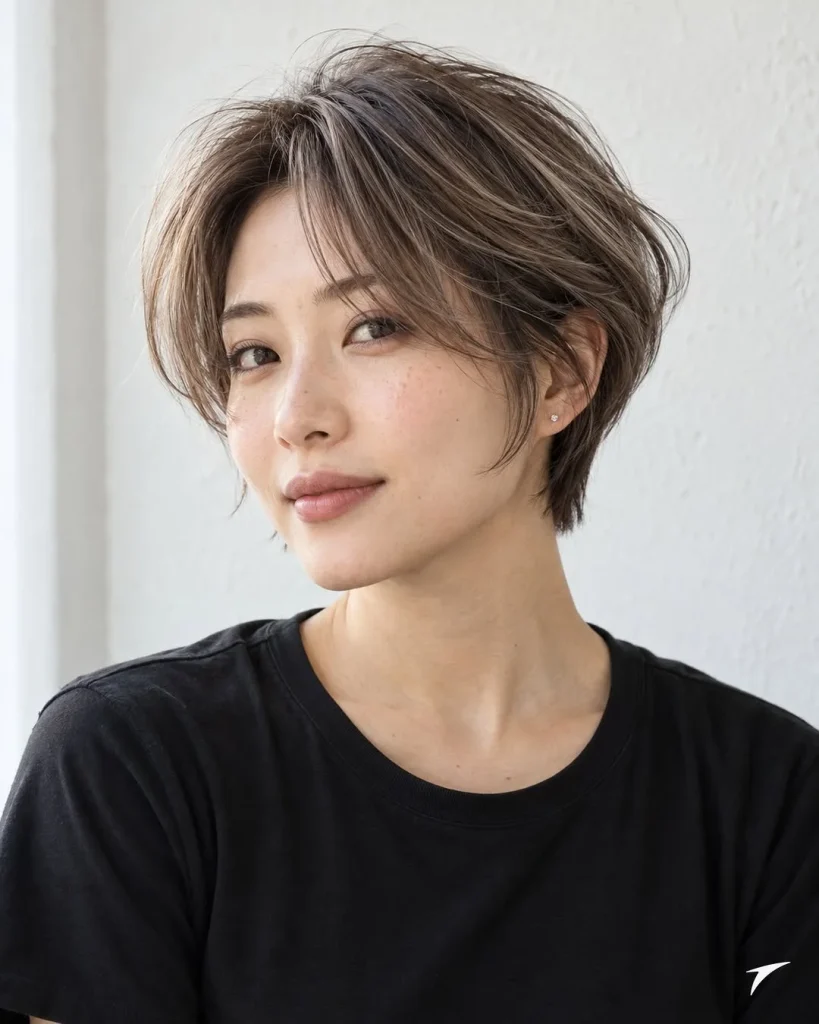
View Instagram post by @trendo.my
For a longer rounded pixie, blow the top and fringe forward into a soft mushroom-like curve while keeping the sides and nape closely shaped. Use a small brush and light root lift rather than trying to make the hair stand upright. The silhouette looks best when the fringe is long enough to bend across the forehead. A tiny amount of cream can define the ends, but avoid loading the crown with product.
22. Voluminous side-swept 1990s bob
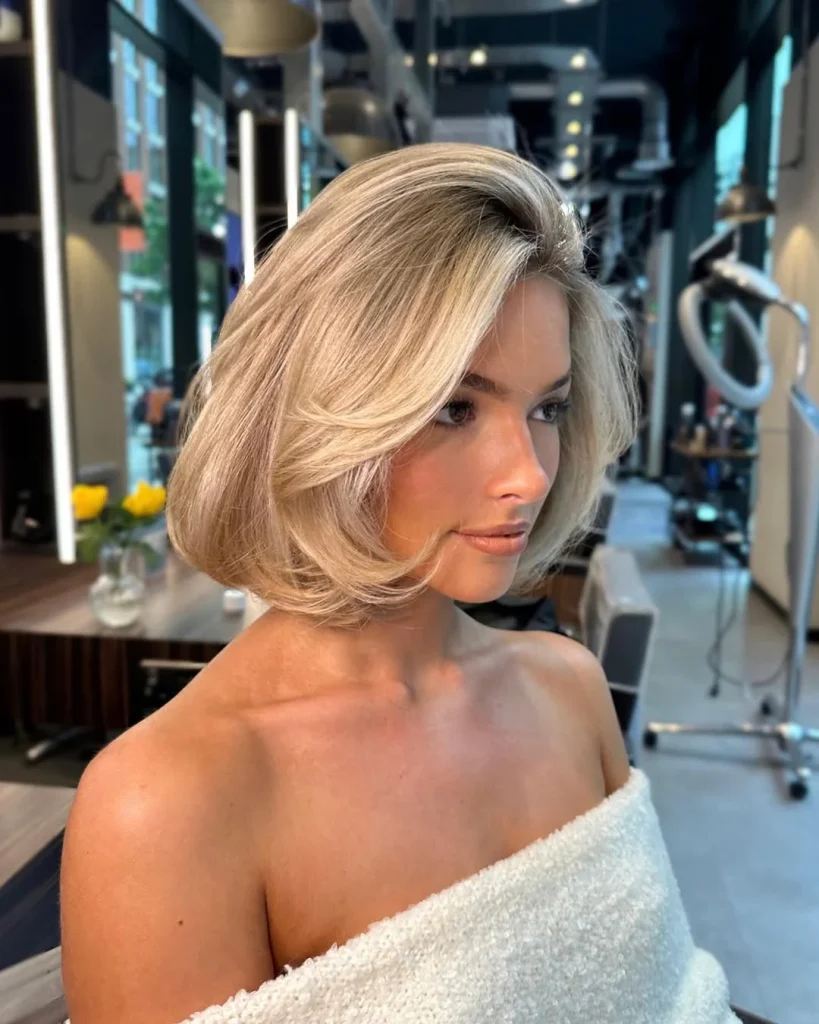
View Instagram post by @hair.by.suzi
Give a jaw-to-neck bob a dramatic side sweep by lifting the roots at the fuller side and directing the front backward with a large brush. Let the front cool in a roller if you want more staying power. The remaining hair can keep an understated inward bend. This is one of the more dressed-up short blowouts, although it does not require extra length. A light flexible spray helps preserve the sweep without making it rigid.
23. Short layered lob with turned-under ends
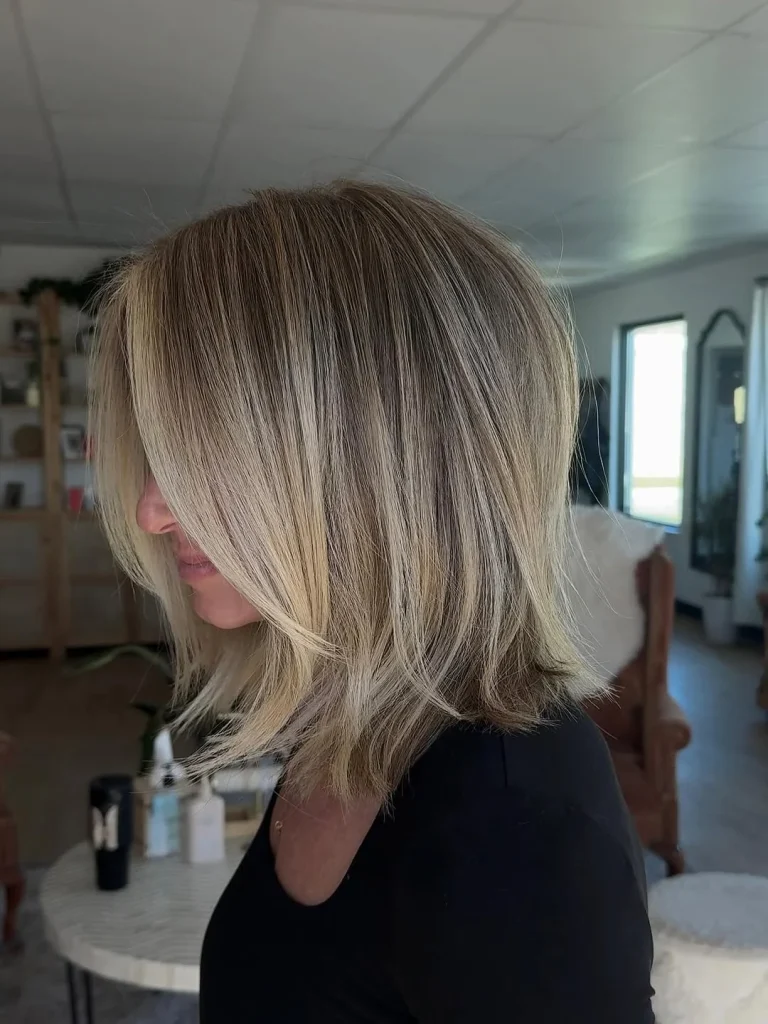
View Instagram post by @sisters_.salon
A lob ending near the collarbone offers enough length for a classic rounded blowout. Dry the lower layers under with a medium brush and give the upper layers a little more outward movement to prevent the shape from looking heavy. Keep the ends soft and springy. For fine hair, add root product only to the crown; for dense hair, work in smaller sections. A wide-tooth comb can loosen the finish once it cools.
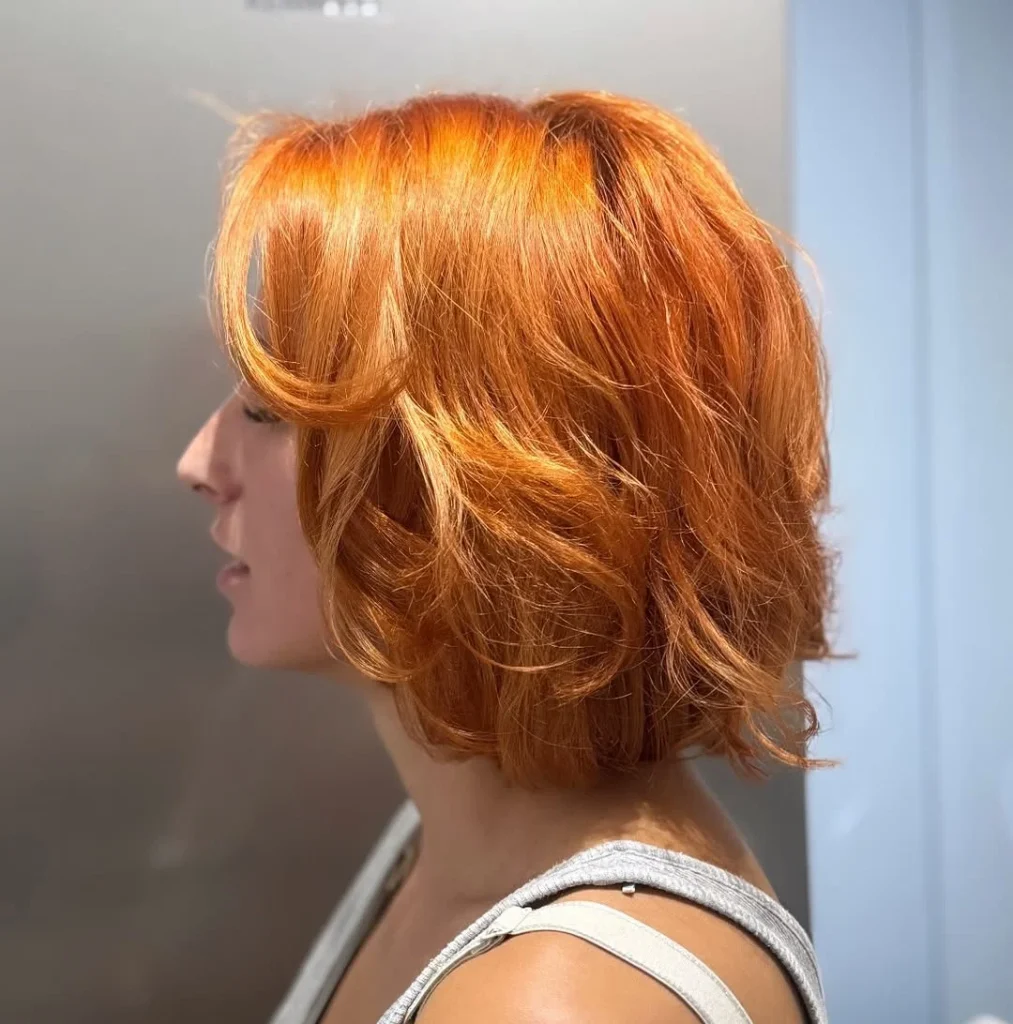
24. Short copper bob with soft all-over waves
View Instagram post by @the_styling_edit24
Soft, loose waves run through this chin-length copper bob, giving it movement from root to tip. Dry the bob with a round brush, lifting at the roots and bending each section into a loose wave, then let the waves fall into a soft, tousled finish. The side-swept front keeps the shape light and effortless rather than sleek. A little texture spray can revive the waves between washes.
25. Rounded bob with softly curled-under fringe

View Instagram post by @stayhairstudio
Pair a rounded chin-length bob with a fringe that curves gently toward the forehead. Dry the back and sides under first, then use a smaller brush for the bangs so they do not roll into a large cylinder. A fringe requires less volume than the rest of the bob. Keep the section light and direct airflow along the hair shaft. Once cool, separate the fringe with your fingers so it falls naturally.
26. Textured short bob with roller-lifted crown

View Instagram post by @toniandguybath
Leave the ends of a short textured bob loosely bent, but use two or three medium rollers at the crown for extra height. This keeps the finished hairstyle from looking uniformly curled. A little dry texture spray at the roots can support the lift if needed. The back remains relaxed, making the style easy to wear through a normal workday.
Step-by-step: a short bob blowout at home
Prepare and section
Start with clean, damp hair that is no longer dripping. Gently remove tangles and distribute a lightweight styling product suited to your hair, then apply heat protection according to its instructions. Divide the hair into lower, middle and crown sections. Dry the nape first, keeping the nozzle pointed down the strand as you roll the ends slightly under. Make sure each section is dry before moving on; damp roots can cause volume to fall quickly.
Build and cool the shape
Lift each crown section at the root with a brush that matches your length, then slowly guide the brush through to the ends. Use a cooler dryer setting where practical and avoid holding heat against one spot. If you want more bend, wrap the dry front or crown section in a roller and let it cool. Remove rollers gently and loosen with your fingers. Finish with a small amount of flexible spray instead of coating the whole bob with heavy products.
How to make a short blowout last longer
The roots matter most. Overloading fine hair with serum or rich cream may flatten it, while very dry textured hair may need more conditioning before styling. Keep the style dry if you want the shape to hold, and avoid brushing the crown repeatedly through the day. At night, a smooth bonnet or pillowcase can reduce friction, but short layers may still need a little root refreshing in the morning. Do not use extra heat automatically; first try gently resetting a section with a brush or appropriate low-heat technique.
Is a short blowout right for you?
A short blowout works best when the cut, the hair texture, and the time you are willing to spend drying it line up. Use the points below to choose a version you can repeat at home, not just one that looks good in a salon photo.
Who a short blowout suits. It suits people with a bob, bixie, or pixie with enough top length to wrap around a small brush, and who want soft volume, a rounded edge, or a smooth bend without tight curls. It also suits fine hair that needs root lift, and textured or natural hair when the goal is stretched, airy shape rather than a pin-straight finish. Who should skip it. Skip a daily blowout if your cut is very cropped with no length to lift, if you want a wash-and-go style with no heat or drying time, or if your hair is very damaged and cannot take regular heat. A finger-dried shape, a roller set, or a cut with more built-in movement may suit you better.
Maintenance and upkeep. A short blowout usually lasts a day or two, so plan on a morning root refresh, dry shampoo or a light brush-through, and keeping the style dry overnight. Use heat protection, avoid overloading fine hair with heavy serum or cream, and let sections cool before you brush them out, or the lift will drop. What to ask your stylist. Ask which brush size suits your actual length, how much root lift your cut can hold, and whether a round brush, rollers, or a dryer attachment will work best for you. Ask how to refresh the crown on day two, and how often the cut needs trimming to keep the shape from going flat.
Frequently asked questions
Can you do a blowout on a pixie cut?
Yes, provided the top is long enough to wrap lightly around a small brush. The main goal is crown lift and fringe direction rather than big curls. Closely cropped sides are usually shaped with fingers rather than a round brush.
Is a round brush necessary?
No. Rollers, a dryer with suitable attachments or careful finger styling can create lift, depending on hair length and texture. A round brush makes curved ends easier, but it is not the only way to get a short blowout.
Can you do a blowout without heat?
You can create some lifted or curved shapes with rollers and air-drying, but the finish may differ from a dryer blowout. For ideas that do not rely on hot tools, see our heatless curl methods.
Which short cuts give the most movement?
A chin bob, layered lob or longer bixie can show a curved finish clearly. Very cropped pixies offer root lift rather than a full rolled-under look. Browse flipped bob haircuts, Italian bob haircuts, volume-boosting hairstyles for fine hair, bixie haircut ideas to compare haircut shapes and styling options.
Pick a blowout that suits your haircut
Start with what your short haircut already does well. A blunt bob looks polished with a rounded edge, a pixie benefits from crown lift, and a tapered natural crop can become airy and full without being pressed straight. Keep your tool size appropriate to the length, let sections cool before brushing them out, and choose a finish that you can comfortably repeat.