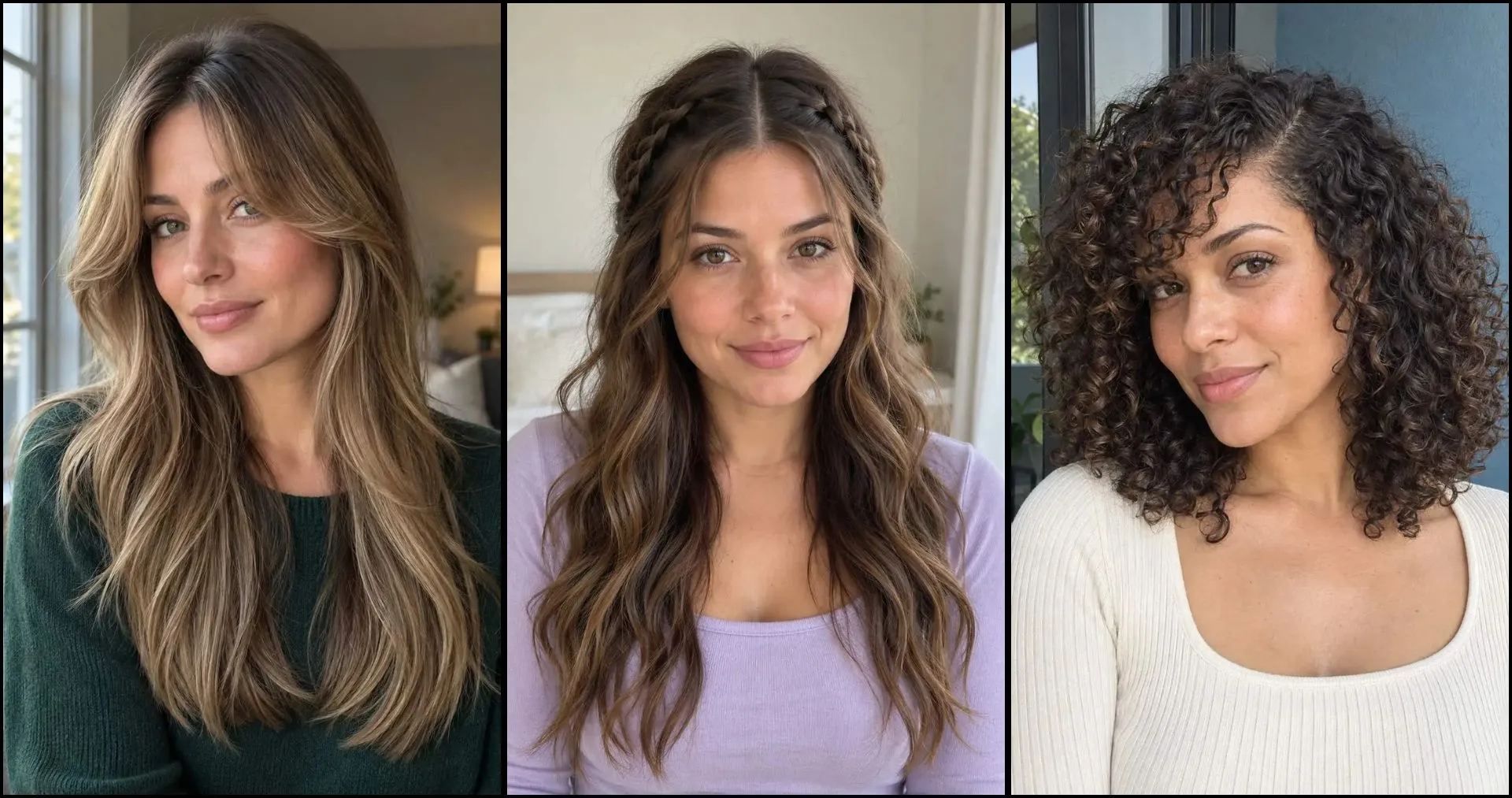
Heatless curls sound simple: wrap your hair before bed and wake up with waves. In practice, a good result comes down to three things that matter more than the tool you pick: how dry your hair is when you start, how you wrap each section, and whether the method suits your hair length and texture. Hair that is soaking wet rarely dries through by morning, so the curls fall out quickly, while hair that is nearly dry sets slowly and holds its shape for longer. The wrap should sit firmly enough to shape the hair but loosely enough to sleep in comfortably, since a set that pulls at the scalp will come out early and leave sore roots.
The right method depends on your hair. A satin ribbon makes loose bends in long hair, while flexi rods and pin curls give you more control over shorter pieces. Braids create waves rather than round curls, and for naturally curly or coily hair, a twist-out or a Bantu knot-out usually gives better definition than a large ribbon does.
Here are 16 no-heat curl methods with clear steps, the result to expect, and the small adjustments that make each one more useful. You can try most of them without a curling iron, though some work better during the day than overnight.
Choose a heatless curl method for your hair
| Your hair or goal | A good starting point |
|---|---|
| Long, straight or wavy hair | Satin curling ribbon or robe belt |
| Shorter bob or chin-length hair | Soft foam rollers or pin curls |
| Defined spiral curls | Flexi rods or soft spiral formers |
| Natural curls and coils | Two-strand twist-out, flat twist-out, or Bantu knot-out |
| Easy beachy waves | Three-strand or French braids |
| No special tools | Long socks or T-shirt strips |
Before you start: the prep that affects every method
- Start clean enough for the style to hold. Freshly washed hair is fine, but you do not need to wash just to make curls. Detangle gently.
- Avoid soaking-wet overnight sets. Most methods work better on hair that is slightly damp or almost dry, not dripping. Thick sections can remain damp inside the wrap for hours.
- Use only a little styling product. A light mousse may help straight or fine hair; curls may prefer a leave-in or setting product already in your routine. Heavy cream can weigh down fine strands.
- Choose comfortable tension. Wrapping should not pull at the scalp or hairline. Remove any style that hurts or gives you a headache.
- Wait until the hair is dry. Unwrapping while the inner sections remain damp often makes the shape fall quickly.
Satin Curling Ribbon Overnight Curls

View Instagram post by @cheban_alena
Result: Soft, loose curls with a smooth finish. Best for: Shoulder-length to long straight or wavy hair.
- Part nearly dry, detangled hair down the center and position a satin curling ribbon across the crown.
- Wrap small front sections away from your face around each side of the ribbon, adding more hair as you move downward.
- Secure the ends gently with scrunchies. Once completely dry, unwind rather than pulling the ribbon out.
What makes it work: For a softer result, use larger sections. Keep the ribbon loose enough that your scalp feels comfortable.
Robe Belt Heatless Curls

View Instagram post by @christinasikalias
Result: Big bends and loose waves. Best for: Medium to long hair when you want to try a method using what you own.
- Use a clean, smooth fabric robe tie and rest its center across the top of your head.
- Wrap sections away from your face around either side, taking care not to twist the hair too tightly.
- Secure both sides and let the hair dry fully before unraveling.
What makes it work: A thick belt usually produces a looser pattern than a narrow ribbon. Skip rough or heavily textured belts that might snag.
Long Sock Curls

View Instagram post by @ittskristixo
Result: Soft spirals or relaxed curls, depending on section size. Best for: Medium and long hair.
- Divide slightly damp hair into two to four sections and choose clean, soft socks long enough to work with.
- Wrap each section around a sock from near the mid-lengths toward the ends, then roll the wrapped hair upward.
- Tie or fold the sock to secure it without pulling on the roots, and release only when dry.
What makes it work: Using more, smaller sections can make a tighter pattern. Make sure the socks do not create uncomfortable lumps when you lie down.
Single Sock Bun Waves

View Instagram post by @long_hair_monk
Result: One broad, gentle wave through the lengths. Best for: Long hair that holds a wave easily.
- Gather nearly dry hair into a loose high ponytail using a soft scrunchie.
- Roll the hair around a soft sock or sock-bun form, tucking the ends neatly.
- Remove the bun when the hair has set and gently shake out the lengths.
What makes it work: This usually makes a bend rather than a head of separate ringlets. Avoid a tight high ponytail that pulls at the hairline.
Flexi Rod Heatless Curls

View Instagram post by @icehaushq
Result: Bouncy, defined spirals. Best for: Short to long hair, especially when you want control over curl size.
- Choose rod diameter based on the curl you want: slimmer rods for tighter curls, wider rods for looser shapes.
- Wrap small, detangled sections smoothly around each rod and bend the ends to secure.
- Let the hair dry completely, then straighten the rods and unwind each section carefully.
What makes it work: Soft rods are more sleep-friendly than hard rollers for some people, but placement near the ears or nape can still feel uncomfortable.
Soft Foam Roller Curls

View Instagram post by @officialslayedbeauty
Result: Rounded curls and body, particularly near the ends. Best for: Fine to medium hair and shorter bob lengths.
- Start with almost dry hair and divide it into even sections.
- Roll each section toward the scalp on a soft foam roller, keeping the ends flat rather than folded.
- Secure gently and remove each roller after the hair has set.
What makes it work: Choose larger rollers for volume and softer curves; small rollers make a tighter curl. Avoid squeezing the rollers too tightly against the scalp.
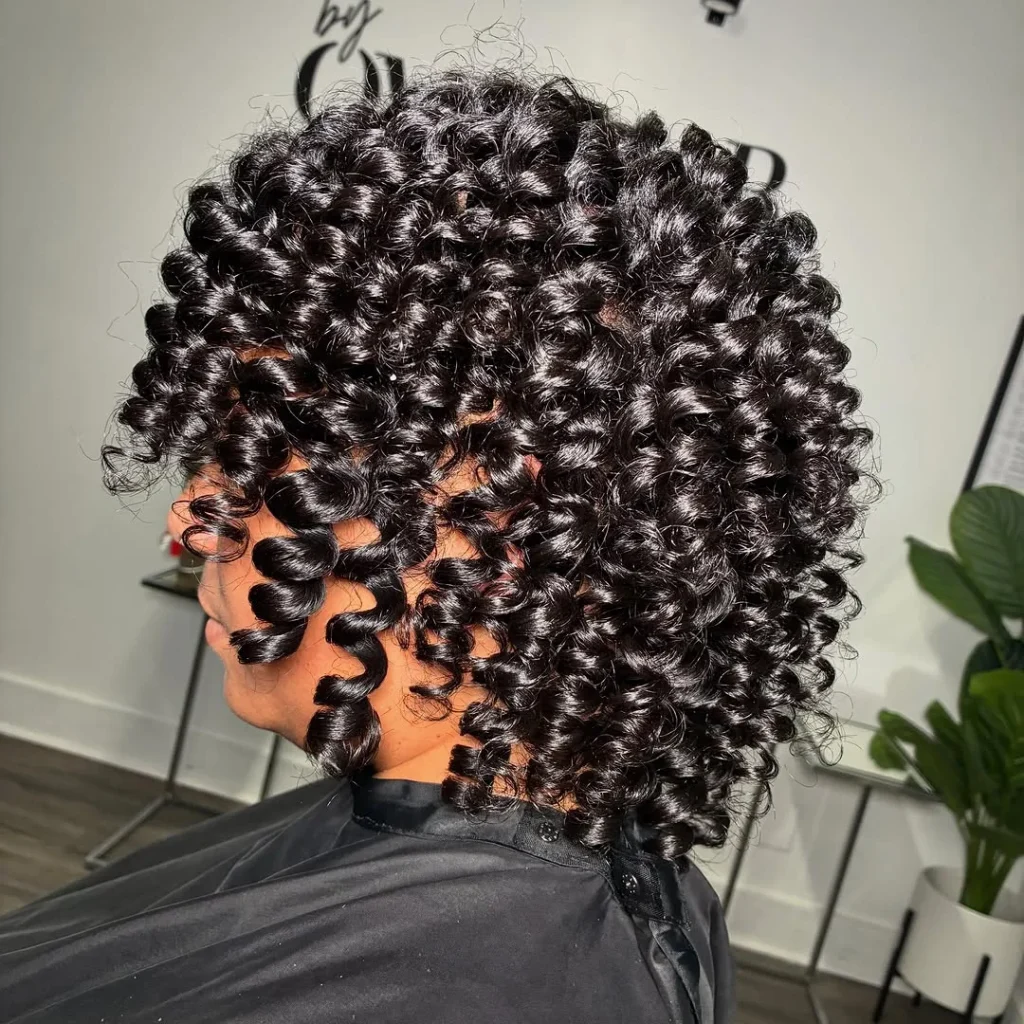
Spiral Curlformers Without Heat
View Instagram post by @hairbyomega
Result: Consistent corkscrew-style spirals. Best for: Medium to long hair that can slide through a spiral former without snagging.
- Detangle carefully and divide hair into small sections that are no wider than the spiral form.
- Use the form’s tool to guide one section through each soft spiral sleeve without yanking.
- Wait until completely dry, then compress and slide the sleeve away gently.
What makes it work: This method needs patience. Stop if the hook catches or puts pressure on the roots, especially on fragile or tightly coiled hair.
Soft Headband Wrap Curls

View Instagram post by @marinasherif__
Result: Loose, vintage-looking bends around the face. Best for: Shoulder-length hair and longer cuts.
- Position a comfortable, stretchy fabric headband around your head, not tightly across the hairline.
- Tuck small sections over and through the band, continuing around the head until the lengths are wrapped.
- When the hair is completely dry, unwrap each section in the reverse order.
What makes it work: A wide, soft band is usually more comfortable than a narrow elastic one. Do not wrap tightly enough to cause a headache.
Two-Strand Twist-Out Curls

View Instagram post by @curlcodeblack
Result: Defined, rope-like waves and coils. Best for: Naturally textured hair, including many type 3 and 4 curl patterns.
- Work with detangled, damp hair and a small amount of your usual leave-in or styling product.
- Split each section in two and twist the strands around one another from root to tip without overtightening.
- Let twists dry fully, then separate gently with lightly coated fingertips.
What makes it work: Smaller twists typically give more definition. Your natural curl pattern affects how closely the result resembles a spiral.
Flat Twist-Out Waves

View Instagram post by @ohthatskiara
Result: Root-to-end definition with a smoother, controlled crown. Best for: Natural curls and coils.
- Create a part and take a small section near the hairline.
- Twist two strands while adding hair along the scalp, keeping the twist comfortable rather than tight.
- Finish the ends, allow the twists to dry fully, and undo slowly from tip to root.
What makes it work: This is useful when you want the pattern to begin near the roots. If the hairline feels sore, loosen or redo the twist.
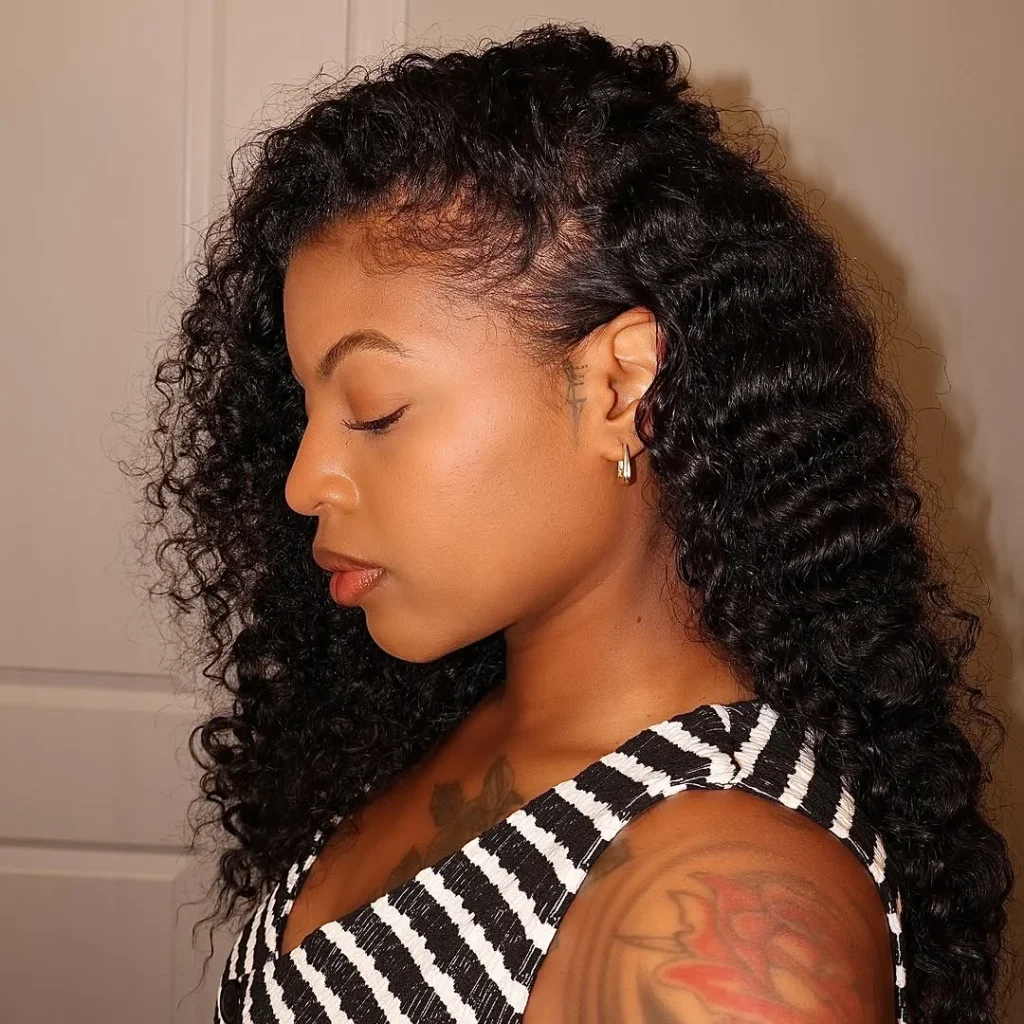
Three-Strand Braid Waves
View Instagram post by @innocentmyown
Result: Crimped, beachy waves instead of round ringlets. Best for: Long straight, wavy or textured hair.
- Part slightly damp hair into two to four sections.
- Braid each into a basic three-strand braid without pulling the roots tight, and secure the ends with soft ties.
- Undo only after drying, then separate with your fingers rather than brushing immediately.
What makes it work: Two larger braids give broad bends; several smaller braids make a more defined crimped pattern.
French Braid Overnight Waves

View Instagram post by @shannacrooks_
Result: Waves beginning closer to the crown. Best for: Medium to long hair.
- Create a center part and start a French braid on each side, gradually adding hair as you braid.
- Keep the braid secure enough to hold but comfortable at the scalp, particularly near the temples.
- Let dry, then undo from the ends upward to keep the wave pattern intact.
What makes it work: This is better for flowing waves than uniform spiral curls. For a flatter crown, avoid overly tight braiding.
Heatless Pin Curls

View Instagram post by @kaylajocelinvintage
Result: Polished, rounded curls with a retro finish. Best for: Short bobs, medium hair and hair that holds sets well.
- On nearly dry hair, wind a small section around your fingers to make a flat loop.
- Slide the loop against the head and fasten with a smooth clip or pin that does not poke the scalp.
- Let each curl set, remove the pins carefully, and shape the curls with your fingertips.
What makes it work: Pin curls are also useful for short hair because they do not require wrapping long lengths around a ribbon.
Bantu Knot-Out Curls

View Instagram post by @protectivestyles
Result: Springy, separated curls or coils after release. Best for: Curly and coily hair.
- Section detangled damp hair and apply the styling product you normally use for twist-outs.
- Twist each section loosely enough to remain comfortable, then wind it into a small knot at the base.
- Secure without pulling, allow thorough drying, and uncoil each knot gently.
What makes it work: Do not make the knots tight. Too much tension, especially around the edges, can cause discomfort and breakage.
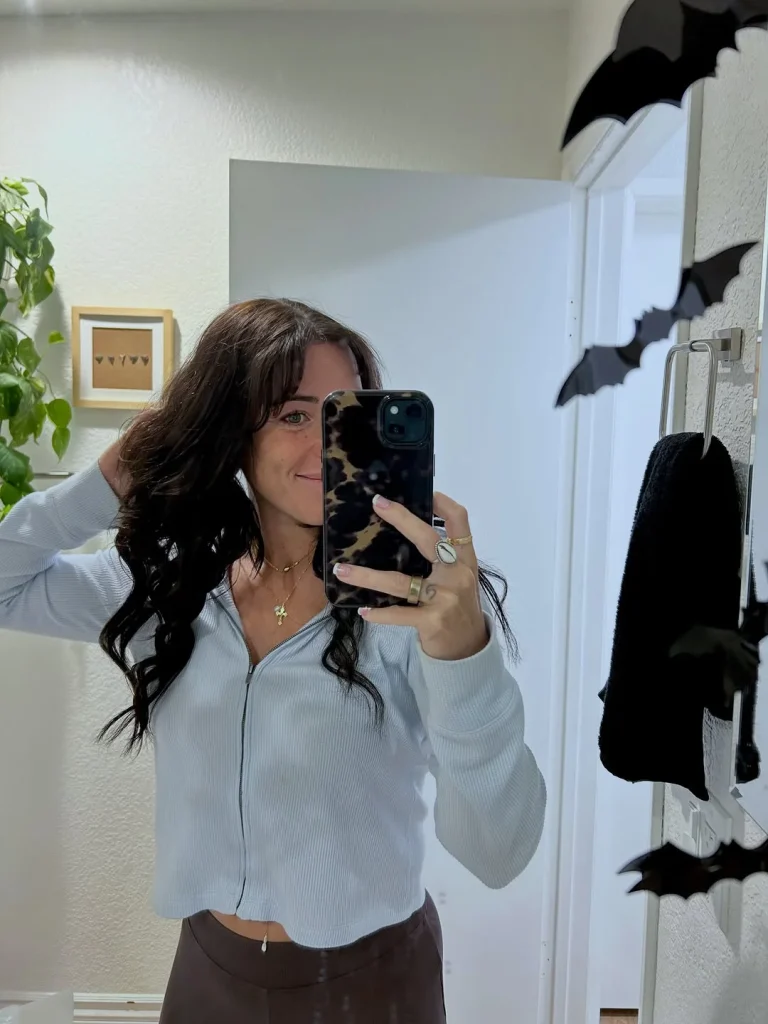
Mini Twisted Bun Waves
View Instagram post by @hairbykovia
Result: Relaxed waves with soft bends through the mid-lengths. Best for: Medium to long hair; loose everyday styling.
- Separate mostly dry hair into four to six sections.
- Twist each section loosely and coil it into a small bun, using a soft tie or clip to hold it.
- Unwind when dry, then shake out the waves with your hands.
What makes it work: Keep buns away from pressure points if you intend to sleep in them. Larger buns tend to make softer waves.
T-Shirt Rag Curls
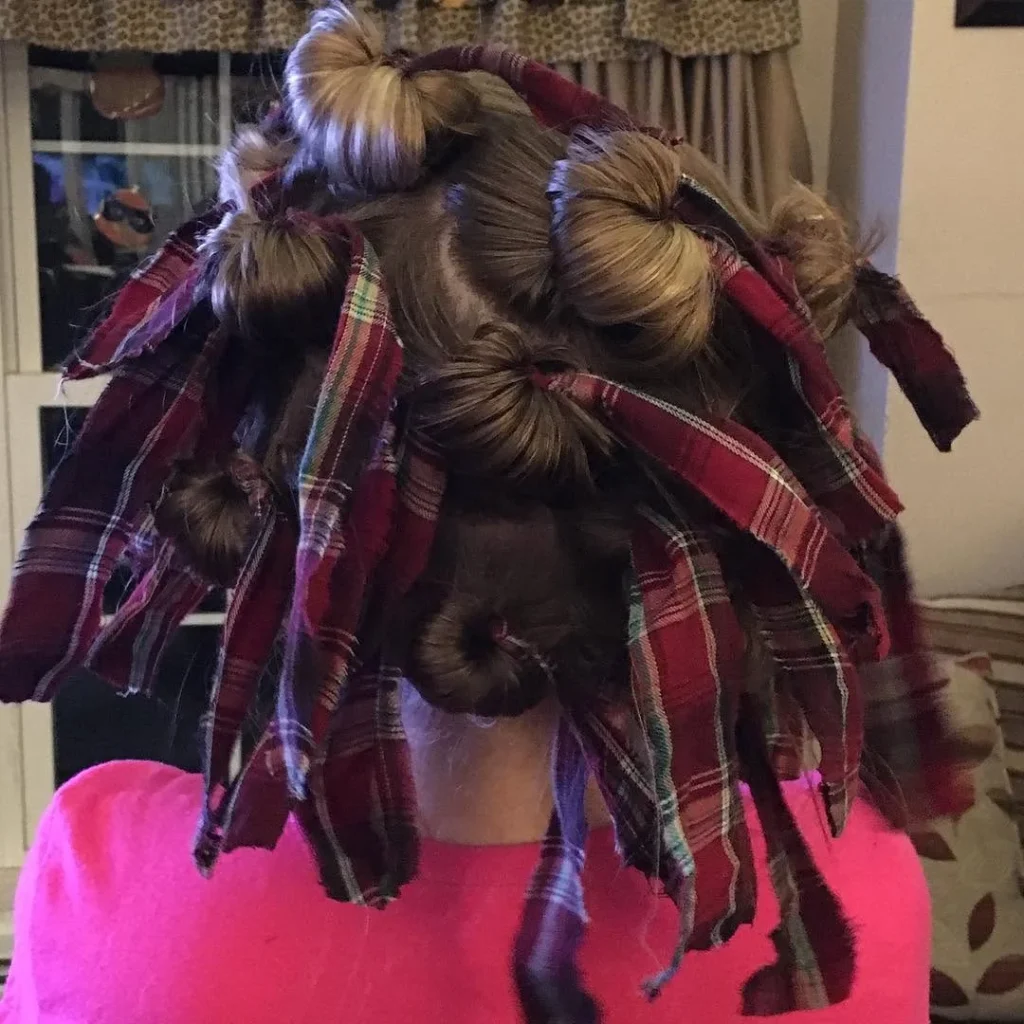
View Instagram post by @annmarie76
Result: Soft ringlets without a dedicated curling tool. Best for: Medium or long hair and people testing heatless styling on a budget.
- Cut a clean, soft cotton T-shirt into smooth strips long enough to tie comfortably.
- Wrap a small section of nearly dry hair around a strip, then secure the cloth ends loosely.
- Let the hair dry fully before untying the strips and unwinding the curls.
What makes it work: Use soft fabric that does not shed or catch. Narrow strips create smaller curls, while wider strips make more relaxed bends.
How to make heatless curls last longer
Let the wrap or set dry all the way through before taking it out. Once released, avoid immediately brushing the curls into a fluffy cloud. Separate them gently with your fingers and, if your hair needs it, use a small amount of flexible-hold spray. A satin pillowcase or loose bonnet may help reduce overnight friction after styling, but no method guarantees the same result on every hair type.
What if your heatless curls don’t work?
| Problem | What to adjust next time |
|---|---|
| Curls fall out quickly | Use smaller sections, make sure they’re dry, and try a light setting mousse if suitable. |
| Ends stay straight | Wrap the ends carefully instead of leaving them outside the ribbon or roller. |
| Hair is still damp in the morning | Start drier, use smaller sections, or set the hair during the day instead. |
| Too much frizz after release | Unwind each section gently and avoid over-separating or dry brushing. |
| Scalp feels tender | Loosen the style or choose a method without root tension. Never sleep in a painful set. |
| Curls look like zigzag waves | Try rollers or a ribbon rather than braids for rounder shapes. |
Best heatless curls for short hair
Short lengths may slide off wide ribbons or robe belts before making a full turn. Foam rollers, pin curls, and smaller flexi rods allow more control over short pieces. If your cut is a bob, compare the result with our wavy bob haircut ideas to decide whether you want a loose bend or a round curl.
Best heatless curls for naturally curly hair
For curly and coily hair, a twist-out or Bantu knot-out can reshape and define your existing texture rather than trying to reproduce the same curls seen on straight hair. Product choice, section size, and thorough drying all matter. Our curly hair ideas by curl pattern offers more styling inspiration, while wash-and-go natural hairstyles covers another approach to defining natural curls without rollers.
How to sleep more comfortably in a heatless set
Put soft wraps away from the base of your skull if you sleep on your back, or place them higher if you tend to sleep on your side. Use soft scrunchies and avoid hard clips or tight ties at the temples. If a set is uncomfortable, remove it and use a daytime method instead. Comfort matters more than leaving a hairstyle in overnight.
Frequently asked questions about heatless curls
Do heatless curls work on straight hair?
They can, but results vary. Very straight hair may need a smaller section size or lightweight hold product, and some curls relax into waves fairly quickly.
Should my hair be wet or dry for overnight curls?
Usually, slightly damp or nearly dry hair is more practical than soaking-wet hair. The inside of a thick wrap can stay wet for a long time, preventing the style from setting.
Can I make heatless curls without buying a curling ribbon?
Yes. A soft robe belt, clean socks, T-shirt strips, braids, and loose twisted buns can all create a temporary shape without a dedicated curling tool.
Which heatless curl method gives the tightest curls?
Small flexi rods, smaller pin curls, and small rag sections can give a tighter pattern. Your hair texture and how completely the set dries affect the outcome.
Are heatless curls completely damage-free?
They avoid the heat of a curling iron, but tight wrapping, snagging clips, and repeated pulling can still stress hair. Keep tension gentle and stop if a technique causes discomfort.
More easy hairstyles to try
If you prefer to work with your natural bend, start with our naturally wavy hairstyles. For quick looks on days when you’re not wearing your hair down, browse claw clip hairstyles or easy braided hairstyles.
Final thoughts
The easiest way to find a heatless curl method you’ll actually repeat is to test one technique on a normal day, when you can see how long it takes to dry and how the result wears. Start with a loose, comfortable wrap or braid, adjust your section size, and choose definition over a complicated setup.