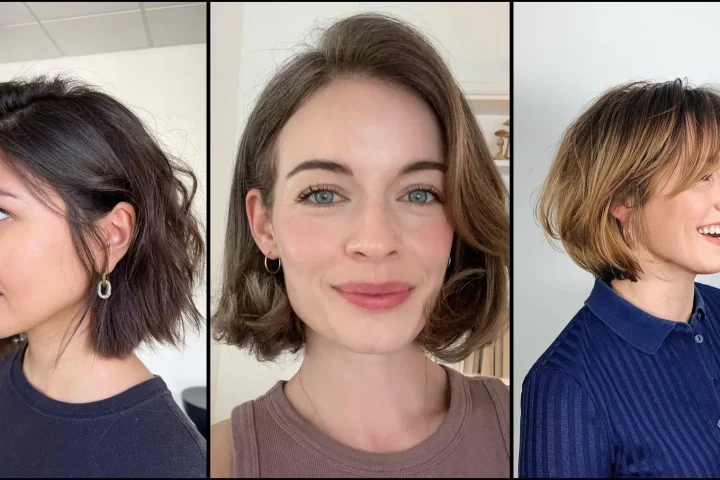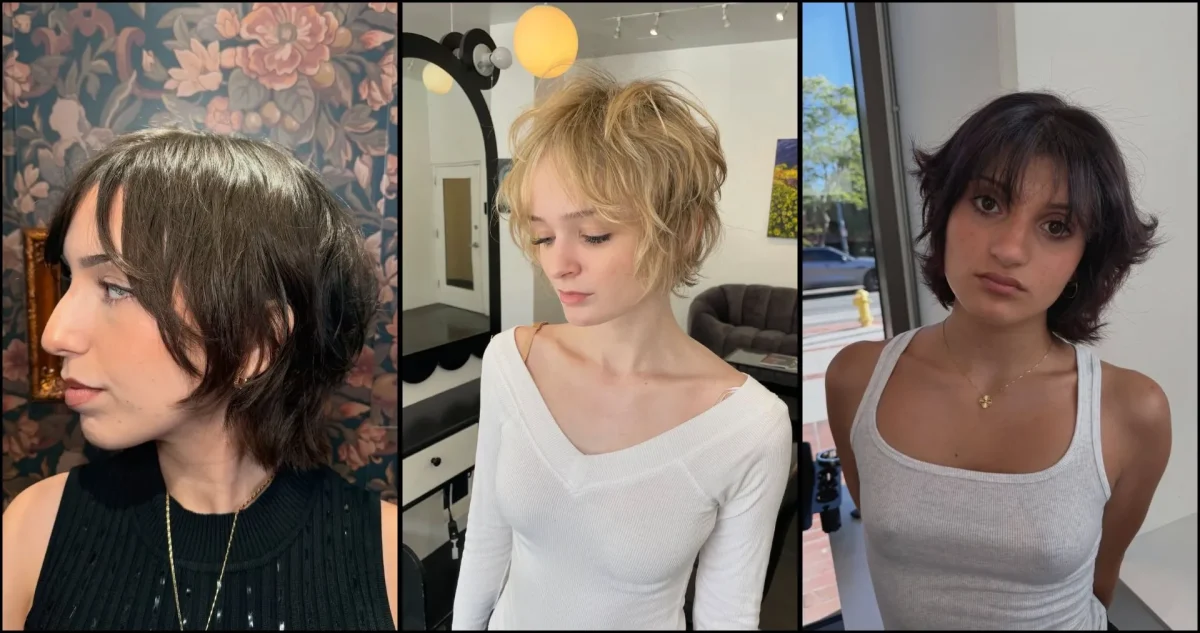
A bixie is the haircut for people who cannot choose between a pixie and a bob, and decide not to. It keeps the cropped shape around the ears and the nape that makes a pixie feel light, and leaves enough length through the crown and the fringe to move, tuck and part like a short bob. That balance is what makes it useful. A pixie grow-out can sit in an awkward in-between stage for months, and a short bob can feel heavy on fine hair; a bixie gives the grow-out a shape and gives fine hair the lift of a shorter cut without the commitment of a close crop.
The twenty-eight looks below cover the bixie the way people actually wear it: fine hair with a defined outline, curls with room to spring, thick hair with the weight taken out, and grow-out options for anyone coming from a pixie. There are versions for round, square and oval faces, for older hair, for glasses wearers, and for people who want the undercut release without showing it. Look at the back as well as the front in each photo — the nape and the crown are where a bixie either works or falls apart, so ask your stylist where the longest pieces will fall when your hair is dry.
What to know before you start
Bring front, side and back references to the appointment. Ask your stylist where the longest pieces will fall when dry, how the nape will be tapered and whether the crown needs weight or layering. A bixie is usually longer and softer around the face than a close pixie, but shorter and more broken-up through the back than a conventional bob. If you want a blunt one-length jawline, a bob may suit you better.
How to choose a bixie that fits your hair
Start by deciding which end of the bixie you want to sit closer to. A pixie-leaning bixie keeps the crown short, the nape close and the fringe choppy, which suits people who like the feeling of a short cut and do not mind a trim every month. A bob-leaning bixie keeps the sides near the jaw and the crown long enough to move, which suits people growing a pixie out or anyone who wants to tuck the hair behind their ears. The fringe sets the tone as well. A curtain bang or a side sweep keeps the cut soft and grows out easily, while an eyebrow-length or broken fringe gives the style its edge and needs more frequent trimming.
If your hair is fine, ask for a defined outline and restrained layering so the perimeter keeps its weight; too much thinning from the top flattens the shape and shows the scalp. Thick hair needs the opposite: selective internal layering behind the ears and at the crown, so the outline stays strong without looking puffy. Curls need room to spring up, which means leaving the crown longer than it looks when wet, since shrinkage shortens the length after drying. A tapered nape keeps the neck tidy, and an undercut hidden under the crown takes out weight where you feel it most, but it asks for more frequent trimming and a commitment to the shape.
Think about your mornings before the appointment. A bixie is a shape you style at the crown and the nape, so if you are happy to finger-style with a little product and a quick blast of the dryer, most versions will work for you. If you want to wash and go, ask for the version with the longest crown and the softest fringe, which forgives a day without styling. The cut grows out gracefully toward a bob, but plan on a tidy-up every four to six weeks to keep the nape and the ears in shape, since those areas lose their line first. Bring photos of the back as well as the front, and ask your stylist where the longest pieces will fall when your hair is dry.
1. Wispy-crown bixie for fine hair

View Instagram post by @shay.cuts.hair
Preserve perimeter weight so fine hair does not look sparse.
2. Soft curtain-bang bixie
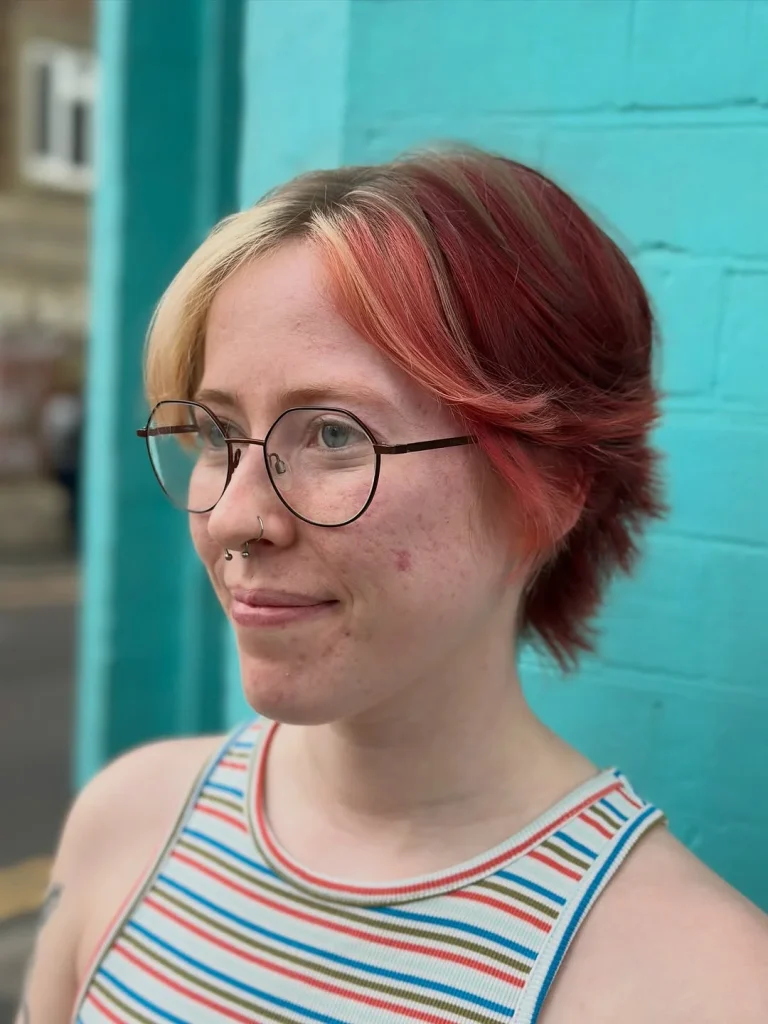
View Instagram post by @dead.end.blades
Leave the front long enough to part into two soft pieces while tapering the nape. Ask for the fringe to blend into the side layers rather than sit as a separate shelf. Dry the bangs forward first, then sweep them apart.
Account for fringe movement and growth patterns.
3. Curly rounded bixie
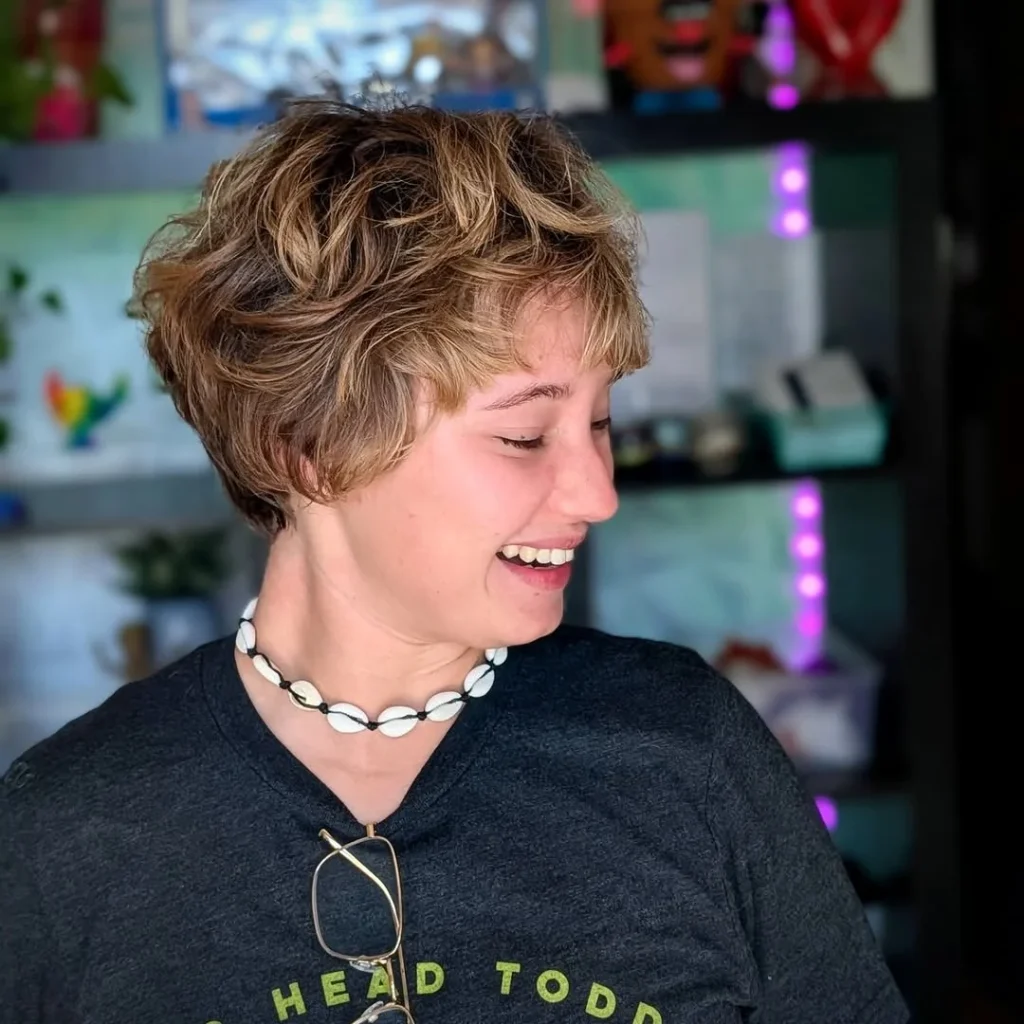
View Instagram post by @punkpixiehair
Shape the top into a rounded silhouette and taper the sides gently, allowing the curls to form a visible fringe. Have the stylist assess the dry curl pattern before choosing the final length. Scrunch in light gel and let curls set.
Check the shape on dry curls because shrinkage changes the length.
4. Coily tapered bixie
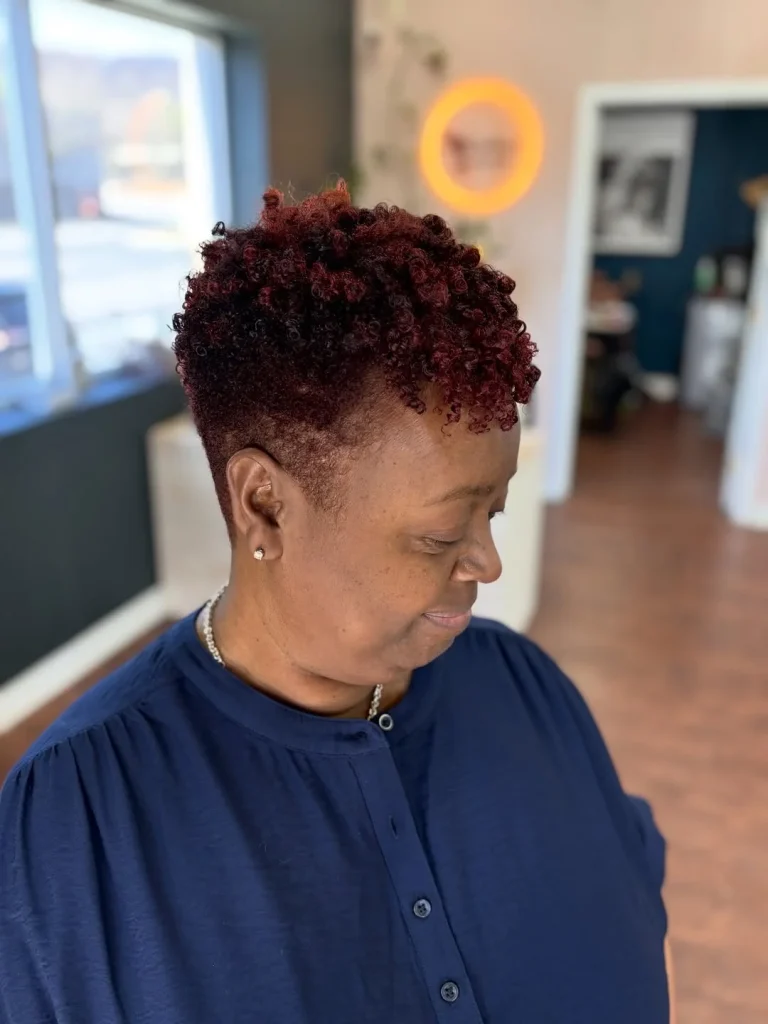
View Instagram post by @salon_zeal
Keep volume on top and a neat taper at the neckline, with enough side length to connect the shape. Shrinkage changes the visible outline, so agree on the dry result before cutting. Avoid tight brushing through dry coils.
Leave enough crown length for coils to form.
5. Feathered bixie over 50
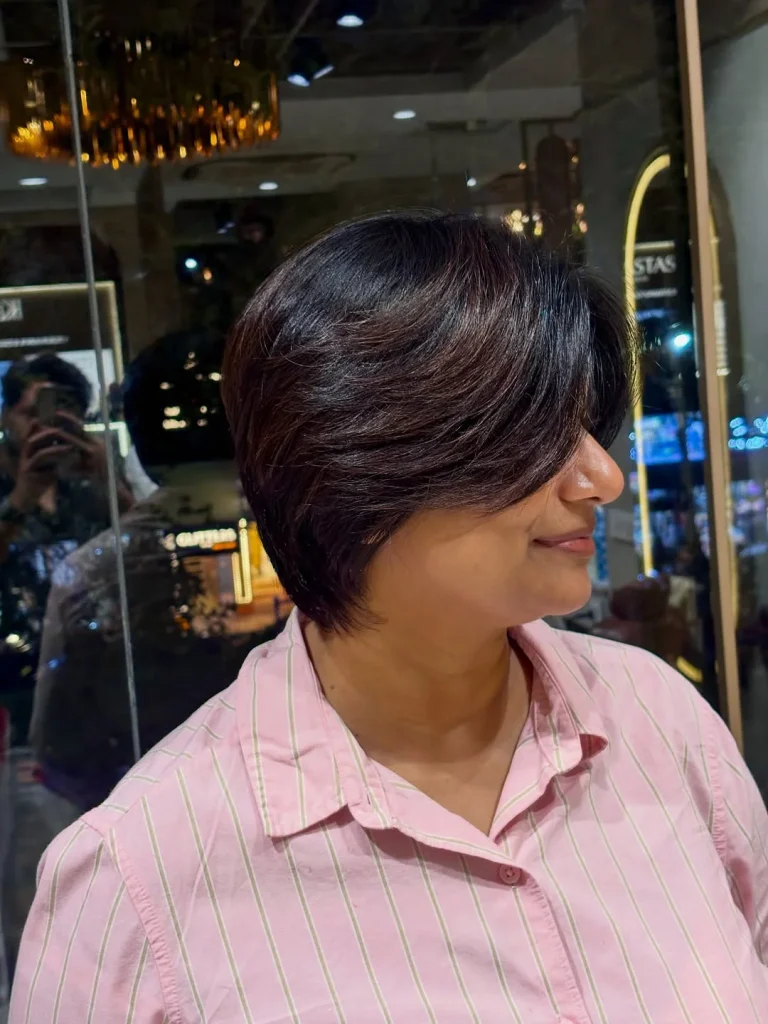
View Instagram post by @shoaibaart
Soft layers around the crown and cheekbones create movement without demanding a dramatic crop. Choose a fringe length that can be swept aside easily. A round brush at the roots can add shape without heavy teasing.
Concentrate feathering around the face instead of thinning every layer.
6. Textured bixie for thick hair
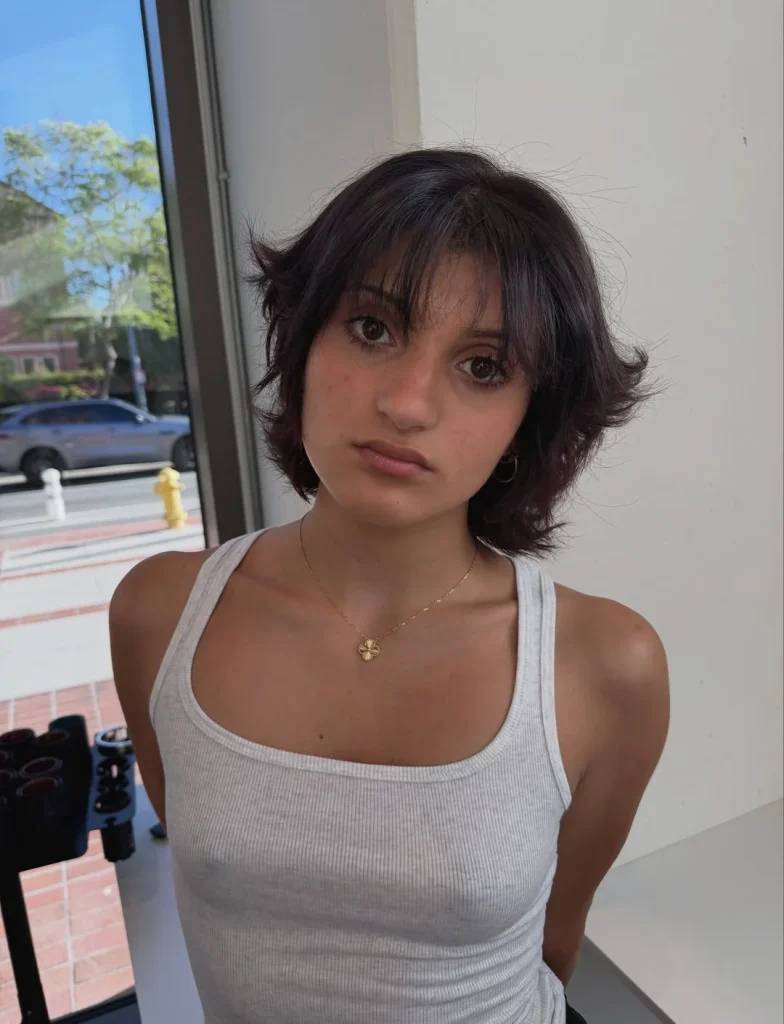
View Instagram post by @xenadefexhair
Use selective internal layering to reduce bulk behind the ears while keeping a strong outline. Too much thinning at the ends can make thick hair expand. Ask the stylist to check how the cut sits after air-drying.
Remove internal weight selectively to avoid a puffy crown.
7. Side-parted sleek bixie

View Instagram post by @jess.kardos
Keep one side longer across the forehead and tuck the shorter side behind the ear. A smooth blow-dry emphasizes the diagonal shape. Apply a small amount of smoothing cream only through the midlengths and ends.
Keep smoothing product light so the sides retain movement.
8. Choppy bixie with broken fringe
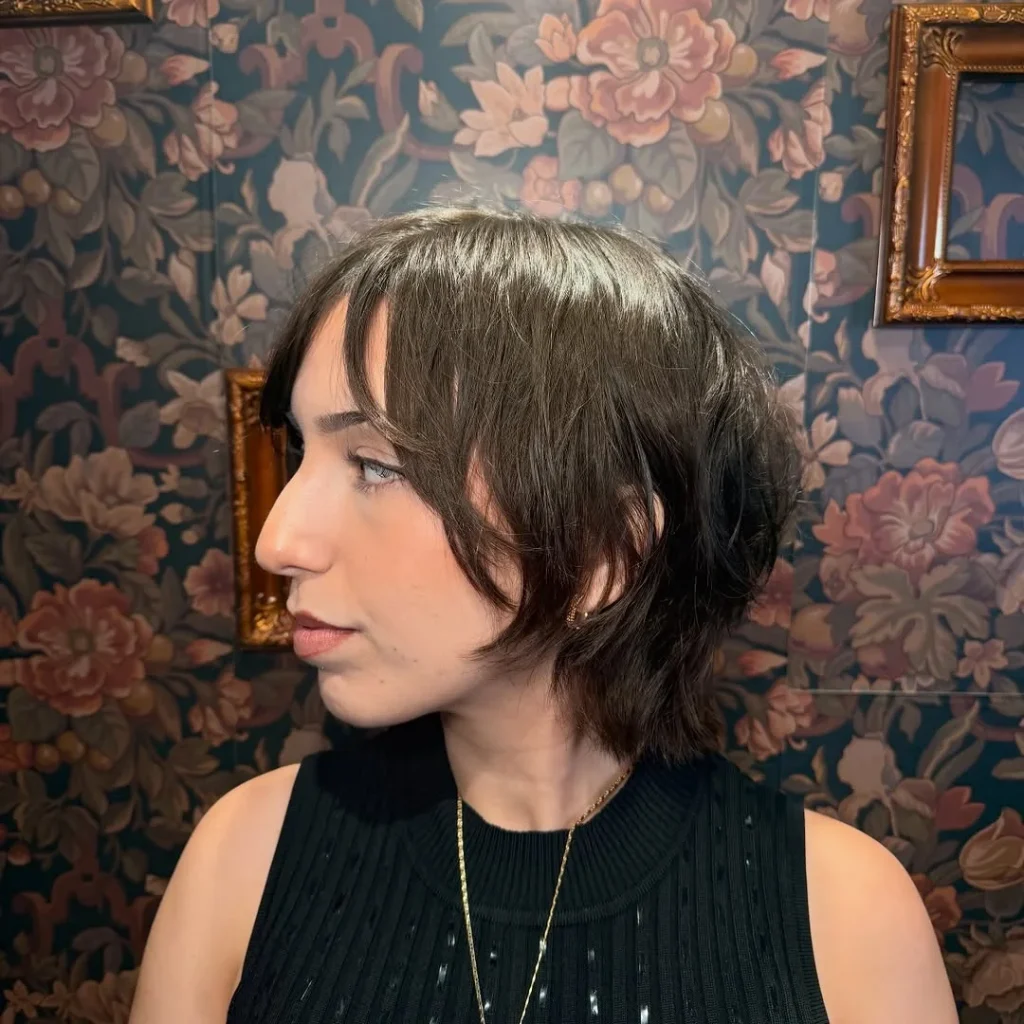
View Instagram post by @cutsbycookie
Cut short, irregular fringe pieces into a layered crown for a deliberately undone finish. Keep the pieces long enough to lie comfortably rather than standing straight up. Finger-style with a light matte paste.
Use a little matte paste on the ends, not the roots.
9. Long-nape grow-out bixie
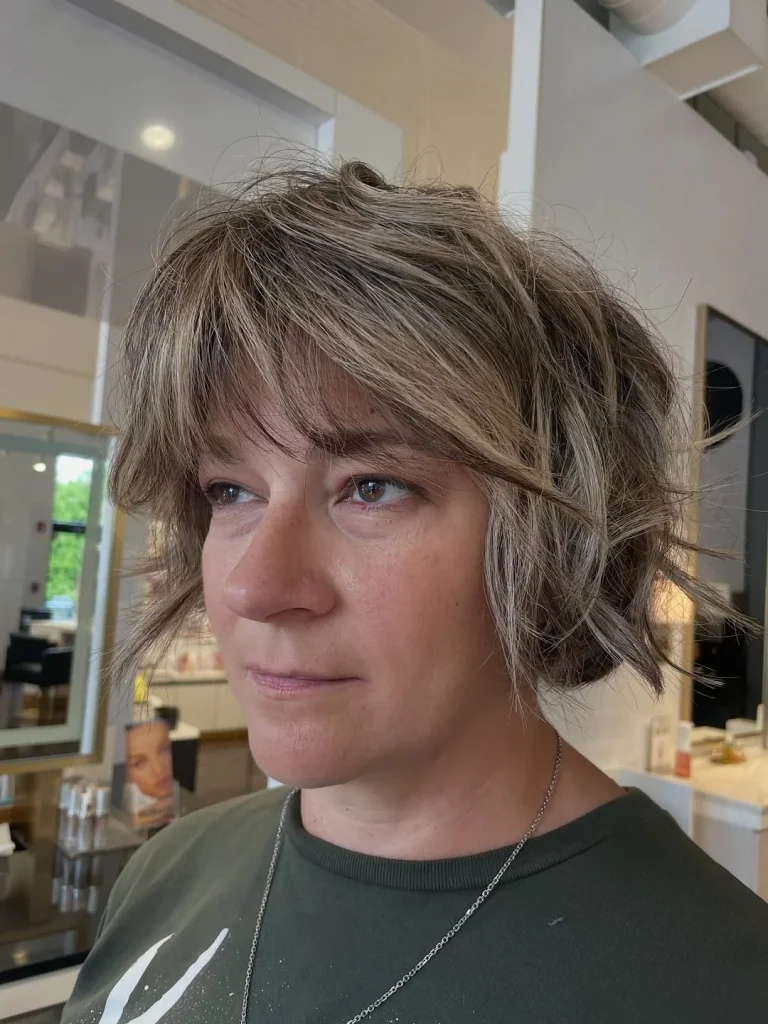
View Instagram post by @claire_federlin
When growing out a pixie, retain length around the ears and fringe while trimming the nape into a cleaner line. This prevents the back from becoming mullet-like unless that is your goal. Book small shaping trims rather than full recuts.
Trim the nape while allowing sides to grow longer.
10. Graduated fine-hair bixie
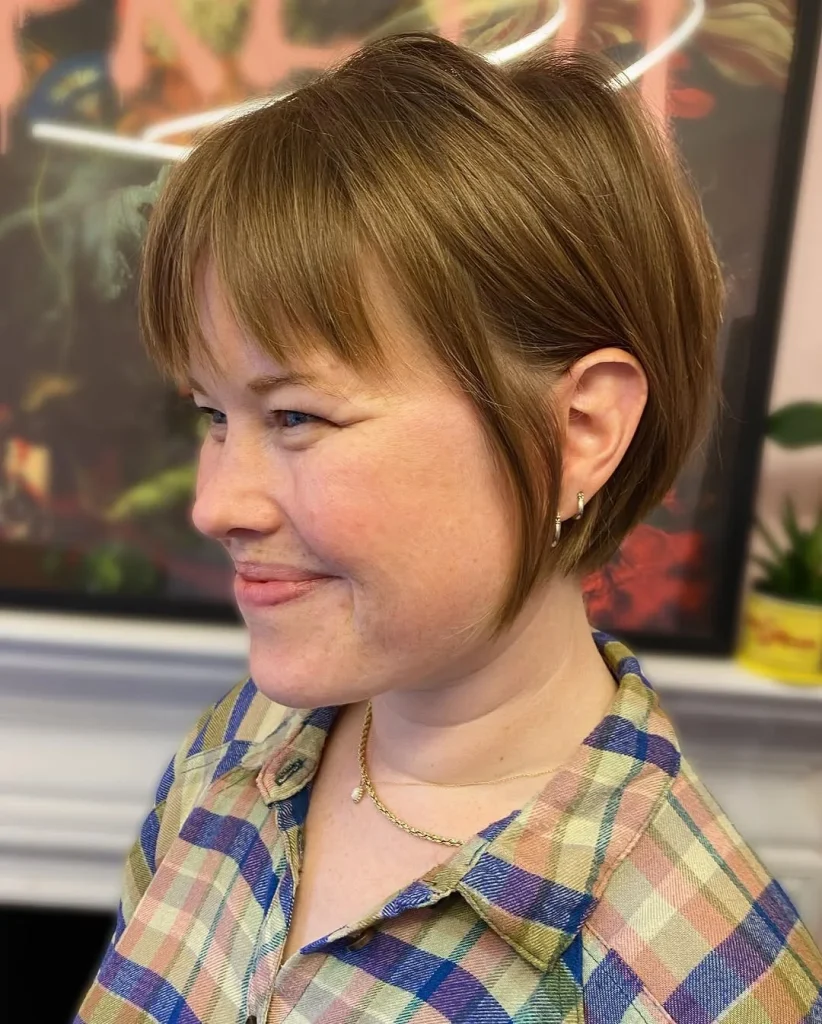
View Instagram post by @hannahpinkshair
Let the perimeter graduate toward the nape instead of holding one heavy line at the jaw. The ends taper to fine, soft points — longer in front of the ear, shorter behind it — so the outline stays light on fine hair. A smooth finish keeps the graduated edge tidy.
A tapered edge keeps fine hair light instead of weighing the outline down.
11. Asymmetrical bixie

View Instagram post by @teresahillhair
Leave one side a little longer near the cheekbone and taper the opposite side. The difference should be visible from the front. Confirm how the shorter side will behave when tucked behind the ear.
Keep one side long enough to tuck behind the ear.
12. Wavy air-dried bixie
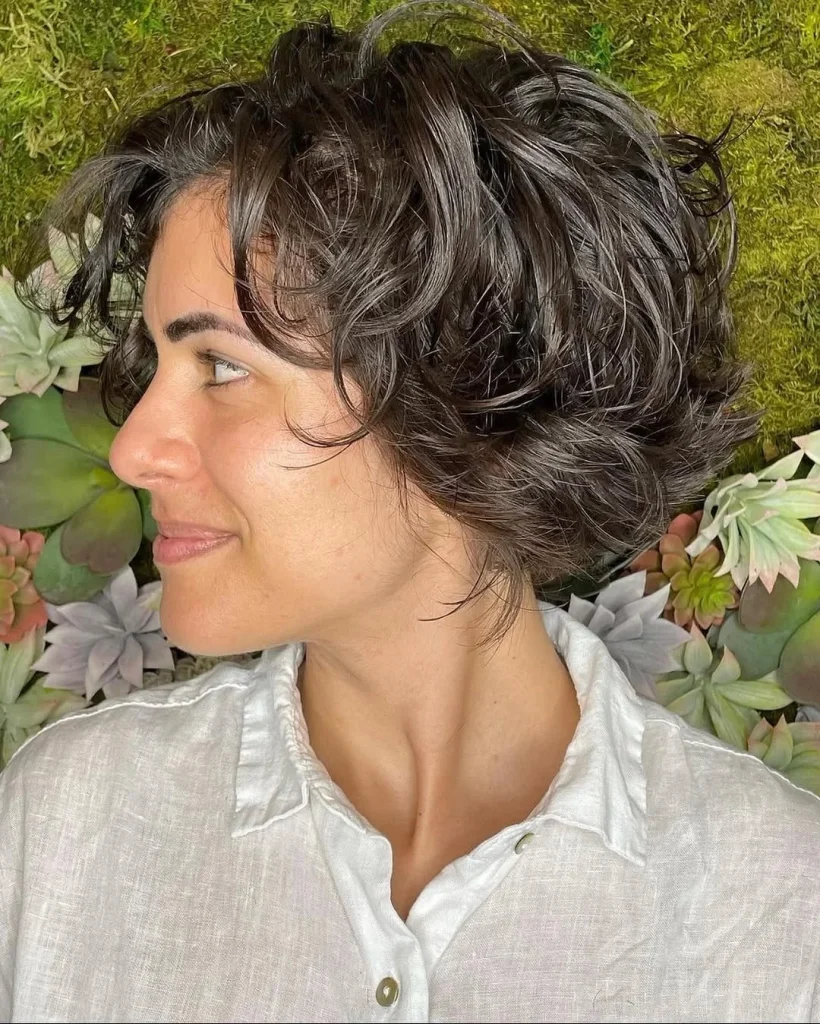
View Instagram post by @modesalongainesville
Keep enough length on top for natural S-waves to bend and taper the neckline for structure. Apply a small amount of curl cream to damp hair, then scrunch. Over-brushing after drying can separate the waves into frizz.
Scrunch damp waves and avoid touching them while drying.
13. Pixie-leaning cropped bixie
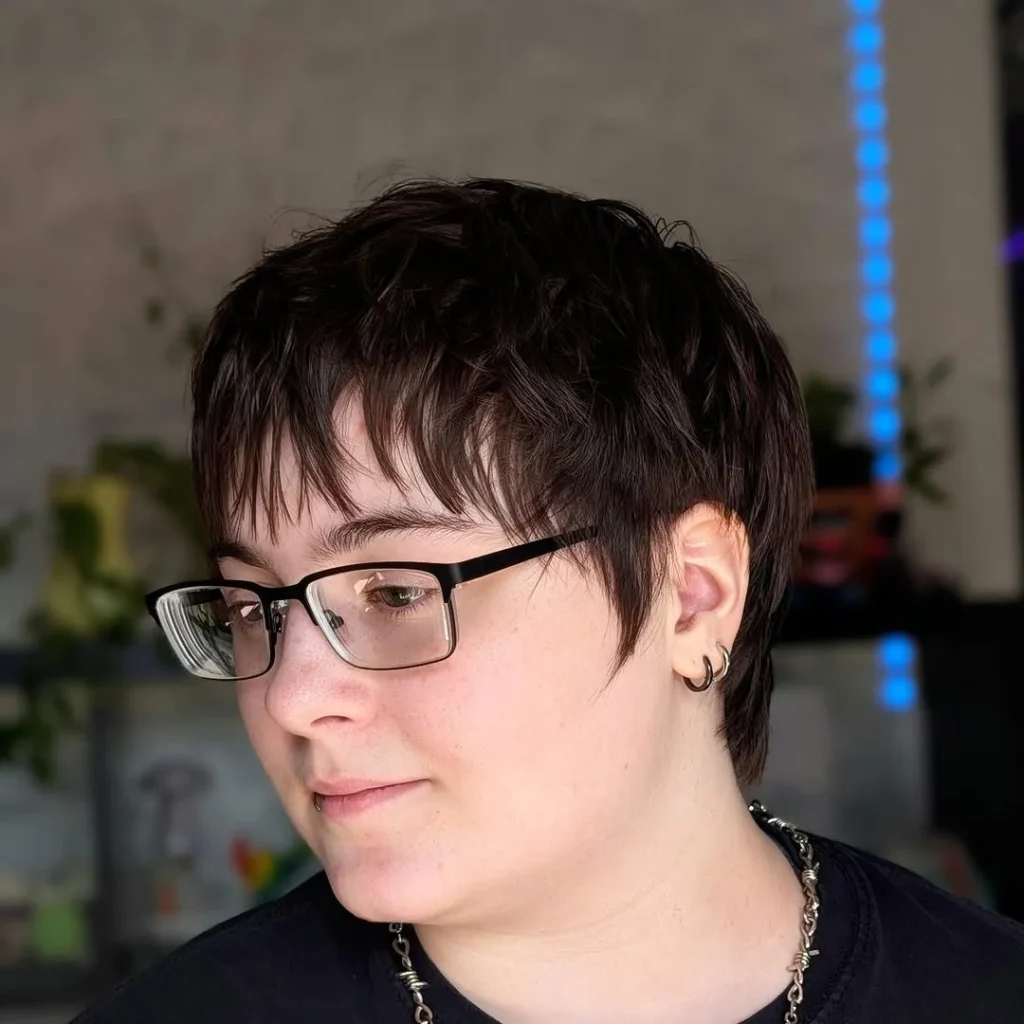
View Instagram post by @punkpixiehair
Choose a shorter crown and nape with longer face-framing pieces. This suits someone who wants the ease of a pixie while keeping some bob softness. Ask how often the neckline will need a trim.
Retain fullness near the ears so this remains a bixie.
14. Bob-leaning long bixie
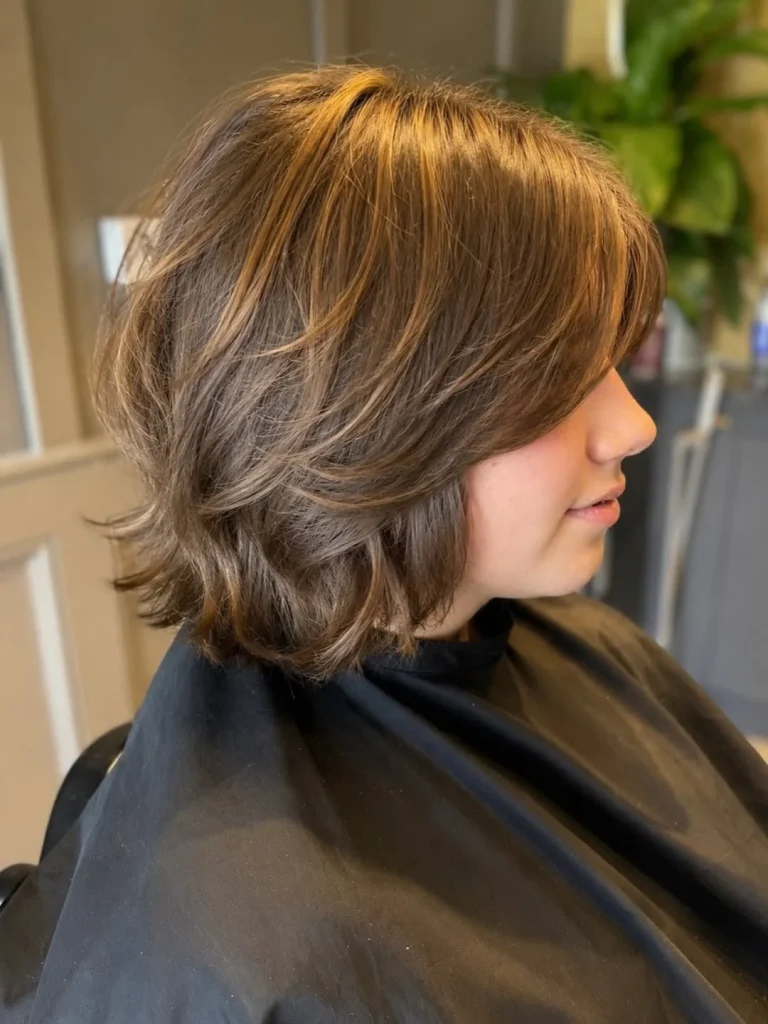
View Instagram post by @bohoswansea
Keep the sides near the jaw and use short layers through the back to avoid a solid bob shape. It can be a useful intermediate cut when growing hair longer. A round brush can bend the ends under.
Ask for movement rather than a blunt mini bob.
15. Bixie with eyebrow fringe
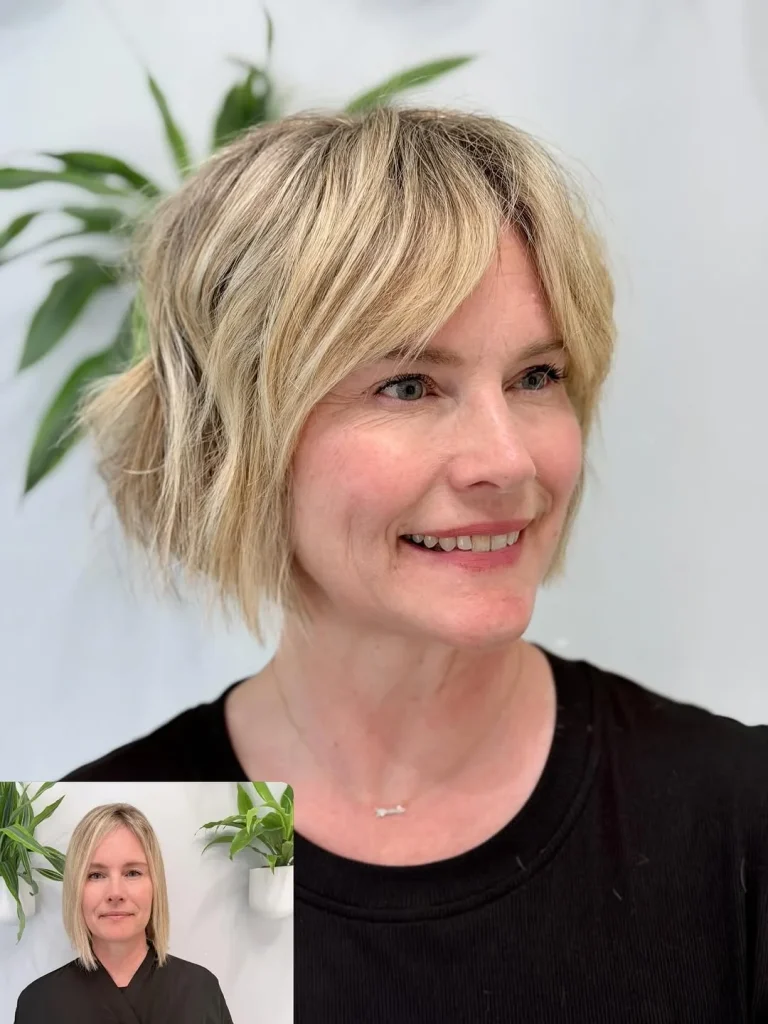
View Instagram post by @ivettegil_hair
A soft eyebrow-length fringe frames the eyes while the sides stay lightly tapered. Ask the stylist to cut the fringe with your usual part and growth pattern in mind. Trim bangs separately between full haircuts if needed.
Allow extra fringe length if your hair springs up.
16. Salt-and-pepper feathered bixie

View Instagram post by @cutsbybrooke_
Use feathered layers to show the natural variation in gray and dark strands. Keep the crown airy but leave enough weight at the sides to avoid gaps. A light cream helps separate the layers without dulling shine.
Use the natural silver pattern to guide the layering.
17. Deep side-swept bixie

View Instagram post by @nivthestylist
Leave a longer front panel that can sweep diagonally across the forehead. Keep the opposite side more compact to prevent the cut from looking like an even bob. Blow-dry the fringe in the direction it will sit.
A longer front section should still move freely.
18. Bixie for a round face

View Instagram post by @uglymughair
A slightly longer front and modest crown height can change the silhouette if that is the effect you want. Avoid cutting the side pieces shorter than intended before checking them dry. Face shape is a preference guide, not a rule.
Crown lift can balance a round silhouette if you prefer it.
19. Bixie for an oval face

View Instagram post by @margaretleros
An oval face can carry many fringe placements, so decide based on hair growth and styling time. Try a soft side fringe with a tapered back for an easy starting point. The haircut should still work when air-dried.
Choose fringe length for your routine, not rigid face-shape rules.
20. Bixie for a square jaw
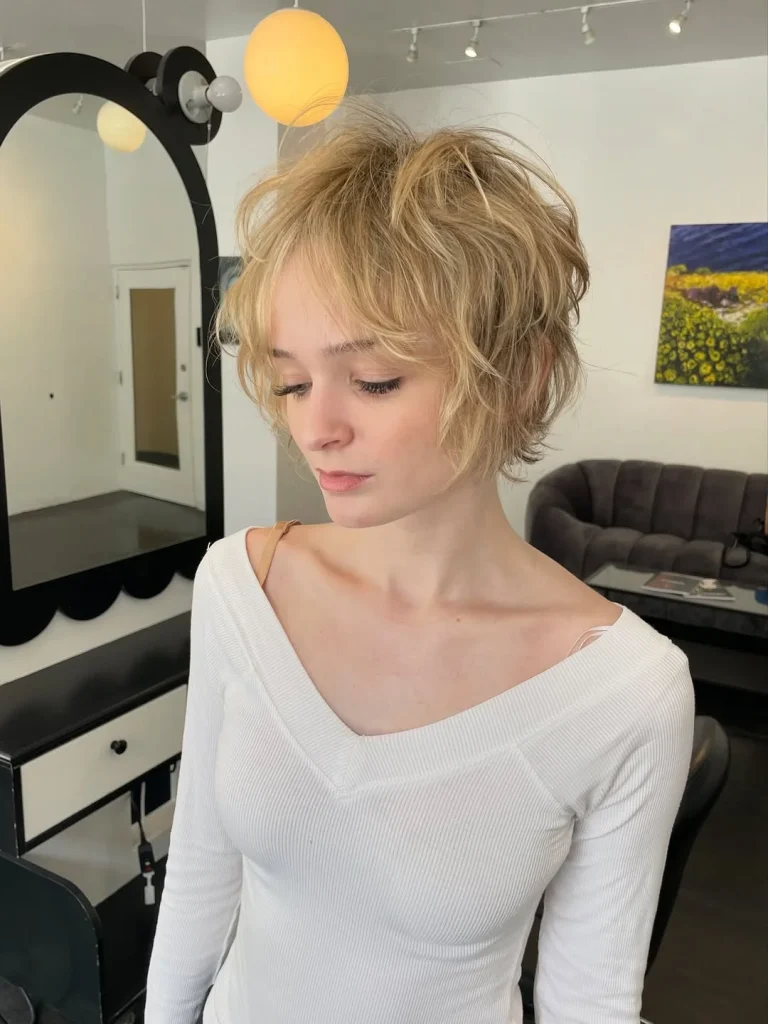
View Instagram post by @hairstylist_yama_
Soft pieces near the cheek and jaw can give a gentler outline, while a sharper fringe can emphasize angles. Neither choice is mandatory. Ask the stylist to show where the side length will land when dry.
Soft jawline layers are optional rather than mandatory.
21. Short curly fringe bixie

View Instagram post by @halocurlhg
Keep small curls at the forehead and a rounded crown, then taper the nape for contrast. Fringe shrinkage can be substantial, so cut conservatively and reassess after drying. Refresh the front with water rather than dry brushing.
Cut curly fringe conservatively and refine it dry.
22. Bixie with undercut nape
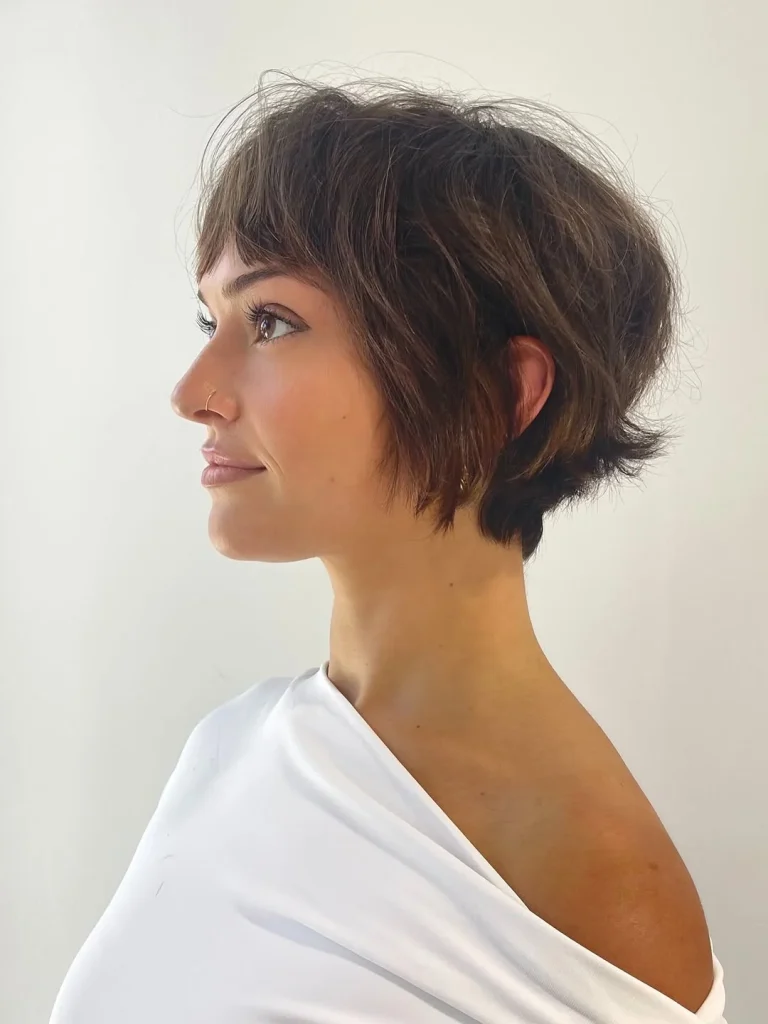
View Instagram post by @joeltorresstyle
A discreet undercut at the neckline removes bulk beneath a longer crown. It can feel cooler and lighter, but the undercut needs regular maintenance. Check whether it will show when you lift the hair.
An undercut nape needs more frequent maintenance.
23. Soft layered bixie over 60
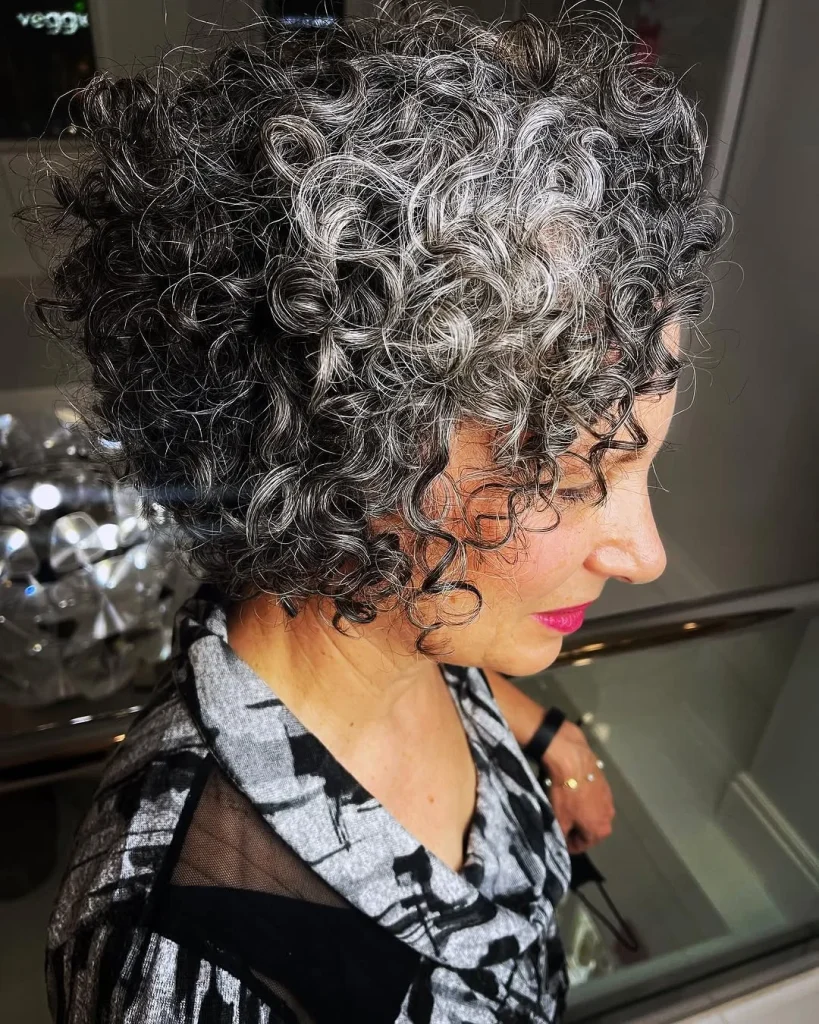
View Instagram post by @lepetitsalon_devacurl
Keep a comfortable neckline and soft layers that can be shaped with fingers. A slightly longer fringe gives styling flexibility between appointments. Choose the amount of volume based on density and routine, not age alone.
Avoid heavy razoring if the crown is already fine.
24. Bixie with ear-length sides
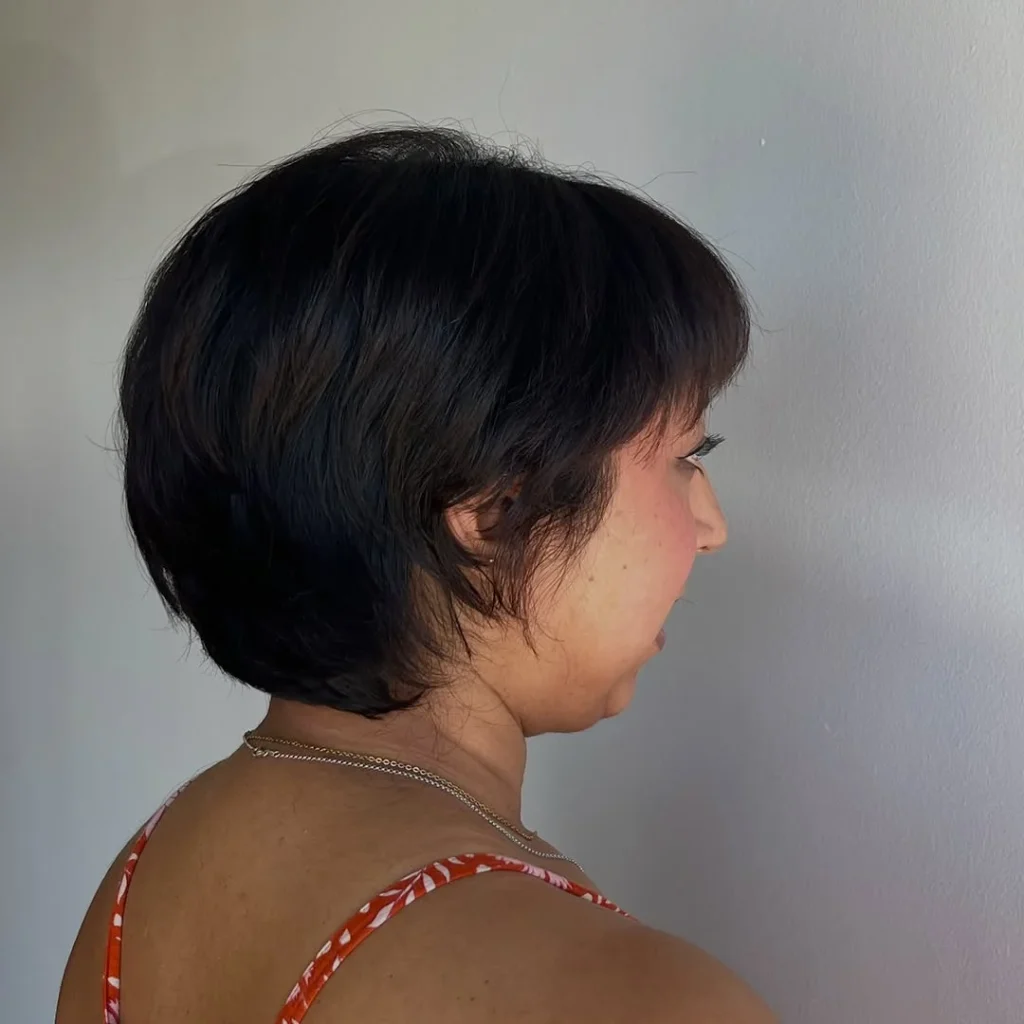
View Instagram post by @looks.byvaeh
Cut the side pieces to graze the ears and leave the crown a touch longer. The exposed ear makes the cut feel cropped even when the front is soft. Discuss whether you want both ears visible or one tucked side.
Ear-length sides offer a useful tuck-behind-the-ear option.
25. Bixie with long tapered sideburns

View Instagram post by @lainshairportfolio
Keep slim, tapered pieces in front of the ears while the back remains short. These details can soften the transition from fringe to neckline. Ask for clean tapering rather than thin, disconnected strands.
Check sideburn placement against glasses if you wear them.
26. Piecey bixie for straight hair

View Instagram post by @sylviestylist
Create small, separated layers at the top while retaining a controlled nape. Work a tiny amount of paste between the fingertips and pinch selected pieces. Too much product can make fine straight hair collapse.
Straight hair shows cutting lines, so ask for soft point-cut ends.
27. Bixie with a rounded back
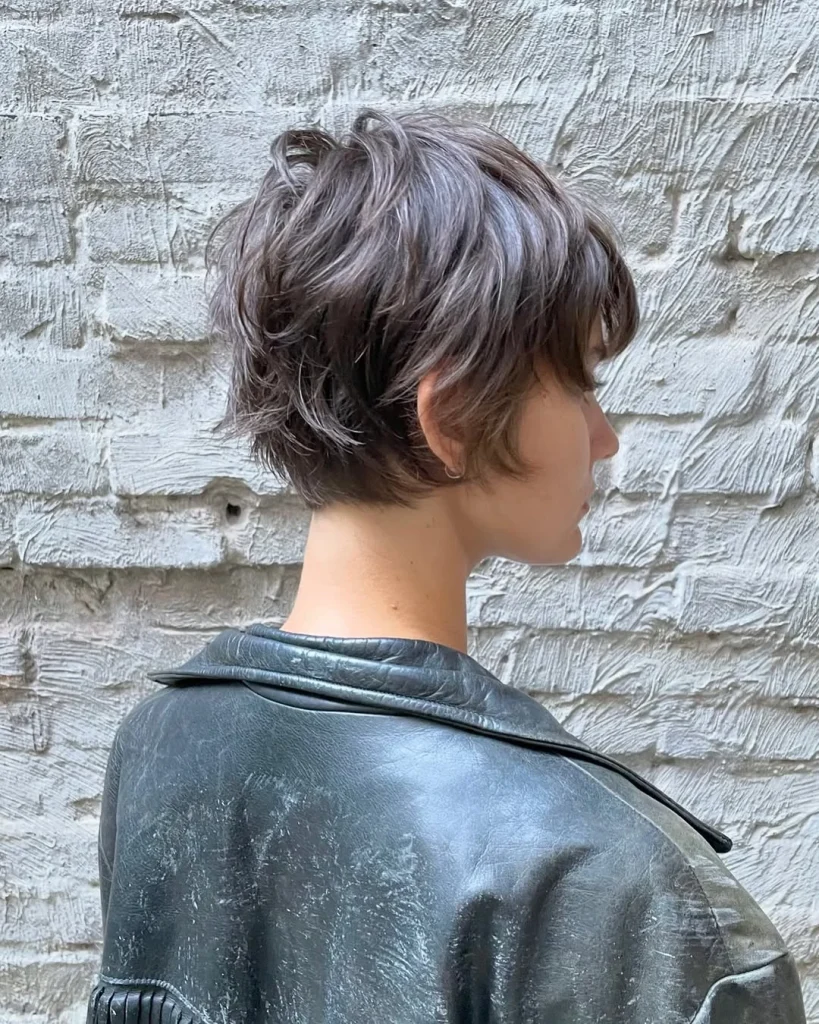
View Instagram post by @hairstylist_yama_
Shape the back into a gentle curve rather than a sharp stacked wedge. This keeps the silhouette soft from the side. Ask the stylist to show the rear profile, since it is easy to overlook in front-view photos.
A rounded back needs smooth graduation, not a stacked shelf.
28. Low-maintenance natural-texture bixie

View Instagram post by @maeveinjune
Choose a shape that follows your natural part and drying pattern, with just enough layering to prevent a bulky crown. Test how it falls without heat styling. A cut that needs daily straightening may not fit a low-maintenance routine.
Ask for a shape that works with your natural part.
What to ask for at the salon
Bring front, side and back photos of hair close to your own texture and density. Explain whether you prefer a cropped pixie-leaning bixie or a longer bob-leaning version. Fine hair often benefits from a fuller outline, while dense hair may need selective internal layering. Discuss fringe length, cowlicks and curl shrinkage before cutting.
Styling and grow-out
For straight or fine hair, apply a little lightweight mousse at the roots and direct airflow across the crown. Scrunch wavy hair with a small amount of cream and let it dry before separating pieces. Style curls on damp sections with a product suited to their moisture needs. Short napes and fringes often need tidy-ups sooner than longer bixies; four to eight weeks is a common maintenance range, depending on the desired outline. When growing out a pixie, refine the nape while preserving side and crown length.
Who may prefer a different haircut?
If you want a single blunt line at the jaw, a classic bob will preserve more weight. If you want a wash-and-go crop with almost no fringe styling, a shorter pixie may be easier. Dense curls and coils can absolutely work in a bixie, but the stylist should plan around shrinkage and your preferred dry shape.
Growing a pixie into a bixie
Let the top and sides gain length while trimming the nape just enough to keep a deliberate outline. Once the front reaches the ears, ask for connecting layers rather than removing the new length. The transition is rarely even, so check the side and back views at each appointment.
Frequently asked questions
Will this work with fine hair?
Yes, provided the shape retains enough weight and the styling products stay light. Fine hair often needs a firmer perimeter or smaller anchors rather than aggressive teasing.
How much maintenance should I expect?
That depends on your length, texture and preferred finish. Try the style on an ordinary day before relying on it for an event, and ask your stylist which sections need the most attention between appointments.
Is a bixie good for thick hair?
Yes, if the weight is taken out selectively. Too much thinning from the top flattens the shape, but internal layers behind the ears and a tapered nape keep the outline strong without the puffiness. Ask your stylist to remove weight only where the hair feels heavy and to leave the crown alone.
How often does a bixie need a trim?
Most bixies need a trim every four to six weeks, since the nape and the ears lose their line before the crown does. A bob-leaning bixie with a longer crown can usually stretch a week or two longer, while a pixie-leaning bixie with an undercut needs the most frequent visits. If the outline still looks deliberate a month after your appointment, your stylist built in enough length.
Can a bixie be grown out into a bob?
Yes, and this is where a bixie is most useful: it is the shape a growing pixie passes through. Let the crown and sides gain length while the nape gets just enough of a tidy-up to keep the outline deliberate. Once the sides reach the jaw, you can decide whether to keep the bixie length or grow it into a bob.
Related guides
Compare pixie bob haircuts, modern pixie cuts, growing out pixie hairstyles, short and medium layered haircuts for nearby cuts and styling options.
Styling and upkeep
A bixie is styled at the crown and the nape. Start with damp hair and a heat protectant, then work a pea-sized amount of lightweight mousse or cream through the crown and direct the airflow upward with a small round brush or your fingers. The nape needs a quick pass with a flat brush or a straightener to keep the line clean. A pinch of matte paste rubbed between the palms and worked through the ends adds movement to straight hair without weighing it down, and a light texture spray gives fine hair the grip it needs. Curls do best with a curl cream scrunched in and left alone while drying, or a quick diffuse if you need definition at the fringe.
Trim the nape and the outline every four to six weeks, or sooner if the shape starts to creep over the ears or the collar. Between appointments, use a light shampoo and a conditioner that rinses clean, and avoid heavy oils and waxes at the roots, where they flatten the crown. How do you know if it is working? If the shape sits right with a quick brush-through and a touch of product, it is. If the nape needs a straightener every morning, the cut is probably too long through the back, and a tidy-up will fix it faster than any product.
The best bixie is the one that behaves on your mornings as well as it looks in the mirror: a crown that holds its shape without much styling, a nape that stays neat between trims, a fringe you can wear without thinking about it. The twenty-eight looks above cover fine and thick hair, curls and coils, round, oval and square faces, and every stage of growing a pixie out. Save two or three photos you like and bring them to your stylist, with a note of whether you want it to lean pixie or lean bob — that note is what makes the appointment a cut rather than a guess.