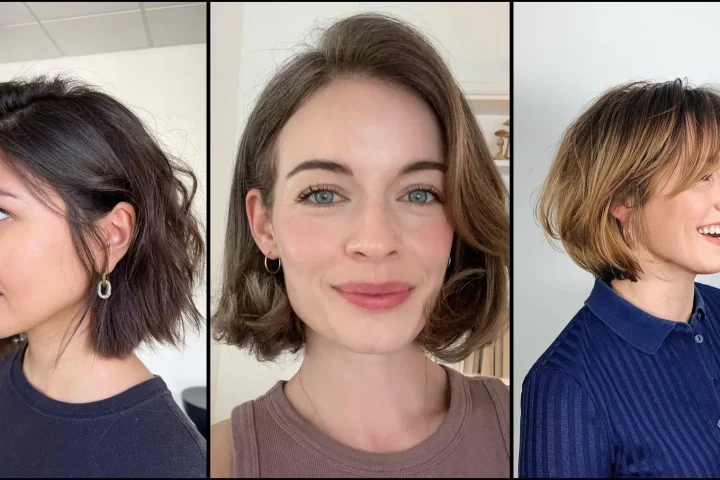
A French bob is short enough to feel like a real haircut change, but there is room to make it your own. Some versions stop at the cheekbones, others skim the jaw, and a softer grown-out cut reaches toward the neck. Wispy bangs are a favorite detail, though the shape also works beautifully without fringe.
The best version depends on how your hair falls when it is dry. Fine strands often benefit from a more solid edge; thick hair may need some weight taken out inside the cut. If you have curls, the dry length matters more than the wet length because shrinkage can change where the bob sits.
These 30 French bob ideas cover bangs, no-bangs shapes, natural texture, curly hair, and easy ways to style the cut. Use them as a starting point for a conversation with your stylist, not as a rulebook for what each face shape can wear.
Which French bob should you ask for?
| Your starting point | Consider this cut |
|---|---|
| Fine hair that falls flat | Blunt French Bob for Fine Hair |
| Thick hair with too much bulk | Softly Debulked French Bob for Thick Hair |
| Natural ringlets | Curly French Bob for 3A, 3B, or 3C Curls |
| Not sure about fringe | Sleek French Bob Without Bangs |
| Want a soft face frame | Classic Jaw-Length French Bob With Wispy Bangs |
| Not ready for a short jaw cut | Neck-Grazing Grown-Out French Bob |
One helpful habit: save examples that show the side and back, not just a front-facing photo. The neckline determines a lot of how a short bob feels in everyday life.
Classic Jaw-Length French Bob With Wispy Bangs

View Instagram post by @fringehairsalonandspa
This version ends around the jaw and pairs a neat perimeter with a light, separated fringe. The wispy bangs show a little forehead rather than forming a solid block, which keeps the haircut relaxed.
Best for: Straight to softly wavy hair.
What to ask your stylist: Ask for a jaw-length bob with a fairly full baseline and airy fringe that can move across the forehead.
Styling tip: Blow-dry the fringe first, then shape the ends with a small round brush.
Cheekbone-Length French Bob

View Instagram post by @handoverfisthair
An extra-short bob that sits close to the cheeks has a more dramatic outline than a chin-length cut. Small differences in length matter here, so check where the shortest pieces will fall when dry.
Best for: People comfortable with a short, face-framing haircut.
What to ask your stylist: Bring a reference showing the exact cheekbone length, including side and back views.
Styling tip: Use a tiny amount of smoothing cream on the ends instead of piling on volume.
Textured Brunette French Bob

View Instagram post by @rachelwstylist
A dark brunette cut with fine point-cut texture looks softly broken up around the ends rather than blunt and heavy. The shape should still read as a bob; too many layers can make it feel like a short shag.
Best for: Naturally wavy hair and anyone who wants movement.
What to ask your stylist: Ask for a jaw-skimming baseline with subtle texture confined mainly to the ends.
Styling tip: Work in a little lightweight mousse and scrunch before air-drying.
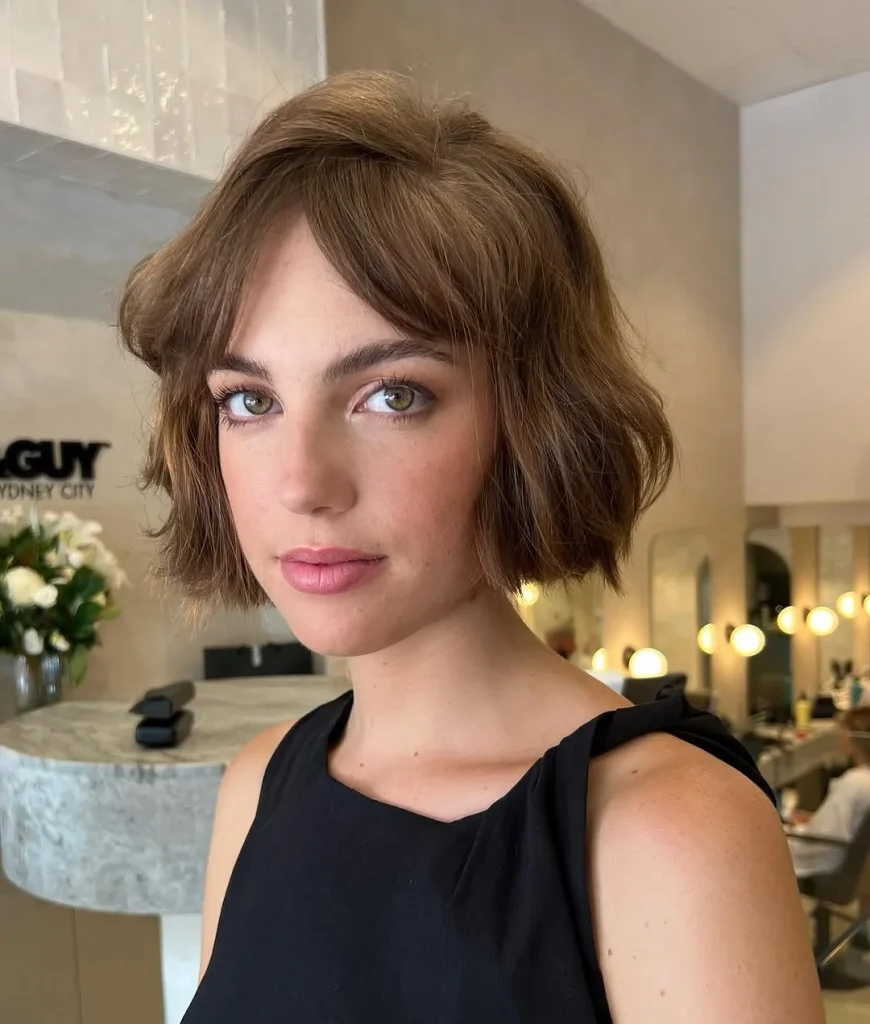
Wavy French Bob With a Side Part
View Instagram post by @toniandguyau
A slight side part gives relaxed waves room to fall across the forehead without adding permanent bangs. Keep the back compact and the front soft for an easy, wearable shape.
Best for: Wavy hair that forms loose S-bends.
What to ask your stylist: Request a chin-length bob that works with your natural parting and wave pattern.
Styling tip: Try a diffuser on low airflow, then separate waves with your fingers.
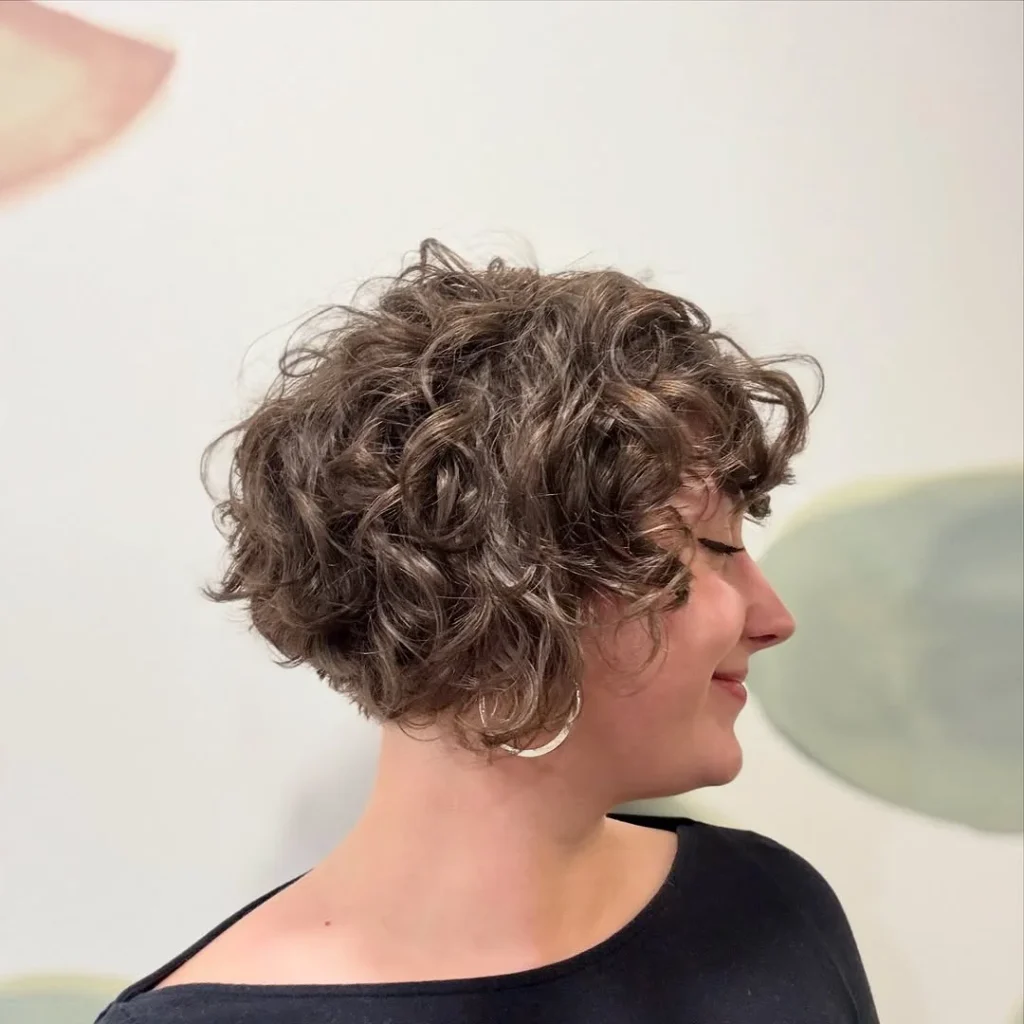
Curly French Bob for 3A Curls
View Instagram post by @danalovesmycurls
Loose spiral curls can give a French bob a rounded shape with movement near the jaw. Cut length needs to account for how much the curls bounce up after drying.
Best for: Defined loose spirals.
What to ask your stylist: Ask for a dry-length check at the jaw and shaping that avoids a triangular silhouette.
Styling tip: Apply curl cream on wet hair and let the coils settle before judging the final length.
Curly French Bob for 3B Curls

View Instagram post by @aoki_hair
Springier ringlets create more volume at the sides, so a bob may sit higher than it looks while wet. Slightly curved shaping around the ears can keep the haircut from appearing boxy.
Best for: Springy ringlets and medium-density curls.
What to ask your stylist: Ask your stylist to assess shrinkage and balance the shape after the hair is dry.
Styling tip: Diffuse gently or air-dry without brushing out the ringlets.
Curly French Bob for 3C Curls

View Instagram post by @angie_hunt_
Tighter corkscrew curls give a short bob a lively, rounded outline. A stylist who understands your shrinkage can decide whether the final dry length should sit at the chin or slightly above it.
Best for: Tight curls with natural volume.
What to ask your stylist: Discuss a curl-by-curl or dry-shaping approach and show the desired dry silhouette.
Styling tip: Use a leave-in product that suits your hair, then avoid manipulating the curls as they dry.
Sleek French Bob Without Bangs

View Instagram post by @philly_hair_stylist
A center-parted French bob can look crisp and simple without fringe. The focus moves to the smooth line of the cut and how the front pieces sit around the jaw.
Best for: Straight hair and anyone avoiding fringe maintenance.
What to ask your stylist: Ask for a clean chin-length baseline with the front long enough to tuck behind the ears.
Styling tip: Blow-dry downward with a nozzle and a heat protectant if you use heat.
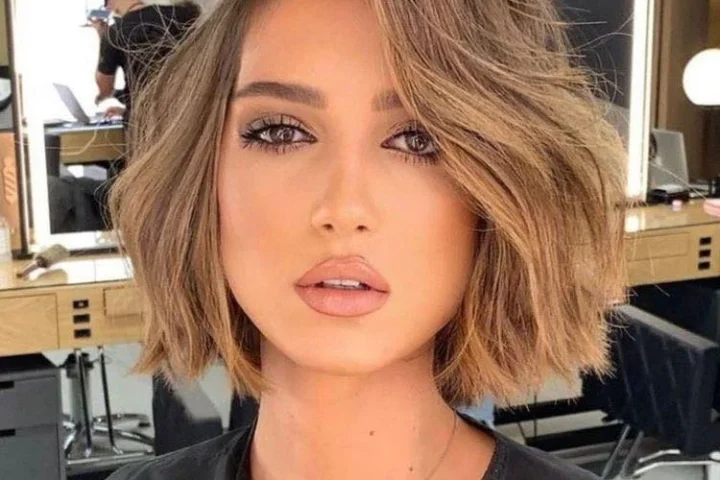
Side-Parted French Bob Without Bangs
View Instagram post by @trendhaircuts
A side part changes the shape without changing the cut. The heavier side falls across one cheek, while the shorter side can be tucked away for an asymmetrical effect.
Best for: Fine or medium hair that naturally favors a side part.
What to ask your stylist: Request a jaw-length bob cut to sit well with your usual side part.
Styling tip: Move the part slightly while drying to see where you get the most comfortable volume.
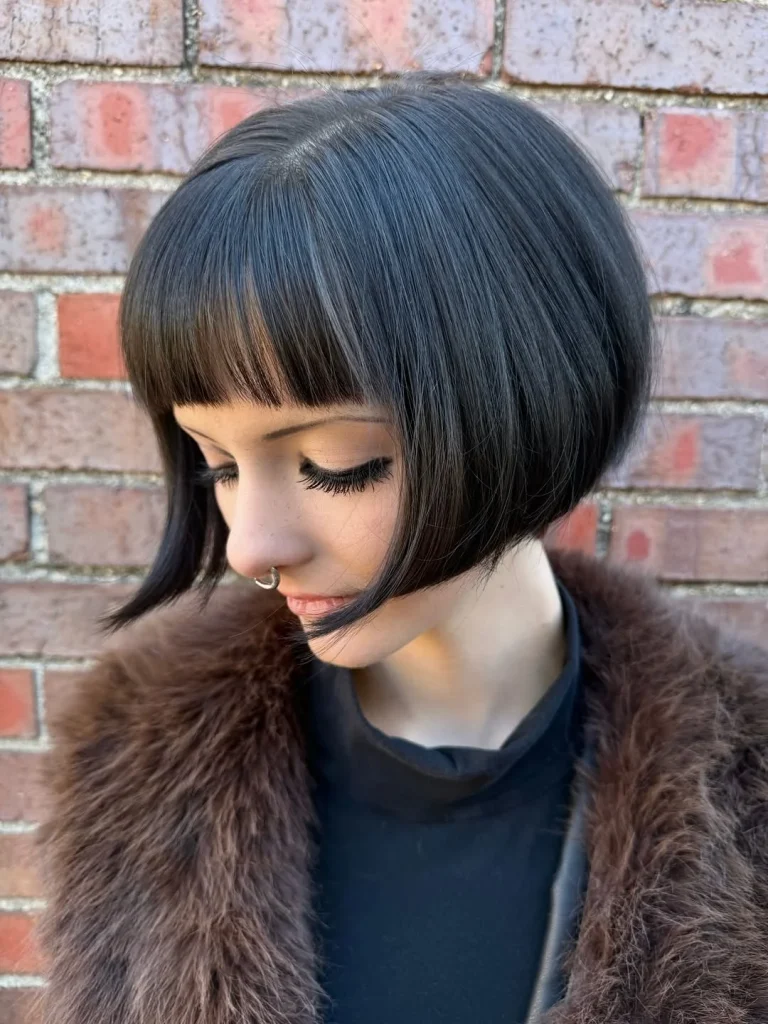
Blunt French Bob for Fine Hair
View Instagram post by @caily_haircraft
A tidy perimeter helps fine strands gather into a stronger-looking edge. Keeping layers minimal can prevent the ends from becoming wispy, especially when the bob sits just below the chin.
Best for: Fine, straight or lightly wavy hair.
What to ask your stylist: Ask for a full, blunt perimeter and only the lightest internal texture if needed.
Styling tip: Use root spray sparingly and avoid heavy oils near the crown.
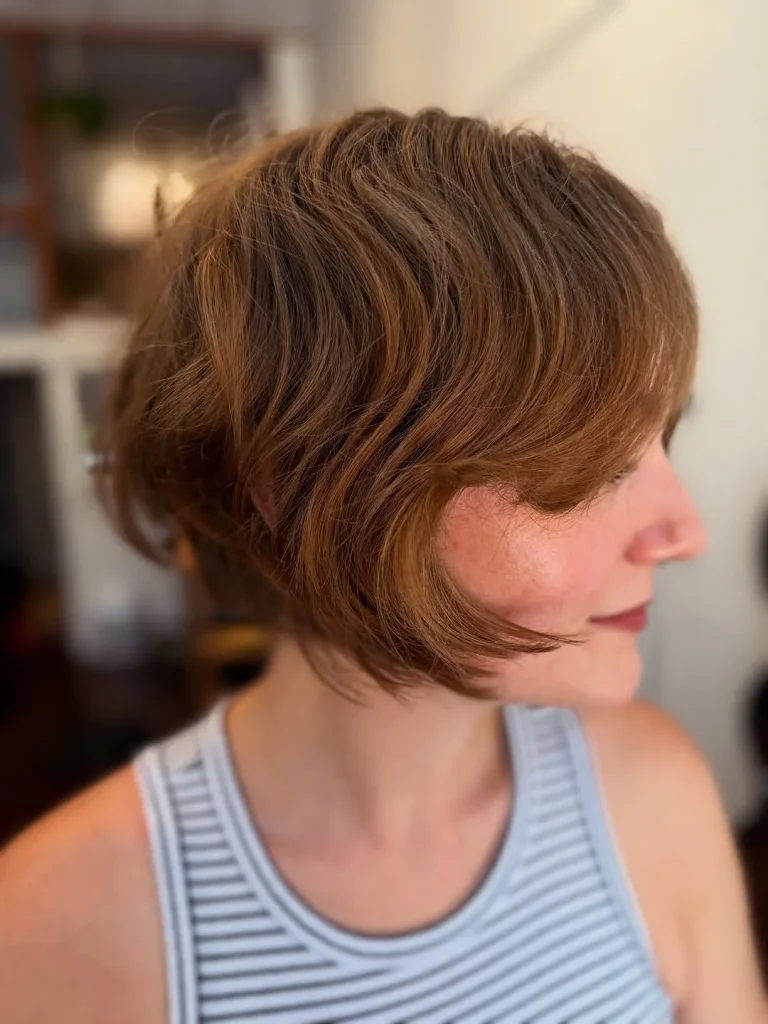
Softly Debulked French Bob for Thick Hair
View Instagram post by @hairbyjasiel
Very thick hair may need weight removed inside the haircut so the sides do not expand into a wide wedge. The visible edge can remain polished while the interior feels lighter.
Best for: Thick, dense hair.
What to ask your stylist: Ask how the stylist plans to remove bulk without making the ends look sparse.
Styling tip: Dry in sections, directing airflow downward to control the sides.
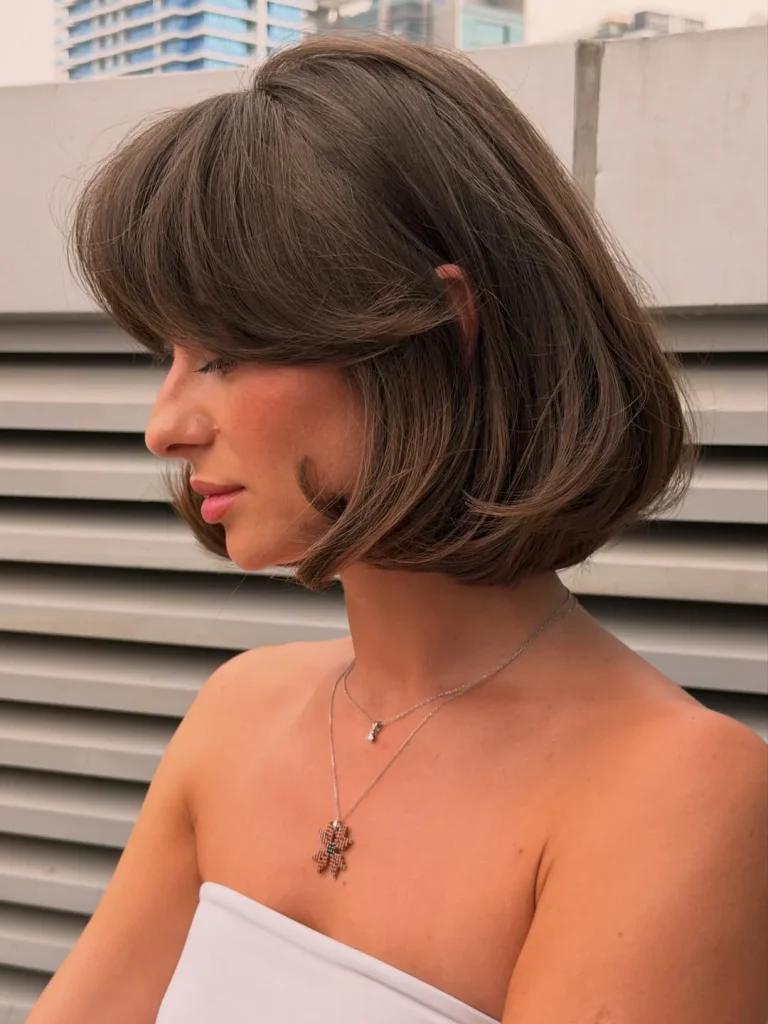
Airy French Bob With Curtain Fringe
View Instagram post by @mohamad_hairart
A short center-split fringe creates a softer face frame than straight-across bangs. The fringe should connect into the front of the bob instead of appearing like two separate long pieces.
Best for: People growing out bangs or trying fringe for the first time.
What to ask your stylist: Request a short curtain fringe that opens above the brows and blends into the cut.
Styling tip: Dry the fringe forward before splitting it gently down the middle.
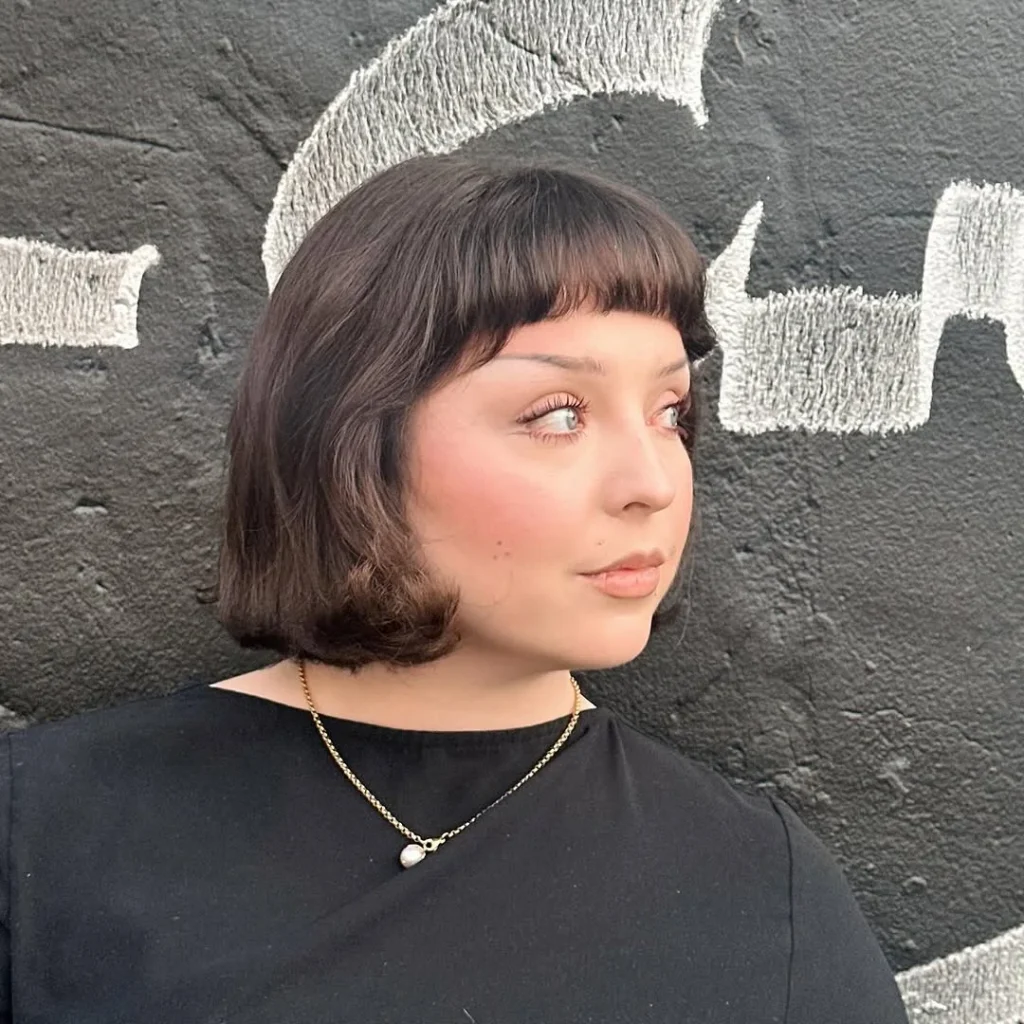
Micro-Bang French Bob
View Instagram post by @_hair_ah_
Micro bangs sit well above the eyebrows and make a traditional bob feel graphic. Because they draw attention to the forehead, it helps to test their proposed length against your hairline and growth pattern.
Best for: Anyone who wants a bold fringe.
What to ask your stylist: Ask your stylist to account for cowlicks and cut the micro fringe gradually.
Styling tip: Comb the short fringe into place while damp, before it dries in a different direction.
Eyebrow-Skimming French Bob

View Instagram post by @latesthair
A fringe that brushes the eyebrows gives a French bob a familiar Parisian-inspired outline. Keep the ends of the bangs slightly separated if you prefer softness rather than a heavy block.
Best for: Straight or lightly wavy hair.
What to ask your stylist: Request an eyebrow-length fringe with room to shorten as it dries.
Styling tip: Style bangs with a small brush and just enough airflow to flatten unwanted bumps.
Side-Swept Bangs French Bob

View Instagram post by @alexandredeparis_salons
Side-swept bangs curve across the forehead and make a strong alternative to a straight fringe. Their length can connect naturally into the bob for easier growing out.
Best for: People who prefer flexible fringe.
What to ask your stylist: Ask for a soft diagonal bang that still blends when tucked back.
Styling tip: Blow-dry the fringe in both directions briefly, then sweep it to your preferred side.
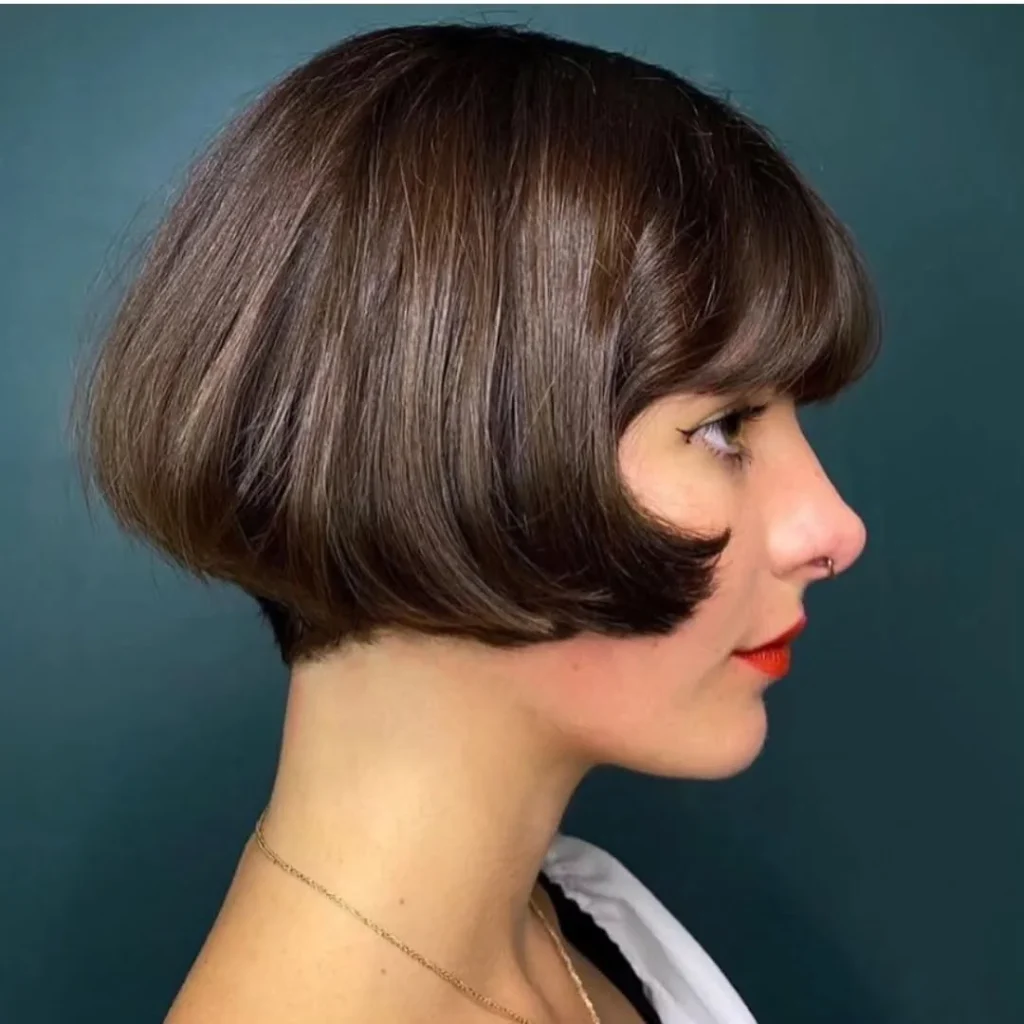
French Bob With Rounded Ends
View Instagram post by @cropped2perfection
The ends bend gently inward to create a softly rounded silhouette. It has a slightly retro quality without needing a dramatic flipped finish.
Best for: Straight or lightly textured hair.
What to ask your stylist: Ask for a chin-length bob with enough weight to curve inward rather than heavily feathered ends.
Styling tip: Turn just the tips inward with a round brush; skip excessive teasing.
Piecey French Bob With Light Layers

View Instagram post by @shirleythornhillhaircoach
Short, subtle layers give the surface a little separation around the cheeks. Keep the layers light enough to preserve a recognizable bob shape instead of drifting into a pixie-shag.
Best for: Medium-density hair and relaxed styling.
What to ask your stylist: Request delicate surface texture without losing the bottom weight line.
Styling tip: Rub a pea-sized amount of styling paste between your hands and touch only the ends.
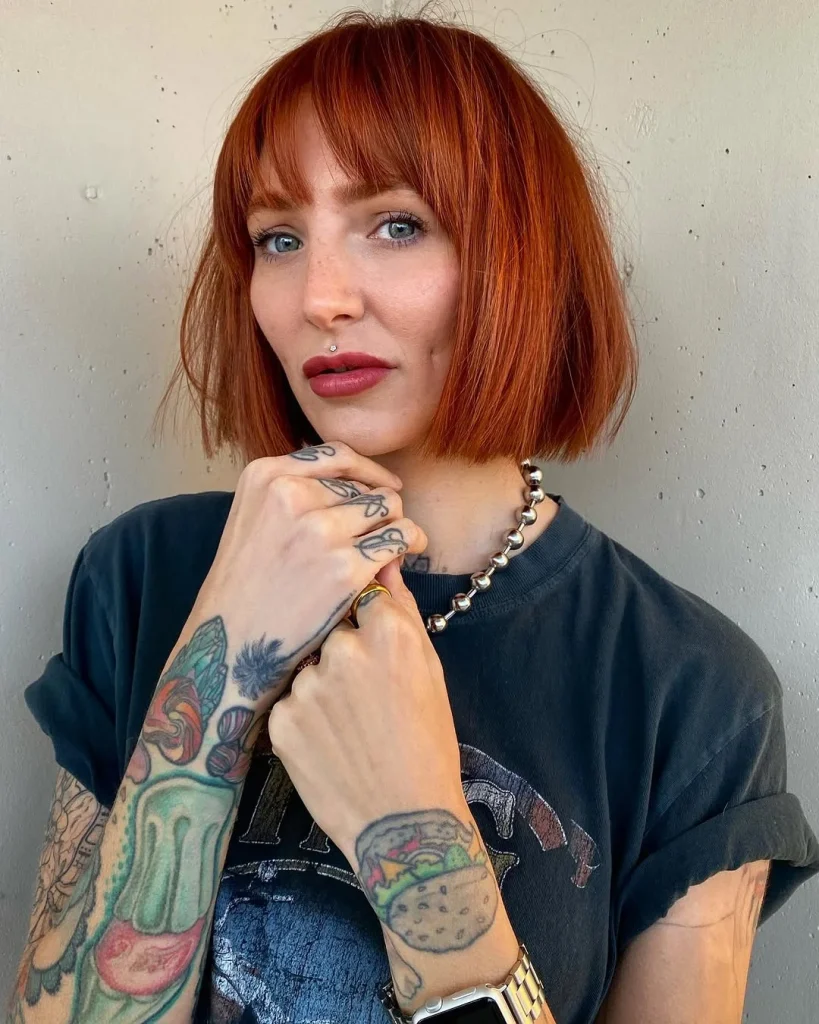
Soft Copper French Bob
View Instagram post by @chrisweberhair
Warm copper shows off the rounded line of a short bob, particularly when the hair is styled smooth. Color is optional, but it can emphasize the little curves and bends around the face.
Best for: People considering a color refresh with a bob.
What to ask your stylist: Ask for the haircut first, then discuss whether a warm copper shade suits your starting color and upkeep preference.
Styling tip: Use color-safe products according to your colorist’s advice.
Glossy Black French Bob

View Instagram post by @hairshedteam
A smooth dark bob creates a clear outline along the jaw. You do not need much layering for visual impact; a precise cut and a healthy-looking finish carry the style.
Best for: Straight and relaxed textures.
What to ask your stylist: Request a sharply balanced jaw-length outline with a clean center or slight side part.
Styling tip: Use a heat protectant if blow-drying or flat-ironing, and keep heavy serum away from roots.
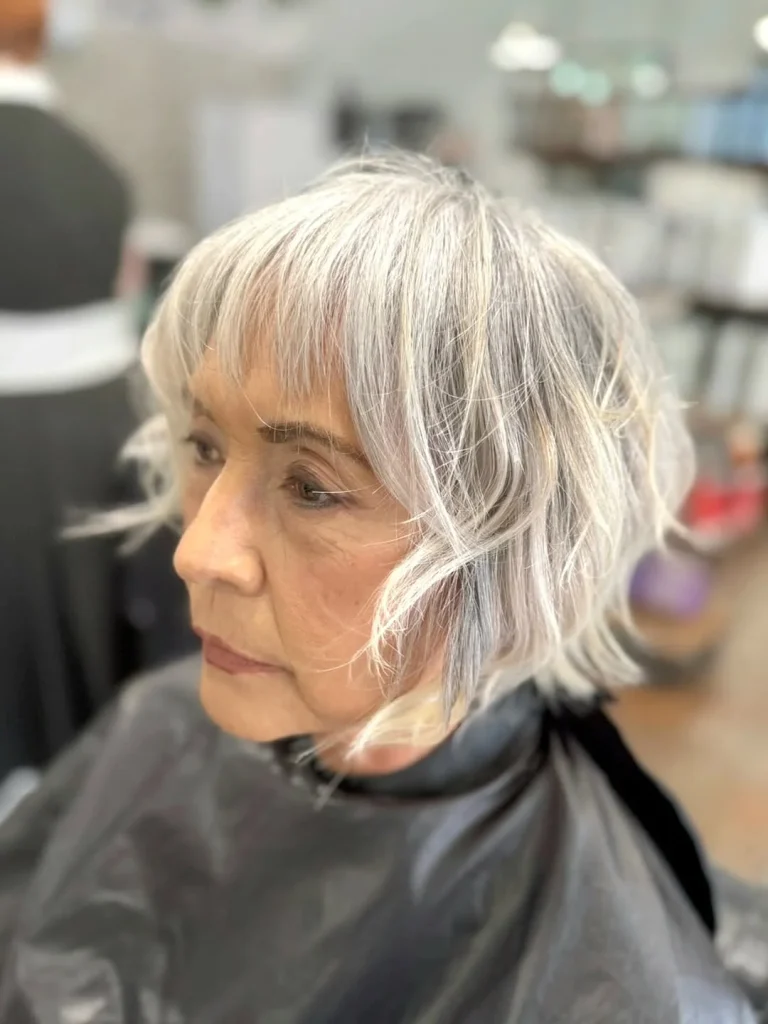
Silver-Gray French Bob
View Instagram post by @guildfordhairstudio
Natural silver and gray strands can bring contrast to a short cut, especially if the fringe and ends remain softly textured. This style can be worn without changing the natural color.
Best for: Gray or transitioning hair.
What to ask your stylist: Ask for a chin-length shape that works with the hair’s varying textures and density.
Styling tip: Use a light conditioner and avoid overloading the ends with thick creams.
French Bob With Soft Blonde Highlights

View Instagram post by @charity_reiser4
A few fine blonde ribbons around the face can define movement in an otherwise simple bob. Avoid heavy placement at the root if you want an easy grow-out.
Best for: Brunette or dark-blonde hair with subtle color goals.
What to ask your stylist: Request delicate face-framing highlights that follow the bob’s outline.
Styling tip: Style with a loose bend so the lighter pieces show without hard curling.
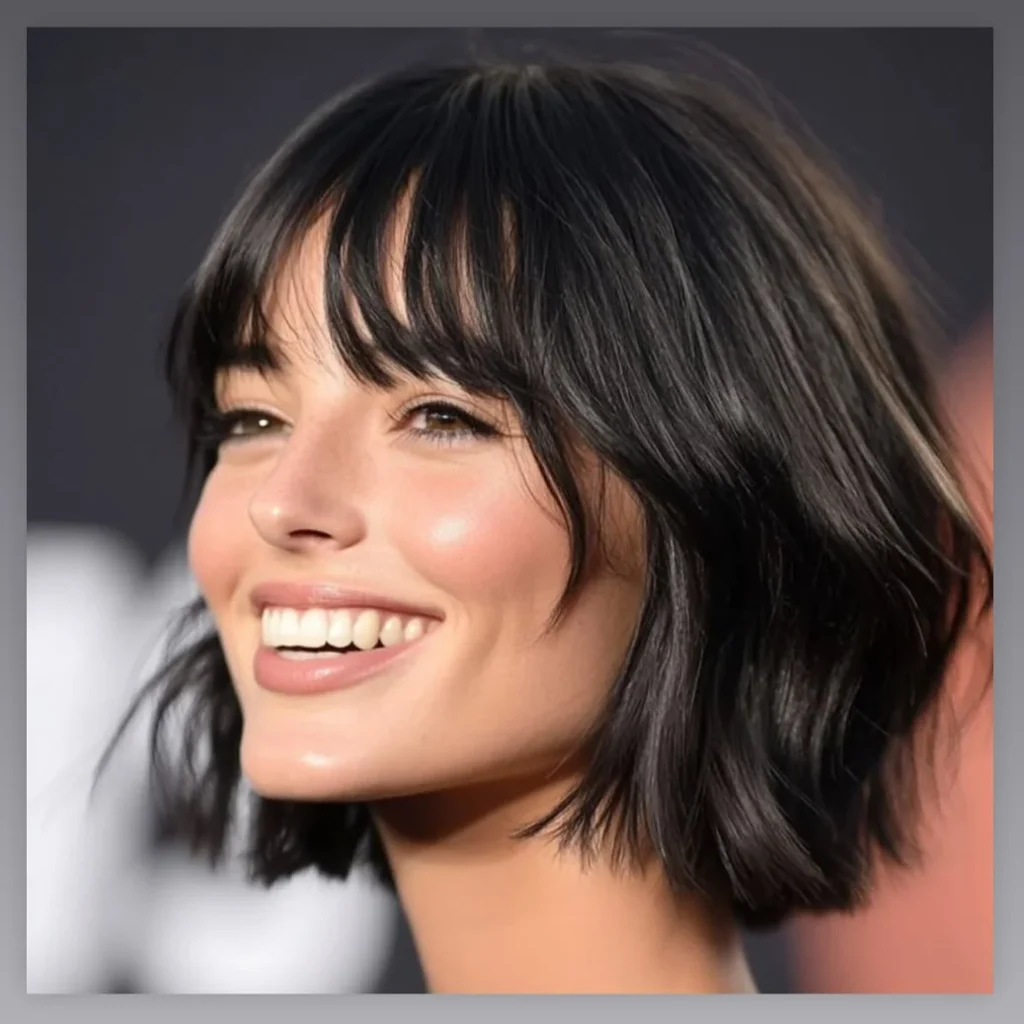
Rounded French Bob With a Soft Side Profile
View Instagram post by @avalonsalons87
A rounded side profile gives the bob a soft, curved outline from every angle, with ends that gently turn inward. Face shape is only one consideration; hair density, jawline and preferred parting matter too.
Best for: Anyone wanting a little more length near the cheeks.
What to ask your stylist: Ask for a softly angled, chin-adjacent bob and compare lengths in the mirror before cutting.
Styling tip: Try a gentle side part to change the visual balance.
French Bob With Brow Fringe

View Instagram post by @_bleachbaby
A brow-level fringe adds a horizontal line to the face, while a jaw-length bob keeps the sides visually present. Choose the fringe because you like how it feels, not because there is one correct haircut for a face shape.
Best for: People considering a full but soft fringe.
What to ask your stylist: Request a chin-length outline paired with a fringe that grazes the brows when dry.
Styling tip: Keep extra lift modest at the crown if you prefer a softer outline.
Jaw-Grazing French Bob With Soft Texture

View Instagram post by @shirleythornhillhaircoach
Loose movement around the jaw can soften the look of a blunt perimeter. A few front pieces that bend away from the cheeks make the cut more relaxed without hiding your natural face shape.
Best for: Wavy hair or anyone who prefers softer edges.
What to ask your stylist: Ask for a jaw-length bob with gentle movement near the front.
Styling tip: Create one loose bend on each side with a brush or heat tool, using protection when heated.
Neck-Grazing Grown-Out French Bob

View Instagram post by @shorthaircutwomen
A slightly longer French bob rests between the chin and upper neck. It can be a useful first step if you are nervous about cutting straight to the jaw.
Best for: First-time bob wearers.
What to ask your stylist: Ask for a compact neck-grazing length that can be shortened later if you want.
Styling tip: Keep the ends gently curved so the bob maintains its shape between trims.
Choppy Jaw-Length French Bob

View Instagram post by @hairbykbdeanda
Broken-up, uneven-looking tips give a short bob a casual finish. The underlying haircut should still be balanced; ‘choppy’ describes the styling and texture, not random chunks missing from the edge.
Best for: Naturally textured hair and easygoing styling.
What to ask your stylist: Request intentional point-cut texture around a jaw-length baseline.
Styling tip: Apply mousse and let individual pieces separate rather than brushing everything smooth.
Curly French Bob With Curly Fringe

View Instagram post by @naomijoneshairstudio
Curling bangs around the brows can connect naturally with a short curly bob. The fringe needs a dry-length check because springy curls may sit far higher than wet ones.
Best for: Natural curls and people ready for curly bangs.
What to ask your stylist: Ask for fringe and sides to be shaped together with your actual curl pattern.
Styling tip: Finger-coil only the pieces that need definition and leave the rest alone.
French Bob With a Deep Side Sweep

View Instagram post by @latesthair
A deep side sweep creates more visual volume on one side and frames the opposite cheek. It feels dressed-up but needs no extra haircut beyond a bob that falls comfortably in different parts.
Best for: Straight, wavy and blow-dried hair.
What to ask your stylist: Request a bob balanced for a deep side part, with enough length to keep the front section controlled.
Styling tip: Set the part while damp, then dry against it briefly for a little root lift.
Natural Wave French Bob With No Bangs

View Instagram post by @pincurledperfection
Loose natural waves create a gently uneven silhouette without needing curls to be identical. A fringe-free version is particularly convenient on days when you want to air-dry.
Best for: Type 2A to 2C waves.
What to ask your stylist: Ask for a chin-length bob shaped around the hair’s usual wave and shrinkage.
Styling tip: Scrunch in a small amount of lightweight foam and avoid brushing once dry.
Rounded French Bob With Wispy Side Pieces

View Instagram post by @oohlala_blowdrybar
A softly rounded bob can have a full back shape with a few light front tendrils near the cheekbones. It is a restrained alternative to heavily layered short hair.
Best for: Anyone who likes a tidy, rounded outline.
What to ask your stylist: Ask for subtle graduation at the nape and wispy pieces in front without hollowing the ends.
Styling tip: Use a brush to give the back a slight curve, then let the front pieces fall naturally.
What makes a bob a French bob?
Usually, the signature is a compact, face-framing length with a fairly clear outline. Many versions include bangs and an imperfect, lived-in texture, but neither feature is mandatory. A flipped bob is different: its most recognizable feature is the ends turning outward. If you want that retro flick, explore it separately rather than asking for both effects at once.
What to discuss before your haircut
- Dry length: Point to where you want the ends to sit on your face. Ask how your texture will affect that line after washing.
- Fringe: Check your cowlicks and how much time you’re happy to spend styling bangs. Our French wispy bangs guide shows more fringe variations.
- Density: Fine hair and thick hair respond differently to internal texturizing. More layers are not automatically better.
- Parting: Tell your stylist whether you wear a center part, side part or change it often.
- Maintenance: Short cuts lose their shape as they grow. Ask what trim schedule makes sense for your exact length and texture.
How to style a French bob at home
For straight or fine hair
Start with a lightweight styling product, then blow-dry the roots in the direction you want them to sit. Work the ends with a small round brush or leave them straight if the cut already holds its shape. Avoid coating fine hair with heavy oils.
For naturally wavy hair
Apply a small amount of mousse or wave cream to damp hair. Scrunch gently, then air-dry or diffuse on low airflow. If you brush out your waves once dry, the shape may look wider and less defined. For more variations, explore wavy bob haircuts.
For curls
Use a cleansing and conditioning routine that suits your curl pattern. Apply leave-in or curl styling product while the hair is wet, then let the curls set with minimal handling. A curly French bob can be shaped in several ways; our curly bob hairstyles include additional curl-first options.
French bob mistakes worth avoiding
Cutting the fringe too short before seeing it dry is a common source of regret. Likewise, excessive thinning on fine hair can make the ends look sparse, while ignoring the natural growth pattern can make a short nape hard to style. Bring references that match your own hair texture and ask for the cut to be checked after drying.
Frequently asked questions about French bobs
Can a French bob work without bangs?
Yes. A center part or soft side part keeps the focus on the short jaw-length outline and is an option if you do not want to maintain fringe.
Is a French bob good for fine hair?
It can be. A more solid perimeter may make fine ends appear fuller. If this is your main goal, see our fine-hair bob haircuts for other bob shapes.
Can curly hair have a French bob?
Yes. The stylist needs to work with your natural curl pattern and consider shrinkage before settling on the length.
How often will I need a trim?
There is no one schedule for everyone. A very short, precise outline may need tidying sooner than a loose, grown-out bob. Discuss your preferred length and upkeep with your stylist.
Can I grow out a French bob?
Yes. The cut can gradually become a longer bob. If you’re growing out fringe as well, our guide to growing out bangs includes practical styling ideas.
Final thoughts
Choose the French bob by the way your hair actually behaves, not just how a reference looks after a professional blowout. A clear dry-length target, the right amount of weight in the ends, and a fringe you can manage make this short haircut far easier to live with.