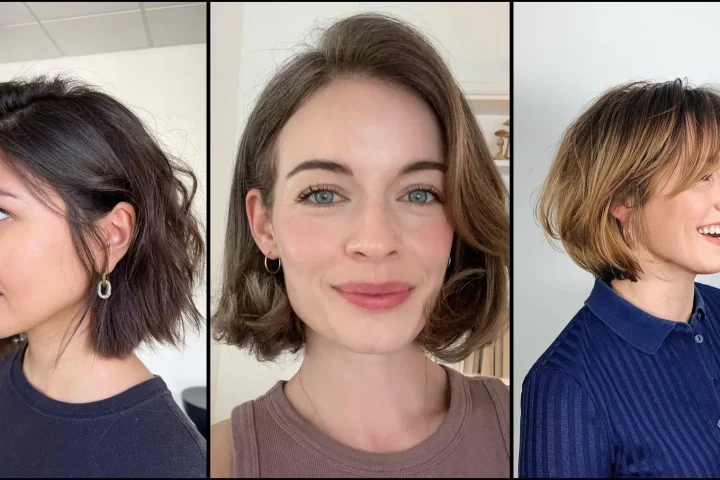
Long layers are the quiet workhorse of long hair. They keep the length you have grown for years, and they change how that length moves, falls and catches light. A good set of long layers can take weight out of thick hair, give fine hair a shape to hold onto, and soften a straight, heavy outline that has started to look flat. That is why they turn up in so many salon requests. People want a change they can feel every day, without giving up the length they worked for.
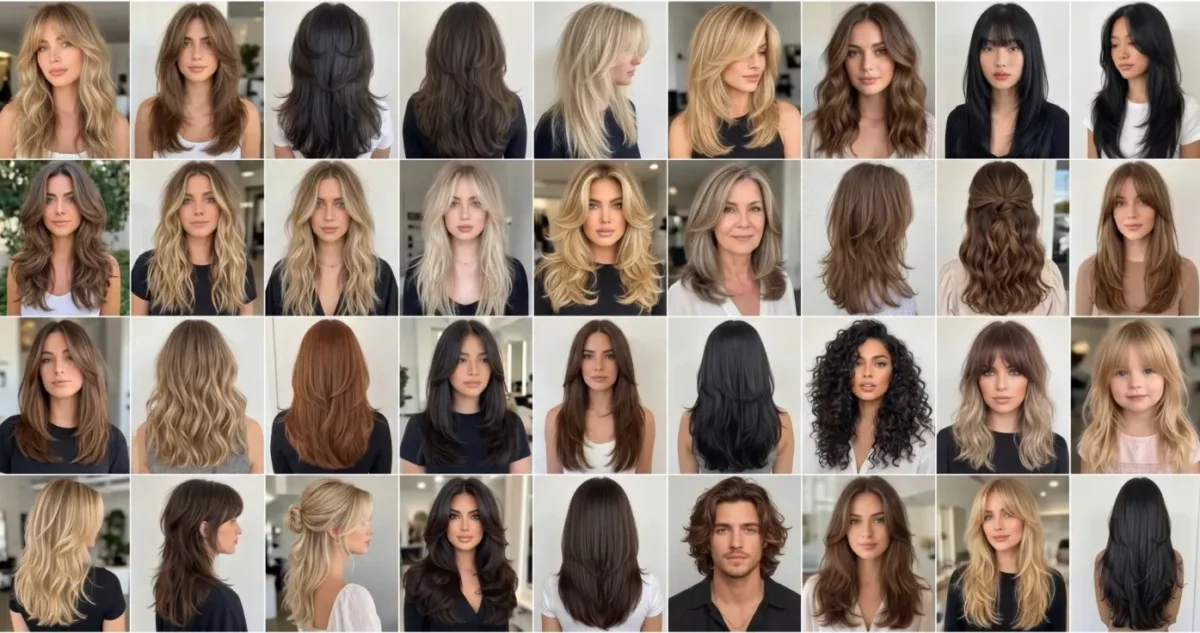
The photos below show how different the same idea can look. Some layers start high, near the cheek, and frame the face from the first glance. Others stay low, near the ends, and leave the top smooth and heavy. Pay attention to the fringe in each photo, and to the finish at the ends. A wispy fringe opens up the face. A blunt hem keeps the ends looking full. A feathered finish moves more, and it needs more styling to look tidy. Look for hair that resembles yours in thickness and texture, and for a length close to your own. A photo of waist-length hair will not tell you much if your hair reaches your shoulders.
Choosing long layers without losing the ends
- For a fuller bottom edge, start with fewer, longer layers. A heavily feathered reference may remove more weight than you want, particularly when your ponytail is already small.
- For movement near the face, choose where the first piece should land: cheek, jaw or collarbone. Check whether that piece will still reach your usual tie or clip.
- For curls and waves, compare the shape when dry. The stretched length in a salon chair does not show where the finished layers will sit.
What to discuss at the appointment
Show one front view and one back view. Separate the haircut from the blowout: ask what the outline will look like air-dried and which front pieces need a brush or heat tool. If keeping length matters most, say how much you are comfortable removing before the first section is cut. Layer placement can be adjusted; a particular face shape does not require one prescribed haircut.
How to choose your layer height and hemline
Start with the shortest layer, because that decision shapes everything else. Layers that begin at the cheekbone give the face a frame from the front and add lift around the crown. Layers that begin at the collarbone or lower keep the top smooth and leave more weight at the ends. That suits thicker hair, and anyone who mostly wears their hair down and wants the movement concentrated where it shows.
Then decide what you want the ends to do. Face-framing layers run down the front and open up the face, while all-over layers are cut through the back as well, so the whole shape moves when you turn. All-over layers are the better choice if your hair feels heavy and flat at the back. Face-framing alone is enough if you like the weight of your hair and only want something softer around your cheeks. The hemline matters here too. A V-shaped hem comes to a point at the centre of the back and makes long hair look longer. A U-shaped hem is rounded, fuller at the edges, and easier to wear in a low ponytail.
Think about your week, and about grow-out, before you decide. Layers that need a round brush every morning are a poor fit for someone who air-dries their hair on the way to work. Longer layers grow out gently, and a shape can usually go three or four months between cuts without looking untidy. Shorter layers around the face grow out faster, and they start to poke into the eyes within a few weeks. If that sounds like too much upkeep, ask for the shortest layer to start at the jaw rather than the cheek. You can always go shorter at the next visit. It is far easier to take more off later than to wait for it to grow back.
Soft Curtain Bangs With Long Flowing Layers
Face-framing layers fall past the collarbone in a silky, stepped cascade. Wispy curtain bangs part at the center and graze the cheekbones, curving out toward the ears.
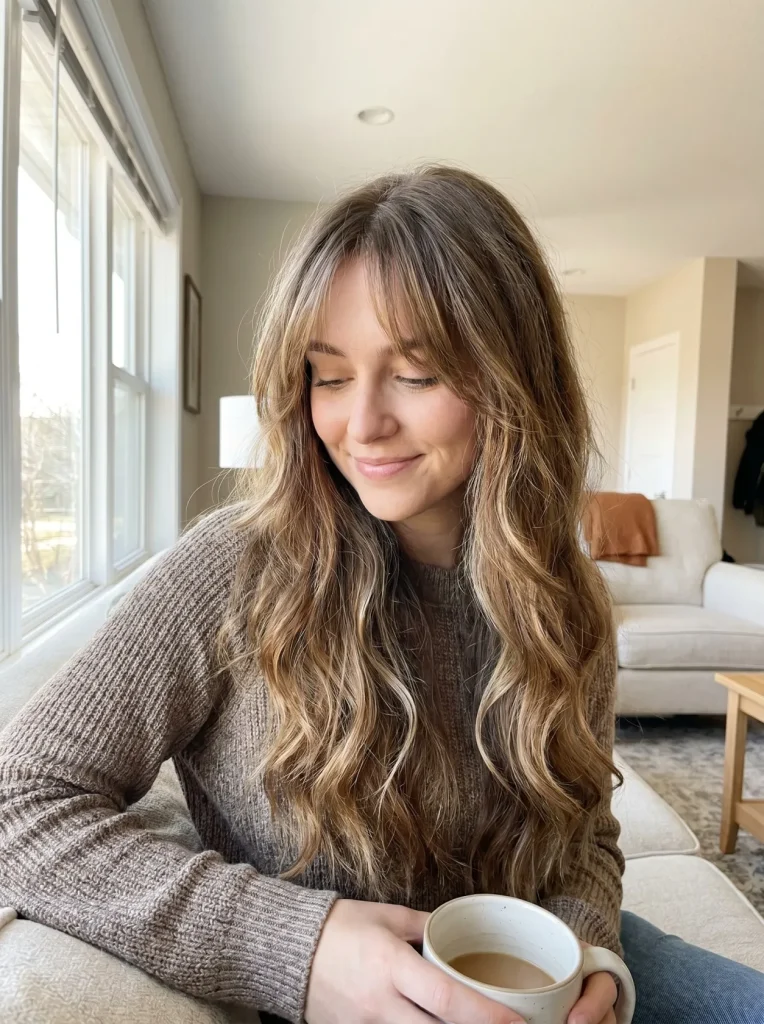
Long Birkin Layers Framing the Face
Voluminous face-framing layers begin just below the cheekbones and cascade into long, feathery ends in a warm light brown. The shorter pieces frame the cheeks while the longer ends remain loose rather than forming a blunt line. Ask where the first face-framing layer will sit when your hair is dry.
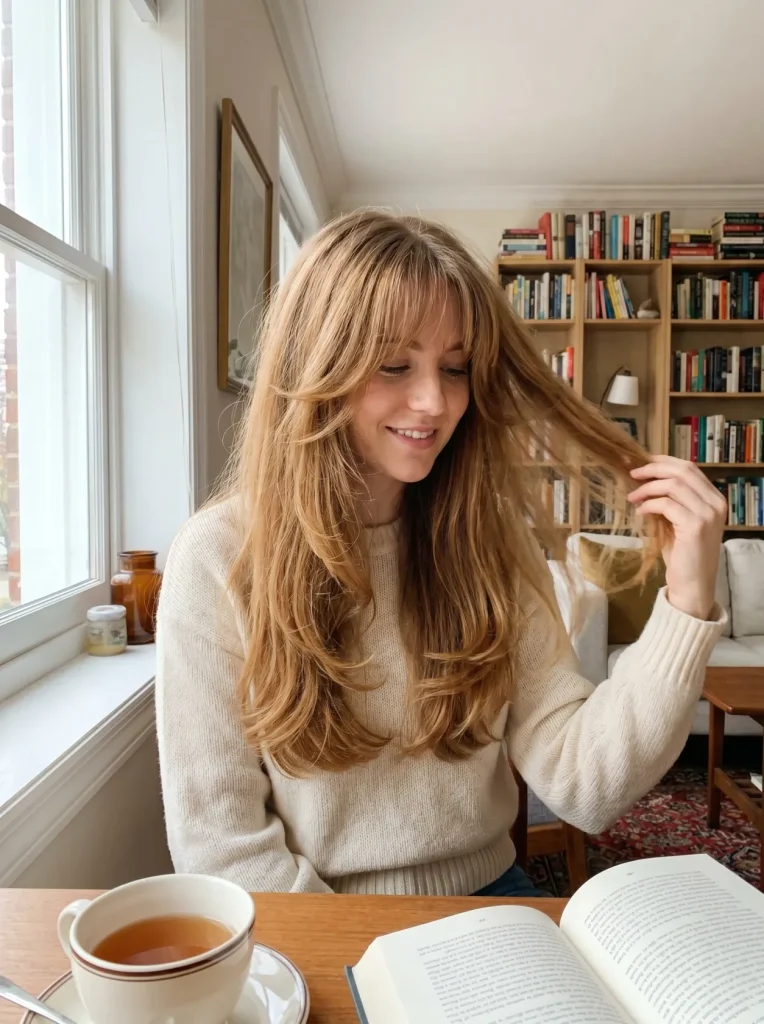
Butterfly Cut Long Layered Silky Hair
Short, wing-like layers sit around the crown and blend into long, silky lengths below. Lift stays at the roots while the ends remain full and swinging.
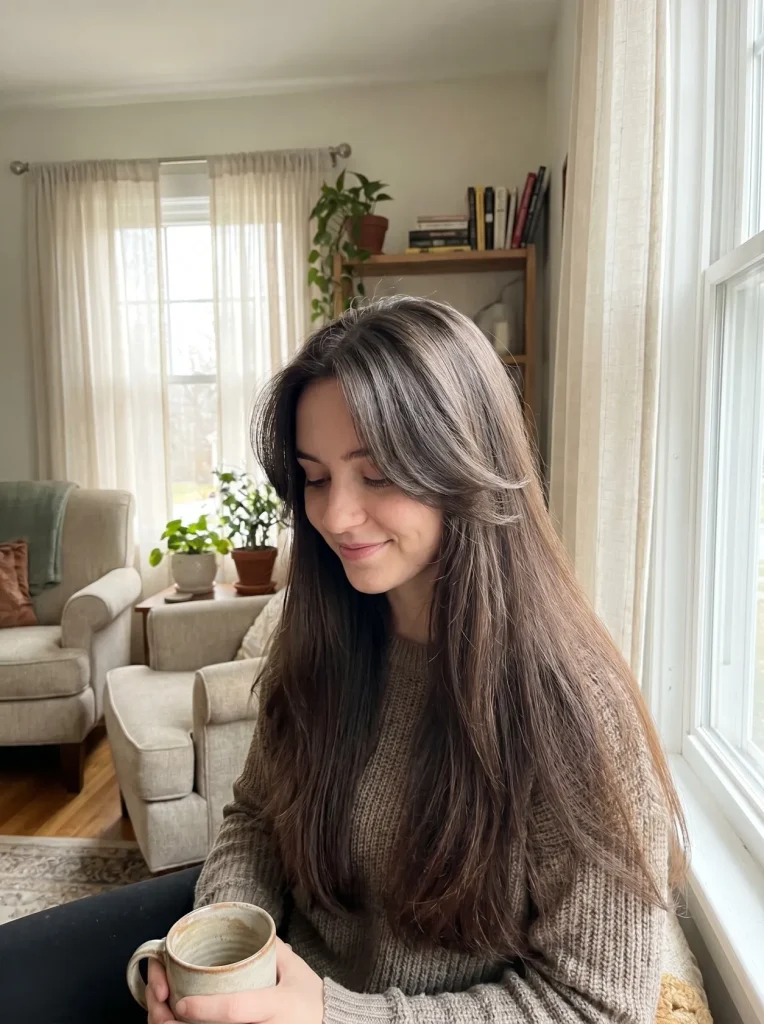
Layered Hairstyle for Long Thick Hair
Dense long hair is carved into cascading layers that remove bulk from the mid-lengths while keeping the ends full. Face-framing pieces start around the jaw and move freely.
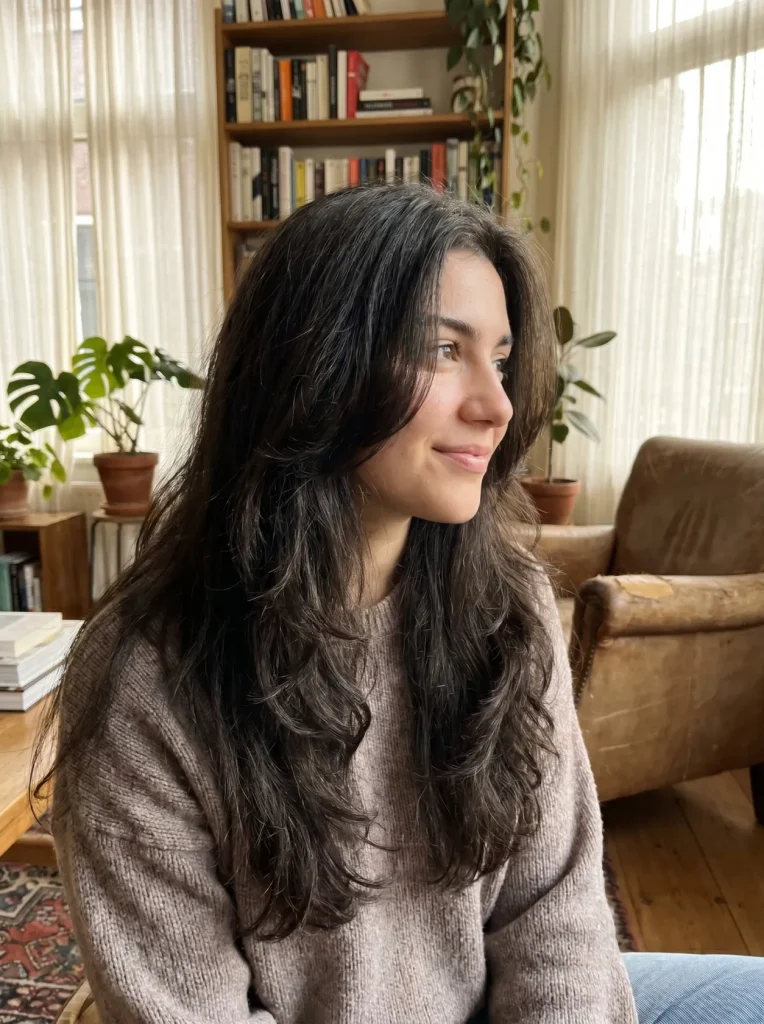
Wispy Long Layers for Fine Hair
Feathery layers are cut through the lengths of fine, flat hair, adding airy movement without thinning the ends. Light catches each layer for a fuller, tousled look.
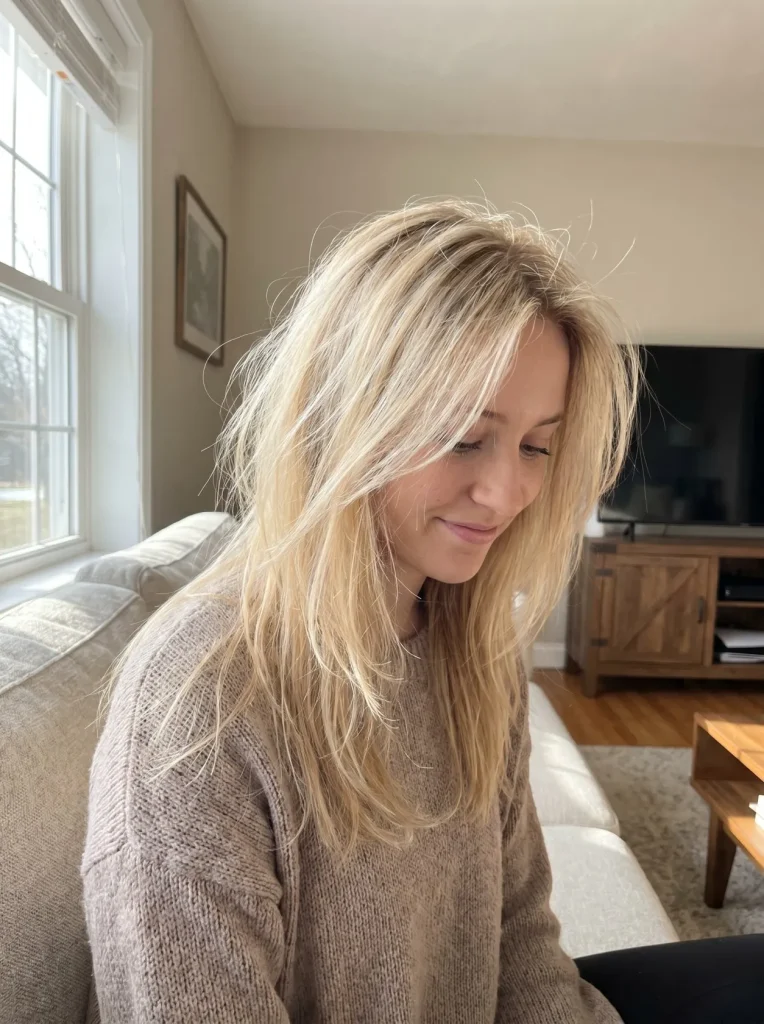
Long Layered Hairstyle with Side Bangs
Side bangs sweep across the forehead and blend into long, face-framing layers that run down past the shoulders. Its diagonal fringe gives this look an asymmetrical frame around the eyes.

Soft Wave Long Layers Oval Face
Loose waves move through long, face-framing layers that curve around the cheekbones and jaw. Open bends start at the mid-lengths and finish in airy ends. This look is easy to recreate with a large-barrel curling iron, wrapping each section away from the face and brushing out the curls.
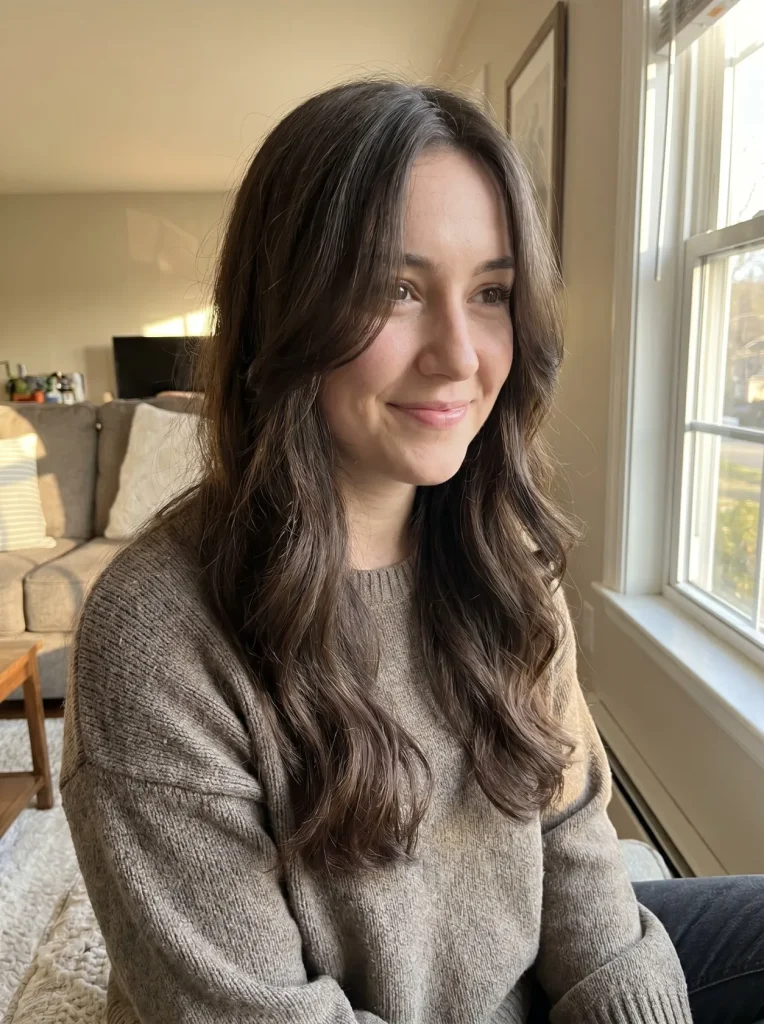
Korean Bangs Straight Long Layered Style
Blunt bangs are cut straight across the brow, sitting above long, silky layers that flow smoothly down the back. This look contrasts a heavy fringe with light, tapered ends.
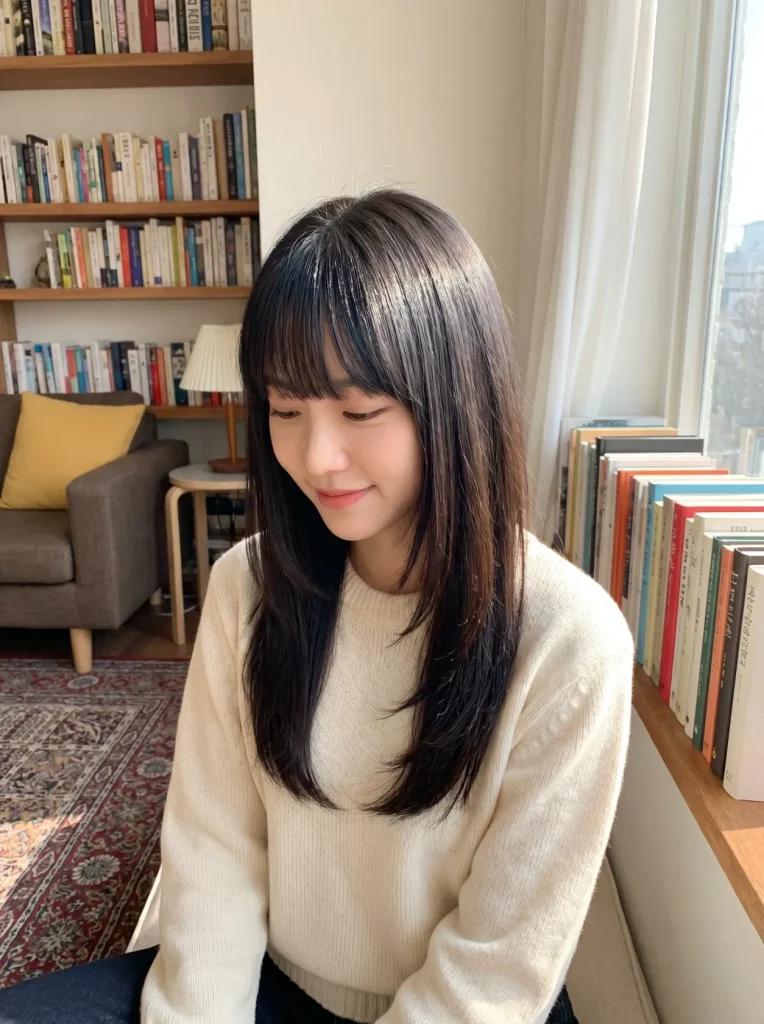
Long Layered Hairstyle for Round Faces
Starting at the cheekbones, layers lengthen gradually toward the waist, creating vertical lines down each side. Volume is kept at the crown, not around the cheeks.

Step Cut Long Hair With Feathery Layers
Defined step-cut layers create visible tiers through long hair, with each layer feathered at the ends. Graduated lines give way to bouncy, swinging movement as the hair falls.

Long Layered Hairstyle for Wavy Hair
Long layers are cut to encourage existing waves, with each section falling into loose S-bends and tousled ends. Face-framing pieces pick up the wave pattern from the cheekbones down.
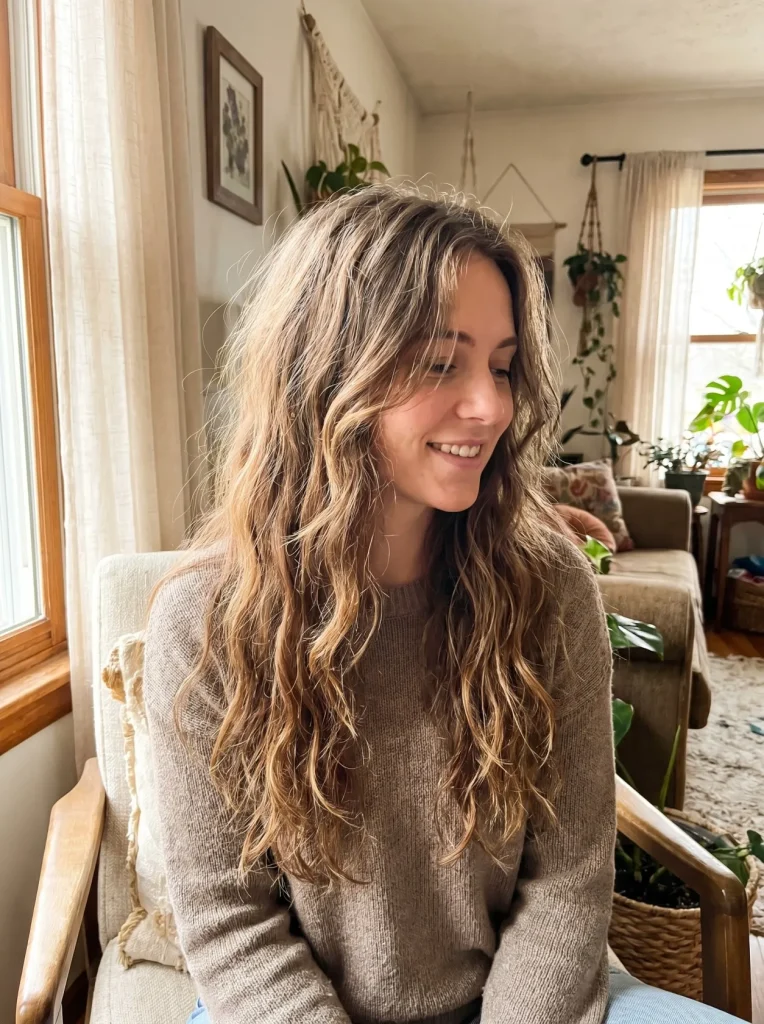
Long Layers With Wispy Face-Framing Curtain
Wispy face-framing layers circle the hairline, while long, silky lengths fall freely down the back. A light curtain of pieces sits around the cheekbones and jaw.
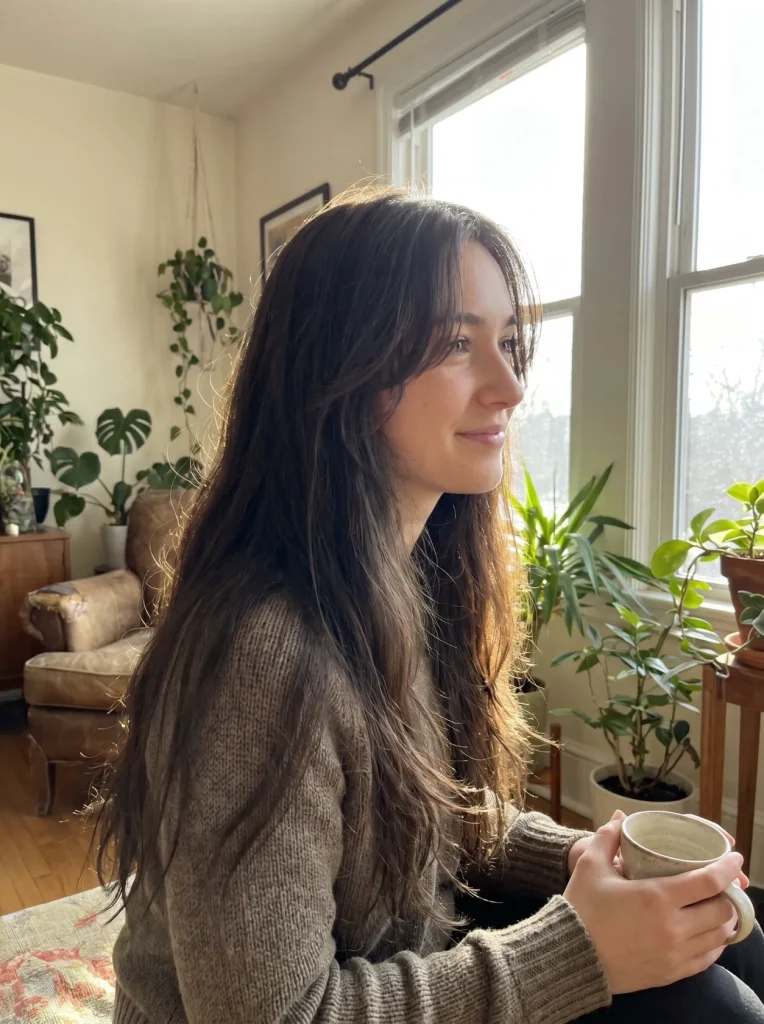
90s-Inspired Voluminous Long Layered Cut
Full, bouncy layers through the mid-lengths recreate 1990s blowout volume, with feathered ends that flick and swing. Use a large round brush with volumizing mousse, then set the crown with velcro rollers for ten minutes to hold the height.
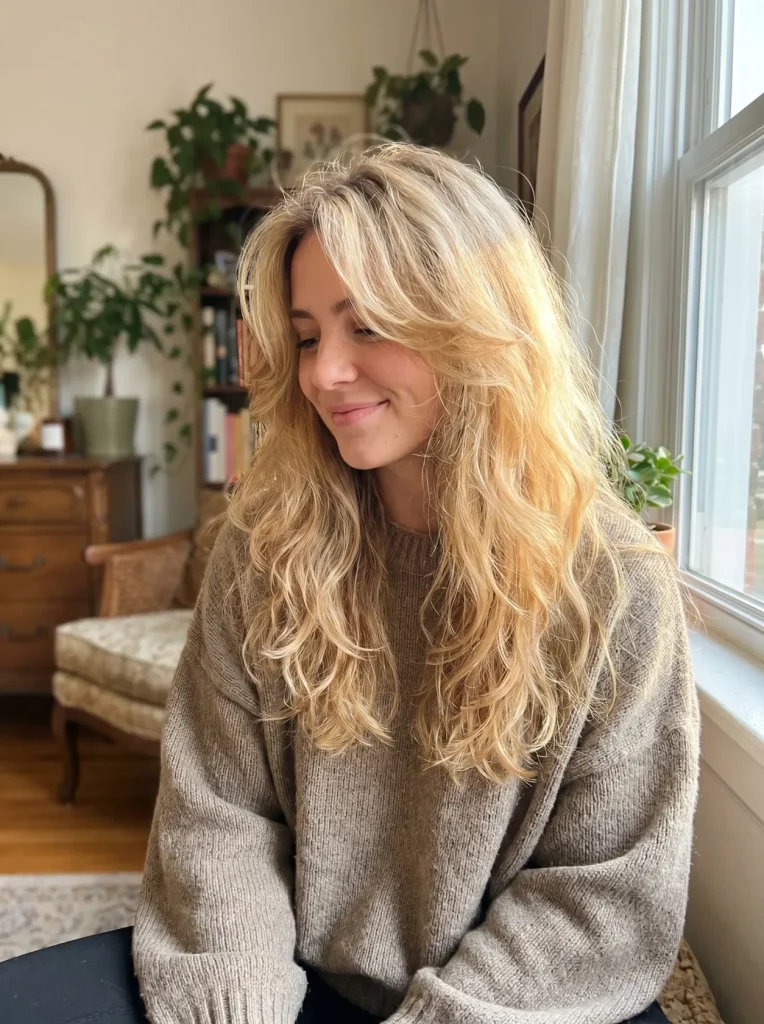
Long Layered Hairstyle for Older Women
Jaw-length front layers lengthen gradually, adding lift around the cheekbones while the length falls past the shoulders. Weight stays off the jawline, keeping this look clean in outline.

Long Layered Thin Hair Feathered Ends
Feathery layers run from the crown to the ends of fine, thin hair, adding movement without removing too much weight. Airy, wispy tips keep the outline light. For this look, ask for only a few long layers and a blunt hem, and use a volumizing spray at the roots before blow-drying.

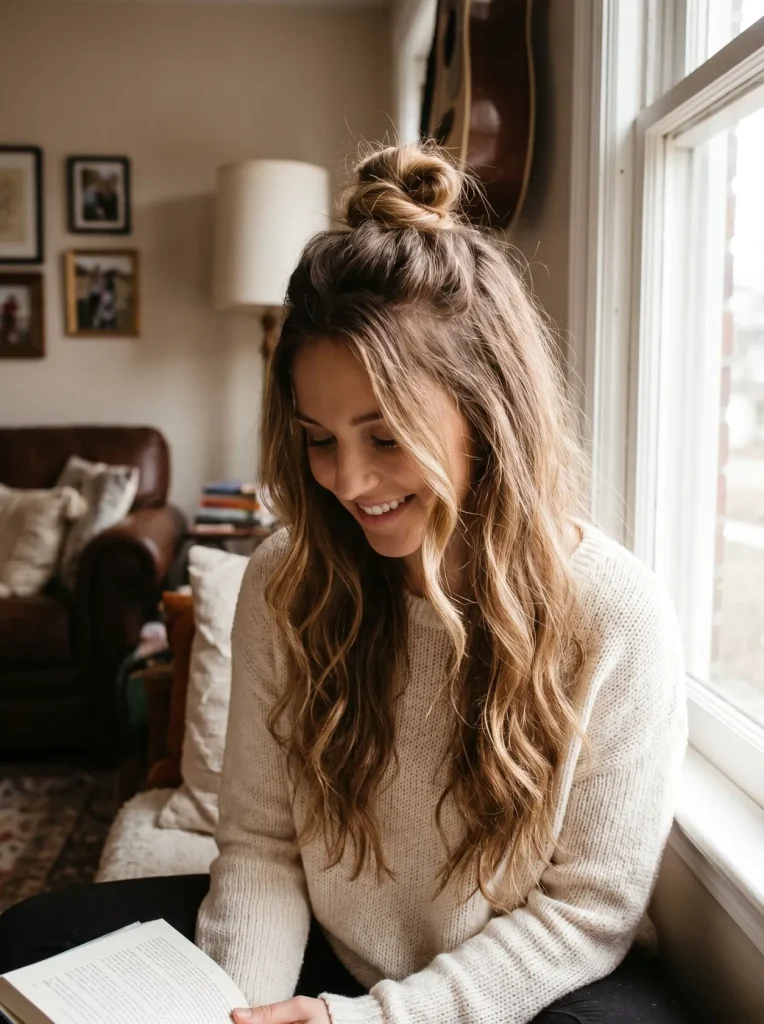
Half-Up Knot With Long Layered Waves
A low half-up knot sits at the crown, while long, layered waves fall below and around the face. Silky bends catch the light through the loose lengths. This look works well on second-day hair; curl the lengths with a large wand first, then twist the top section and pin it.
Long Layered Hairstyle With Fringe
A full fringe sits across the forehead and blends into long, silky layers below. This look pairs a heavy front with light, swinging ends.

Layered Long Bob Seamlessly Flowing Style
Light layers run through the mid-lengths and ends of a long bob, with face-framing pieces near the jaw. This look falls around the collarbone with a feathered, airy finish.

Long Layered Hairstyle With Soft Waves
Loose waves ripple through long, face-framing layers in a golden brown, opening into wispy ends. Bends start below the chin and give this look plenty of swing. Medium-density hair holds the waves best, and a one-and-a-quarter-inch curling iron with a light hairspray sets them for the day.
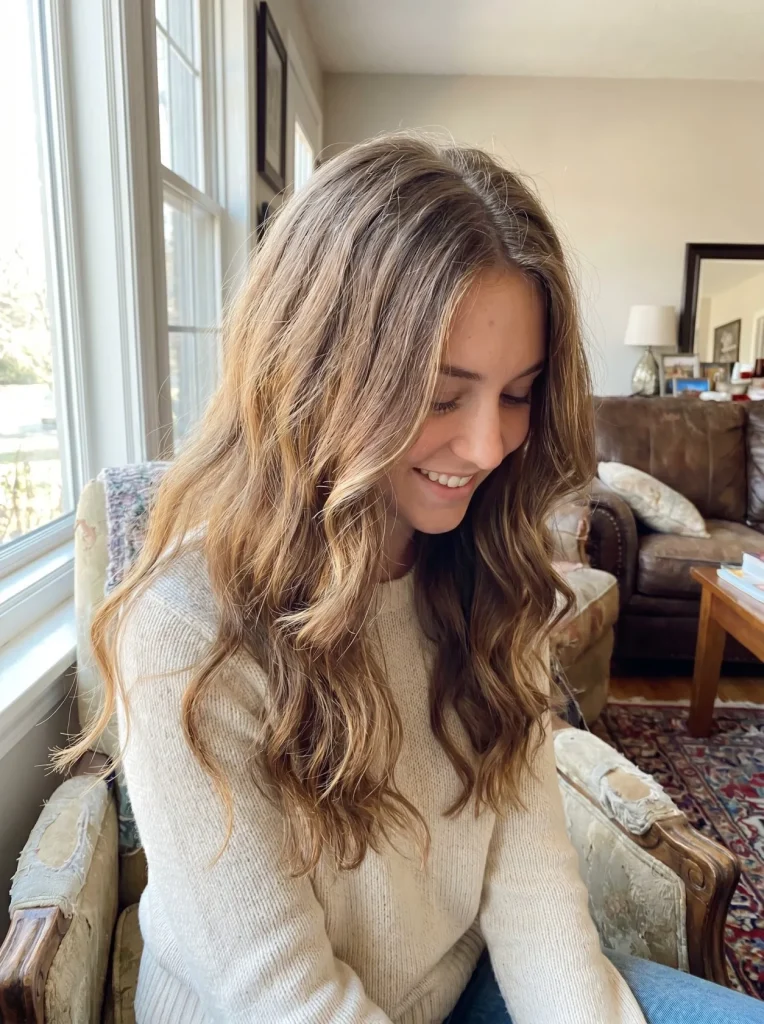
V-Shape Layered Cut Long Hair
A V-shaped back cut gives long, layered hair a pointed hemline at the center of the back. Face-framing pieces at the front add a feathered outline around the cheekbones. Choose this look for thick, straight hair, since fine ends can look thin at the point of the V.

Long Layered Hairstyle With Face Framing
Cheekbone-length layers blend into long, silky lengths that fall well past the shoulders in a warm medium brown. Wispy pieces create an airy frame around the eyes and jaw.
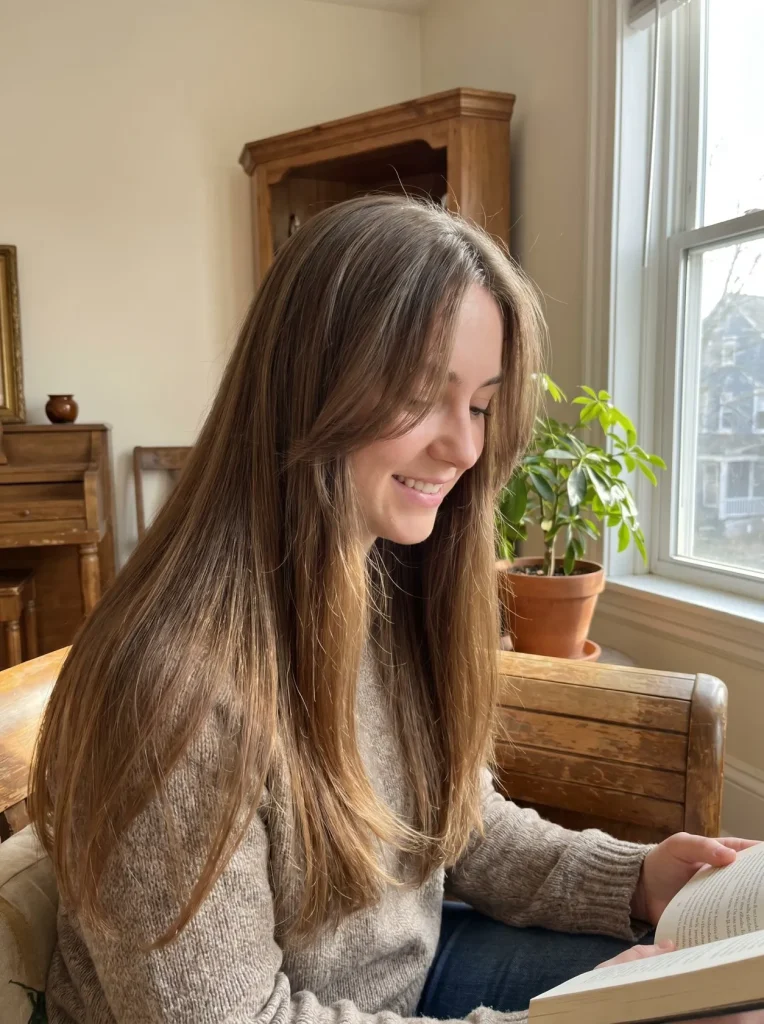
Long Layered Without Bangs Clean Silhouette
Uninterrupted layers flow from the collarbone to below the waist with no fringe, leaving the forehead open. Silky lengths in a deep brunette swing freely from a clean center part.
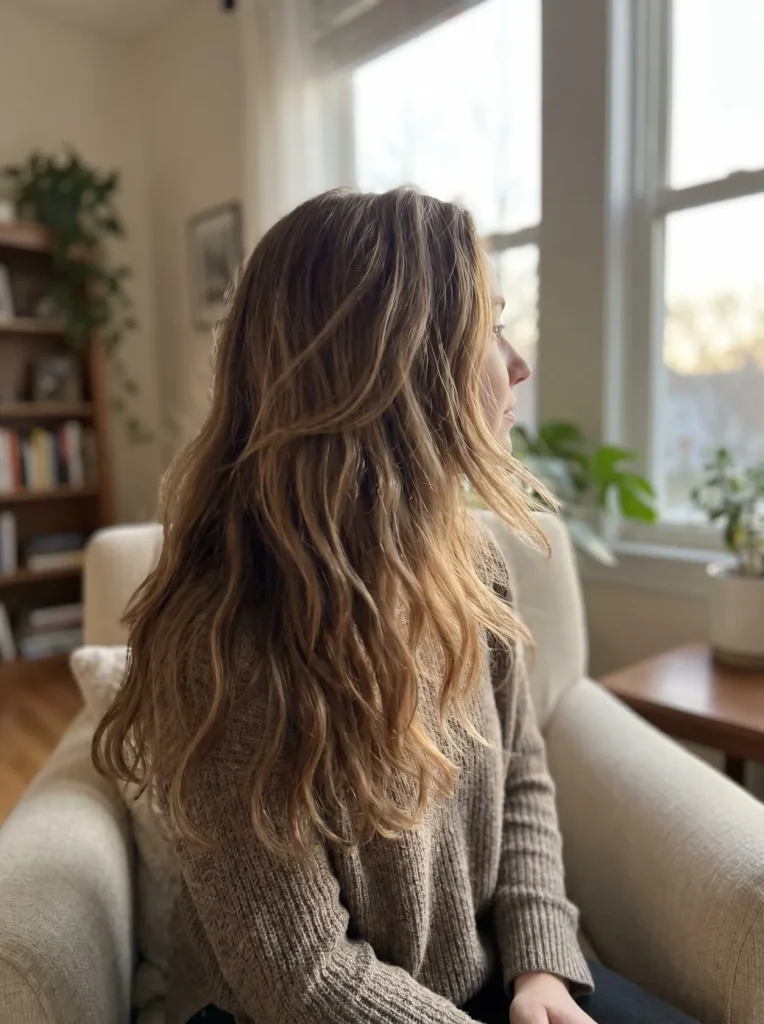
Long Layered Hairstyle for Asian Hair
Straight, silky black hair is given long face-framing layers that add movement and light volume to heavy lengths. Airy, tapered ends finish the cut.

Long Layered Curly Side-Parted Hairstyle
A deep side part opens up long, layered curls that fall from root to end in defined spirals. Volume builds on the fuller side, framing the face with cascading ringlets.
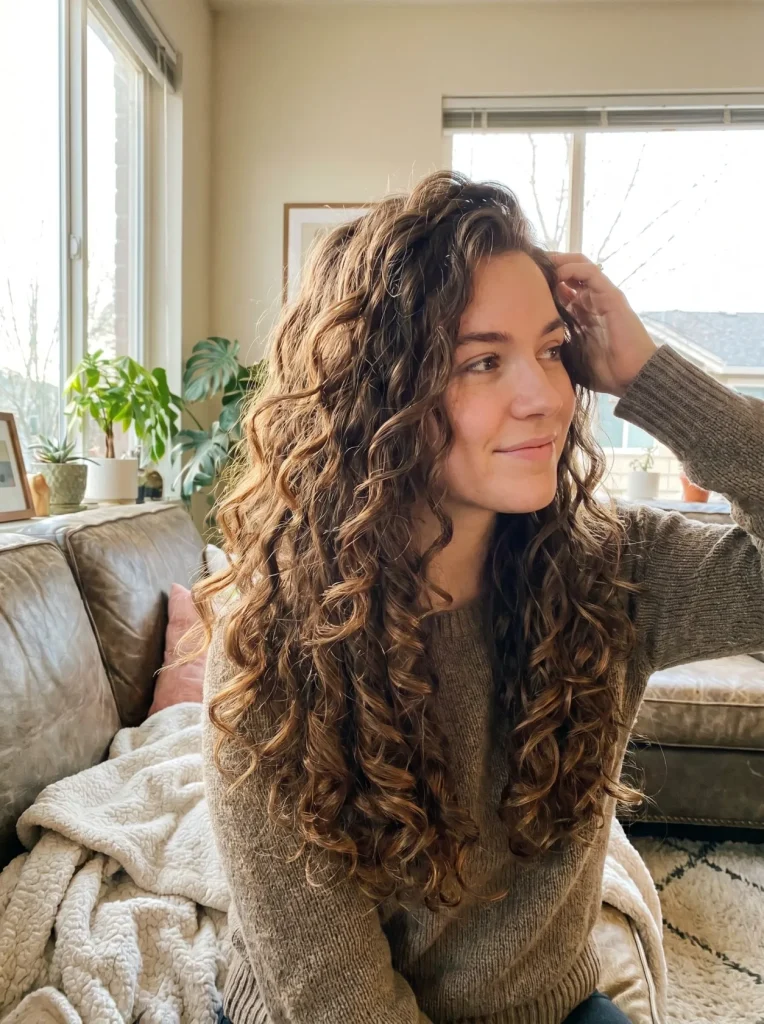
Long Layers With U-Shape Cut Back
A rounded U-shape forms the hemline at the back, paired with long, face-framing layers through the mid-lengths. Graceful curves run from the front pieces to the center of the back.
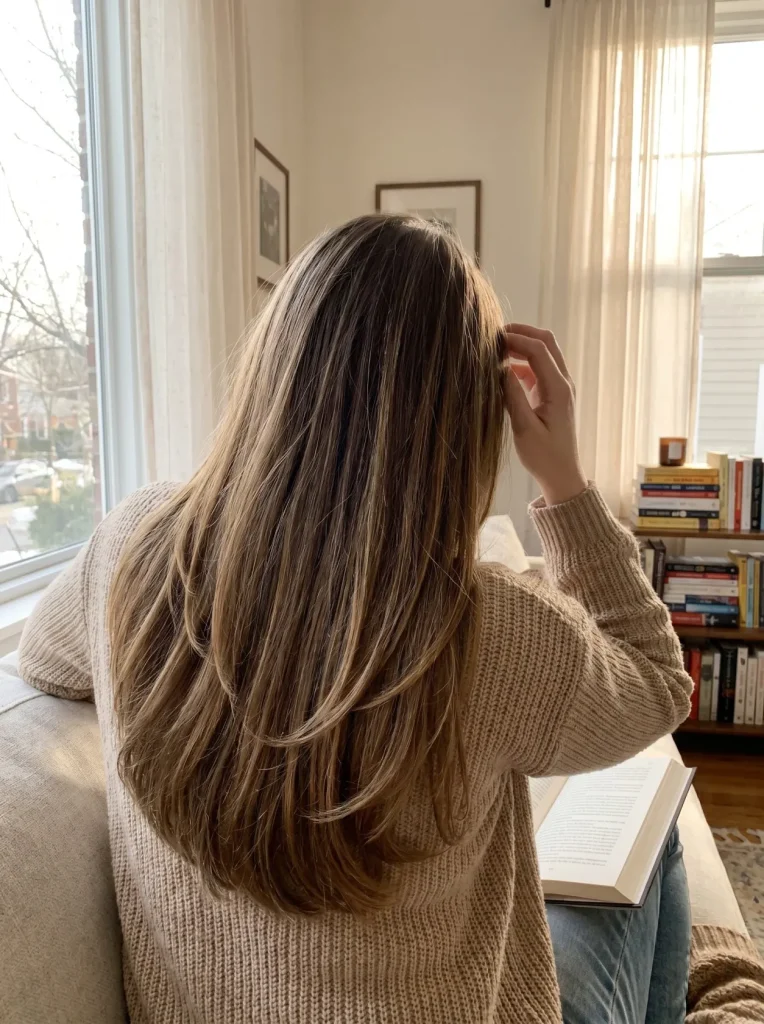
Dramatic Bangs With Long Textured Layers
Heavy bangs sweep across the forehead, contrasting with long, voluminous layers below. This look combines a dense fringe with feathery, piecey lengths.
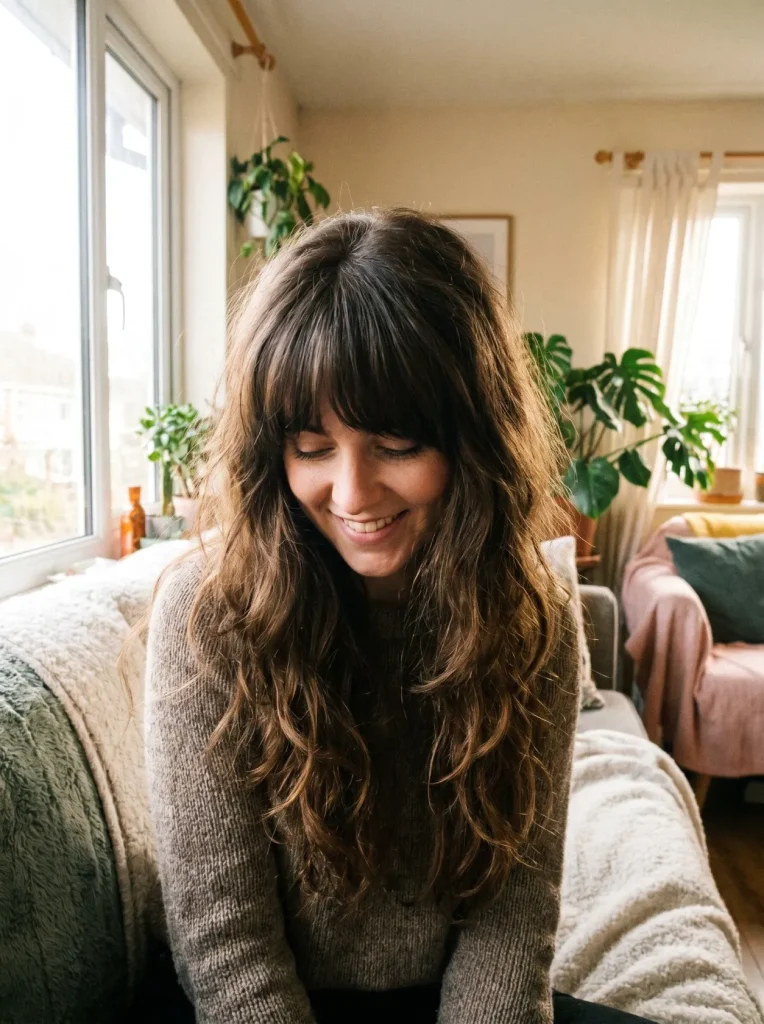
Long Layered Hairstyle for Kids Girls
Wispy layers are cut into long hair around the face, giving young girls a light, easy shape. Gentle movement runs through the lengths with a clean finish at the ends.

Side-Tucked Long Layered Polished Waves
One side is tucked behind the ear, while long, layered waves fall freely on the opposite side. Glossy bends cascade over the shoulder in an asymmetrical shape.

Long Layered Hairstyle 2026 Trending Now
Long, face-framing layers end in feathery, lived-in tips that move freely. Airy volume at the lengths gives this look a light, swinging finish.

Long Layered Mullet Hairstyle for Women
Short, airy layers sit at the top and crown, giving way to long, flowing lengths at the back. This look has wispy front pieces and a clear contrast between short top and long back. Thick, wavy hair carries the shape best, and a texture paste on dry hair separates the crown layers.
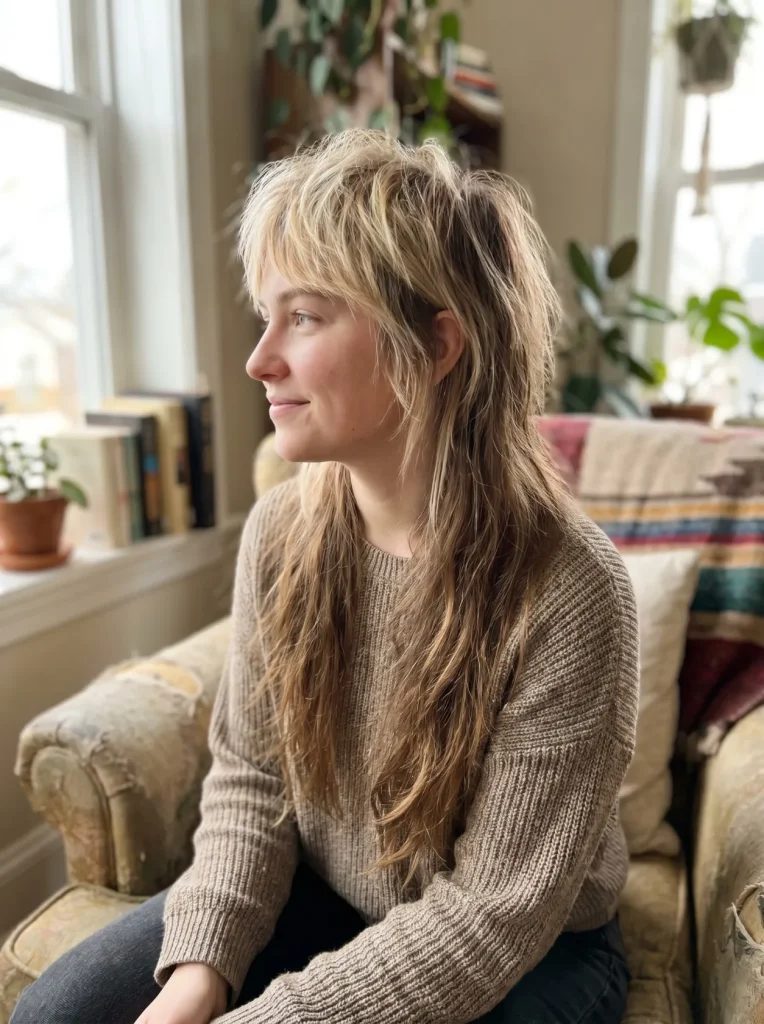
Updo Style for Long Layered Hair
Long, layered hair is swept into a loose updo, with wispy tendrils left out around the hairline. Shorter layers slip free at the nape for a relaxed finish. To create this look, curl the hair first, twist it loosely at the back, and pin it with U-pins for extra hold.
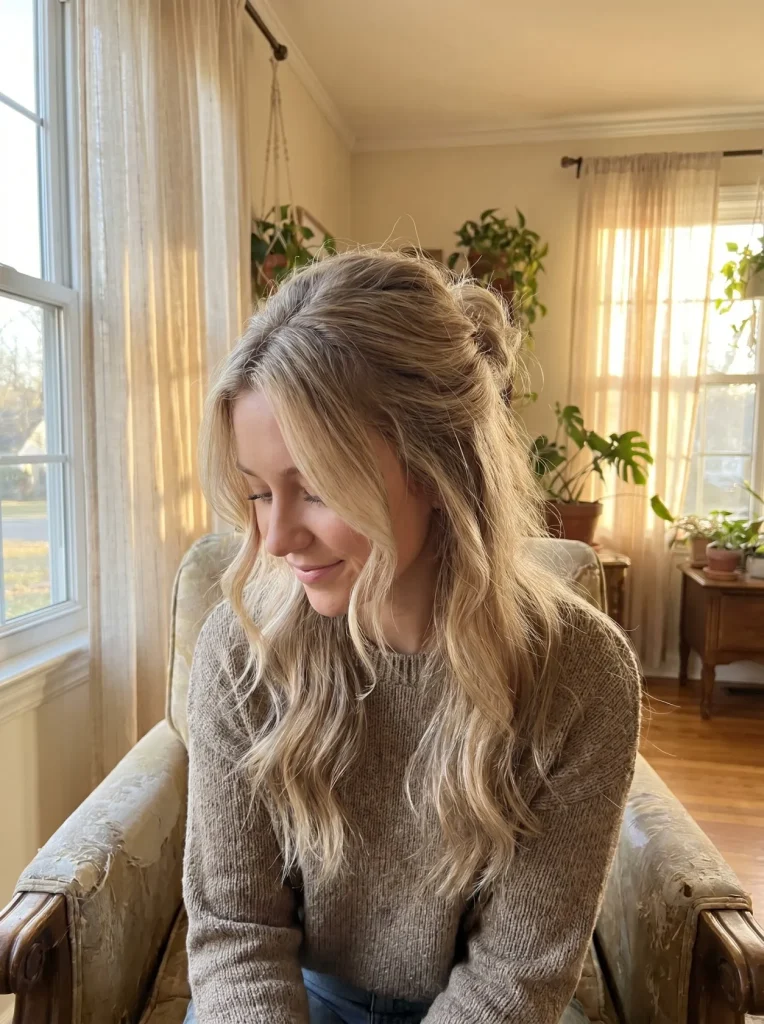
Long Layered Hairstyle Megan Fox Inspired
Dark brown layers frame the face and cascade in thick, glossy waves through long lengths. Volume starts at the roots and carries down the back.
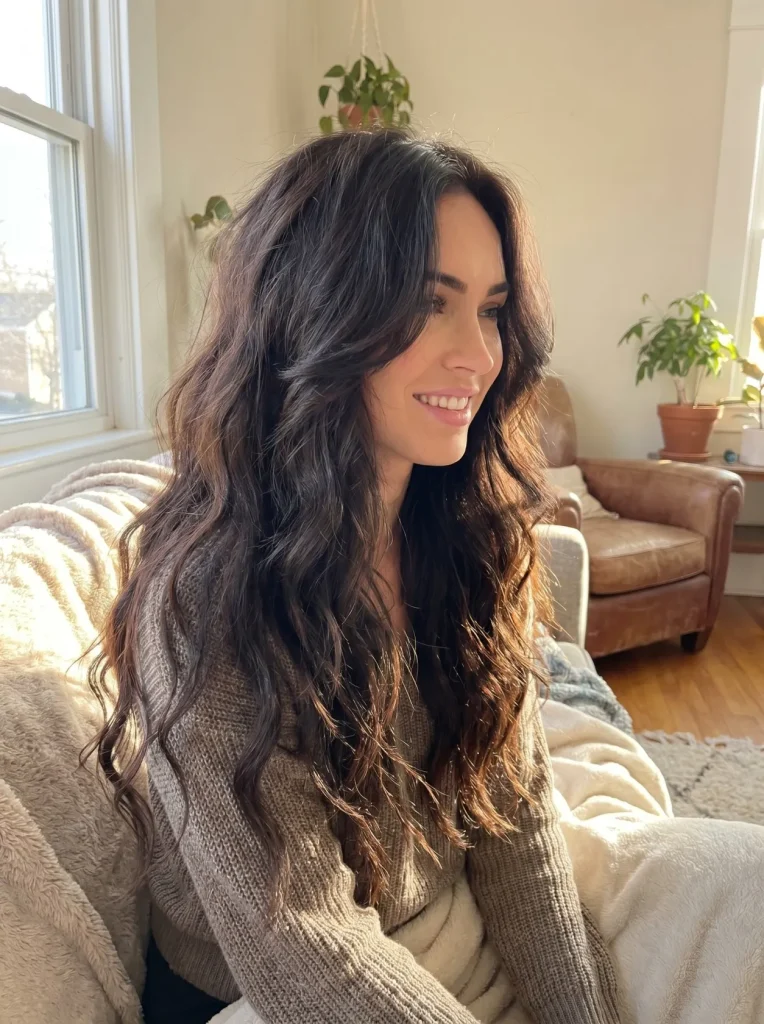
Step Cut Hairstyle Long Layered Straight
Defined step-cut layers run through long, straight, silky hair in visible tiers. Each layer adds a precise, face-framing step, finishing in smooth, glossy ends.
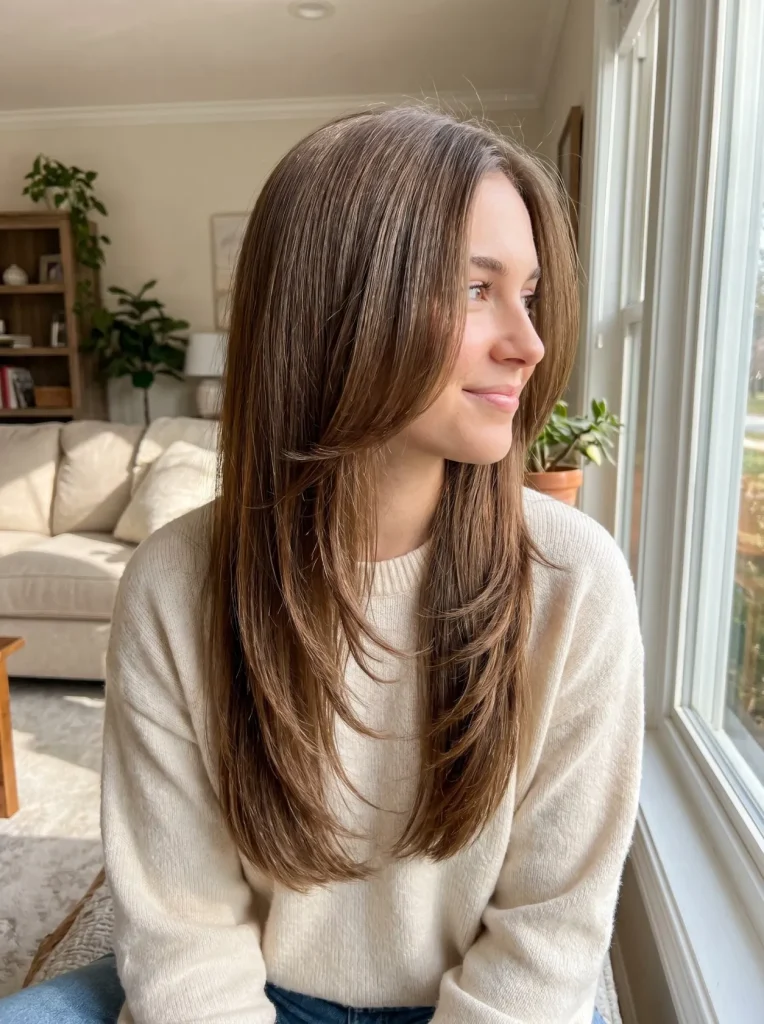
Long Layered Hairstyle Men Modern Cut
Long, lightly layered hair falls to the shoulders on men, framing the face with piecey, tapered ends. Its volume comes from the mid-lengths, giving this look a loose, swept-back shape.

Simple Easy Hairstyle Long Layered Hair
Face-framing layers run through the mid-lengths and fall into a clean, lived-in finish. Silky lengths and light movement at the ends mean this look needs almost no styling. Straight to wavy hair can air-dry into the shape, and a lightweight leave-in conditioner keeps frizz down.
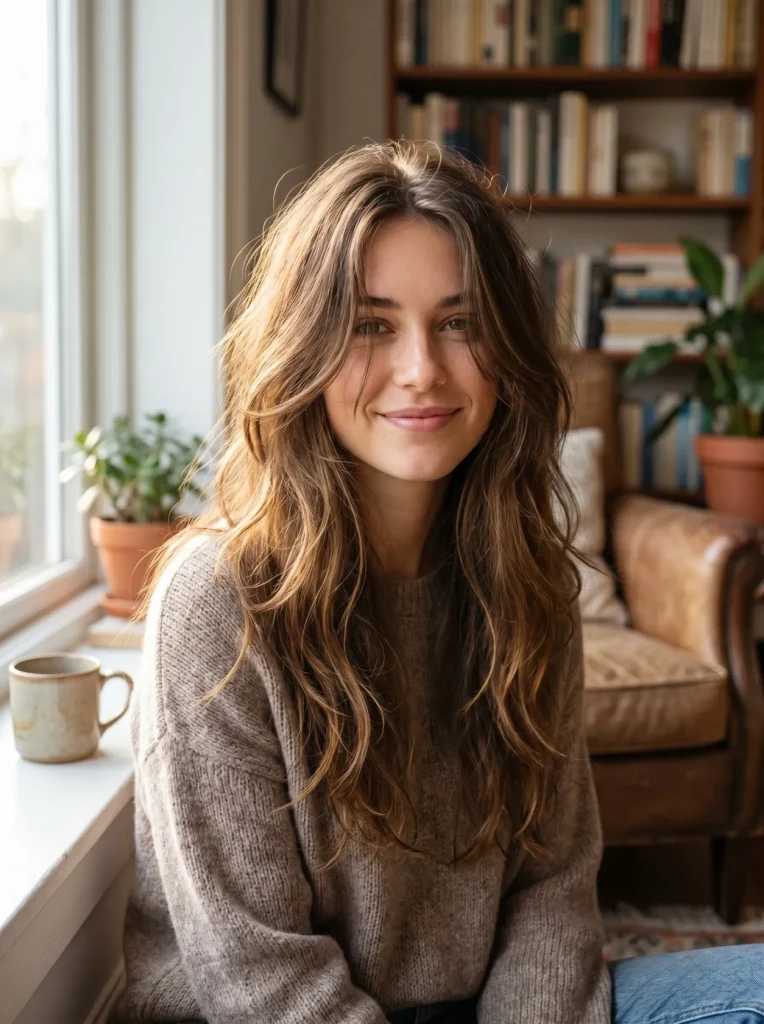
Long Layered Cut With Curtain Bangs
Curtain bangs part at the center and fall alongside long, layered lengths, framing the cheekbones. Wispy ends add movement through the rest of the hair.
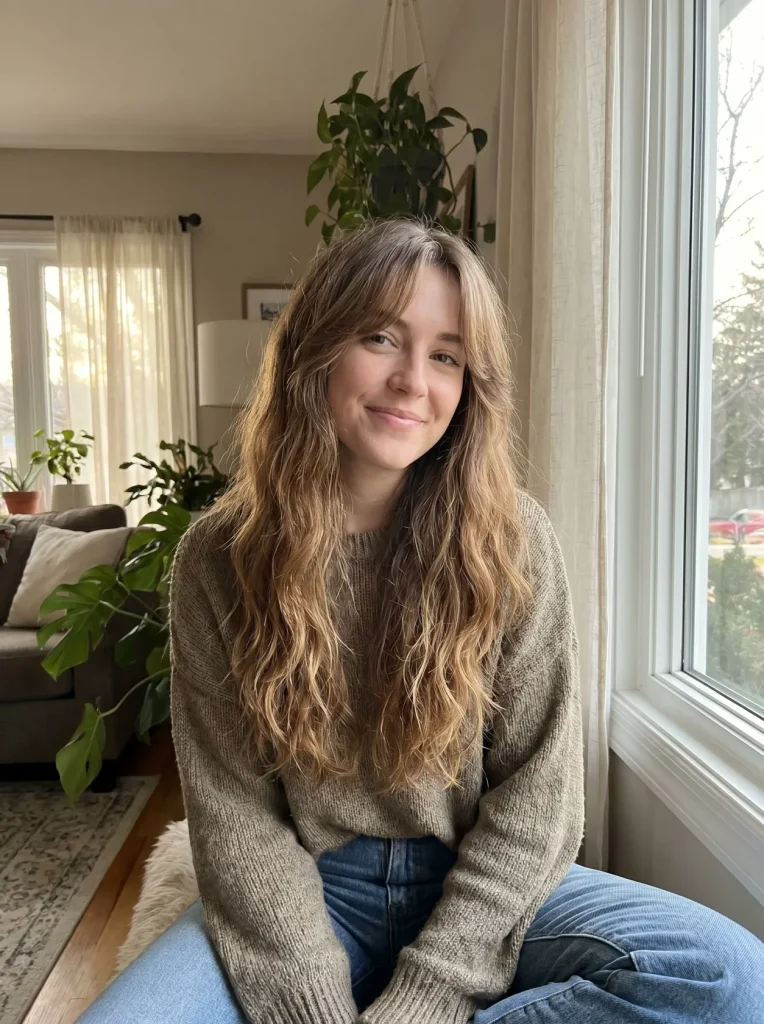
Long Layered Hairstyle Straight and Sleek
Razor-straight, silky lengths are cut with long face-framing layers that keep a smooth, glossy surface. Light catches the layered ends as they swing across the back.
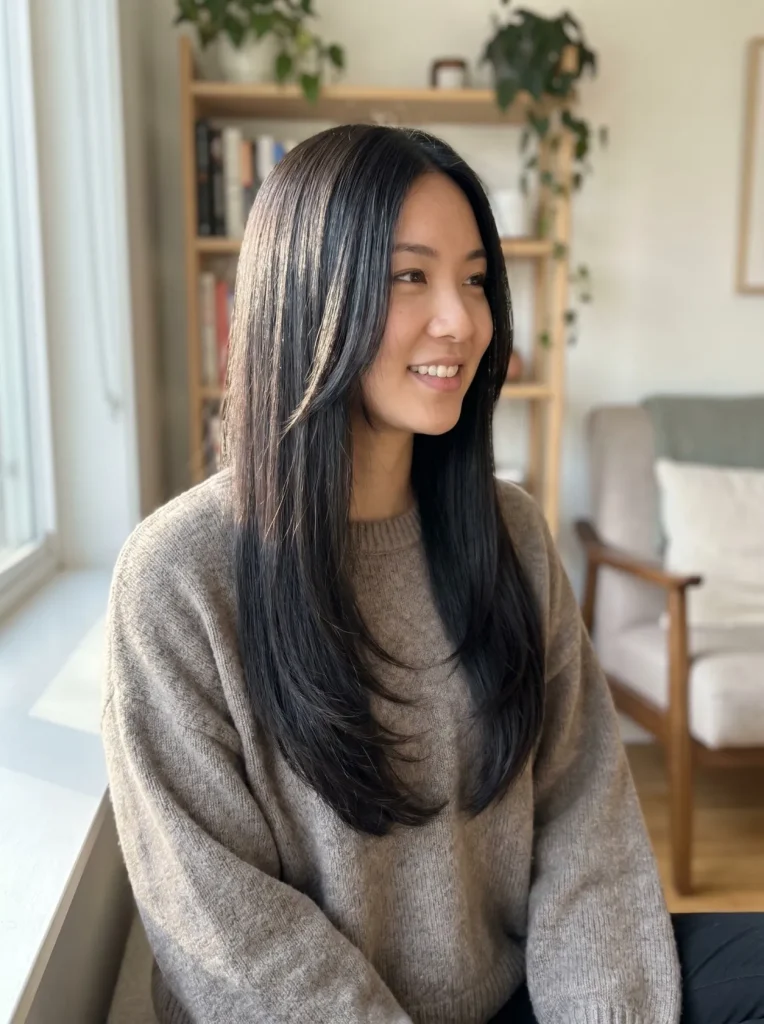
Very Long Layered Hair Flowing Lengths
Floor-grazing hair is given sweeping face-framing layers through the mid-lengths and ends. Silky, feathered tips add movement and stop the extreme length from hanging flat.
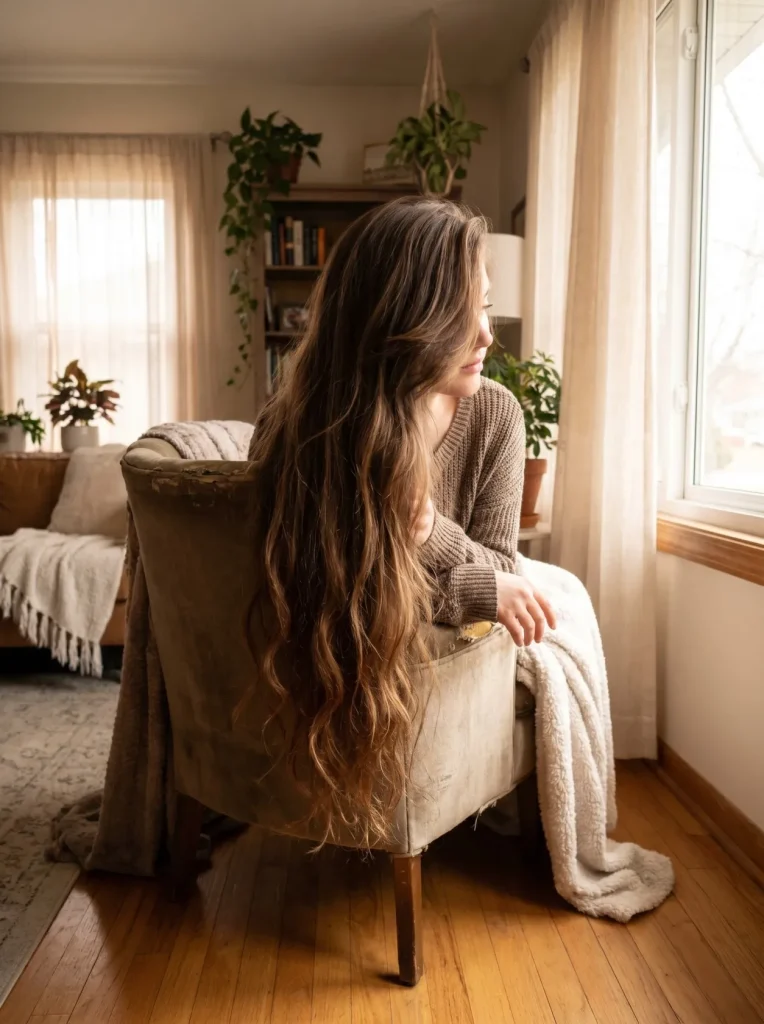
For another perspective on length, texture and shape, compare long hairstyles with face-framing layers with butterfly haircut ideas for different lengths and textures before choosing a reference to take to your stylist.
Styling and upkeep
Long layers look their best when the ends move. A large round brush and a hairdryer on medium heat will do most of the work. Dry the front pieces first, rolling them away from the face, and let the rest fall into place. A light leave-in cream keeps the layers soft without weighing them down. Heavy oils and thick butters sit on the surface and make the ends look stringy, so use a small amount and keep it away from the roots.
On days you do not blow-dry, a little texture spray through the mid-lengths gives the layers shape without heat. Sleep with your hair in a loose braid if you want soft waves in the morning, and brush the layers out gently with your fingers rather than a fine brush. Cuts like this usually need a trim every ten to twelve weeks, mostly to tidy the ends and keep the shortest layers from creeping toward your eyes. The most common mistake is over-layering the top. Once the crown is cut too short, the ends look thin and the shape collapses. Ask your stylist to cut less than you think you need. You can always take more off next time.
Frequently asked questions
Will long layers make my hair look thinner?
They can, if they are cut too short or too many are taken out of the crown. Long layers that start at the collarbone or lower keep most of the weight at the ends, so the hair still looks full. Tell your stylist you want movement without losing thickness, and ask them to show you where the shortest layer will sit before they cut it.
How often do long layers need a trim?
Most people go ten to twelve weeks between trims. That is usually enough to tidy the ends and keep the face-framing pieces out of the way. If your shortest layers grow quickly, you may want a small tidy-up of the front pieces between full cuts.
Do long layers work on curly hair?
Yes, and they often help curls sit better, because the weight of one length can pull curls flat. Layers should be cut on dry hair, or checked dry, so the finished shape is clear. Ask for longer layers first. Short layers spring up more than you expect once the hair dries.
What is the difference between long layers and a butterfly cut?
A butterfly cut is a kind of long layered cut. Its shortest layers sit high, around the chin, and are meant to flip out like wings. Long layers in general can start anywhere from the cheek down to the ends. If you want that bouncy, swept-out shape, say butterfly. If you want something quieter, ask for long layers without the high pieces.
Can I get long layers and keep my hair the same length?
Mostly, yes. Layers change the shape inside the hair, and only the shortest pieces are cut shorter than the rest. Your longest point stays where it is, unless you ask for the ends to be trimmed as well. Say at the start how much length you are willing to lose, and agree on it before the first section is cut.
Long layers suit most people because the idea is flexible. The shortest layer can sit at the cheek, the jaw or the collarbone, and the hem can be straight, rounded or pointed. What matters is matching those choices to your hair and to the amount of styling you are happy to do. Save two or three photos from this article that look closest to your own hair, and take them to your next appointment. Point to the layer height and the ends you like, and talk through what would need to change for your hair. That conversation is where a good cut starts.