Winter protective hairstyles for Black women need to work with coats, hats, cold wind, and the way your own hair behaves. A style that looks beautiful in a salon chair can feel uncomfortable once a scarf rubs the nape or a beanie presses on a tight hairline. The most useful winter styles keep handling manageable, reduce friction, and let you care for your scalp. Cold air and indoor heating both dry natural hair out, so a style that keeps the ends tucked and the scalp reachable for moisture is worth more than one that simply looks tidy on the first day. Knotless braids, twists, cornrows, locs and low buns all suit winter when they are installed without too much tension and sized to fit under your usual hat. The shape matters less than the comfort of the install, the weight of the style and how easily you can keep the scalp clean while it is in.
These 40 ideas cover knotless and box braids, cornrows, twists, locs, low buns, and hat-friendly options for natural hair, including 4C textures. They are styling ideas rather than guarantees against breakage: a braid or twist can cause damage when installed too tightly, kept in too long, or neglected underneath. For a broader year-round overview, visit our protective hairstyles for natural hair guide.
What makes a hairstyle practical for winter?
Look for a comfortable scalp, manageable weight, and a shape that fits under your usual headwear. Medium braids and low styles often sit more easily under a hat than a high bun. A satin-lined scarf or beanie can reduce friction from rough knits, but it does not replace cleansing and moisturizing. Choose installation and maintenance based on your hair density, texture, scalp condition, and stylist’s guidance. For 4C hair, knotless braids and twists usually feel more comfortable than styles pulled tight at the root, while looser textures can carry stitch cornrows and box braids well. If your edges are fine or thin, ask for smaller parts and lighter added hair so the style does not pull. Think about your routine too: if you exercise often, shorter braids or a low bun are easier to wash and re-tie than long waist-length braids. Try your usual beanie or scarf on before you leave the salon, and plan on six to eight weeks of wear at most — longer than that makes the roots harder to clean and the ends harder to keep tucked.
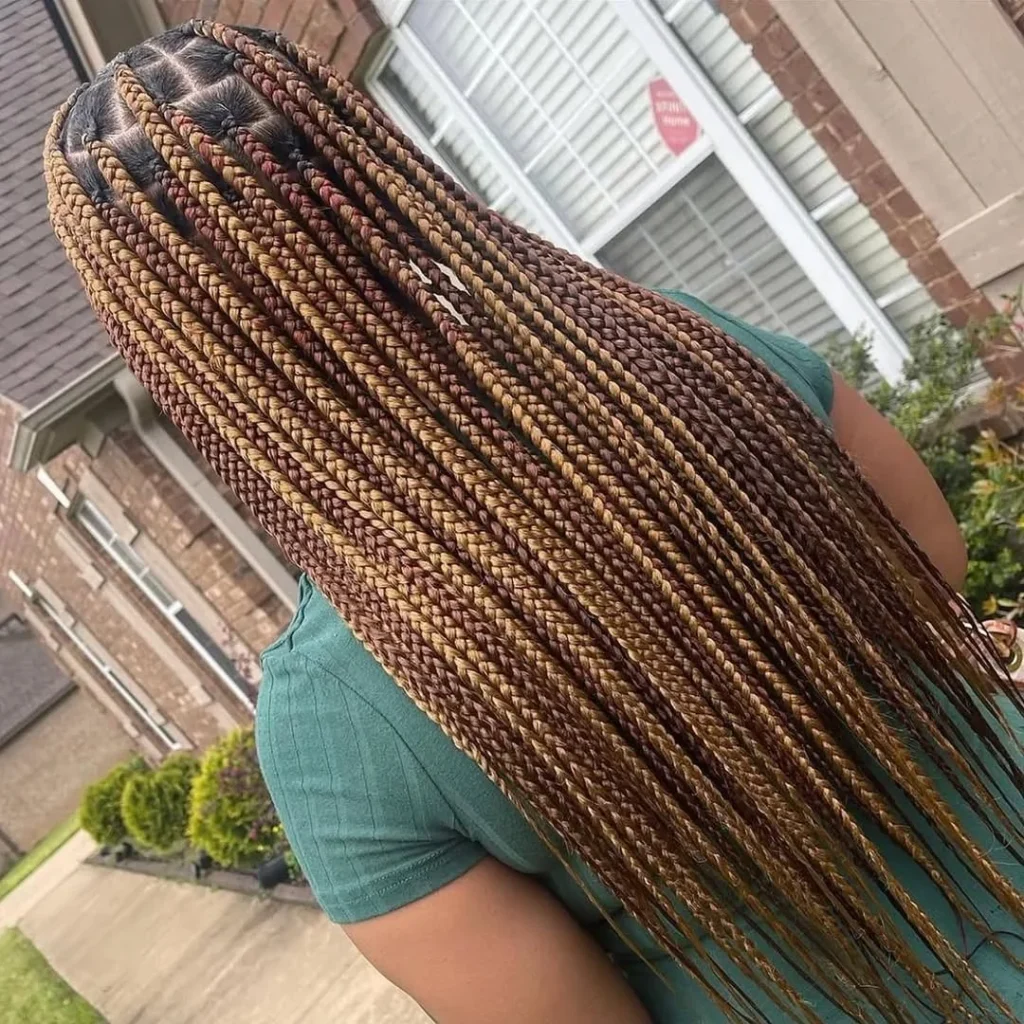
1. Medium Knotless Box Braids
View Instagram post by @braidsconnect
Medium knotless braids are a practical winter choice when you want hair tucked away but still easy to style. Keep the installation comfortable at the roots and choose a length that does not become heavy under a coat collar. A loose low ponytail usually leaves less bulk at the crown than a high bun, but check the actual hat and collar for pressure points. Moisturize your scalp according to its needs rather than adding oil every day.
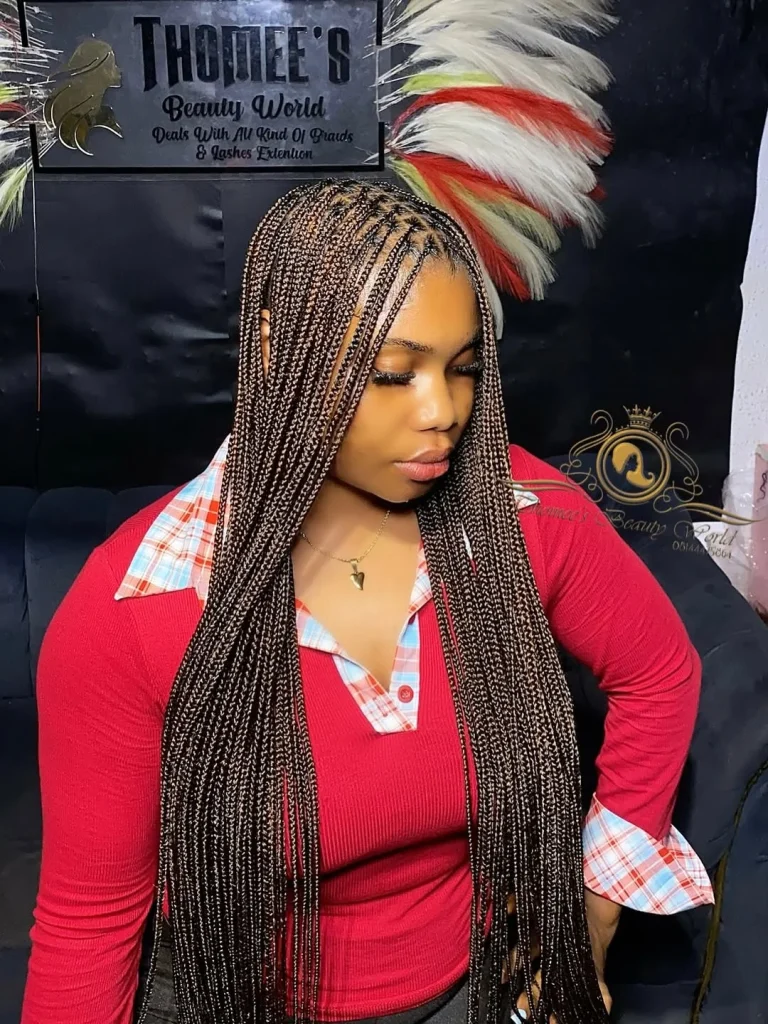
2. Small Knotless Braids
View Instagram post by @thomees.beauty.world
Smaller knotless braids offer styling flexibility, although the installation can take longer and the extra parting needs care. Ask for gentle tension around the temples and avoid pulling the front braids into tight ponytails. A satin-lined hat can help reduce rubbing at the hairline. If your scalp feels sore or irritated, the style is too tight.
3. Jumbo Knotless Braids

View Instagram post by @jamelabraiding
Jumbo knotless braids make a bold statement with fewer sections to manage. They are quick to gather into a low braid or loose ponytail before putting on a hood. The larger parts leave more scalp visible, so protect exposed areas from cold wind and dry air. Keep extensions light enough that they do not tug when wet.
4. Shoulder-Length Knotless Braids

View Instagram post by @bibi_hair_
A shoulder-length knotless bob stays out of the way of scarves and bulky coat collars. Ask for smooth, sealed ends that will not rub against knit fabric. The shorter length is easier to tuck beneath a beanie than waist-length braids. Keep the parting simple if you plan to wear the style to work every day.
5. Boho Knotless Braids with Controlled Curls

View Instagram post by @hairbywintersrevenge
Boho knotless braids mix plaits with loose curly pieces for a softer look. In winter, keep the curly sections shorter and fewer so they do not tangle against scarves. Detangle the loose hair gently, using a suitable leave-in when needed. If you want the lowest-maintenance option, standard knotless braids may be easier.
6. Side-Part Box Braids
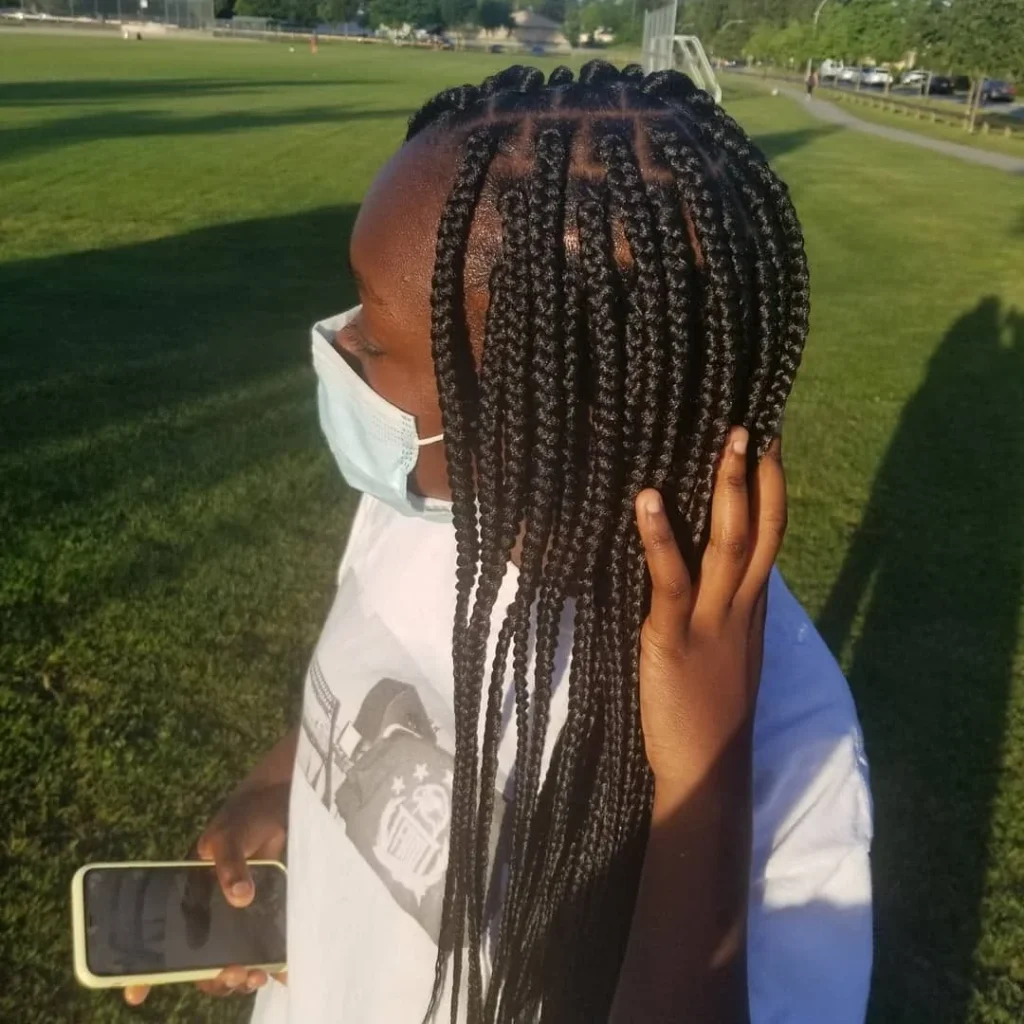
View Instagram post by @hairlynacare
A deep side part gives classic box braids a little movement without requiring daily restyling. Keep the braids loose at the front so a hat does not press against a tight hairline. A shoulder or mid-back length works well with winter layers. Shift the part occasionally if the same section is constantly rubbing under a hood.
7. Box Braids Bob
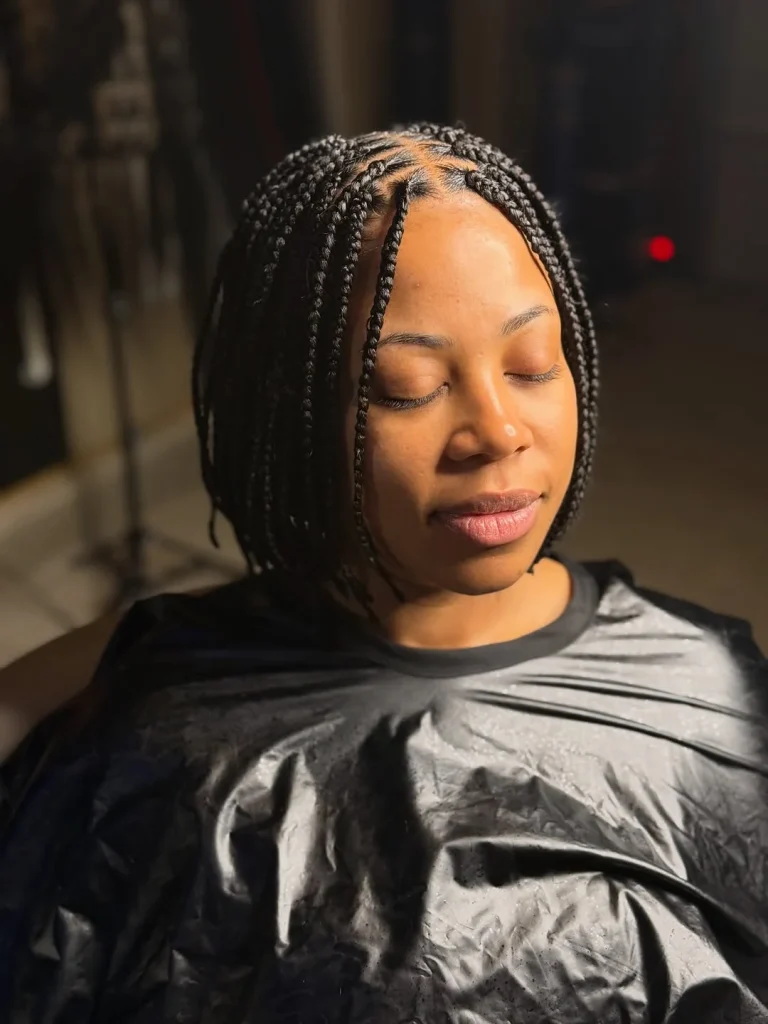
View Instagram post by @nyjaasstylez
A blunt bob made from box braids keeps the ends off your shoulders and reduces tangling with scarves. Choose a length that falls above the thickest part of your coat collar. A soft side part can add shape. Avoid overly heavy braids, especially when the style is short enough for the ends to swing near your face.
8. Triangle-Part Box Braids
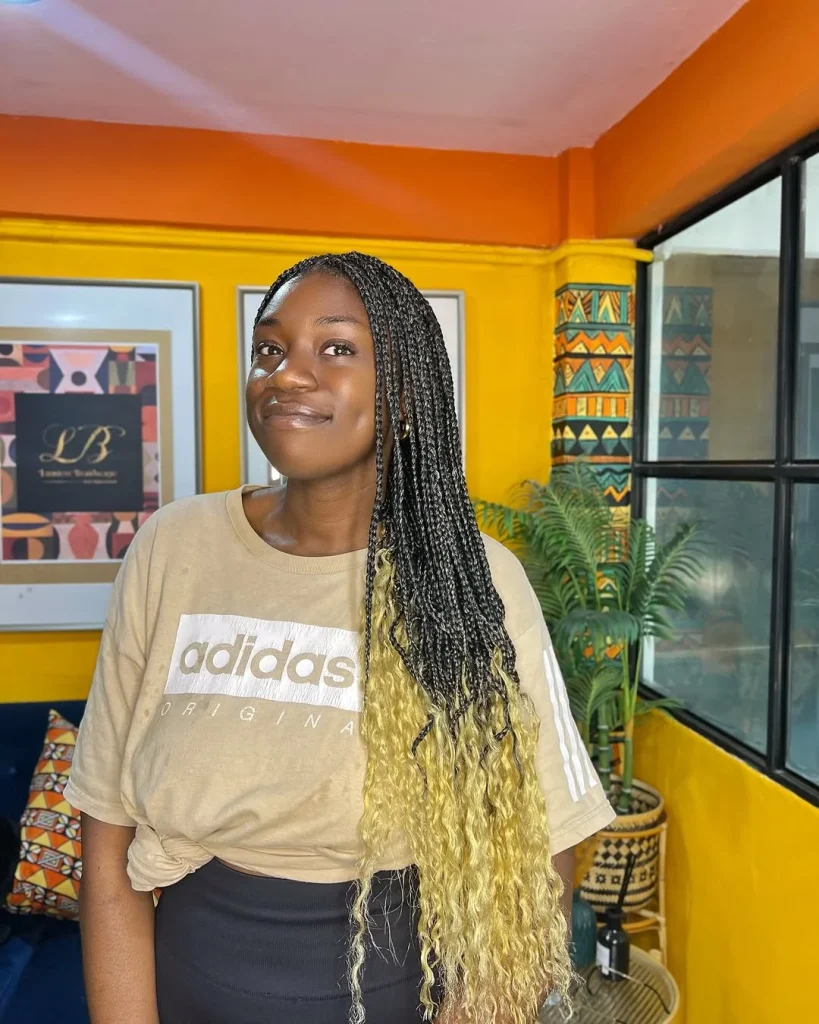
View Instagram post by @lumierebraidscape
Triangle parts give familiar box braids a geometric finish. The pattern is most visible near the crown, so it looks neat even when the braids are worn down. Ask for comfortable parting and avoid making the triangles too small around fragile edges. Under a hat, let the braids lie flat rather than stacking them into a bulky bun.
9. Braided Low Ponytail

View Instagram post by @bluehairguru
Gather finished braids into a low ponytail at the nape, using a soft fabric tie rather than a tight elastic. The low placement sits comfortably beneath most beanies and hoods. If your braids are long, loosely braid the ponytail itself to stop the ends catching on a coat zipper. Release the tie at home.
10. Feed-In Braids into a Low Braid

View Instagram post by @braidworks
Feed-in braids that follow the head toward the nape create a smooth profile under winter hats. Ask the stylist to keep the front hairline comfortable and the finished braid lightweight. This is useful when you want a neat look without a high bun. A satin scarf between the style and a rough hat may help limit friction.
11. Straight-Back Cornrows
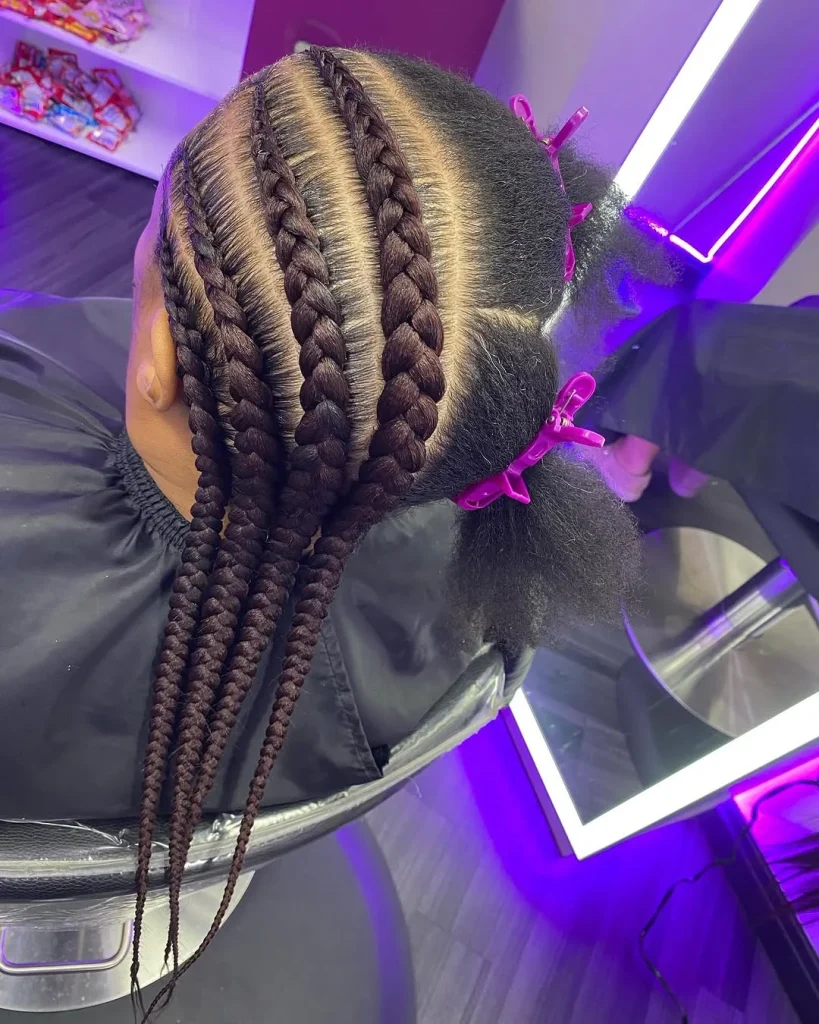
View Instagram post by @tysbraidinghands
Simple straight-back cornrows lie close to the scalp and fit under headwear without much bulk. The benefit depends on gentle installation; painful tight braids can damage hair and should be loosened. Keep the rows medium rather than extremely fine if your hairline is delicate. For more braid patterns, see our cornrows for natural hair guide.
12. Curved Cornrow Rows

View Instagram post by @zamariah.didit
Cornrows that curve toward one side create an interesting pattern while staying flat under a hood. Ask for smooth, natural curves rather than tight, sharp turns at the edges. A satin-lined beanie can sit over the rows without flattening a high style. Keep the scalp clean according to your usual routine while the braids are installed.
13. Side-Swept Cornrows
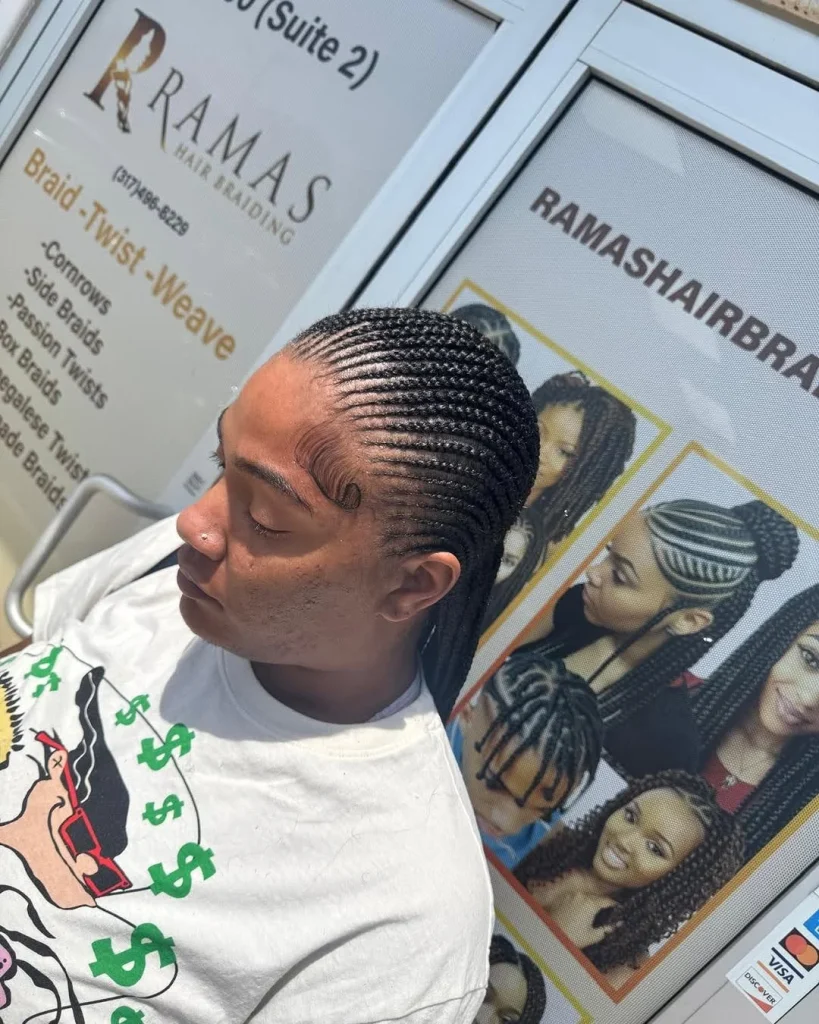
View Instagram post by @ramasafricanhairbraiding
Side-swept cornrows gather the hair toward one shoulder or a low side braid. The asymmetrical shape looks styled without daily heat. Position the finished braid so it does not sit directly under a scarf knot or backpack strap. Keep the edges loose, especially if the style will be worn for several weeks.
14. Flat-Twist Crown
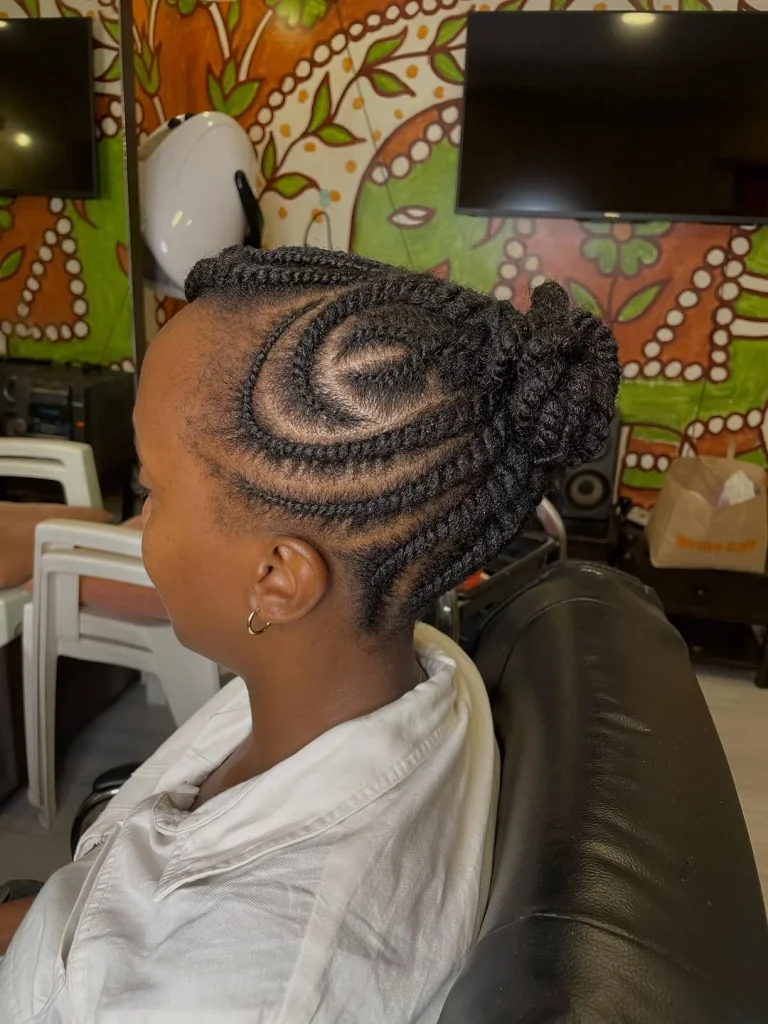
View Instagram post by @the_beau_beauty_parlor
A flat-twist crown wraps hair around the head in a soft halo. It tucks the ends away and looks elegant with a winter coat. Make the twists loose enough to avoid pulling around the temples. A wide, satin-lined headband may be more comfortable than a snug hat if you want to preserve the crown’s shape.
15. Flat Twists to the Nape

View Instagram post by @bluerebbon
Flat twists directed from the forehead toward the nape keep natural hair compact and easy to cover. Gather the ends into a low tucked bun or a single loose twist. This style works well on moisturized, detangled hair. Avoid redoing the same edges daily, since repeated manipulation can cancel out the benefit of a protective style.
16. Mini Two-Strand Twists
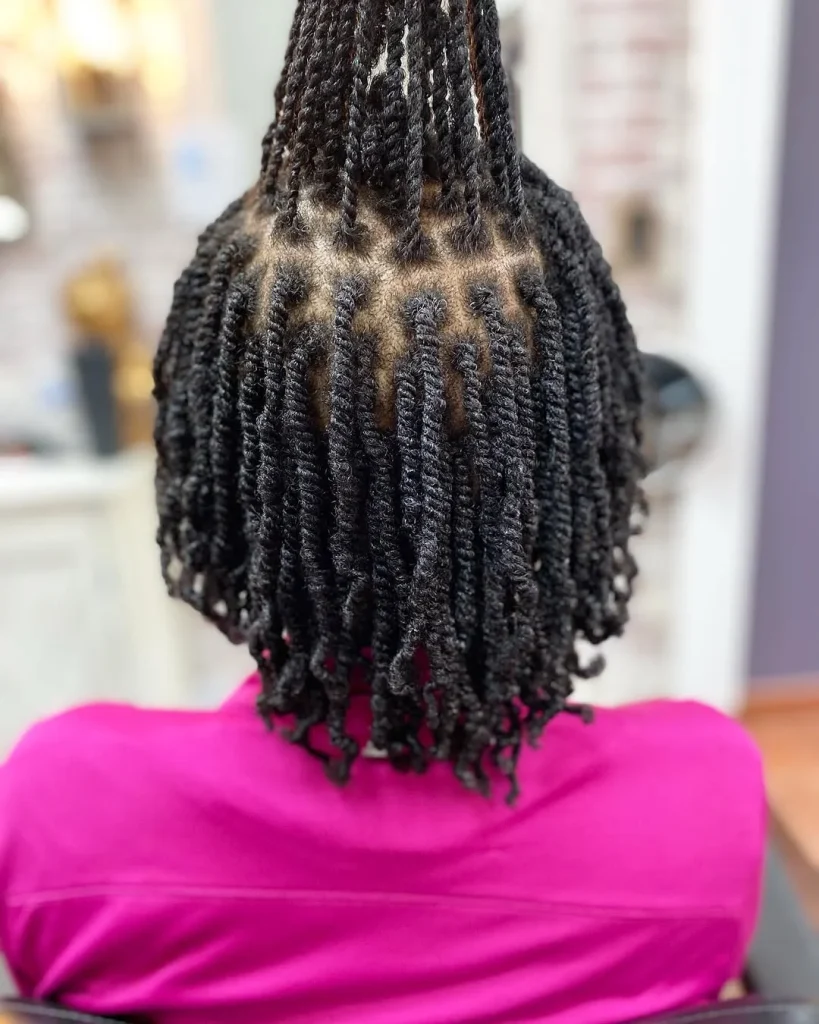
View Instagram post by @flourish_curlssalon
Mini twists on natural hair offer flexibility without extensions. They can be worn down, tucked behind the ears, or gathered loosely beneath a hat. Start on detangled hair with enough moisture for your texture and avoid twisting too tightly at the root. When the ends begin to tangle, refresh carefully rather than pulling them apart.
17. Chunky Two-Strand Twists
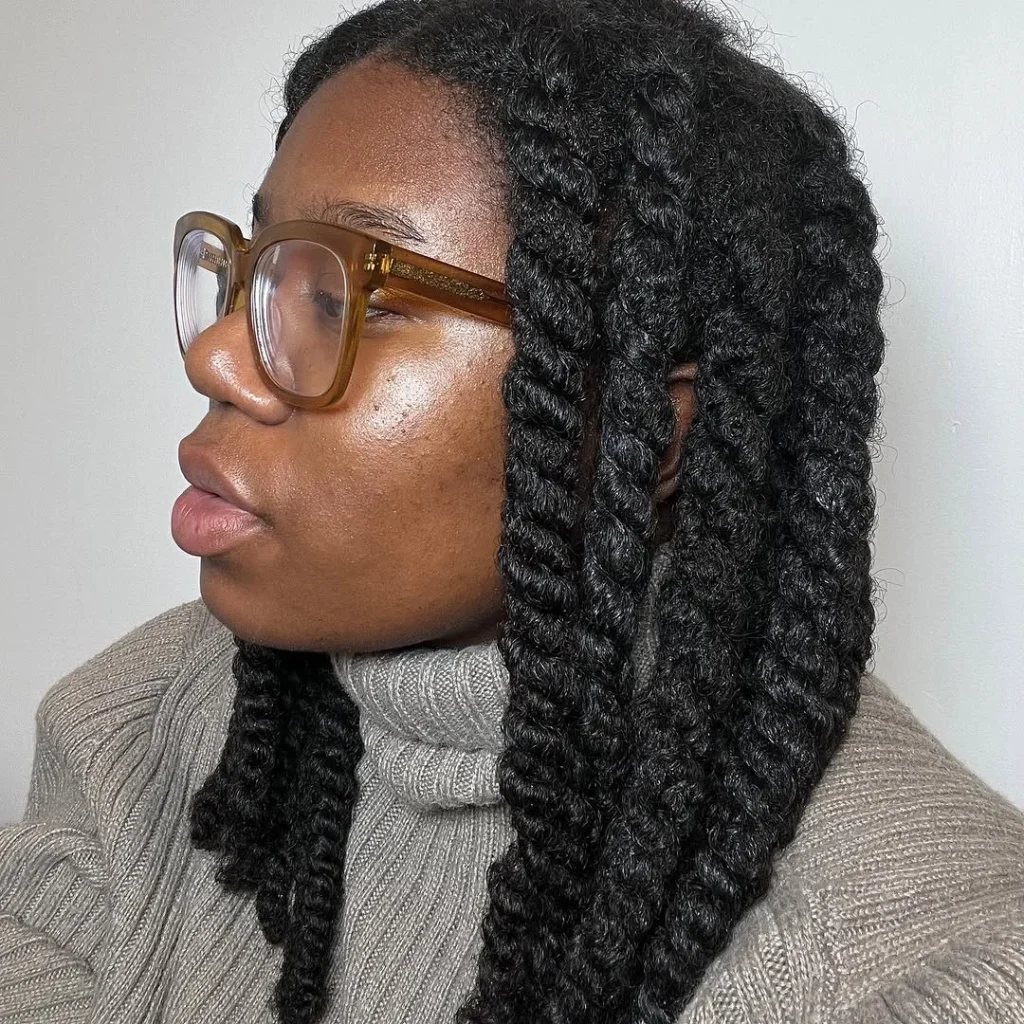
View Instagram post by @curlcodeblack
Chunky twists create a fuller shape with fewer sections than mini twists. They are especially useful when you want to wash and restyle at home without a long salon appointment. Keep the twists medium tension and tuck the ends into a low bun on windy days. For more variations, see our two-strand twist hairstyles.
18. Shoulder-Length Passion Twists

View Instagram post by @braids_by_tia_
Passion twists have a soft, springy texture that looks pretty with winter knitwear. Choose a shoulder-length version to reduce rubbing on scarves. Loose fibers can snag on rough wool, so a smooth lining is helpful. Keep the installation lightweight and follow your stylist’s instructions for cleansing and drying the added hair.
19. Short Spring Twists
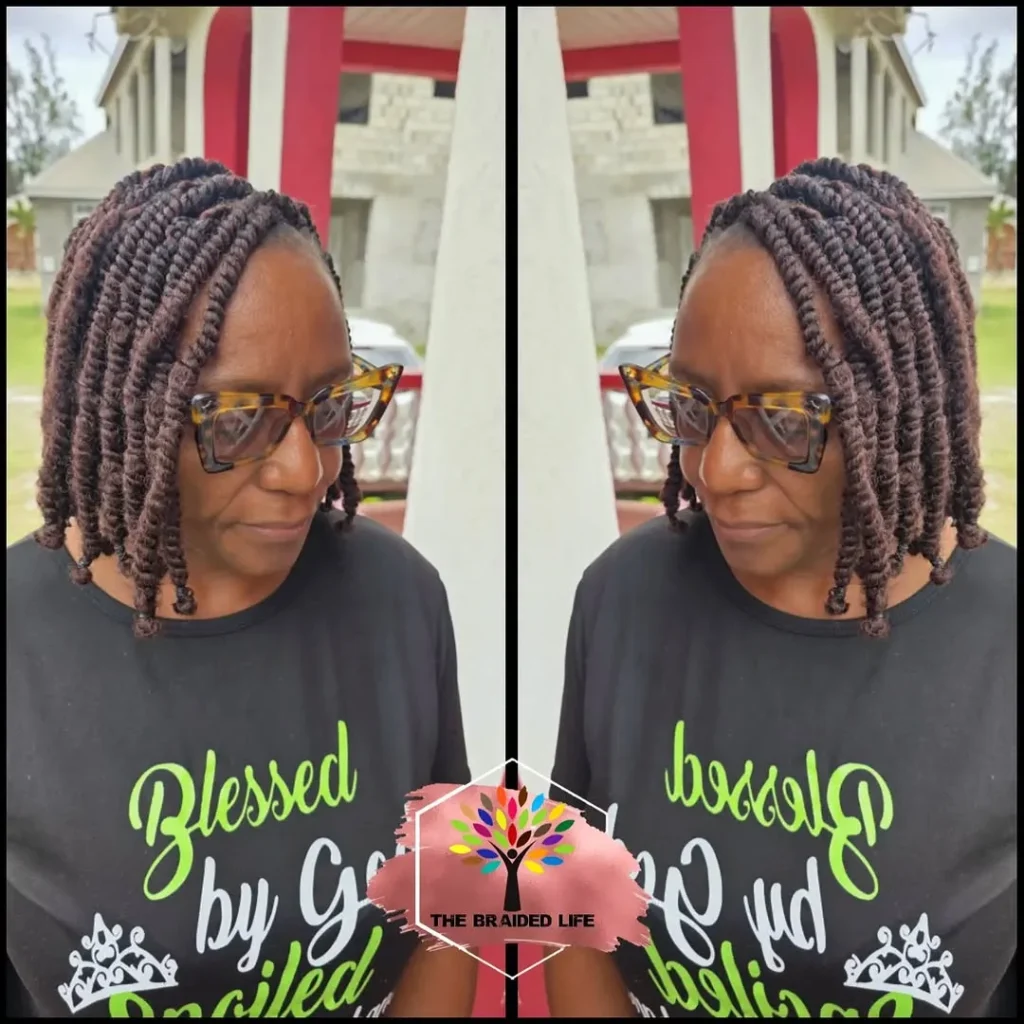
View Instagram post by @thebraidedlife_
Spring twists create compact coils that are easy to wear beneath a hood. A short bob shape keeps the ends off bulky collars. Ask for a comfortable installation and a size that matches your hair density. Avoid repeatedly pulling the twists into a tight high ponytail; let them hang naturally whenever possible.
20. Senegalese Twists

View Instagram post by @thebraidedlife_
Smooth rope-like Senegalese twists make a sleek winter protective style. Medium twists can be gathered into a low ponytail without creating much bulk under a hat. Choose a manageable length and avoid heavy extensions that strain the roots. If the twists start pulling at the edges, loosen the style rather than trying to conceal the discomfort.
21. Marley Twists

View Instagram post by @crown_beauties
Marley twists have a textured finish that blends beautifully with natural hair. They look especially cozy with winter coats, but the added hair should be kept light enough for comfortable wear. A medium length is easier to manage around scarves. Keep the ends from rubbing constantly against rough fabrics by gathering them loosely at the nape.
22. Rope Twists Low Bun

View Instagram post by @game_of_fros
Gather medium rope twists into a soft low bun at the nape for an office-friendly winter style. Use large pins sparingly and check that the bun does not press painfully against a coat collar. The bun should feel secure without pulling at the hairline. Release it when you are home if you notice tension.
23. Twisted Updo with Tucked Ends

View Instagram post by @zinhle.africa
A loose twisted updo can keep natural hair ends tucked away during cold weather. Work with stretched or detangled hair, form several twists, then pin them into a soft shape at the back. Avoid pulling every section tightly toward the crown. This is a useful alternative when you do not want extensions.
24. Mini-Twist Half-Up Style

View Instagram post by @naturally.mea
Leave most mini twists down and gather only the front sections into a loose half-up style. It keeps hair away from the face without loading all the weight onto one ponytail. Under a hat, release the half-up section so the crown lies flatter. Use a satin scrunchie to minimize snagging when you take it down.
25. Shoulder-Length Faux Locs

View Instagram post by @jai_fauxlocs
Faux locs at shoulder length give a textured look while keeping natural hair enclosed within the installation. Ask for a comfortable base and avoid excessive weight, especially around the edges. A satin-lined hood is kinder to the surface than rough wool. Clean and dry the scalp and locs carefully according to your stylist’s advice.
26. Soft Locs Bob

View Instagram post by @trapness
A soft locs bob sits above the collar and is easier to manage under winter outerwear than very long locs. Choose a natural-looking medium thickness that does not overwhelm the roots. A side part adds shape without needing daily restyling. Keep the style dry after washing before putting on a tight hat.
27. Short Butterfly Locs

View Instagram post by @_beautyzzone
Butterfly locs have a slightly distressed, looped texture. A short version gives the look without long ends catching on a coat. Because the loops can snag on rough scarves, choose smooth fabrics near the neck. Ask for light installation and avoid excessive manipulation around the front hairline.
28. Mature Locs Low Ponytail

View Instagram post by @locsandthecity
Gather established locs into a low, loose ponytail that fits beneath a beanie. A wide fabric tie distributes pressure better than a narrow elastic. Make sure the locs are fully dry before covering them for long periods. This simple arrangement keeps the style neat without frequent retwisting.
29. Mature Locs Low Bun
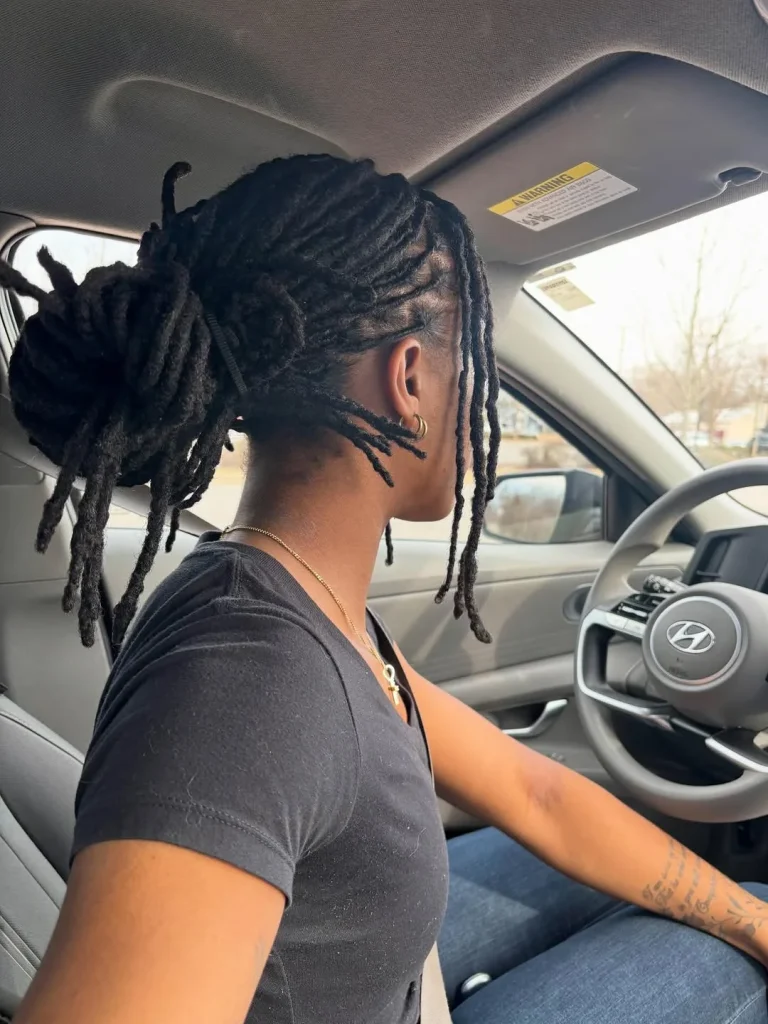
View Instagram post by @jordanslocd
A low loc bun looks polished with a winter coat and keeps the ends off the neck. Build it loosely enough to avoid tension at the temples, and choose a size that will not press against a scarf. For thick or long locs, a low ponytail may feel more comfortable than a compact bun.
30. Two-Strand Twists on Locs

View Instagram post by @creations.bymayaa
Twisting pairs of established locs creates a defined, tidy style with little daily handling. The twists should not feel tight at the roots. Wear them down or gather them loosely under a hood. Ask your loctician about the right timing for your maintenance routine rather than retwisting too frequently.
31. Braided Base Beneath a Wig
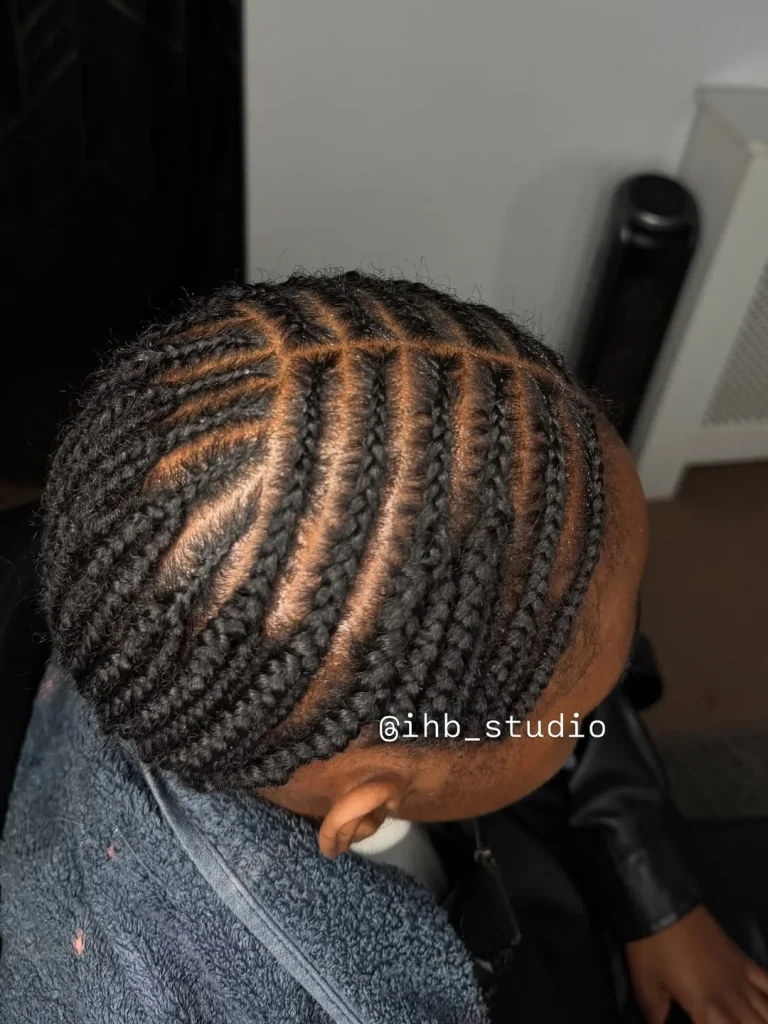
View Instagram post by @ihb_studio
Flat cornrows under a wig can keep natural hair tucked away, but the foundation should never be painfully tight. Use a breathable, comfortable wig cap and avoid clips that repeatedly catch the same hairline areas. Remove and clean the wig as appropriate, and continue caring for the hair and scalp underneath.
32. Glueless Wig with a Gentle Base

View Instagram post by @wowafrican_official
A glueless wig can offer styling variety while your natural hair is kept in loose braids or twists. Check that the band does not rub or squeeze the temples, especially under a winter hat. Keep the scalp clean and the hair underneath moisturized as needed. Avoid sleeping in a wig if it causes friction or discomfort.
33. Low Tucked Bun on Stretched Natural Hair

View Instagram post by @rockinitnatural
A low tucked bun can protect the ends without extensions. Start with gently stretched, detangled hair, gather it loosely at the nape, and tuck the ends inward with a few pins. Avoid tight brushing around the hairline. A satin-lined scarf can sit comfortably over the bun when you head outdoors.
34. Loose Braided Low Bun

View Instagram post by @ambershairandbeautyspa
Create one or two loose braids, then pin them into a low bun. The braids help keep the ends together and reduce the need to comb the hair every morning. Leave some softness around the front rather than pulling the edges tight. If your hair is very thick, split it into two buns for comfort.
35. Tucked French Roll on Natural Hair

View Instagram post by @lenedidthat
A relaxed French roll gathers stretched natural hair into a smooth vertical tuck. Secure it with wide pins that do not dig into the scalp. This works well for winter events when you want the ends protected but prefer an elegant silhouette. Remove the pins gently and avoid sleeping on an uncomfortable roll.
36. Chunky Braided Crown

View Instagram post by @funmi_ni_hair
A chunky braided crown keeps the ends tucked around the head in a compact shape that sits comfortably under a beanie or hood. Keep the crown smooth and low rather than piled high, and avoid heavy pins directly under snug headwear. This style can look beautiful with a long coat or knit dress.
37. Headwrap over Loose Twists

View Instagram post by @tamm.ogu
A headwrap can protect a twist style from wind and reduce contact with rough coat fabrics. Choose a smooth lining against the hair, then tie the outer scarf loosely enough to stay comfortable. Keep the twists moisturized as needed underneath. Do not leave a damp scalp covered for long periods.
38. Satin-Lined Beanie over Braids

View Instagram post by @lu5tfulthebrand
A satin-lined beanie can be helpful for knotless braids, cornrows, or mini twists because it reduces direct rubbing from knit fabric. Choose a hat that fits without pressing on the edges. Gather long braids low before putting it on. Our beanie hairstyle guide offers additional hat-friendly looks.
39. Claw-Clip Tucked Twists
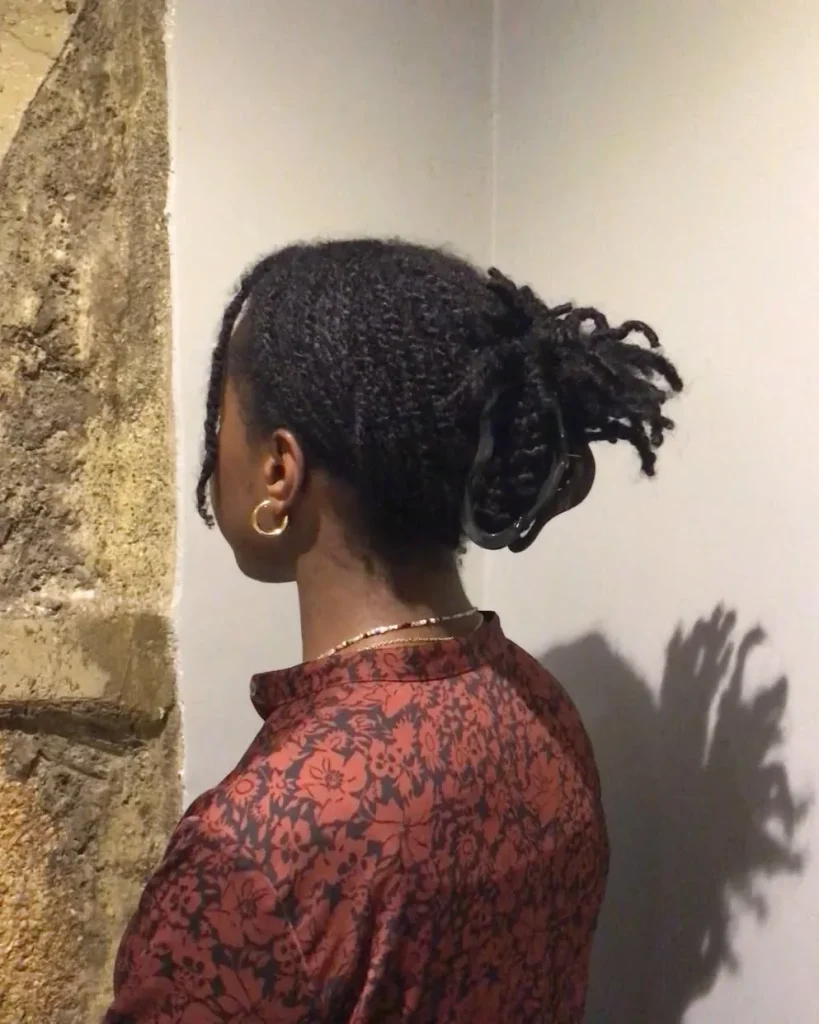
View Instagram post by @kinkybantu
For medium-length twists, gather the ends loosely at the nape and secure them with a smooth, lightweight claw clip. Position the clip so it does not press against a coat collar or the back of your head. This is best for brief daytime wear; remove hard clips before sleeping or wearing a snug hat.
40. Sleek Low Ponytail under a Winter Hood

View Instagram post by @simplyamandarenee
A sleek low ponytail keeps natural hair smooth and compact beneath a winter hood. Gather the hair at the nape with a soft tie, keeping the top sleek and the tension gentle at the hairline. The low position sits flat, so a hood or scarf goes over it without bulk or snagging. Keep the ponytail moisturized and avoid pulling it tight, especially under snug headwear.
A simple winter care routine for braids, twists, and locs
Before installing a style, detangle gently and make sure the scalp is comfortable. During wear, clean the scalp as appropriate for your hair and product routine, let the hair dry thoroughly after washing, and use lightweight moisture where needed. Avoid repeatedly tightening ponytails or retwisting fragile edges. If you notice pain, bumps, or persistent irritation, loosen or remove the style and seek professional advice when appropriate. A scalp rinse or diluted shampoo every one to two weeks keeps buildup down, and drying the braids fully — especially under a hat — stops the damp smell that comes from moisture trapped inside. A light oil or a leave-in spray on the scalp and the ends is usually enough; heavy grease sits on top of the style and can block the scalp. At night, a satin bonnet or pillowcase keeps the style smoother than cotton. Give the edges a break between installs, and detangle gently with conditioner before the next style goes in.
How to wear protective styles under hats and scarves
Choose headwear that fits without compressing the hairline. A smooth lining is helpful when a wool or acrylic hat feels rough. Keep bulky buns away from the back of a coat collar, and gather long braids low so they do not catch in zippers. Let damp hair dry before covering it for extended periods. On days when you want the hair visible, a loose low ponytail or side part is usually easier than rebuilding a tight style. A satin-lined beanie or a silk scarf worn under a wool hat protects the hairline without changing the look of the outfit. If your coat has a high collar, tuck long braids inside or tie them low so the zipper does not snag them. A little light oil smoothed over the surface tames the frizz that dry winter air brings, and if you wear a beanie every day, a low bun or a short bob-length braid set is easier to manage than a long style that has to be re-tucked each morning.
Winter protective hairstyle FAQs
Are knotless braids good for winter?
They can be convenient because the hair stays organized and the style can be worn low beneath a hat. Comfort depends on braid size, added hair weight, and installation tension. Any painful style should be loosened.
What protective styles work for 4C hair?
Medium two-strand twists, flat twists, gentle cornrows, and low tucked buns are useful starting points. Choose a method that keeps the hair moisturized and lets you cleanse the scalp without constant restyling.
How long should winter braids stay in?
There is no single safe duration for everyone. Your hairline, scalp health, braid size, extension weight, and maintenance all matter. Follow the advice of a qualified stylist and remove a style earlier if it becomes uncomfortable, tangled, or difficult to clean.
Can a beanie damage protective hairstyles?
A tight or rough hat can increase rubbing and tension, especially near the edges. Try a comfortable satin-lined option, avoid wearing it over damp hair for long periods, and change the way you position braids so the same area is not constantly stressed.
How do I keep my scalp comfortable in a protective style all winter?
Check the edges and scalp the day after installation — if it feels sore or itchy, go back to the braider for an adjustment instead of loosening anything yourself. Cleanse the scalp with a diluted shampoo or a scalp rinse every one to two weeks, and moisturize with a light oil or a spray made for braids. Take the style down as soon as you notice thinning edges, persistent soreness or buildup that will not rinse out.
Choose comfort over complexity
A loose medium-braid set, well-maintained twists, or a low tucked style can look polished through winter without demanding daily heat. Choose the version that fits your actual routine and headwear, and give the hairline room to rest. Save two or three photos from this list that match your hair texture and the headwear you wear most — a low bun for a beanie, a medium braid set for a scarf — and show them to your stylist before your next install. They can help you pick a size and length that sits well under your coat and still looks good when the hat comes off.