A beanie is one of the few winter accessories that changes the hair underneath it. The band presses down on the roots, the knit holds warmth and moisture against the crown, and the hat’s shape decides where the hair can sit. Low braids, loose lengths and nape-level arrangements leave less bulk beneath the hat, which is why they work so well with one on. Fringes and curls can still look good under a beanie, though they usually need a small reset when the hat comes off, and a little patience in the morning.
The hat itself matters as much as the hairstyle. A tight, ribbed beanie will flatten fine roots in about half an hour, while a slouchy or roomy one leaves the shape mostly alone. Smooth linings, such as satin or silk, reduce the friction that makes curls frizz and causes static at the crown. A loose knit lets the hair breathe but shows less of a clean outline, so the best choice is the hat you actually wear, tried on with the style you plan to use.
Think about the day the hat has to carry you through. A walk to work, a school run and a long afternoon outdoors all pull at the hair in different ways, and the style that looks perfect in the mirror at home can flatten by lunchtime. Pick a shape that holds through those hours, try it with the hat you actually wear, and carry a small comb so the refresh indoors takes a minute rather than a full restyle.
How to use these beanie references
Some photographs show the underlying haircut or braid arrangement without a hat. Use them to compare the hair shape, then test it with your own beanie; they are not demonstrations that every pictured style was worn under one.
- A French bob or pixie reference can guide the pieces you want visible below the cuff.
- Low braids and ponytails should be placed where the hat and a headrest will not press into the tie.
- Curly and coily styles may need more room beneath the hat than a flatter reference suggests.
Test the fit before a long day out
Put on the actual hat and turn your head, sit and remove it again. Check the roots, fringe and any clips for pressure or snagging. A looser fit or lower anchor can be more useful than adding tighter ties. The detailed styling options and troubleshooting below offer different ways to adapt the underlying references.
A beanie keeps your ears warm, but it can flatten roots, crush curls, or leave a ponytail sitting in the wrong place. The easiest fix is choosing a hairstyle that works with the hat’s shape. Low braids, loose waves, soft bangs, and nape-level buns all leave the crown relatively flat.
These 25 beanie hairstyles include short bobs, long hair, curls, protective styles, and easy winter braids. Each idea explains how to wear the hat comfortably and what to do when you take it off. If you want more cold-weather inspiration, explore our winter hairstyles.
Choose a beanie hairstyle for your hair type
With short hair, leaving the fringe or front layers visible is one option; you can also tuck them away if the hat fits comfortably. Medium and long hair can be gathered low to avoid a lump under the hat. For curly and coily textures, choose a roomy beanie and avoid rough friction at the hairline. If the hat hurts or leaves strong pressure marks, try a looser fit.
Beanie hairstyles for short hair and bobs
Show a little shape around the face so the haircut does not disappear beneath the cuff.
1. French Bob With a Cuffed Beanie
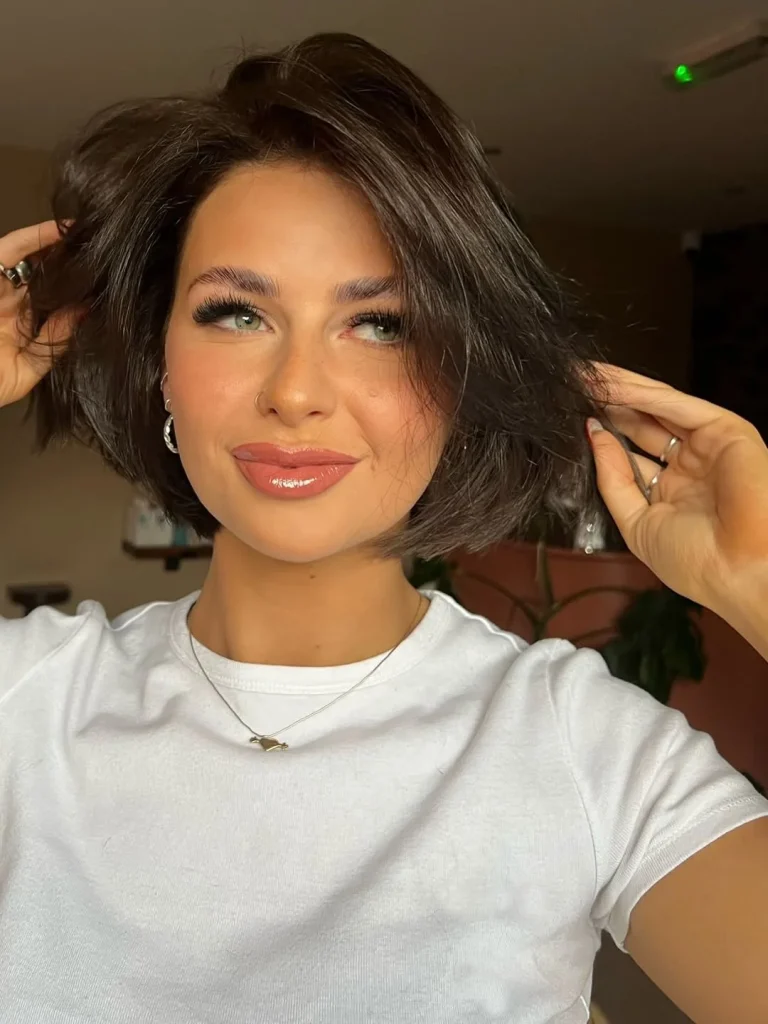
View Instagram post by @brassy2sassyy
Let a chin-length French bob peek out beneath a ribbed beanie, with the front pieces curving softly toward the jaw. Wear the cuff just above your eyebrows so the haircut still frames your face. This looks particularly good with a slightly off-center part and natural movement.
Styling tip: Best for chin-length bobs; loosen the hat rather than flattening the crown.
2. Textured Pixie With Side-Swept Fringe

View Instagram post by @truebluesalonnashville
A pixie can look playful with a slouchy beanie when you leave the fringe visible at the front. Use a small amount of lightweight styling cream to separate the fringe into pieces. Avoid loading the roots with wax, which can make hat hair look greasy.
Styling tip: Best for cropped cuts with enough fringe to sweep sideways.
3. Tucked-Behind-the-Ear Short Bob
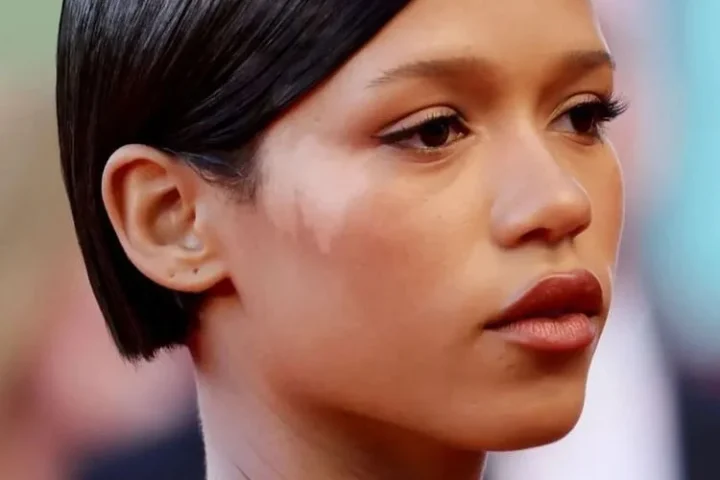
View Instagram post by @cropped2perfection
Tuck one side of a short bob behind your ear and pull a soft beanie slightly back from the hairline. The asymmetry keeps the style intentional even when the hat covers the crown. Let the opposite side fall naturally across the cheek.
Styling tip: Best for straight or wavy bobs; use a small hidden pin if needed.
4. Wavy Lob With Face-Framing Pieces
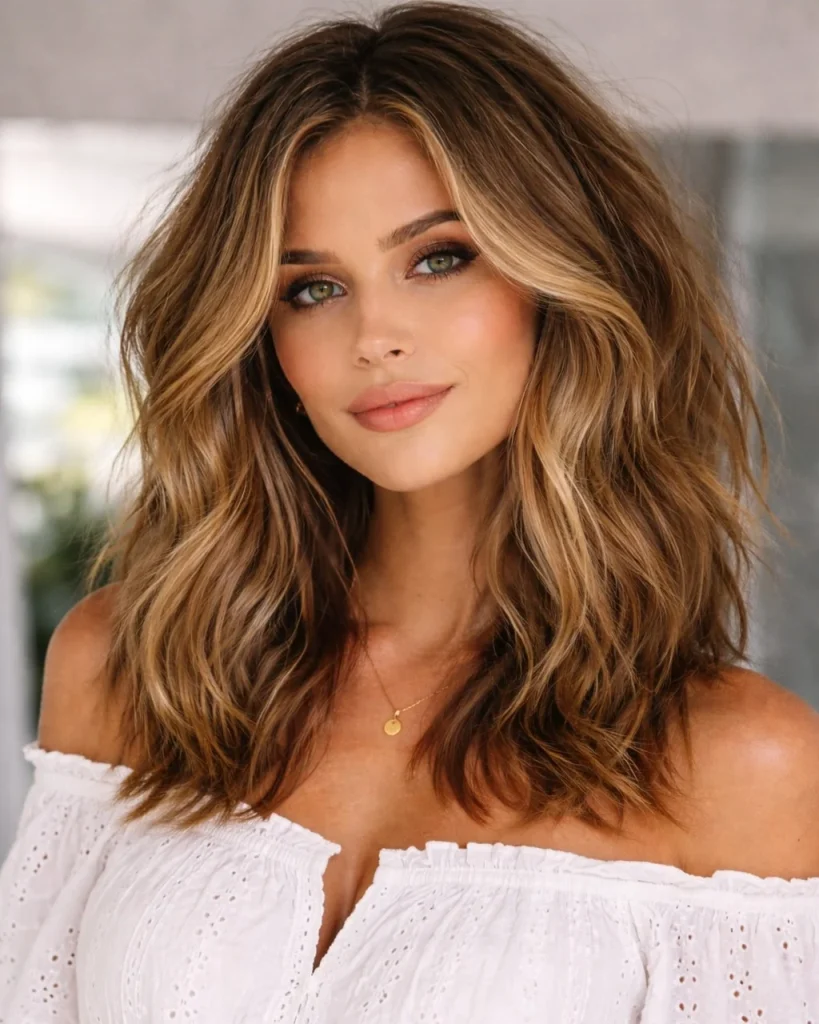
View Instagram post by @hairstylespacecom
Loose bends in a long bob look relaxed beneath a knit beanie. Keep two face-framing sections outside the hat, then lightly separate the ends with your fingers. If your hair is fine, avoid heavy oils before putting the hat on.
Styling tip: Best for shoulder-skimming hair; refresh the waves after removing the beanie.
5. Curly Short Bob Under a Satin-Lined Beanie

View Instagram post by @isabellahair
Let a naturally curly bob spread around the sides of a soft beanie instead of forcing the curls underneath. A satin-lined hat can reduce friction for some curl types. Position the front edge carefully so the curls at the forehead keep their shape.
Styling tip: Best for short curls; choose a hat that does not compress the hairline.
Beanie hairstyles for medium-length hair
Keep most of the volume below the hat line for comfort and an easy refresh.
6. Loose Low Ponytail With a Beanie

View Instagram post by @nanami.teraiii
Gather shoulder-length hair at the nape with a soft elastic, leaving a little movement around the temples. The ponytail sits below the hat instead of creating a bump underneath it. A ribbed beanie and relaxed strands make the style feel effortless.
Styling tip: Best for busy mornings; avoid a tight elastic that pulls at the scalp.
7. Half-Up Twist Beneath a Slouchy Beanie
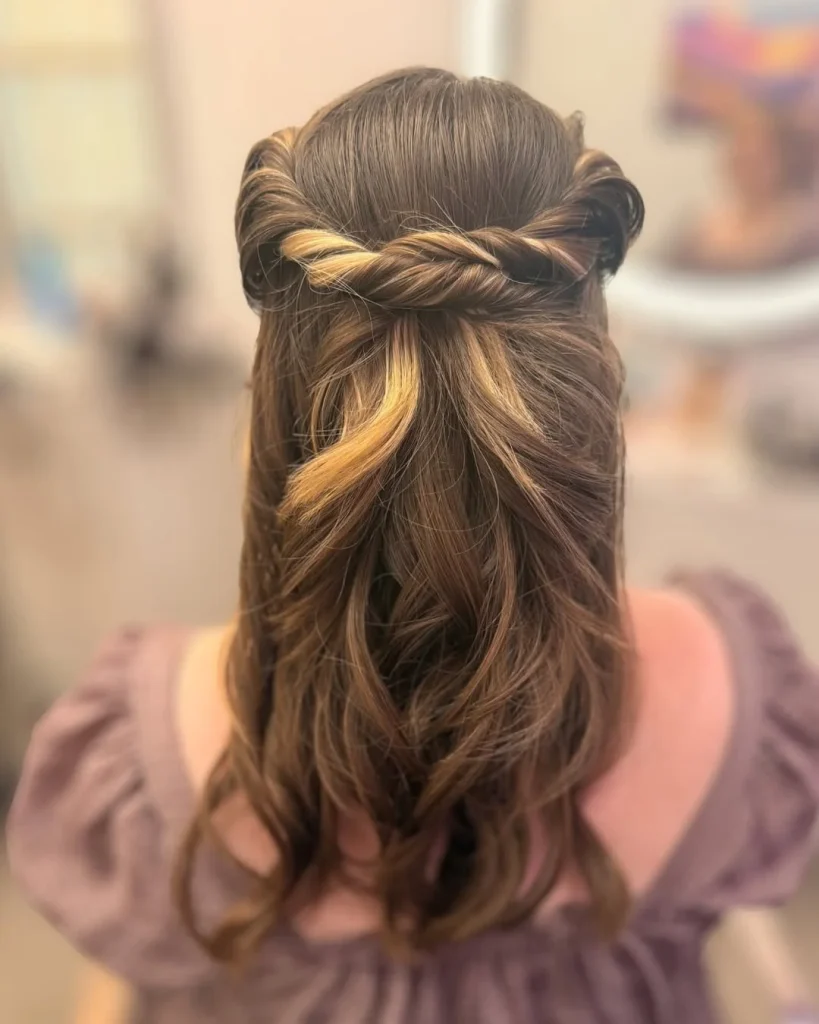
View Instagram post by @studiosheva7
Take a small section from each temple, twist them toward the back, and secure them low enough that the beanie sits comfortably above the join. Leave the remaining hair loose. This keeps front pieces out of your face without building a bulky crown.
Styling tip: Best for medium hair; use a flat pin rather than a large clip.
8. Soft Shoulder-Length Waves
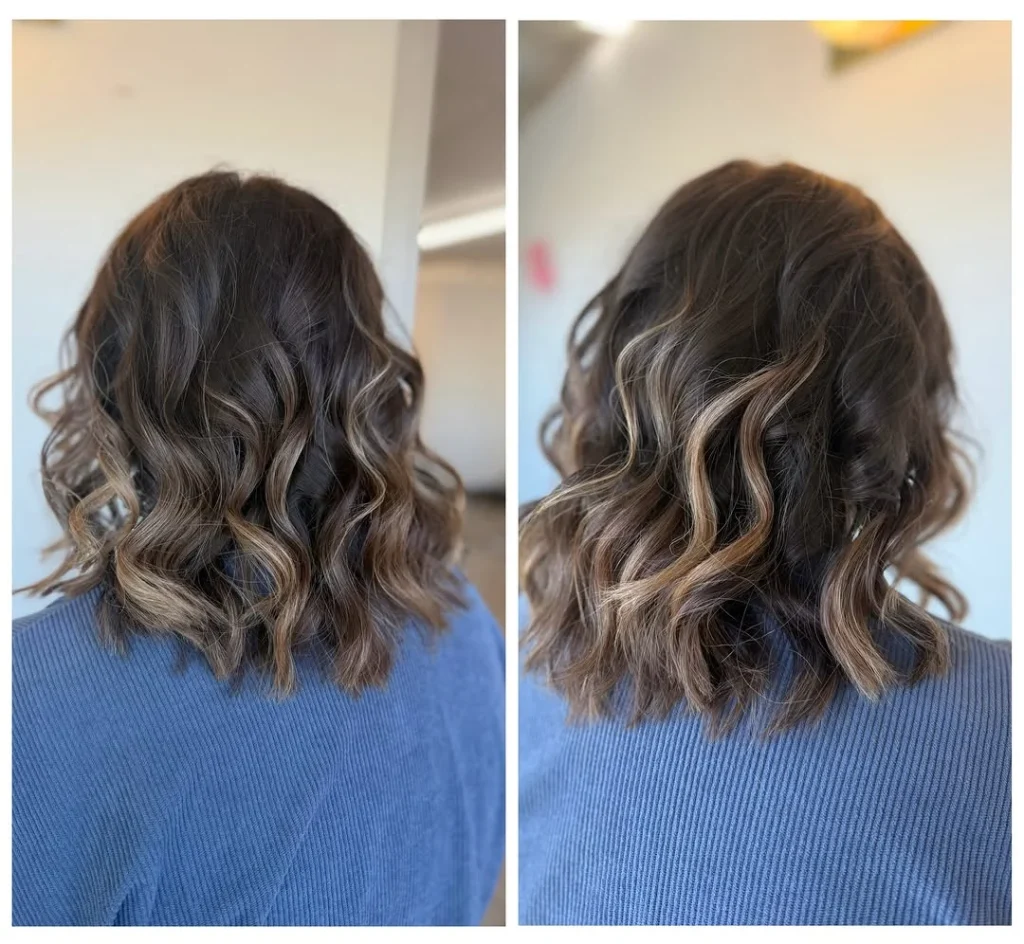
View Instagram post by @ashleebeautyco
Let natural or heatless waves fall from beneath a beanie for a casual winter look. The movement at the ends balances the snug shape of the hat. If your waves lose definition, gently scrunch them with a little water after taking the beanie off.
Styling tip: Best for wavy hair; try our heatless curl methods the night before.
9. Low Mini Bun With Wispy Sides
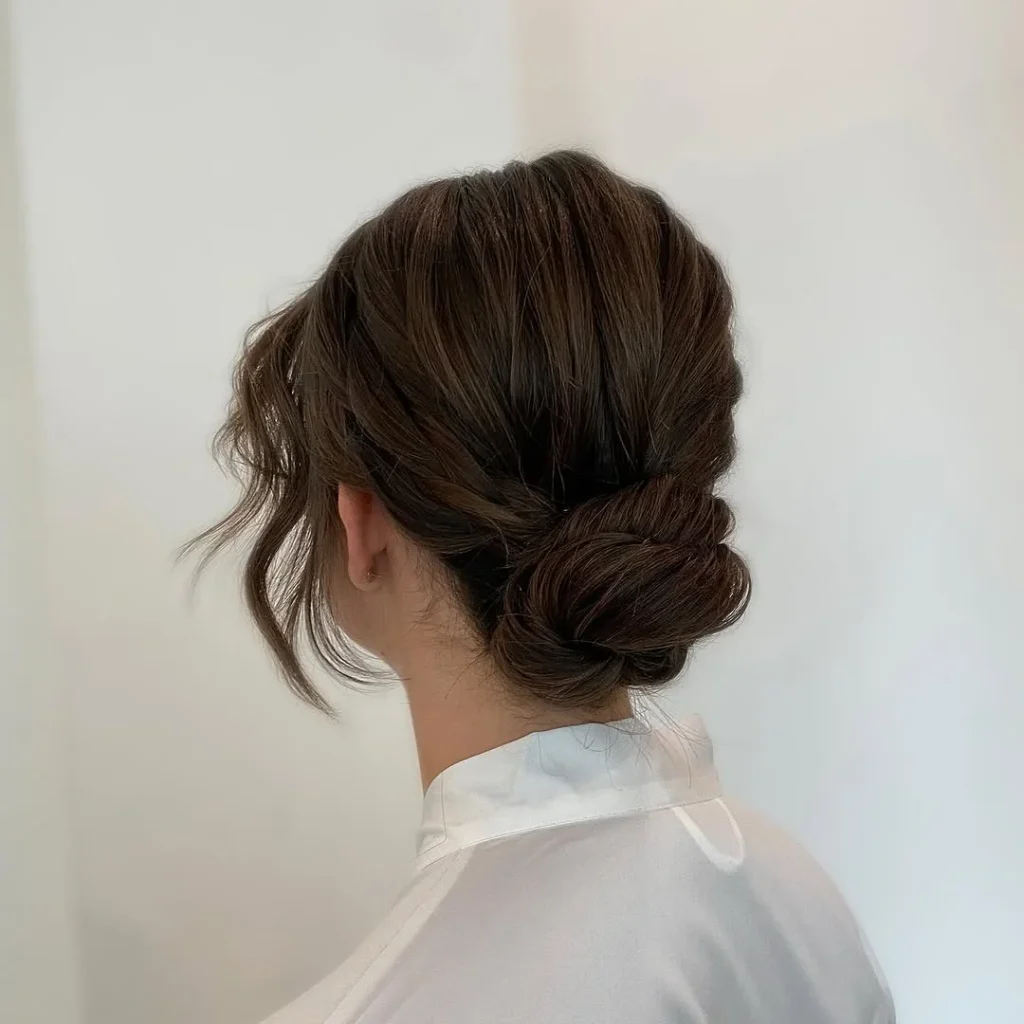
View Instagram post by @barebeauty___
A small bun placed below the hat line keeps medium-length hair secure without pressing against your head. Twist the lengths gently and use a soft tie. Leave a few short pieces near the face if they naturally escape; forcing them back can look stiff.
Styling tip: Best for medium layers; keep the bun loose enough to feel comfortable.
10. Middle-Part Straight Hair With a Beanie

View Instagram post by @letstalkhairs2
A neat middle part and smooth shoulder-length hair create a clean silhouette under a plain beanie. Place the hat just behind the front parting and let both sides fall evenly. This is especially effective with a simple wool coat and a minimal winter outfit.
Styling tip: Best for straight or blow-dried hair; brush the ends rather than flattening the roots.
Beanie hairstyles for long hair
Keep the loose lengths outside the hat so they can move freely. A low fastening leaves room beneath the cuff and is easier to adjust when you take the beanie off.
11. Long Loose Waves With a Slouchy Hat

View Instagram post by @mountaindreads
Long waves spilling over a coat collar are an easy match for a relaxed beanie. Wear the hat slightly back so the front sections remain visible, then pull the lengths forward over your shoulders. The waves add movement without needing a complicated updo.
Styling tip: Best for long hair; use a loose overnight wave set if you want less heat.
12. Single Low Side Braid
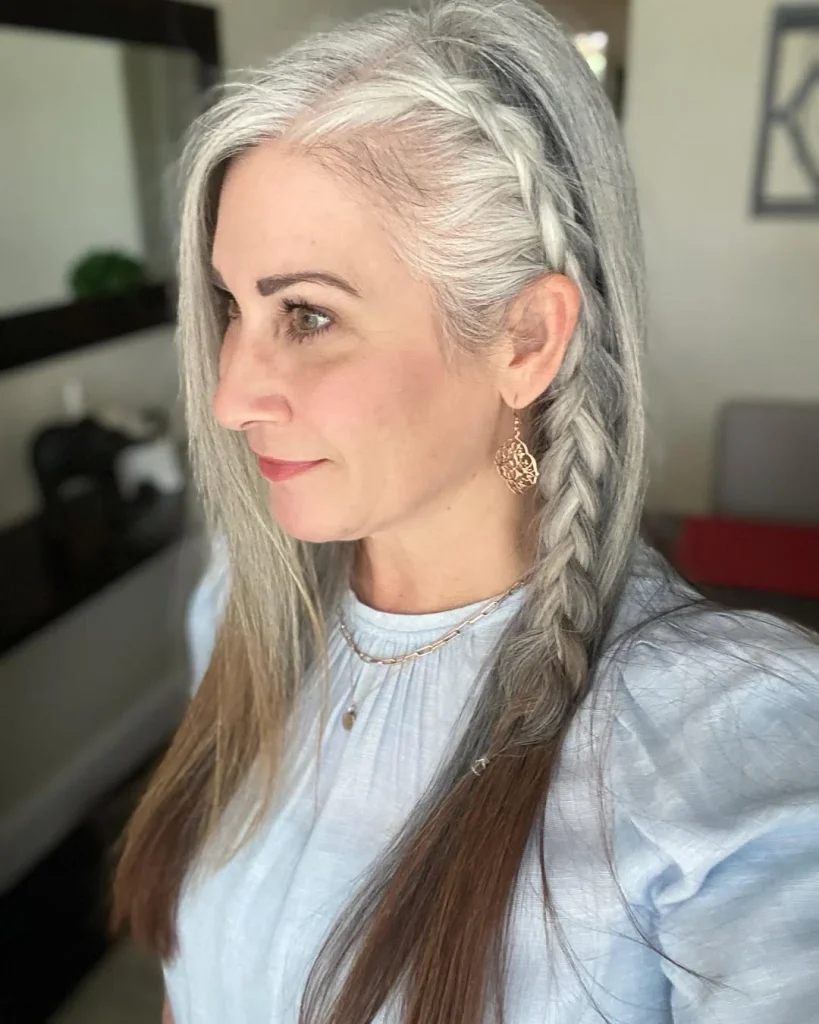
View Instagram post by @chroniclesofgraytransformation
Sweep the lengths over one shoulder and braid loosely from below the ear. A beanie sits flat because the braid starts outside the hat. Pull gently at the outer loops for fullness, but avoid loosening the elastic at the end.
Styling tip: Best for long or thick hair; a soft tie prevents creasing.
13. Low Bubble Ponytail
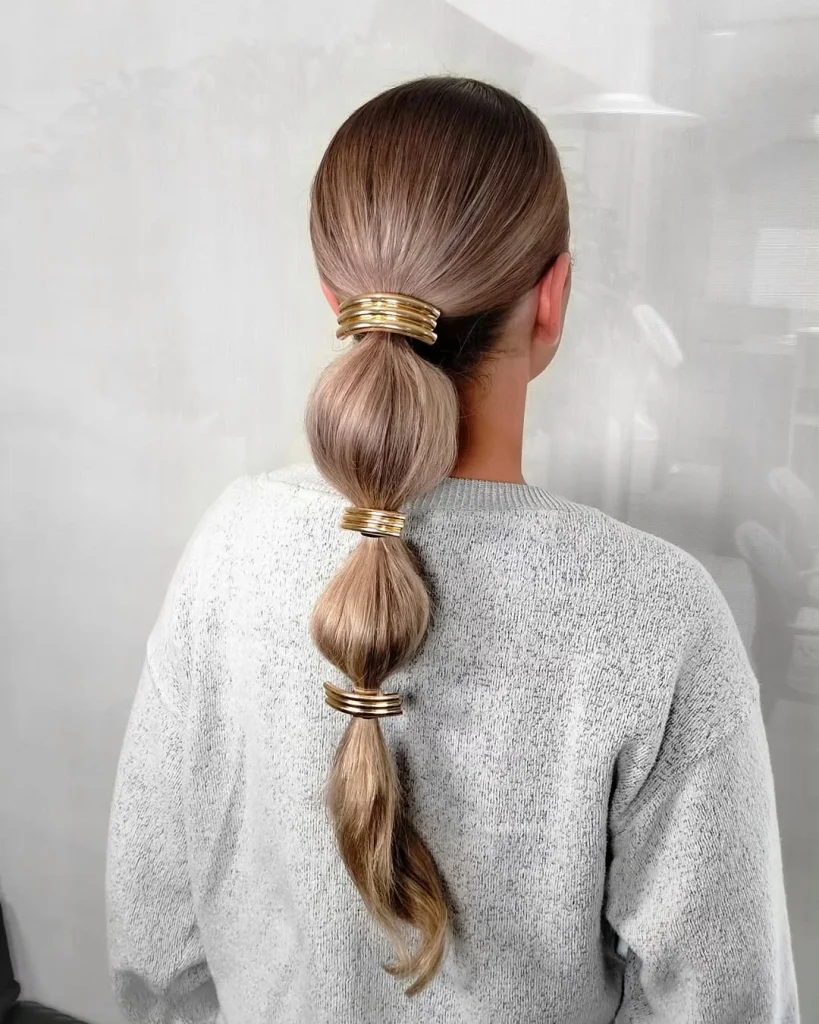
View Instagram post by @pamdz_hairstylist
Secure a low ponytail beneath the beanie and add soft elastics every few inches. Gently widen each section to form bubbles. The texture gives a simple winter outfit a little detail without adding bulk at the crown.
Styling tip: Best for long hair; see our bubble ponytail ideas for variations.
14. Twin Low Braids With a Knit Beanie
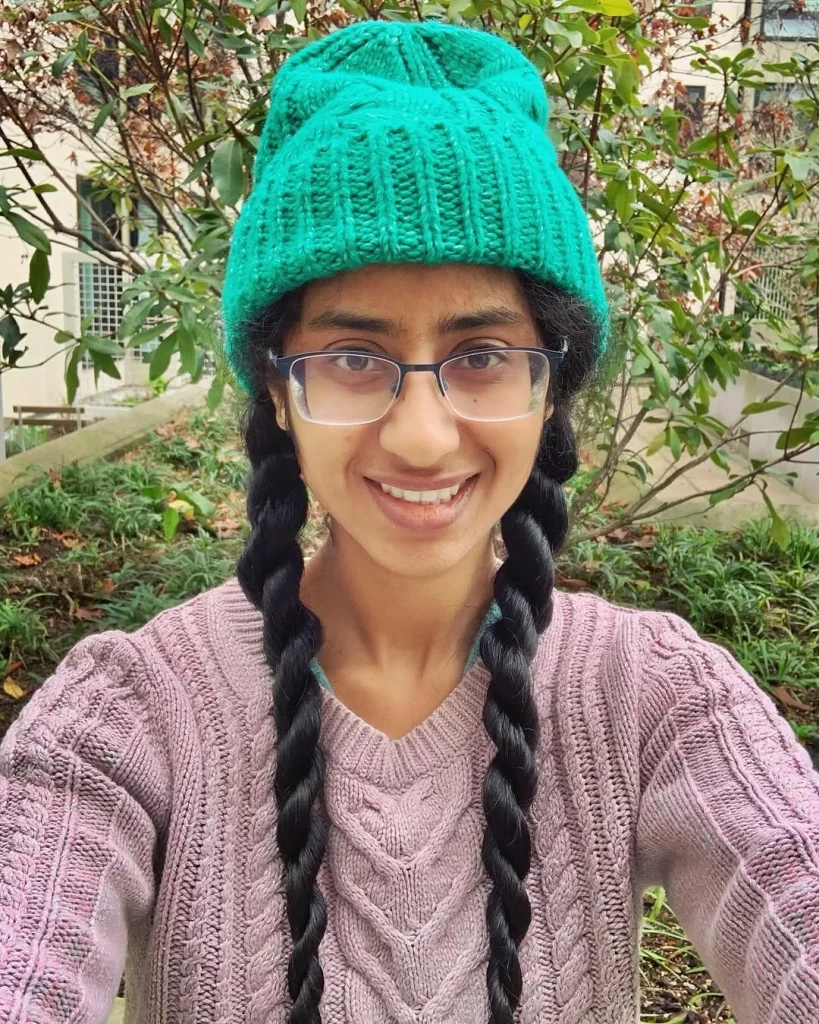
View Instagram post by @braidsbycharu
Part the hair down the middle and braid each side starting below the ears. The two braids frame the front of a winter coat and stay tidy on windy days. Leave the braids slightly loose at the roots so the beanie does not pull on the scalp.
Styling tip: Best for long hair; a little leave-in can help tame flyaways.
15. Long Sleek Hair With Curtain Bangs

View Instagram post by @styled_by_selena
A soft beanie worn just behind curtain bangs leaves the fringe to sweep outward around the cheekbones. Keep the lengths straight or gently curved at the ends. The visible bangs make the style feel intentional rather than hidden under the hat.
Styling tip: Best for long layers; avoid pushing damp bangs beneath a tight cuff.
Curly, coily and protective beanie hairstyles
The hat’s fit and lining matter as much as the style. Keep tension low and give curls or protective styles room.
16. Defined Curls With a Satin-Lined Beanie
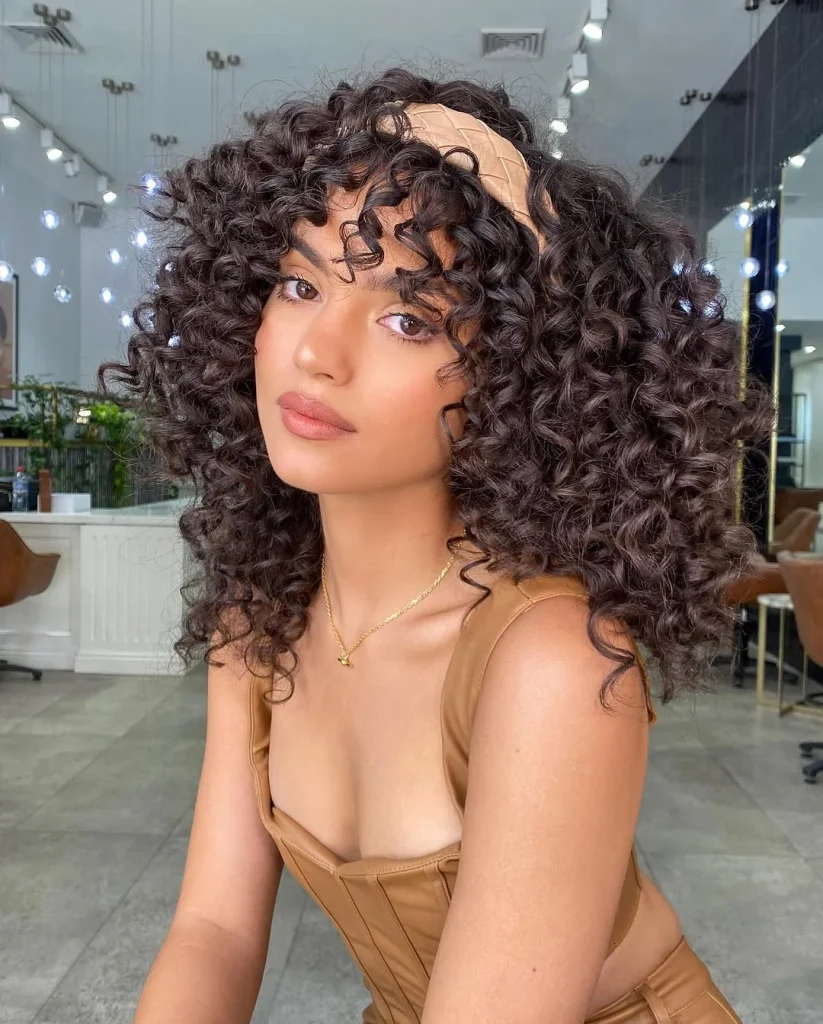
View Instagram post by @oliviascanu
Let defined curls fall around the sides and back while the beanie rests lightly on the crown. A smooth lining can reduce rubbing, although the fit matters just as much. Fluff the roots with your fingertips after removing the hat instead of brushing through dry curls.
Styling tip: Best for naturally curly hair; leave enough room inside the hat.
17. Low Curly Puff
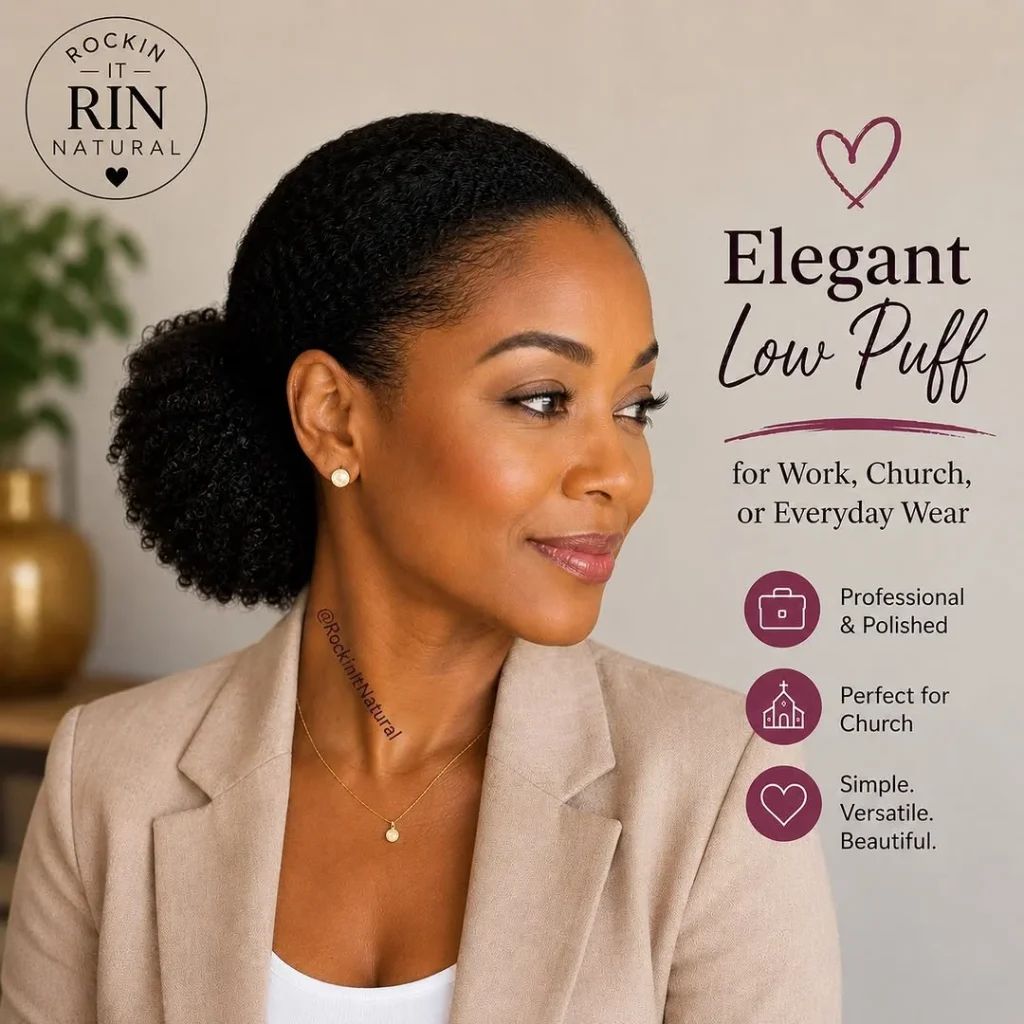
View Instagram post by @rockinitnatural
Gather curls into a soft low puff at the nape, below the beanie edge. This preserves some volume while keeping the hat comfortable. Use a loose fabric tie and avoid repeatedly tightening it throughout the day.
Styling tip: Best for medium or long natural curls; keep the hairline tension-free.
18. Two-Strand Twists With a Beanie

View Instagram post by @hairfetishsuite
Let medium or long two-strand twists hang freely beneath a slightly oversized beanie. Arrange a few twists toward the front to frame the face. The hat should sit over the twists without compressing them into a tight bundle.
Styling tip: Best for natural or protective twists; a roomy, smooth-lined hat is helpful.
19. Box Braids Worn Forward
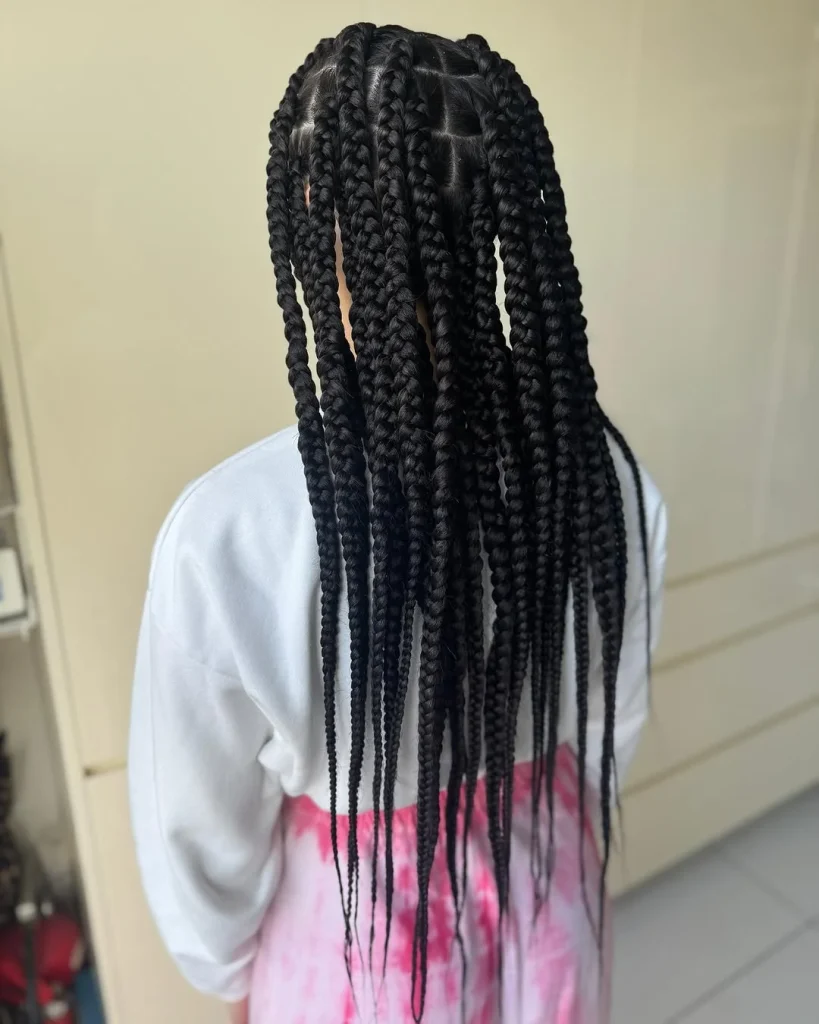
View Instagram post by @edenstylz
Bring a few box braids over each shoulder and wear the beanie behind the hairline. The braids create a tidy winter look without needing extra styling. If the hat feels tight over the braids, switch to a larger size rather than pulling harder.
Styling tip: Best for established braids; avoid pressure on fresh or tender roots.
20. Locs With a Loose Ribbed Beanie
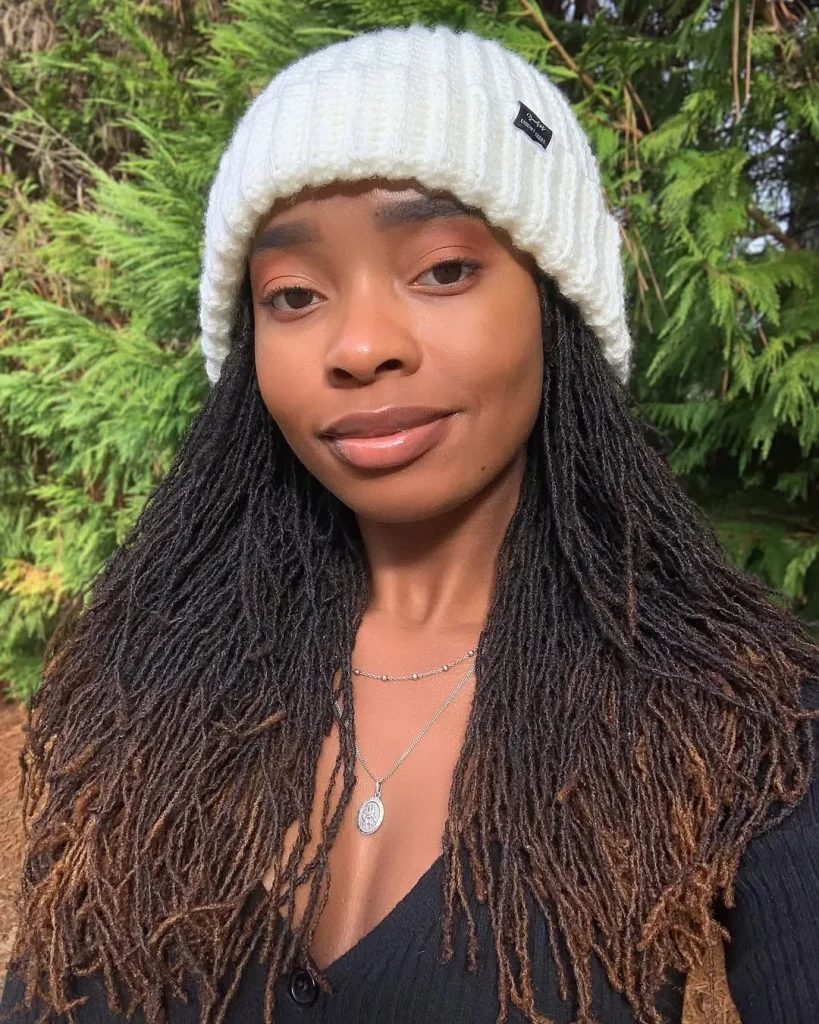
View Instagram post by @imanitaylorgood
Allow locs to fall naturally behind the shoulders or over one side, with a loose beanie resting above the forehead. A stretchy hat makes more room for the locs without forcing them flat. Adjust the front edge so it does not catch on shorter locs.
Styling tip: Best for locs of different lengths; avoid tight cuffs that pull at the roots.
Braids, buns and bangs with a beanie
Check that the braid sits below the cuff rather than pressing against the back of your head.
21. Low Dutch Braids
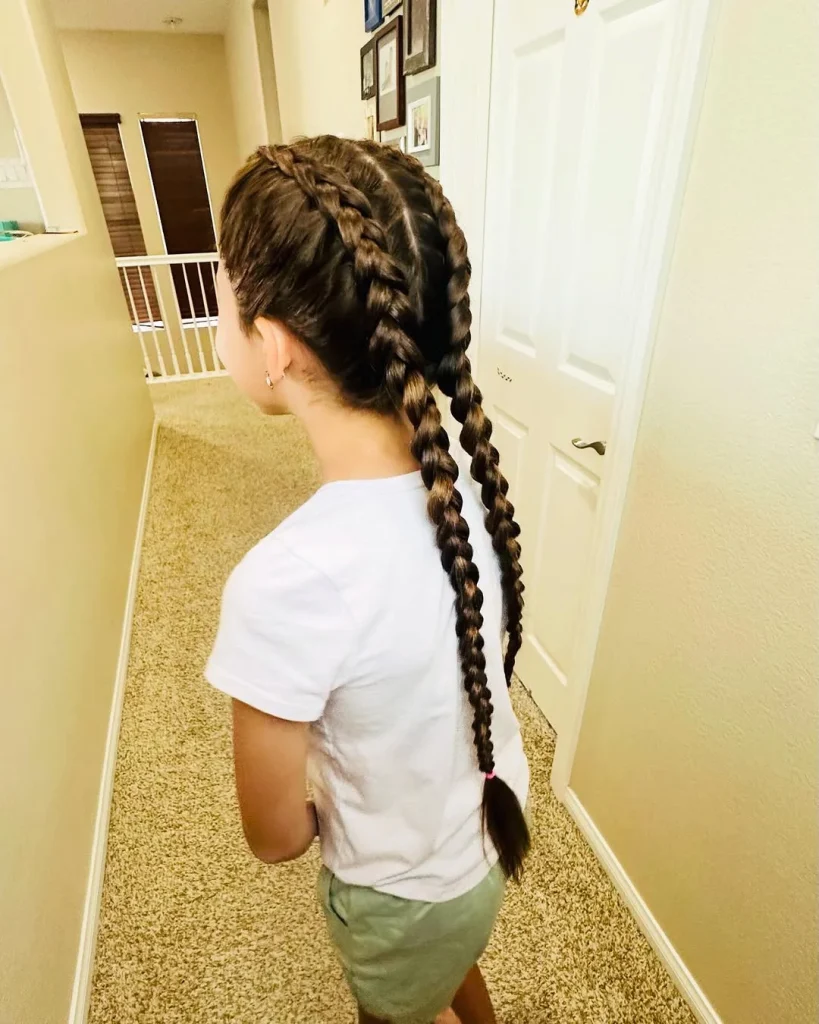
View Instagram post by @braidingbeautyb
Start two Dutch braids near the temples and continue them behind the ears, leaving the crown relatively flat. A soft beanie can sit over the top without a bulky knot. This is practical for windy commutes and active winter days.
Styling tip: Best for medium to long hair; braid loosely enough to avoid scalp tension.
22. Loose Nape Bun With Face-Framing Strands

View Instagram post by @hair_bysenia
Twist hair into a soft bun just above the collar, where it will not press into the beanie. Leave a couple of natural front strands free. The bun can be a little messy; a perfectly tight shape is less comfortable under winter headwear.
Styling tip: Best for longer hair; see our messy bun hairstyles for more options.
23. Beanie With Wispy Bangs

View Instagram post by @william.tjeuw
Wear the cuff just behind wispy bangs so the fringe remains light across the forehead. Use your fingertips to separate the pieces after putting the hat on. If the bangs flatten, a quick cool-air blow-dry at the roots can restore some movement.
Styling tip: Best for fine fringes; avoid heavy product near the forehead.
24. Side Braid With a Few Loose Curls
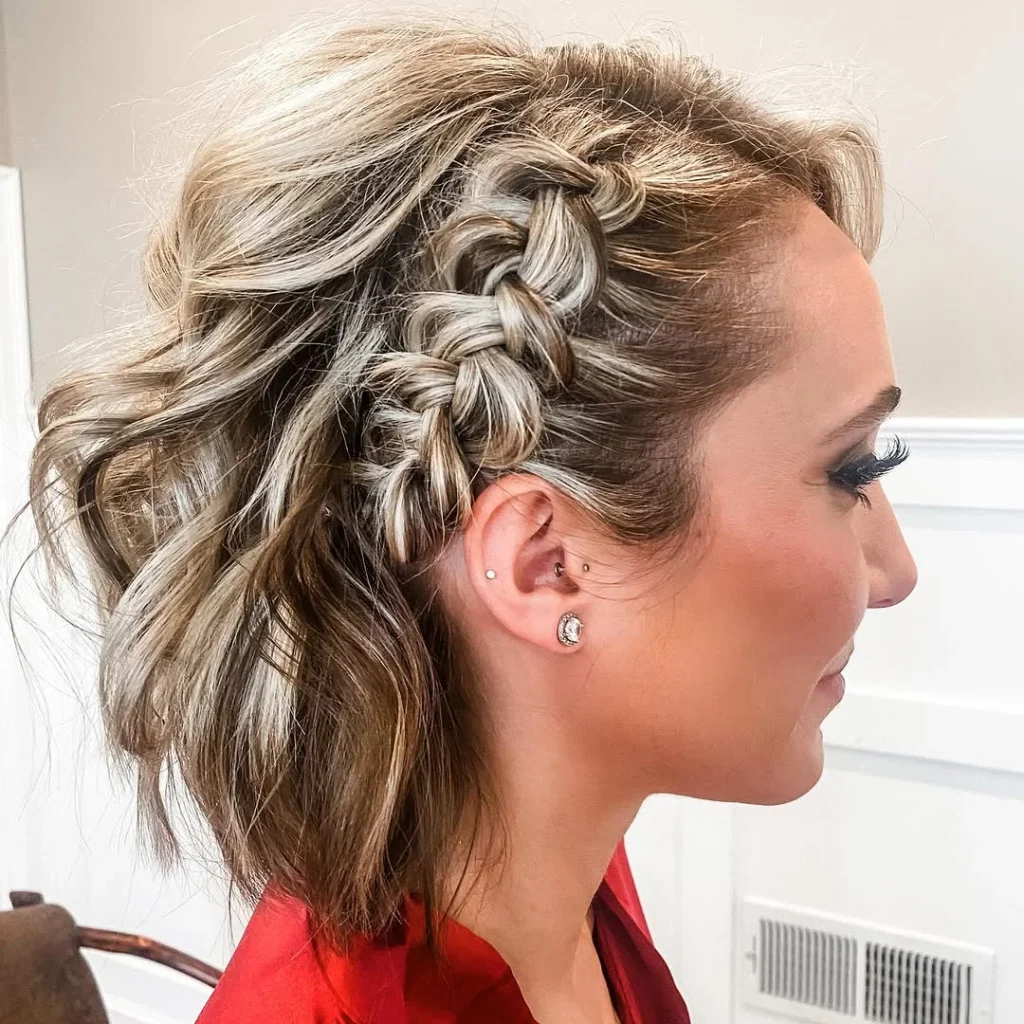
View Instagram post by @hair_bynmg
A single braid over one shoulder balances a beanie worn slightly off-center. Leave a few naturally curled pieces near the face for softness. The braid can be regular, fishtail, or rope-style depending on how much time you have.
Styling tip: Best for wavy or curly long hair; secure with a soft elastic.
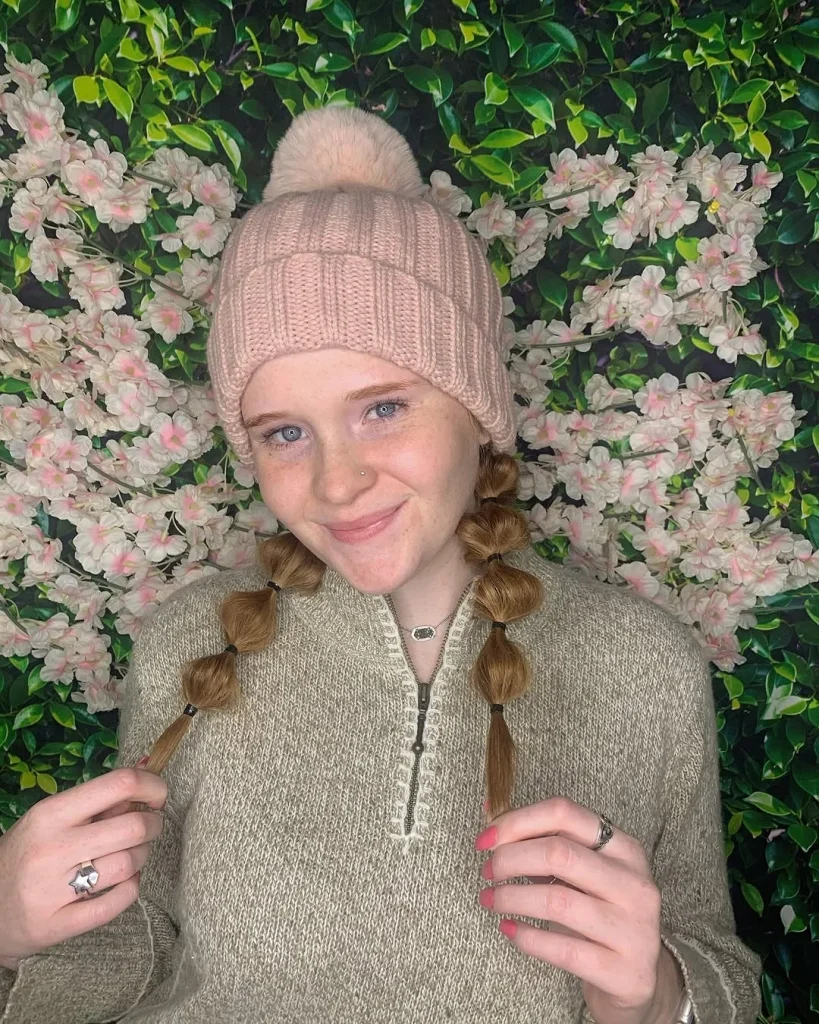
25. Bubble Braids With a Beanie
View Instagram post by @miraclesbymorghan
Part the hair down the middle and braid each side, adding soft elastics every few inches and gently widening each section to form two bubble braids. The braids sit below the beanie and feel playful without adding bulk at the crown. This is a quick alternative when you want something more interesting than a ponytail.
Styling tip: Best for medium to long hair; keep the roots loose for comfort.
How to avoid hat hair in winter
Start with fully dry hair. Damp roots pressed beneath a tight hat can dry in a flattened shape. Choose a beanie that sits comfortably without squeezing your forehead, and avoid high buns or ponytails directly under the crown. If your hair is curly, consider a smooth lining to reduce friction; if it is fine, use lightweight products rather than heavy oils at the roots.
How to refresh hair after taking off a beanie
Lift the roots with clean fingertips instead of brushing the entire style. For straight or fine hair, a quick cool-air blow-dry can help restore volume. For waves, lightly mist the lengths and scrunch. For curls or coils, refresh only the sections that need it with a little water or your usual leave-in product. If the hat caused uncomfortable pulling, loosen the style before wearing it again.
Beanie hairstyles: frequently asked questions
How do you wear a beanie without flattening your hair?
Keep the hat comfortably loose, start with dry hair, and put bulky styles below the beanie. Leaving some fringe or front layers visible also helps the overall shape look intentional.
What hairstyles look good with a beanie and bangs?
Wispy bangs, curtain bangs, and side-swept fringes work well when the cuff sits just behind the fringe. Avoid pushing damp bangs beneath a tight hat, which can set them in an unwanted direction.
Can you wear a beanie with curly hair?
Yes. Choose a roomy fit, let curls fall naturally around the hat, and consider a smooth lining if friction causes frizz. After removing it, fluff gently at the roots rather than brushing through dry curls.
Which beanie hairstyles work best for short hair?
French bobs, textured pixies, and wavy lobs are good starting points. Keep some face-framing hair visible. For bob inspiration, see our French bob haircut ideas.
Should I wear a beanie over wet hair?
Try not to. Wet or damp hair pressed under a hat can dry in a flattened shape, and the roots will stay flat once the hat comes off. Dry the hair fully first, or let it air dry before the hat goes on. If you are short on time, dry the roots at least, because they are the part the hat flattens most.
The easiest winter look
A soft beanie with loose face-framing strands and a low ponytail or braid is a reliable everyday option. Choose the version that suits your texture and the way you normally style your hair, then make small adjustments to keep the hat comfortable.