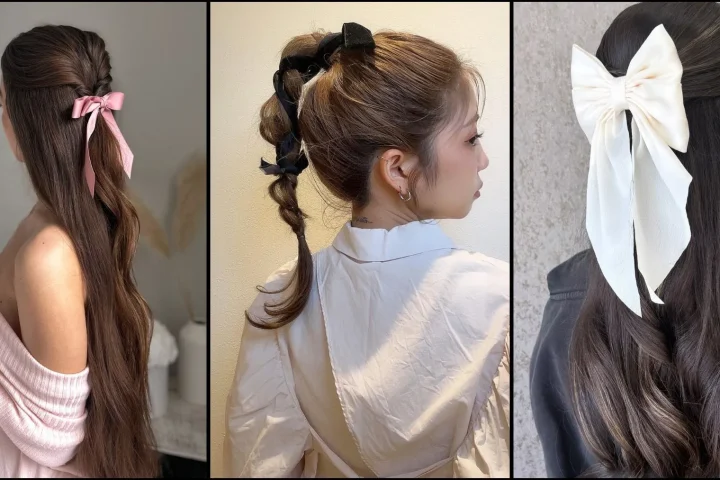
Winter asks more of a hairstyle than any other season. A cold morning walk, a woollen hat, a scarf wrapped around the neck and a heated room indoors all pull at the shape in different ways, and the style that looks perfect in the mirror at home can come undone by lunchtime. The looks here are chosen for that reality: low buns that sit comfortably under a hat, braids that hold their shape against a coat collar, and short cuts that can be reshaped with your fingers in a minute.
The cold itself matters too. Dry air and indoor heating make hair flyaway and prone to static, so a style that needs a perfectly smooth finish will take more work in December than it does in May. A little extra moisture helps. Leave-in conditioner or a drop of oil through the ends keeps the hair supple, and a silk or satin lining inside a beanie reduces the friction that causes frizz at the crown. Hats will still flatten the top layer, so styles that rely on height there need a reset once you take the hat off.
Think about the journey, not only the destination. If your day includes a walk to the office, a school run or a long drive, a style that survives a scarf and a seat belt will serve you better than one that only looks right at the exact moment you finish styling it. Choose one shape you can live with through the day, try it with your actual hat and coat, and keep a comb in your bag for the quick fix after you step inside.
Match the arrangement to your outerwear
- Low braids and nape-level ponytails leave less bulk beneath a fitted hat. Check that the tie does not press against the back of your head.
- A loose half-up style can keep front sections out of a scarf while retaining movement through the ends.
- Short cuts and fringes may flatten under a hat. Allow time to reset the front rather than adding a very tight style underneath.
Plan the transition indoors
Try the style with your actual coat and scarf, then remove them and check what needs rearranging. Keep clips away from pressure points and avoid trapping the ends beneath rough closures. If static or tangling is a problem, start with your familiar conditioning routine and gentle handling. A winter reference is not a promise that one finish will resist every weather condition.
How to choose a winter hairstyle
Your face shape decides where the hair should sit once the coat and scarf are on. A round face benefits from a little height at the crown, which a low bun with a slight lift at the front can give. A longer face is better with softness at the sides, such as loose pieces near the cheeks or a half-up style that breaks the straight line. For a square jaw, ends curled outward or a swept fringe can soften the angles before the scarf goes on.
Hair texture decides how the style behaves in cold, dry air. Fine hair flattens under a hat and tangles more easily in a scarf, so a low braid or a smooth, pinned updo usually lasts longer than loose waves. Thick hair holds its shape better but needs enough grip in the tie to stay tidy, and curly hair can shrink and expand with humidity as you move between the cold outside and a heated room. Give your natural texture the morning to settle before you decide how much styling it needs.
Upkeep in winter is about the reset, not the styling. Keep a small comb and a few extra pins in your coat pocket, because the moment you arrive indoors is when the style needs attention. Smooth flyaways with a touch of hand cream or a light serum rather than more hairspray, which builds up over days of cold wind. Wash less often if your scalp dries out in winter, and use a dry shampoo at the roots between washes to keep the top fresh without stripping the ends.
Choose a shape that grows out well through the season. A blunt cut keeps its line for several weeks, while a layered cut needs more frequent trims to hold its shape. If you colour your hair, winter is a good time to book a gloss or a toner, because cold, dry air can make colour look dull; a top-up every six to eight weeks keeps it from fading unevenly between appointments.
Related reading: Christmas hairstyles.
Velvet Bow Low Winter Bun
A neatly gathered low bun gets its winter character from a velvet bow positioned at the back, leaving a compact shape that sits comfortably above a coat collar. Smooth the hair into a low gathering, secure the bun without pulling too tightly, and finish with a soft ribbon bow for a dressed-up look that still feels suitable for an ordinary cold day.
Ski-Ready Double Dutch Braids
Two Dutch braids offer a practical hairstyle for snowy days because the raised braid pattern follows the scalp and keeps most of the length contained. Part the hair down the middle and braid each side with even sections, securing the ends before adding a helmet or roomy hat; the style also stays recognizable after winter accessories come off.
Classic Single French Winter Braid
A single French braid draws the hair back from the face and carries its woven pattern down the back, making it one of the easiest winter hairstyles to wear with scarves. Start near the crown, add small side sections as you work downward, and avoid pulling too firmly around the hairline so the braid remains comfortable throughout a long day.
Side-Swept Dutch Fishtail Braid
This winter braid combines the raised detail of Dutch braiding with the fine, closely woven texture of a fishtail, then brings the finished length over one shoulder. The side placement keeps the pattern visible over a sweater, while a little gentle loosening through the braid can add softness without letting too many strands escape into a scarf.
Ribbon-Finished Fishtail Hair Braid
A fishtail braid has a delicate herringbone pattern that gives a simple tied-back style more detail than a standard three-strand plait, especially with a ribbon accent. Work with two main sections and transfer small pieces from the outside of each section to the other, then tie off the end and add a bow for a cute winter hairstyle.
Playful Bubble Braid Ponytail
A bubble braid uses spaced hair elastics to create rounded sections along a ponytail, giving the length a fuller, segmented silhouette without complicated weaving. Secure the ponytail first, add more ties at regular intervals, and gently expand each section with your fingers; it is a useful option for busy mornings when you want visible structure with little braiding.
Textured Ponytail with Velvet Bow
A soft, textured ponytail finished with a velvet bow keeps the hair gathered while allowing natural movement through the tail.
Soft Braided Crown Low Bun
A braid sweeping around the head joins a low bun, giving this updo a crown-like outline and enough texture to stand out without a large hair accessory. Keep the braid sections gently blended into the rest of the hair and anchor the bun at the nape; the tucked ends make it convenient around high coat collars and scarves.
Rope Braid Half-Up Hairstyle
A rope braid twists two sections together across the upper half of the hair while the remaining length falls loose, creating a simple contrast between smooth control and soft movement.
Simple Twisted Half-Up Hair
Two gathered side sections create a twisted half-up shape at the back while leaving the lower hair free, making the style feel light without letting every strand fall forward. Start with sections near the temples, turn them toward the back, and secure them together with pins or an elastic; it works especially well when you want an easy style for indoor winter days.
Pearl Clip Half-Up Curls
Loose curls beneath a half-up section are finished with a pearl hair clip, combining soft texture with one clearly defined decorative accent. Fasten only the upper portion so the remaining curls can keep their shape, and choose a lightweight clip that does not drag at the roots; this is a pretty option for dinners, photos, and winter celebrations.
Cozy Holiday Half-Up Bow
A simple half-up hairstyle takes on a festive feel with a bow at the point where the top section is secured, keeping the lower lengths loose. Gather a manageable amount of hair above the ears rather than pulling it too tightly, and let the bow provide the detail; this is an easy winter hairstyle to pair with a sweater or party outfit.
Everyday Claw Clip Twist
A claw clip holds a folded twist at the back of the head, making a quick updo that looks structured without requiring a braid or several hairpins. Twist the gathered hair upward, tuck the ends into the fold, and secure it with a clip that fits your hair density; for a high collar, position the clip slightly above the neckline.
Soft Sleek-Back Messy Bun
The contrast in this bun comes from a smooth pulled-back front and a more relaxed gathered shape behind it, so the style looks tidy without feeling severe. Brush the top into place before arranging the bun with a little texture, and use pins where needed; it is a sensible winter choice when you want hair away from a scarf.
Sleek Low Bun for Winter
A sleek low bun sits close to the nape with a controlled finish, creating a clean outline that works with coats, earrings, and winter party clothing. Use a comb to bring the hair back evenly, secure the base without uncomfortable tension, and tuck stray ends under the bun; a small amount of smoothing product can help manage dry-weather flyaways.
Sculpted Low Twisted Chignon
Softly arranged twists form a low chignon with a sculpted finish, giving this hairstyle more visible shape than a basic twisted knot. Keep the sections broad enough to show the direction of each fold, pin the ends discreetly beneath the arrangement, and avoid overworking the surface; the low placement is especially suitable for dressier winter evenings. For another option with a different finish, see our holiday party hairstyles inspiration.
Loose Side Braid Low Bun
A side braid feeds into a loose low bun, bringing delicate woven texture to an otherwise simple gathered hairstyle. The braid can start near one temple and travel toward the back before joining the bun, while a few softly released pieces keep the outline relaxed; this approach works well when a plain bun feels too bare for a winter event.
Boho Knotless Protective Braids
Boho knotless braids combine a neat braided foundation with loose, curly pieces for added softness and movement, making them a winter protective style with plenty of personality. Ask your braider to keep the starting tension comfortable and the added hair reasonably lightweight, then separate the curls gently as needed so they do not knot against knit scarves.
Medium-Length Knotless Box Braids
Medium knotless box braids create a defined pattern of individual plaits with a gradual start at the roots instead of a prominent knot. They are a versatile option among winter hairstyles for Black women because the braids can hang loose or be gathered low under a hat; protect the scalp and avoid installations that feel painful or overly tight.
Short Protective Braided Bob
A braided bob keeps the familiar short, face-framing outline of a bob while replacing loose ends with many individual braids, giving the cut both movement and structure. Choose a length that clears the collar if you wear bulky winter layers, and ask for comfortable braid tension; the shorter silhouette is useful when long braids would feel cumbersome under a coat.
Neat Twin Natural Hair Braids
Two matching braids divide the hair into a balanced, wearable style that stays organized throughout the day without needing an elaborate updo. A clean central part makes the twin shape easy to follow, while the braids can be positioned back or to either side depending on the hair length; finish with gentle tension around the edges for daily comfort.
Low-Manipulation Flat Twist Style
Flat twists sit close to the scalp as sections of hair are twisted along a chosen path, creating a tidy pattern that can keep natural hair arranged with less daily restyling. Work on moisturized, detangled hair and keep the twists comfortable near the hairline; this makes a practical winter protective style, especially when a scarf or hood is part of the outfit.
Defined Natural Hair Twist-Out
A twist-out creates separated, springy texture after two-strand twists are set and gently unraveled, leaving natural hair with visible definition rather than a tightly gathered silhouette. Let the twists dry completely before opening them, separate only where the hair naturally divides, and refresh dryness as needed; a satin-lined hat can help reduce friction on colder days.
Cornrow Updo with Twisted Ends
Cornrows guide the hair back into an updo while two-strand twists add texture through the gathered sections, creating a detailed protective look without leaving all the ends loose.
Beanie over Natural Curly Hair
A knitted beanie sits over natural curls, letting some texture remain visible around the hat rather than pressing the entire hairstyle out of sight. A satin-lined version is worth considering if friction leaves your hair frizzy, and you can gently reshape the exposed curls after removing it; this is one of the simplest hairstyles with a beanie for cold mornings.
Soft Natural Gray Wavy Lob
A shoulder-skimming wavy lob allows natural gray tones to show through softly bent lengths, balancing an easy everyday cut with enough movement to look styled. Keep the wave pattern loose rather than making identical curls, and concentrate any light finishing product through the mid-lengths and ends; the length is convenient when wearing scarves and heavier winter collars.
Textured Short French Bob
A French bob has a compact, face-framing silhouette, and the textured finish in this haircut softens its outline so the ends do not look overly rigid. Let the cut’s shape do most of the work, adding only a small amount of styling cream or a gentle bend if needed; shorter hair also avoids bunching under thick winter scarves.
Classic Short Textured Pixie
A pixie haircut keeps the sides and back cropped while leaving enough hair on top to show a little texture, giving this short style a distinct, close-to-the-head shape. Work a tiny amount of lightweight styling product through the top with your fingers, and use a smooth-lined hat when it is cold to avoid flattening the hair too much.
Long Layers with Curtain Bangs
Face-framing curtain bangs open around the forehead and blend into longer layers, giving the front of the hair movement while keeping the overall length intact. Dry the fringe in the direction you want it to fall, then add a soft bend to the surrounding layers; this is a useful winter haircut option when you prefer wearing your hair loose.
Big Bouncy Winter Hair Blowout
A bouncy blowout builds rounded movement through the lengths, with lifted roots and softly turned ends that create a fuller-looking outline.
For more ways to adapt this look, compare beanie hairstyles. Pay attention to the length and preparation each hairstyle needs.
Styling and upkeep
A winter style needs care that suits the season, not only the shape. Dry indoor air and cold wind strip moisture from the ends, so use a leave-in conditioner or a light hair oil two or three times a week to keep them from splitting. Wash less often if your scalp becomes dry in winter, and use a dry shampoo at the roots on the days between washes. A hat worn over damp hair will leave creases, so dry the hair fully before you go out.
The daily reset is what keeps a style looking intentional. Once you step indoors, take off the hat and shake the roots gently with your fingers, then smooth flyaways with a small amount of serum or hand cream. Re-pin anything that slipped while the scarf was on, and check the back in a mirror before meeting anyone. Keep a small comb and a few spare pins in your coat pocket from December through February, because cold weather makes hair lose its shape faster than you expect. If the style still looks flat, a few minutes with a round brush will bring back the movement without a full restyle.
Frequently asked questions
What is the best winter hairstyle for cold weather?
Low buns, braids and half-up styles usually do best, because they sit comfortably under a hat and do not get caught in a scarf or coat collar. Loose, flowing styles can work too, but they need extra hold and a reset once you step indoors. The right choice depends on your length, your texture and how much time you want to spend fixing it.
How do I stop static in my hair in winter?
Static comes from dry air, so add moisture with a leave-in conditioner or a light oil through the ends. A silk or satin lining inside a beanie helps, and a metal comb or a dryer sheet brushed lightly over the hair can calm flyaways. Avoid over-brushing, which creates more static through friction.
Should I wear a hat over my hairstyle?
Yes, if the style can take it. Low buns and braids fit comfortably under most hats, while tall updos and lots of volume at the crown will flatten. Try the style with your actual hat before an important day, and be ready to reshape the front once the hat comes off.
How often should I wash my hair in winter?
Most people can wash less often in winter, because cold air and indoor heating dry the scalp and the ends. Two or three washes a week is enough for many hair types, with dry shampoo at the roots in between. If your scalp feels itchy or flaky, use a gentle shampoo and a conditioner that suits your hair.
How do I keep curls from going flat under a beanie?
Put the beanie on loosely and pull a few curls out around the face, so the shape is not completely pressed down. A light texturising spray before the hat goes on gives the curls memory, and a quick shake of the roots once the hat comes off brings them back. Avoid heavy products, which weigh curls down once the hat is removed.
Winter hair does not need to be complicated to look put together. Pick one of these 30 looks that fits your length and your daily routine, save two or three photos that show the shape from the front and the back, and show them to your stylist at your next appointment. Try it at home first with your usual hat and coat, so the morning you wear it out is not the first test. A style that survives a hat, a scarf and a cold commute is the one worth keeping all season.