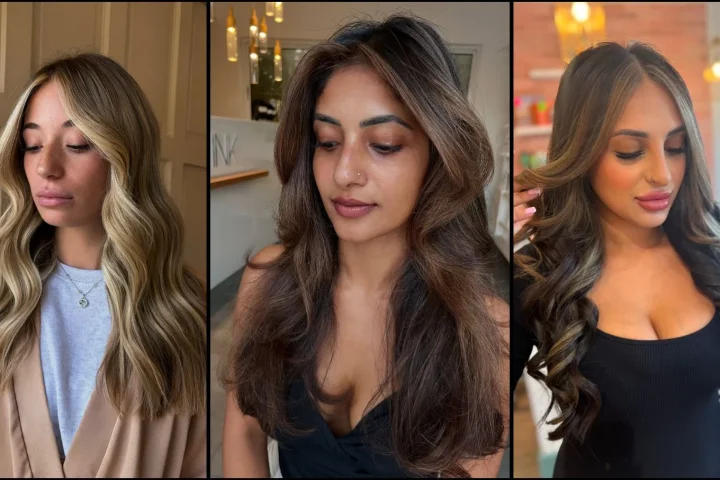
A colour consultation is where a good colour result is decided, before any dye touches your hair. It is the appointment where the colourist sees your starting colour, hears what you have done to your hair in the past, and works out what is actually possible in one visit — and what it will take to keep it looking good afterwards. Walk in with a clear picture of your current hair and a realistic idea of the upkeep, and the consultation can save you from a shade that fades badly, a placement that grows out in a hard line, or a bill that keeps growing.
The details that matter most are the ones people leave out. Box dye from two years ago, a smoothing treatment, a reaction to a previous colour — each one changes what the colourist can safely do. The checklist below walks through what to share, what to ask and how to judge the plan, so you leave the consultation knowing the depth, the placement, the fading and the cost, instead of guessing.
Start with your current colour history
Tell your colourist about permanent dye, home colour kits, highlights, bleach, smoothing treatments and any previous reactions. Mention roughly when each service happened. An old dark dye may affect how easily a lighter shade can be reached, even if the visible colour looks faded. If you are unsure what was used, say so rather than guessing.
Bring photos taken in natural light. Bathroom lighting and heavily edited photos can change how warm or cool the hair appears.
Separate depth from tone
Depth describes how light or dark the overall result appears. Tone describes its colour character, such as golden, copper, ash or violet. A dark copper brown and a bright orange copper both sit in the copper family, but they require different starting canvases and create different levels of contrast.
In the consultation, choose the depth you want before deciding on highlights or gloss. Our copper colour examples, chocolate brown shades and icy blonde references illustrate how much variety lives within a colour name.
Decide where the colour should appear
A full colour changes most of the visible hair. A few face-framing pieces create contrast near the eyes and part. Balayage or partial highlights may leave more natural depth at the roots. An underlayer shows differently when you tie your hair up. These are choices about placement as much as colour.
Bring a reference from the front and back, especially for mocha balayage, halo hair colour and peekaboo colour. Ask which parts of your hair need lightening to create the result.
Ask what the colour will look like after several washes
A fresh salon colour and a colour a month later may look different. Ask which tones tend to fade first in the proposed formula, which products the colourist recommends and what your regrowth will look like. You should also discuss the expected salon appointment time and cost before the service begins.
For someone who wants a low-contrast grow-out, a rooted or blended placement may be more practical than a high-contrast band at the scalp. That is a style decision, not a guarantee of fewer appointments; it depends on your hair and the result you want to maintain.
Understand patch testing and reactions
Hair dyes can irritate skin or cause allergic reactions. The NHS guidance on hair-dye reactions explains symptoms, the role of ingredients such as PPD and why product directions matter. Follow the manufacturer allergy-alert test instructions and your salon’s safety procedure. A strand test for colour result is different from an allergy assessment.
Do not continue a colour service if a reaction occurs. Seek medical advice for persistent or worsening symptoms; severe swelling or breathing problems require emergency help. Mention any previous reaction or black-henna tattoo to the salon before booking. A previous tolerance of dye does not rule out a later reaction.
Consider the condition of your hair
If the hair is breaking, feels fragile or has been repeatedly lightened, discuss whether the requested shade can be approached safely and whether a staged plan is more suitable. The American Academy of Dermatology’s advice on hair damage recommends reducing repeated chemical treatments and heat exposure. A professional should assess the hair before combining multiple services.
A colour plan should also include what you will do at home: how often you wash, whether you swim regularly, the heat tools you use and any scalp sensitivities.
Take this checklist to the salon
- One reference for overall depth and one for placement.
- Your recent colour and chemical-treatment history, including any allergies or reactions.
- The maximum amount of maintenance and regrowth contrast you can tolerate.
- Your budget for the initial service and follow-up appointments.
- Questions about lightening, hair condition, patch testing and home care.
If the colourist explains that your first-choice photograph is unlikely in one appointment, ask what an achievable first stage would look like. Clear expectations make it easier to judge the result without chasing a filter or lighting effect.
Keep the final reference realistic
Choose a photo with lighting similar to where you usually see your hair, then explain what you would change about it. You might like the warmth but want less contrast, or prefer the colour but a softer line at the roots. Those details are more helpful than requesting a trend name without context.
For more ideas, compare brunette highlights with grey blending for dark hair to see how placement changes the appearance of a colour.
What to ask about maintenance and total cost over time
A colour is not a one-off cost. Ask what the service will cost over the first six months, not just on the day, because regrowth, toners and glossing add up. A high-lift blonde or a vivid copper needs a toner every few weeks to stay true, while a rooted or blended placement can go longer between appointments. Ask how often the colourist expects to see you, what each visit involves, and what it costs when the colour is only refreshed at the roots rather than redone all over.
Then ask about the upkeep at home. How often should you wash, and with what? A colour-safe shampoo, a weekly mask and less heat make a real difference to how long the shade holds, and swimming or hard water can shift some tones faster than others. Ask whether a gloss or a toner at home is safe between visits, or whether it is better left to the salon. If the colourist suggests a product, ask what it does and whether a cheaper alternative would do the same job — the point is the result, not the bottle.
Finally, ask how the colour will grow out. A placement that blends into your natural colour gives a softer regrowth line and more time between appointments, while a solid, all-over colour shows regrowth sooner and needs more frequent visits. For someone who wants a low-contrast grow-out, a rooted or blended placement may be more practical than a flat all-over shade. Write the answers down — the cost of the first visit, the cost of the upkeep visits, and how often each one is needed — so you can judge the plan against your budget before you agree to it.
Frequently asked questions
Do I need a patch test, and when should it be done?
Yes, if the salon asks for one or the product directions require it. A patch test is usually done at least 48 hours before the colour service, so there is time to see whether your skin reacts. Do not skip it because you have coloured your hair before — a reaction can develop even after years of colouring without one. If the salon does not offer a patch test, ask why not.
Should I bring photos to a colour consultation?
Yes — bring one photo for the overall depth and one for the placement, both taken in natural light. Bathroom lighting and heavily edited photos can change how warm or cool the hair appears, so a photo taken outdoors in daylight is the most honest. Tell the colourist what you like about each photo, not just that you want to look like it.
How honest do I need to be about my hair history?
Completely honest. Tell your colourist about permanent dye, home colour kits, highlights, bleach, smoothing treatments and any previous reactions, and roughly when each one happened. An old dark dye may affect how easily a lighter shade can be reached, even if the visible colour looks faded. If you are unsure what was used, say so rather than guessing.
How do I talk about budget at a colour consultation?
Say the number out loud. Tell the colourist your budget for the first service and for the follow-up appointments, and ask what the colour will cost over the first six months. A good colourist will adjust the placement or the shade to fit what you can maintain, rather than selling you a colour you cannot afford to keep up.
When should I walk away from a colour plan?
Walk away if the colourist cannot explain the plan, the upkeep or the cost clearly, or if you are told a result is guaranteed that your starting hair cannot deliver. Walk away too if a reaction occurs during a patch test, or if you feel rushed into a decision. A consultation is for deciding, not for being sold to — you can always book again once you have thought about it.
A colour consultation is a short conversation that does most of the work of a good result. Share your history, bring honest photos, ask about the upkeep and the cost over time, and make sure the plan fits your budget and your routine. Then the appointment itself is simple: the colourist knows where you are starting from, you know what you are paying for, and the shade you walk out with has a plan for staying that way.