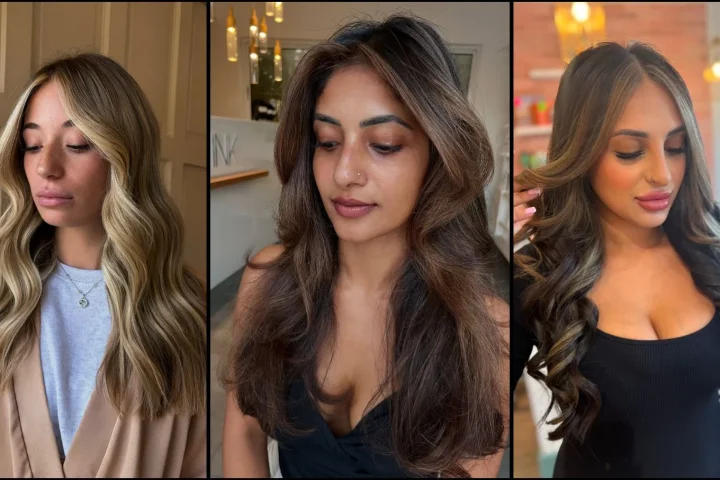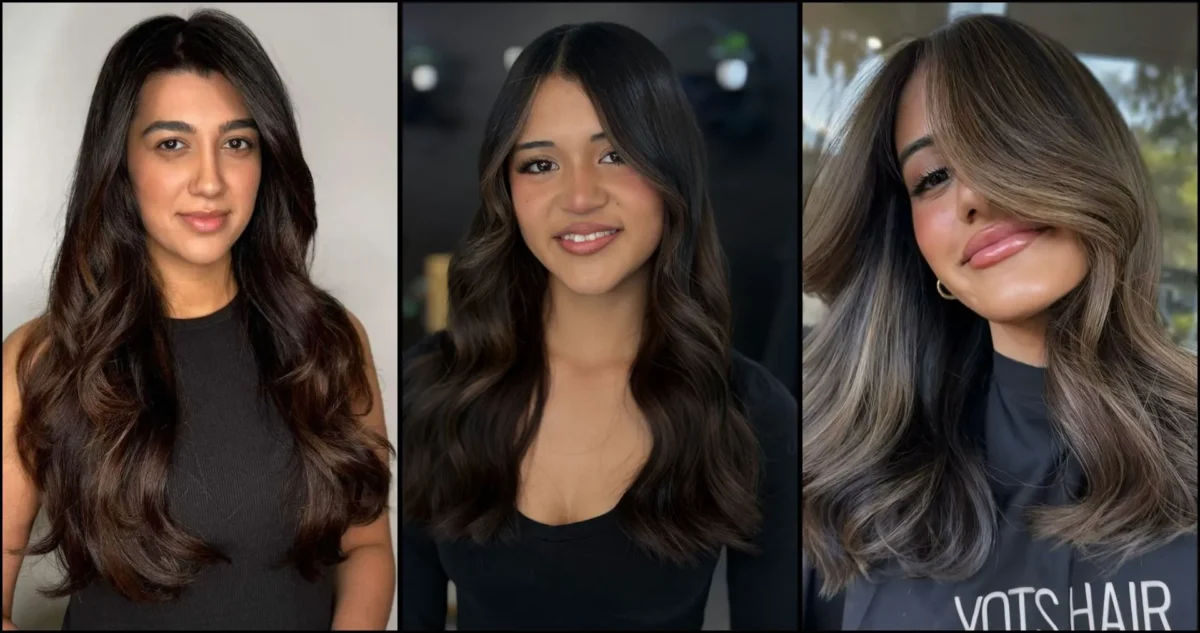
Mocha balayage suits people who want their brown hair to look lighter and more interesting without giving up a dark base. The colorist keeps the roots and the deeper layers close to your natural brown, then paints in ribbons of mocha and caramel through the mid-lengths and ends. Because the lightening is hand-painted rather than foiled from the root, the result has a soft edge at the top and grows out without a hard line. Espresso roots with caramel ends read as warm and sun-touched, while a cooler mocha keeps the whole look closer to ash brown and works well when gold tones turn brassy on you. The shade sits between a solid brunette and a full balayage, so it is a good middle step if you have never had lightener in your hair before. It also works for hair that has been colored dark for years, as long as the colorist knows the history and plans the lifting stage around it. The 25 ideas below cover the full range, from a few quiet ribbons around the face to a much lighter caramel finish, so you can see how the same technique changes with depth, warmth and placement.
Choose the amount of dimension
- Narrow, nearby brown tones create a quieter change. Wide caramel sections give a more visible contrast when the hair is waved or tied.
- A soft transition below the roots can look less sharply outlined as it grows. Face-framing highlights may still need attention sooner.
- A cool mocha reference and a golden caramel reference can have similar depth but different warmth. Compare them in neutral light.
Ask about the starting canvas
Previously colored dark lengths can respond differently from natural regrowth, so show the colorist your hair history as well as your reference. Ask for a plan for the lightening stage and a separate plan for maintaining the desired tone. Balayage describes placement rather than a guarantee of no maintenance. Check the look straight as well as waved so you understand how the ribbons will show on ordinary days.
How to choose your mocha balayage
Start with the warmth of your skin. If gold jewellery suits you and your skin picks up warmth easily, caramel and toffee ribbons will look natural on you. If silver suits you better and warm tones tend to look orange on your hair, ask for a cooler mocha with ash or taupe in the toner. A good colorist will hold swatches against your face in daylight rather than under salon lights, since that is where you will live with the colour.
Your natural base decides how much lifting is needed. Hair that is already a medium brown reaches a caramel tone in one session more easily, while very dark or previously coloured hair may need two visits to get the same lightness without damage. Be honest about box dye, henna or keratin treatments, because they change how the hair lifts and a surprise at the basin is never pleasant.
Texture changes how the ribbons show. Fine hair shows each painted section clearly, so narrow ribbons and a soft blend keep it from looking stripey. Thick or wavy hair can take wider sections, since the waves break the colour into smaller pieces as they move. If your hair is curly, ask to see the colour on curls that are dry, because wet curls stretch and the placement looks different once they spring back.
Think about the visits too. Ribbons that start a few inches below the root grow out gently and can go three to four months between appointments, with a toner or gloss in between to keep the warmth in check. Ribbons that start right at the face frame will show regrowth sooner and need touching up more often, so pick the placement that fits how often you are willing to sit in the chair.
Related reading: chocolate brown hair colors.
Espresso Roots With Soft Mocha Ribbons
Deep espresso at the roots gives this long, layered brunette color its darker anchor, while softer mocha ribbons bring movement through the lengths without turning the whole head light. The gentle transition is a useful reference for anyone wanting a lived-in balayage, especially if keeping their natural root depth is more appealing than maintaining highlights close to the scalp.
Dark Mocha Espresso Balayage
This mocha espresso balayage leans into the darker end of the coffee-color family, making it a starting point for brunettes who want a change that still feels comfortably deep. Ask your colorist to compare the lighter strands with your natural base in daylight, since a small difference in tone can be enough to make dark hair look more dimensional.
Chocolate Mocha Balayage With Waves
A chocolate-brown base and warmer mocha ends work together in this glossy balayage, with soft waves helping the shifts in color read across the hair instead of disappearing into one solid brown. Keeping the transition gradual lets the darker roots remain the main shade, while a simple waved finish makes it easier to see how the painted color moves along each section.
Caramel Ribbons Through Mocha Brown
Warm caramel pieces run through a deeper mocha brunette foundation in this salon color, creating a brighter interpretation of balayage without losing the dark brown underneath. This is a useful direction when you want your highlights to be noticeable, and you can ask for narrower ribbons if you prefer finer dimension or wider sections for a bolder caramel effect.
Caramel Mocha With Fine Teasylights
The caramel-mocha combination in this stylist’s balayage uses a teasylight approach, making it a reference for a softer transition between a brunette base and its lighter pieces. Teasing or diffusing the section near the root can help avoid a sharp start line, so discuss how much brightness you want through the middle and ends before the color is applied.
Mocha Brown AirTouch Balayage
This warm mocha brown result is credited by the salon as a no-bleach AirTouch balayage, a look aimed at adding tonal variation while keeping the overall finish brunette. A no-bleach approach is not possible on every starting color, particularly previously dyed dark hair, so ask your stylist to assess your hair history rather than assuming the same method will produce identical results.
Frozen Mocha on a Choppy Lob
Cooler frozen-mocha color accompanies a choppy long bob in this stylist’s post, pairing a muted brown palette with a cut that has visible movement at the ends.
Soft Mocha on a French Bob
A French bob and mocha balayage make a compact brunette pairing, with the shorter shape giving subtle color changes less length to travel before reaching the ends. For this kind of cut, ask your stylist to plan the painted sections around the bob’s outline, so the highlights still look intentional when the hair is tucked behind the ears or worn smooth.
Mocha Balayage on a Curly Bob
This mocha balayage is paired with a bob from a stylist who specializes in textured hair, showing how a short curly shape can carry coffee-brown color without needing very light blonde ends. On curls, thoughtful placement matters because individual coils separate and overlap differently than straight hair, so ask for highlights that remain visible when the hair dries naturally.
Dimensional Mocha on Shaped Curls
Mocha color and a customized curly cut come together here, with the brown tones designed to sit alongside a rounded, textured shape instead of relying on long, blown-out lengths. If you usually wear your natural curls, bring a reference of your everyday finish and discuss where the brighter pieces should fall once shrinkage and curl grouping are taken into account.
Warm Mocha Balayage for Curly Hair
This stylist’s warm mocha balayage is presented with curly styling, a reminder that balayage does not have to be shown only in polished, loose salon waves. You can keep the brown tones close together for an understated result or request a little more contrast toward the ends, while making sure the lightened sections are cared for with conditioning products suited to your texture.
Iced Mocha With Money Piece
An iced mocha balayage with a money piece places the attention on cooler brown tones and a brighter section around the face, rather than scattering equal amounts of lightness everywhere. The face-framing color can be adjusted in width and brightness, so a slim piece keeps the effect restrained while a broader piece gives the haircut a more obvious focal point.
Creamy Face Frame on Mocha Hair
Warm brunette balayage is paired with creamy blonde face-framing highlights in this look, giving the front of the hair more brightness than the deeper mocha lengths behind it. If you like the contrast, ask your stylist where the pale pieces should begin beside your face, since their starting height changes how bright the color feels when you wear your hair forward. For another option with a different finish, see our brunette hair with highlights inspiration.
Mocha Balayage With Smooth Blowout
Mocha balayage takes on a smoother finish in this colorist’s blowout styling, allowing the brown dimension to appear along the length without needing tight curls to separate the strands.
Caramel Mocha on Thick Dark Hair
This caramel-mocha balayage was created for thick, dark Asian hair, with the salon crediting both its colorist and stylist for the finished result. On dense brunette hair, placement and the amount of color left dark can make a substantial difference, so ask for enough separation between lighter sections to preserve a deep base instead of turning the entire length caramel.
Brunette With Mocha Caramel Balayage
A mocha caramel balayage offers a warmer option for brunettes who want brown hair to catch more light while retaining depth at the roots. The combination can be kept soft for a low-contrast result or pushed brighter through selected lengths, and showing your colorist a photo of the desired balance will be more useful than requesting caramel highlights without a placement plan.
Fine Caramel Slices on Chocolate Brown
This salon describes a chocolate-brown foundation with finely sliced caramel-mocha highlights, finished in a warm-neutral tone rather than a distinctly ashy shade. Fine placement is worth considering when you want a blended look with fewer obvious light stripes, especially on straight hair, where each section tends to lie neatly and color separation can be easier to spot.
Glossy Mocha to Caramel Melt
The mocha caramel melt in this colorist’s post moves from a darker brunette feel into warmer dimension, keeping the overall impression brown rather than blonde. A melt can be appealing if you dislike hard bands of color, and asking for a soft root transition alongside a suitable gloss can help your stylist plan a finish that stays cohesive between appointments.
Cool Mushroom Mocha Balayage
Mushroom mocha balayage takes the color in a quieter, cooler direction than golden caramel, making it a good comparison photo if you prefer taupe or muted brunette tones. Ask to see how the intended shade looks in neutral lighting, since a cool brown can photograph warmer or grayer depending on the setting, and maintenance may involve toning as underlying warmth reappears.
Smoky Mocha With Beige Tones
Smoky mocha balayage in this post combines ash, beige, and subtle caramel tones, creating an option between fully cool brown and obviously warm highlights. That mix can be useful when you want dimension without a golden finish, but discuss the exact warmth level with your colorist because beige can lean either direction depending on the base shade and toner.
Mocha Balayage on Natural Black Hair
The salon presents this mocha balayage as a result on virgin black hair, showing an approach that starts from a much deeper base than standard medium-brown balayage references. If your hair is naturally very dark, ask what level of warmth is realistic in one session and whether you prefer restrained brown dimension or brighter caramel ends before committing to the amount of lift.
Cool Mocha on Dark Brunette Hair
This colorist’s dark brunette finish uses soft, cool mocha balayage to break up a deep brown base without sending the look into obvious blonde territory. The contrast stays in the brunette family, which makes it a helpful example for someone with dark hair who wants dimension first and lightness second; a gloss can also help keep the surface looking smooth and reflective.
Espresso Roots With Caramel Ends
Deep espresso roots transition toward caramel ends in this chocolate balayage, placing the strongest brightness lower in the hair while leaving plenty of dark color closer to the scalp. This placement is worth showing your stylist if you like light-catching ends but prefer your natural roots to grow in quietly, and long layers can help spread the brighter sections across different lengths.
Ash Mocha Balayage for Brunettes
Ash mocha balayage gives the classic brunette color a cooler alternative to honey and toffee, with muted brown tones doing the work instead of bright golden pieces. It is a useful salon reference if your main concern is avoiding orange-looking highlights, although your colorist should still assess your starting shade and explain how much toning the result will need over time.
Toasted Caramel Mocha Balayage
this look combines a sun-warmed brown direction with a deeper brunette base, as described by the stylist who cut and colored the hair. It is a good choice to compare against cooler mushroom versions if you are undecided about tone, and you can request a less bright finish by keeping the caramel concentrated in smaller sections rather than across every end.
Styling and upkeep
Mocha balayage needs gentle care to hold its tone. Wash with a sulfate-free shampoo made for color-treated hair, and keep the water lukewarm, since hot water lifts the toner faster and lets the caramel turn brassy. A purple or blue toning shampoo once a week helps if your ribbons drift warm, but use it sparingly on cooler mocha, where it can dull the finish. A gloss or toner at the salon every six to eight weeks refreshes the mocha without another full lightening session, and it is the easiest way to keep the color looking deliberate rather than faded. Between visits, a leave-in conditioner or a light hair oil keeps the lightened lengths from drying out, because the lifted sections are more porous than the dark base. Heat styling is fine, but keep the iron at a moderate temperature and use a heat protectant first, since repeated high heat fades the caramel faster. When your roots grow in, the soft placement means you can wait longer than a foil highlight would allow, and many people book a partial refresh, just the face frame and the top layers, rather than redoing the whole head each time.
Frequently asked questions
How long does mocha balayage last?
The placement grows out softly, so most people go three to four months between full appointments. A toner or gloss every six to eight weeks keeps the mocha from turning brassy in the meantime. Face-framing pieces may need attention a little sooner if they start close to the root.
Will mocha balayage work on dark hair?
Yes, dark hair is a good starting point, because the deep base gives the caramel ribbons something to stand out against. Very dark or previously colored hair may need two sessions to reach a caramel tone without damage. Your colorist can test a small section first to see how your hair lifts.
Does mocha balayage damage hair?
Any lightening opens the hair cuticle, so the lifted sections need more moisture than the rest of your hair. A colorist who works with a bond builder and a suitable developer keeps the damage to a minimum. Regular conditioning and keeping heat tools at a moderate temperature help the lengths stay in good shape.
How do I keep mocha balayage from turning brassy?
Use a toning shampoo once a week if your ribbons drift orange or yellow, and keep wash water lukewarm. A salon gloss between appointments puts the cool or neutral tone back without more lightening. Sun and chlorine can also push the color warm, so rinse after swimming and use a hat or UV spray on bright days.
Can I get mocha balayage on curly hair?
Yes, and curls show the dimension well, since the ribbons appear and disappear as the curls move. Ask your colorist to place the color on dry curls so the placement matches how your hair sits day to day. A curl cream or light gel after washing helps the color read clearly once the curls are set.
If one of these 25 looks feels like the right depth and warmth for you, save two or three photos and take them to your next appointment. Pick images that match your hair length and texture, and note which part of each one you like, whether it is the root blend, the caramel through the ends or the cooler mocha tone. Showing your stylist a small set of references makes it much easier to agree on the depth, the warmth and the placement before the color goes on, and it gives you both something concrete to come back to at the next visit.