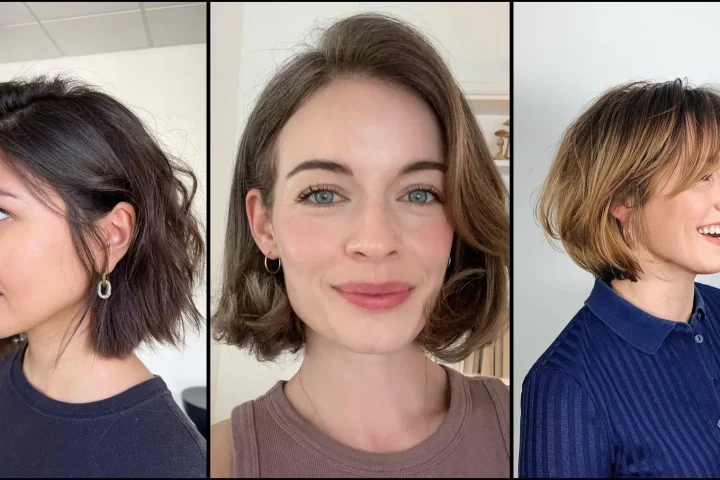
A shaggy bob is a bob haircut with visible movement through its layers and ends. Some versions have a full perimeter with a few soft layers; others use choppy crown pieces, curtain bangs, and a more dramatic shag silhouette. The best version depends on your hair’s density, texture, and where you want the bottom edge to sit. A bob cut just under the cheekbones keeps the shape compact, while one at the collarbone gives the layers room to move and softens the line at the shoulders. Your face shape plays a part too: a side part or a longer front layer can change the balance of the outline. If you are new to a shaggy style, ask for fewer layers at first, so you can see how they sit before asking for more texture.
These 40 shaggy bob haircuts for 2026 cover short choppy bobs, shaggy lobs, different bangs, straight and curly textures, and styling approaches for a range of face shapes. Bring references that show the back and side of the haircut, not only a front-facing photo. Our French bob and wavy bob guides offer useful contrasts.
What to ask your stylist for a shaggy bob
Decide the perimeter first: cheekbone, jaw, neck, or collarbone. Then choose how much layering you want at the crown and around the face. ‘Shaggy’ can mean softly separated ends or very choppy, obvious layers, so use photographs to show your preference. Ask how the haircut will look with your natural styling routine, not just after a professional blowout.
Fine, thick, curly and straight hair need different layering
Fine hair may need more weight left at the baseline; thick hair may benefit from careful interior layering to manage bulk. Curls and coils need planning around shrinkage and the way each section springs up when dry. Straight hair often shows a shaggy cut through a little movement or styling product. A skilled stylist should adapt the technique to the hair rather than use one layer pattern for everyone.
Face shape is a guide, not a rule
A side part, fringe, or longer front layer can alter the proportions you see in a photo. None of these options is mandatory for a round, square, long, heart-shaped, or oval face. Use the face-shape ideas below to identify effects you like, then choose a length and texture that feels comfortable. Styling effort and growth pattern often matter more than a strict face-shape chart.
1. Classic Jaw-Length Shaggy Bob

View Instagram post by @smokeandmirrorsbaltimore
A classic shaggy bob keeps the perimeter around the jaw with shorter layers through the crown and sides. Ask your stylist for movement without losing the overall bob shape. The ends should look separated instead of forming one heavy line. For daily styling, work a little lightweight mousse through damp hair and let the natural bends show rather than trying to make every piece identical.
2. Chin-Length Choppy Shag Bob

View Instagram post by @latesthair
A chin-length bob with choppy ends creates a compact, textured shape. Ask for point-cut or otherwise softened ends that suit your hair rather than aggressively thinned sections. The shortest layers should still connect to the perimeter so the haircut doesn’t look like two separate lengths. This is easiest to judge when the hair is dry and moving naturally.
3. Soft Shaggy Lob
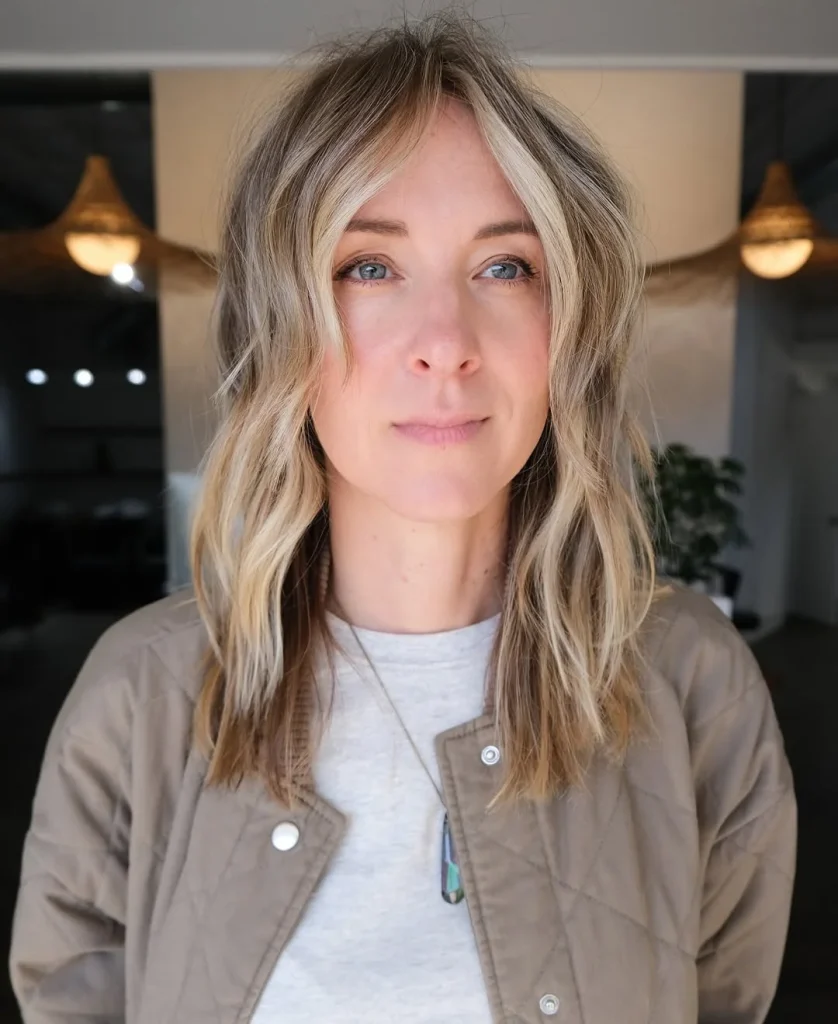
View Instagram post by @modestspotcarrillo
A shaggy lob sits nearer the collarbone, offering more length than a jaw-skimming bob. The layers break up the heaviness around the shoulders without turning it into a full-length shag. Ask for soft movement through the mids and ends. This can be a sensible starting point if you want texture but aren’t ready to cut to the chin.
4. Shaggy French Bob With Wispy Fringe
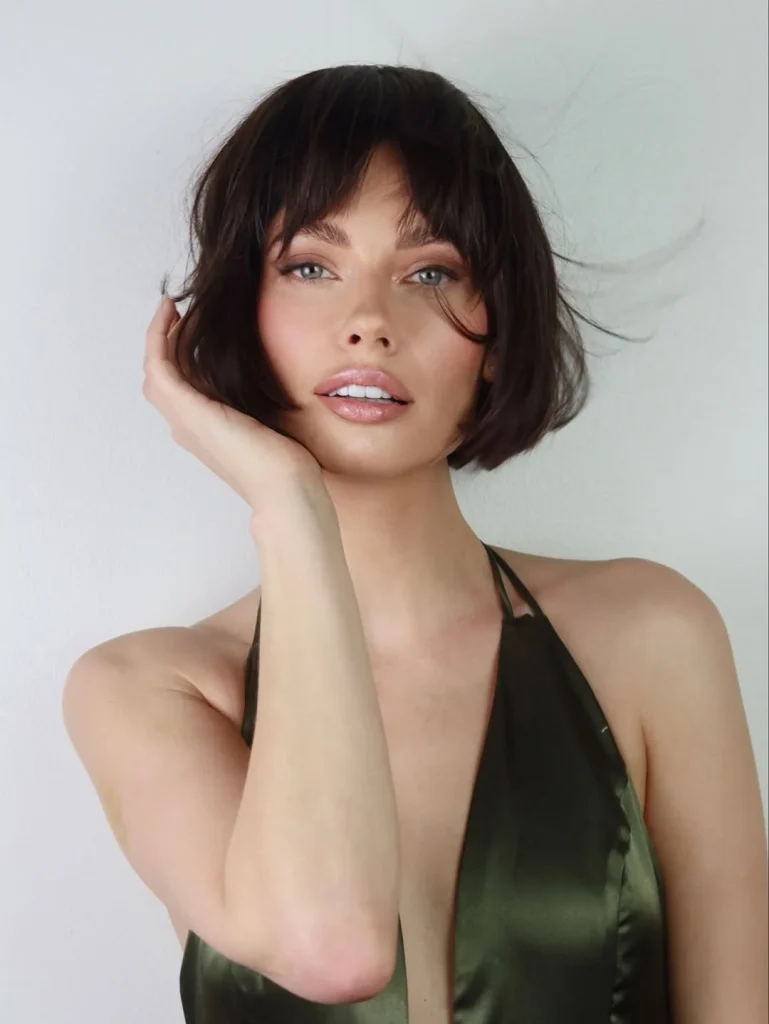
View Instagram post by @arcscissors
This version combines the compact French bob outline with wispy, broken-up bangs. The fringe should have some forehead showing rather than forming a solid curtain. Keep the sides textured but avoid making the baseline so thin that the haircut loses its bob identity. Our French bob guide shows cleaner and curlier alternatives.
5. Tousled Shaggy Bob With No Bangs
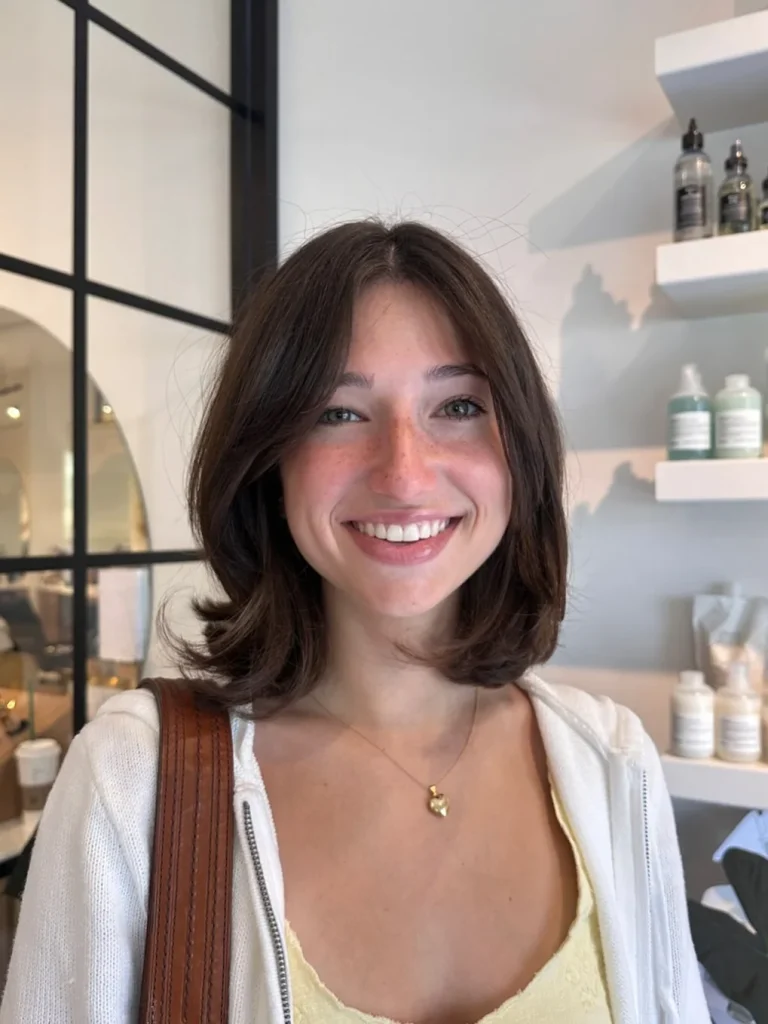
View Instagram post by @bellamane__
A shaggy bob doesn’t require a fringe. Ask for face-framing pieces that blend into the cheekbone-length layers, then keep the front open with a center or gentle side part. This works well if you dislike hair falling across your forehead. Scrunch a small amount of texture cream through the ends and leave a few pieces irregular rather than curling every strand.
6. Shaggy Bob With Curtain Bangs

View Instagram post by @chrisjones_hair
Curtain bangs part near the center and blend toward the cheekbones, giving a layered bob movement around the face. Ask for fringe pieces long enough to tuck away on days when you don’t style them. The rest of the haircut needs texture through the crown and ends so the bangs don’t look disconnected. Blow-dry the fringe first while it is still damp.
7. Shaggy Bob With Full Textured Bangs

View Instagram post by @brushpalmsprings
A fuller fringe gives the shaggy bob a more retro outline. Ask for bangs that can separate into small pieces, avoiding a solid blunt wall unless that is your preference. Keep some movement around the ears to balance the front. Test the dry length of the bangs before they are cut too short, especially if your hair springs up after washing.
8. Side-Swept Shaggy Bob
View Instagram post by @creathesalon
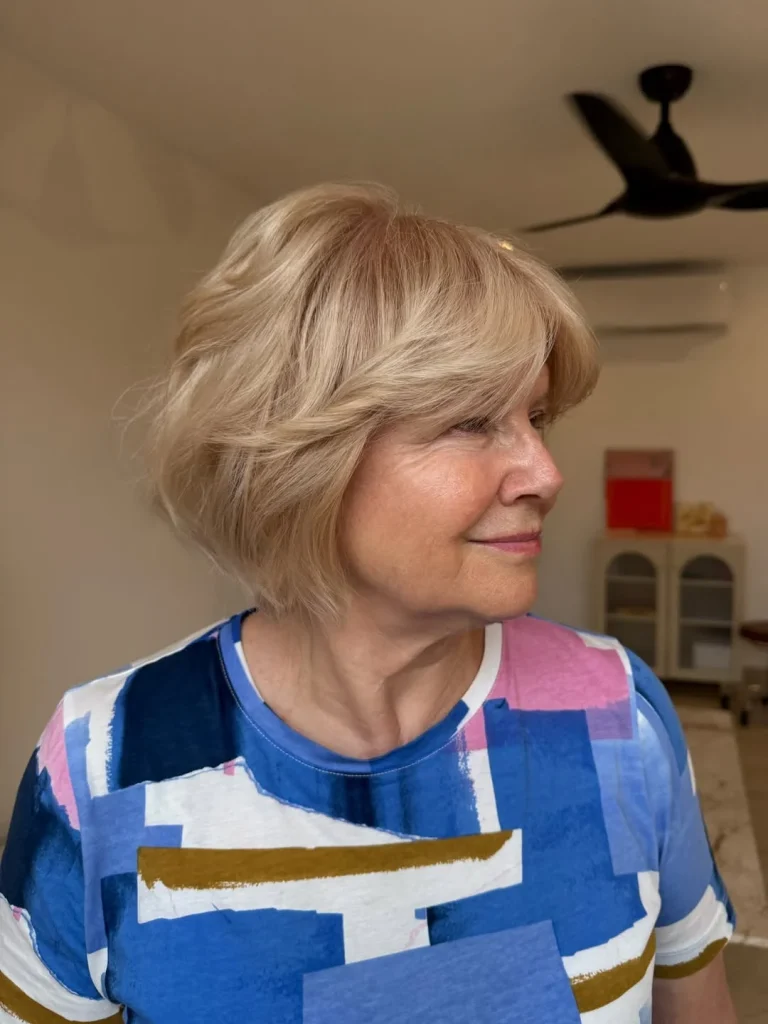
A side-swept fringe draws attention to one cheekbone, while soft layers add movement around the nape. Choose a parting that suits your growth pattern rather than forcing a sharp new one. This style can be refreshed by lifting the roots with your fingers and reworking the front pieces with a small brush. Leave the ends loose instead of curling them all inward.
9. Razor-Textured Shaggy Bob
View Instagram post by @rebeccaroyallhair
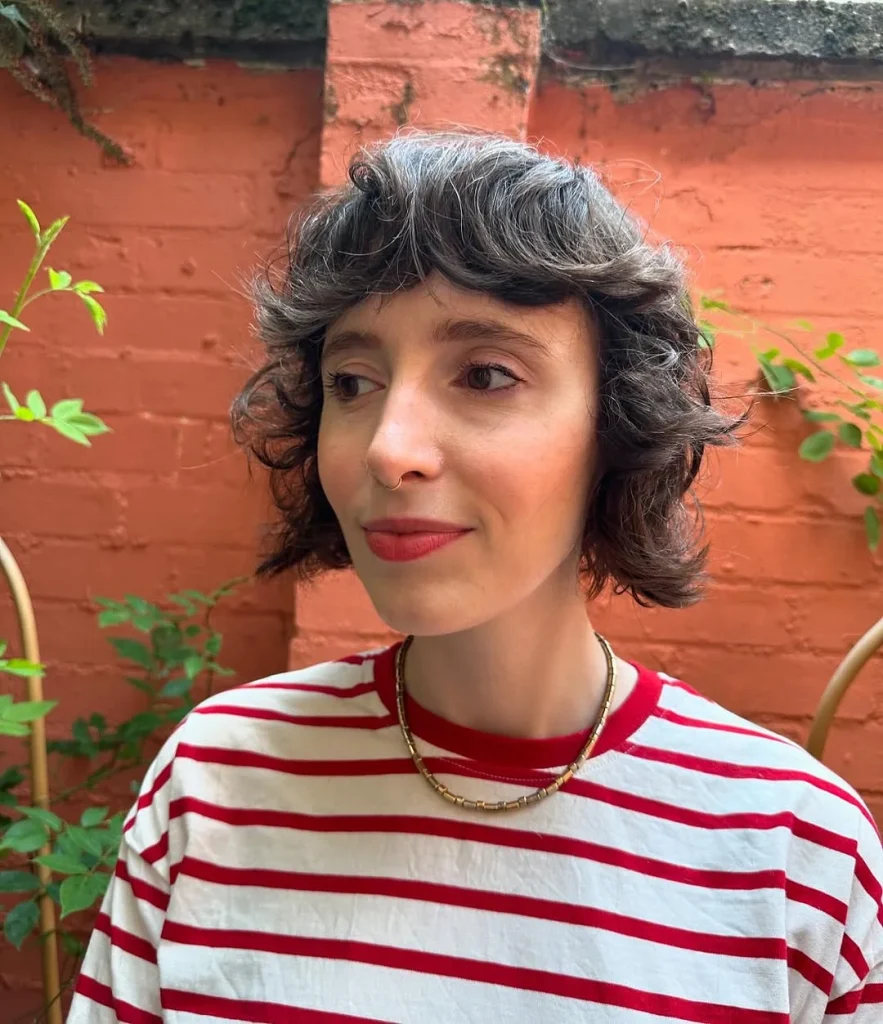
Razor work can produce feathered edges and light movement on suitable hair types, but it isn’t the right technique for everyone. Ask the stylist how it will affect your curl pattern, density, and tendency toward frizz. The goal is separated texture, not wispy damage. If you have fragile or highly porous ends, scissor layering may give a more controlled result.
10. Piecey Pixie Shag Bob
View Instagram post by @palwashayousuf
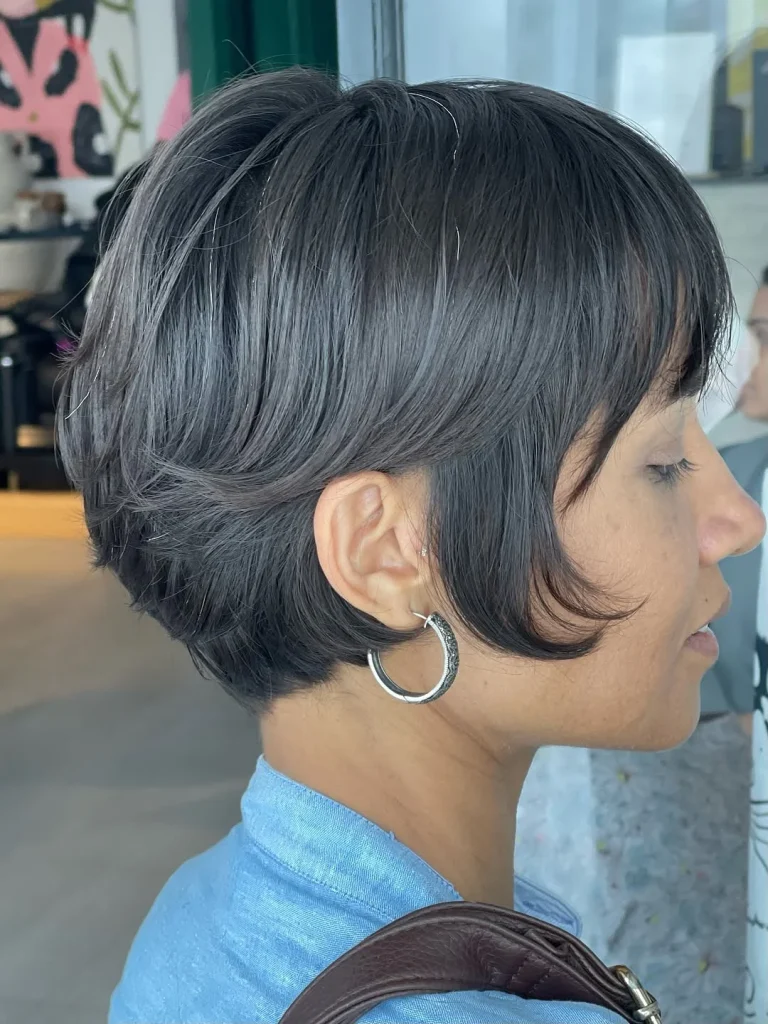
The pixie-shag bob sits between a cropped cut and a short bob, with a longer fringe and textured nape. Ask for enough length around the ears to keep the style soft. A touch of paste on dry ends helps separate layers, but avoid loading fine hair with wax. This cut suits someone growing out a pixie who still wants an intentionally messy shape.
11. Wavy Shaggy Bob With Middle Part

View Instagram post by @hairandmakeupsyd
Natural waves give a shaggy bob texture without demanding daily hot-tool styling. Ask for layers that release movement around the cheekbones and keep the perimeter from becoming bulky. Apply a light curl or wave cream to damp hair, scrunch, and let it dry with minimal touching. A center part makes the shape balanced, but it doesn’t have to stay perfectly straight.
12. Beachy Shag Bob With Broken Waves
View Instagram post by @katielouisehair_
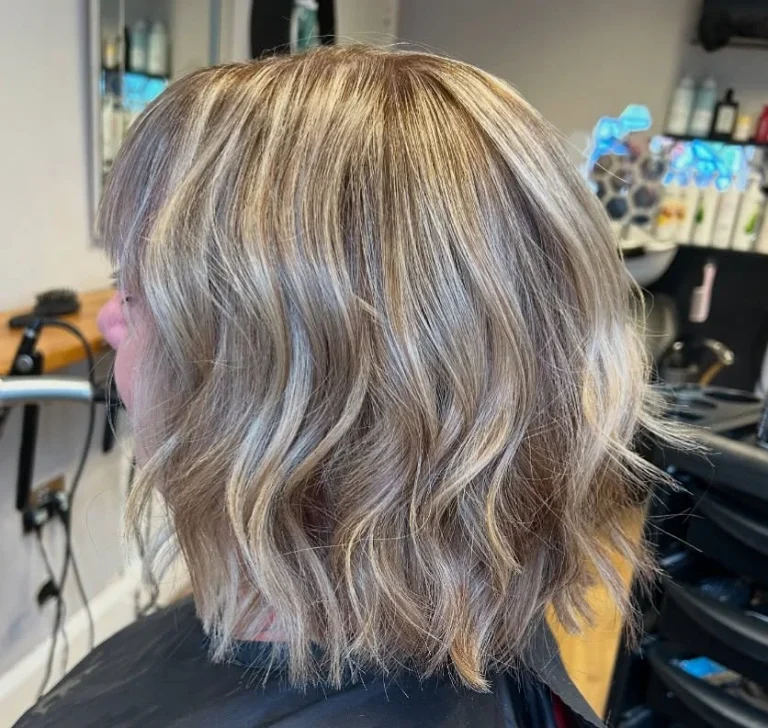
This style uses uneven S-bends rather than polished ringlets, so the layers fall in different directions. Ask the stylist to keep enough weight at the bottom for the bob to hold its outline. Use a light salt-free texture spray or mousse if salt sprays leave your hair dry. Make only a few bends with heat and avoid passing repeatedly over the same ends.
13. Naturally Curly Shaggy Bob

View Instagram post by @salon26bromley_br2
A curly shaggy bob depends on how the curls shrink after drying. Ask the stylist to assess your dry length and build the layers around your actual curl pattern. Too many short crown layers may create a rounder shape than expected. Refresh curls with water and a suitable leave-in instead of brushing through dry definition. See our curly shag haircuts for more ideas.
14. Loose-Curl Shaggy Bob
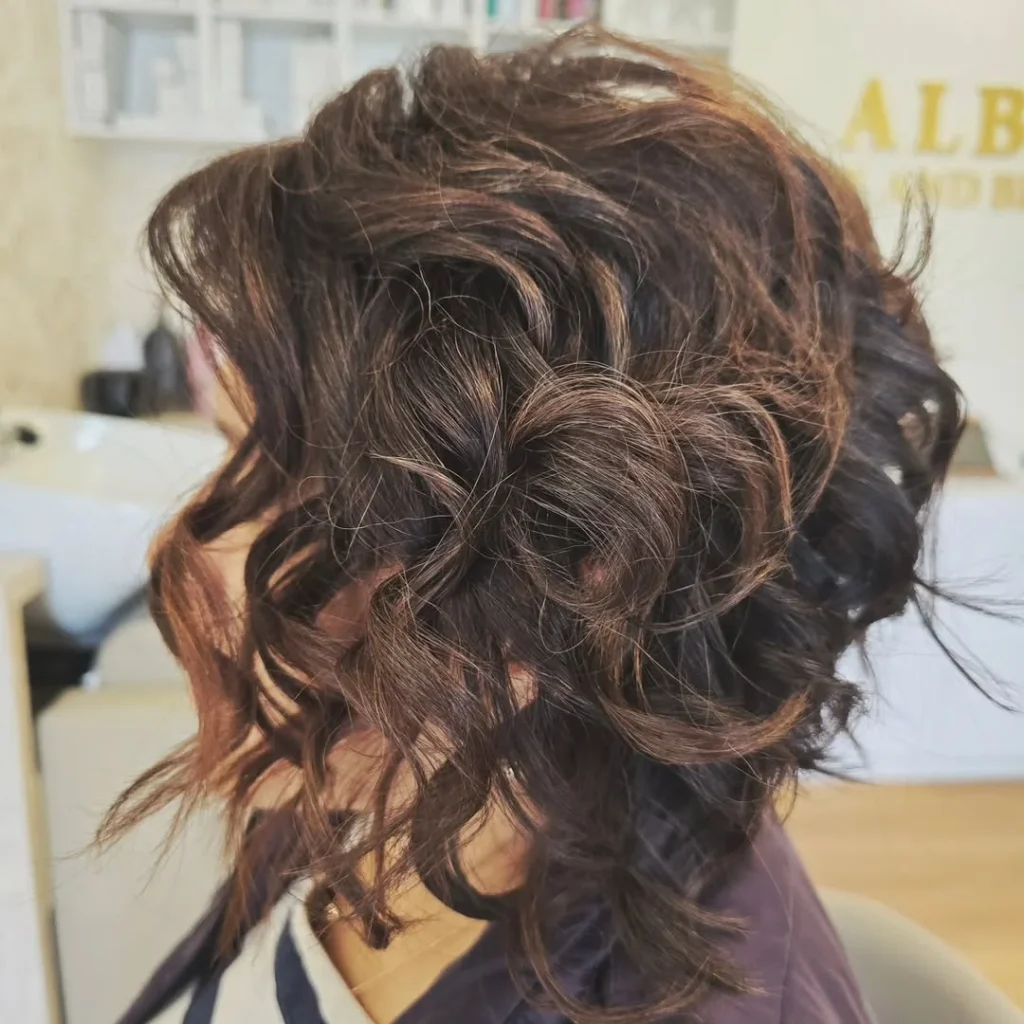
View Instagram post by @alba.hairandbeauty
Large, loose curls form a soft shaggy silhouette when layers release some weight around the face. Keep the ends full enough that the haircut still reads as a bob, not a narrow tail below the curls. Use a diffuser on gentle settings if you like more lift, or let the curls air-dry for a softer finish. Discuss shrinkage with your stylist before choosing the final length.
15. Coily Shag-Inspired Bob
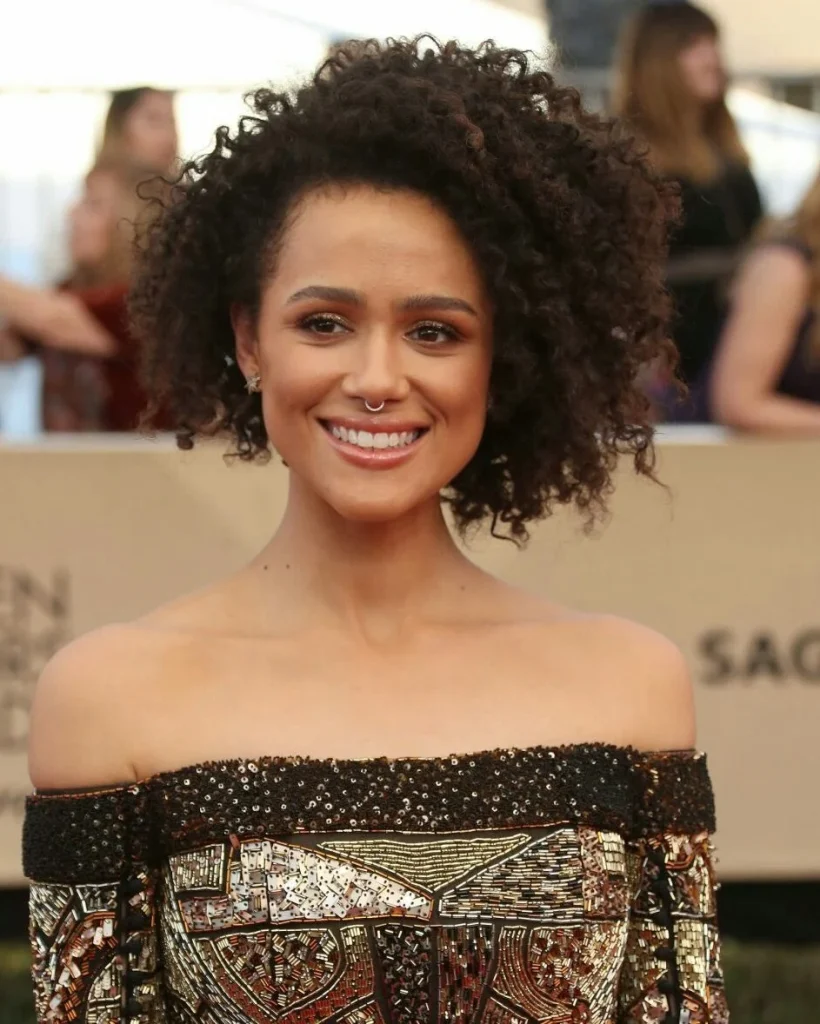
View Instagram post by @shorthaircutwomen
On coily hair, a shag-inspired bob can use carefully placed layers to create shape and volume while keeping a clear perimeter. A dry cut or curl-by-curl assessment can help show where the finished length will sit. Avoid assuming the shape will match a straight-hair reference. Work with the existing curl formation and use products that provide definition without flattening the volume.
16. Fine-Hair Shaggy Bob With Fuller Ends
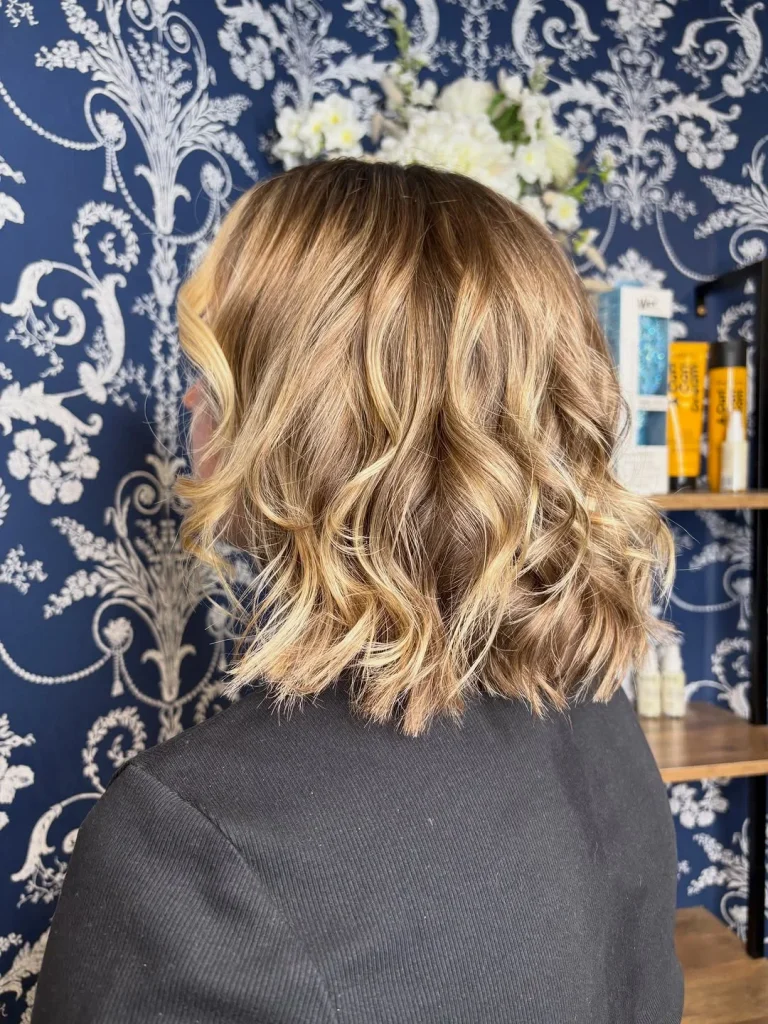
View Instagram post by @bobbybobssalonandbarbers
Fine hair can carry a shaggy bob when the perimeter retains enough density. Ask for fewer, strategically placed layers rather than an aggressively thinned-out baseline. Light root lift and a little mousse can help the crown move without exposing sparse ends. Our fine-hair bob guide compares fuller-looking shapes if you want a less textured result.
17. Thin-Hair Soft Layered Bob

View Instagram post by @kandis_hair_designs
When overall density is low, a softer shag often works better than very short disconnected layers. Keep the longest section solid, with only a few face-framing and crown pieces adding movement. Ask the stylist to show how much bulk the proposed layers will remove. A lightweight blow-dry and changing the part can create lift without relying on heavy teasing.
18. Thick-Hair Shaggy Bob With Internal Layers

View Instagram post by @opulentbeautysalon
Thick hair can become triangular at bob length, especially if much of the weight sits at the bottom. Internal layers may help distribute the bulk while preserving a full-looking edge. Ask the stylist not to remove so much weight that the ends become stringy. A smoothing cream through the mids can control volume, with some movement left around the face and crown.
19. Dense Wavy Bob With Choppy Ends
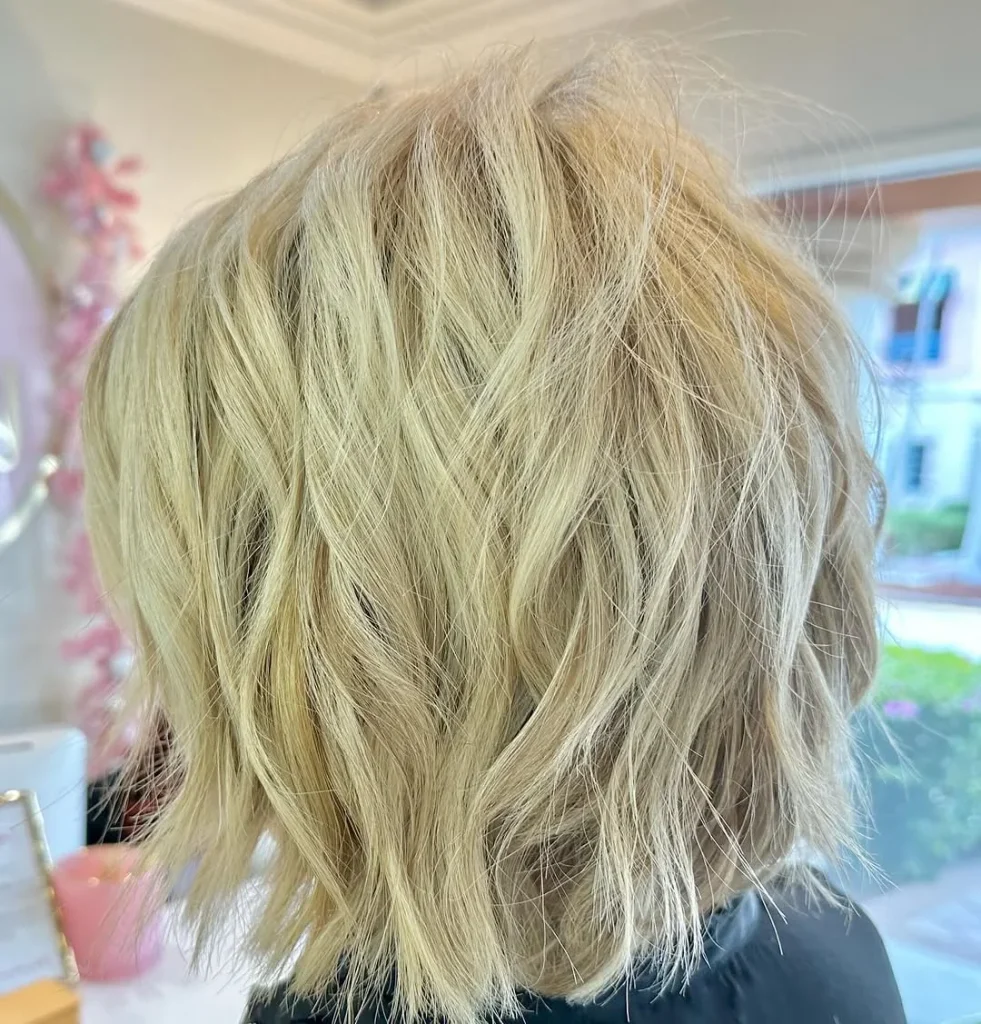
View Instagram post by @dirtyblondesalonatboca
A dense wavy bob benefits from layers that work with the bend instead of cutting straight across it. Ask for textured ends and enough length to account for the wave springing upward when dry. Apply styling cream in sections so the waves clump rather than puff out. Keep the underside supported if you want a balanced shape around the jaw.
20. Straight-Hair Shag Bob With Texture

View Instagram post by @peninsula_hair_studio
Straight hair may need a little styling to show the separated layers of a shaggy bob. Request soft, choppy ends and modest crown layering without sacrificing too much perimeter weight. A blow-dry with alternating directions or a few gentle bends can bring out the cut. Avoid using lots of texturizing powder; it can make clean straight strands feel gritty.
21. Shaggy Bob for Round Faces With Crown Lift

View Instagram post by @chrisjones_hair
If you like a more elongated-looking silhouette, discuss modest crown lift and face-framing pieces that fall below the widest part of the cheeks. These are styling choices rather than rules about what round faces can wear. Keep the bob at a length you enjoy. A side part or airy curtain fringe can change the balance without requiring extreme layers.
22. Shaggy Bob for Square Faces With Soft Corners
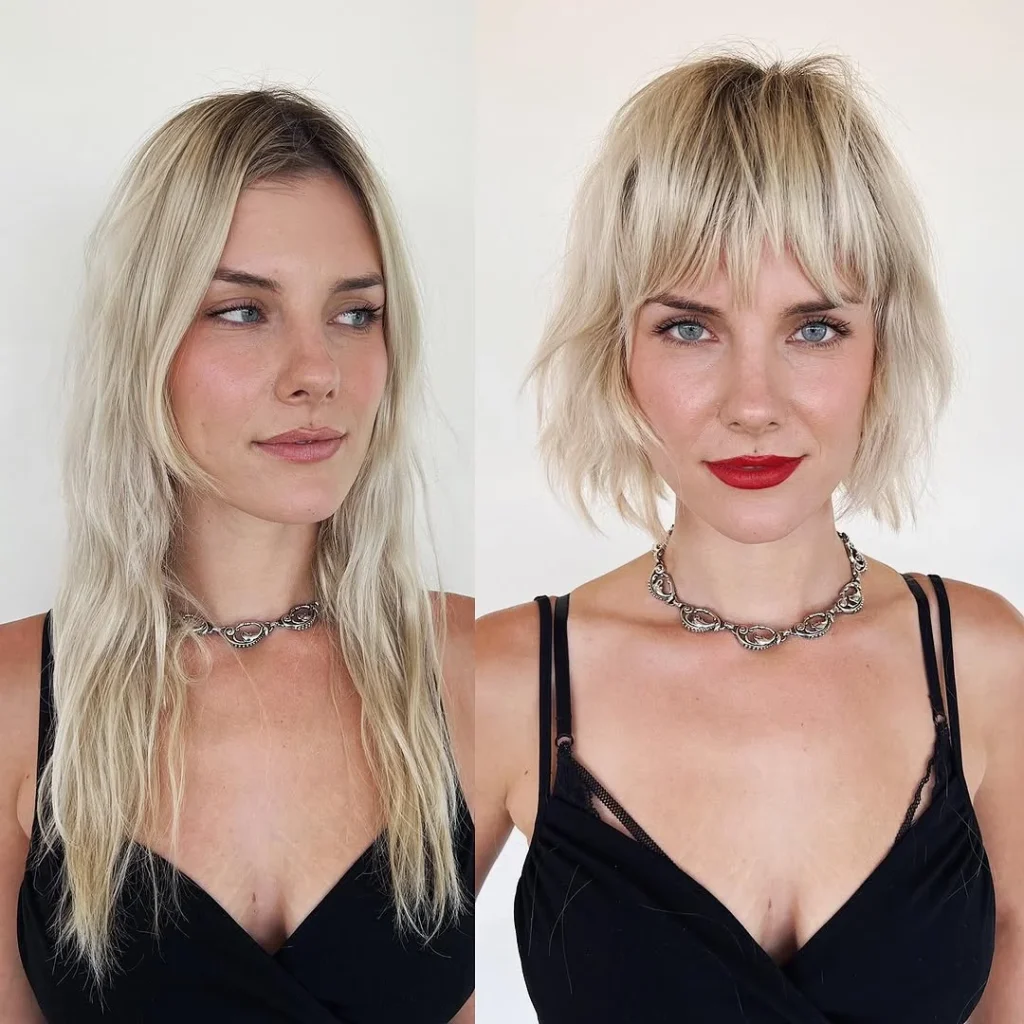
View Instagram post by @jayne_edosalon
A bob with broken-up ends near the jaw creates a softer outline than a completely blunt box shape. Ask for face-framing sections that move past the cheekbones and a fringe length you can actually style. You can also keep a stronger perimeter if you prefer it; square faces don’t require one particular haircut. Let the layers fall naturally rather than forcing perfect curls.
23. Shaggy Bob for Long Faces With Side Volume
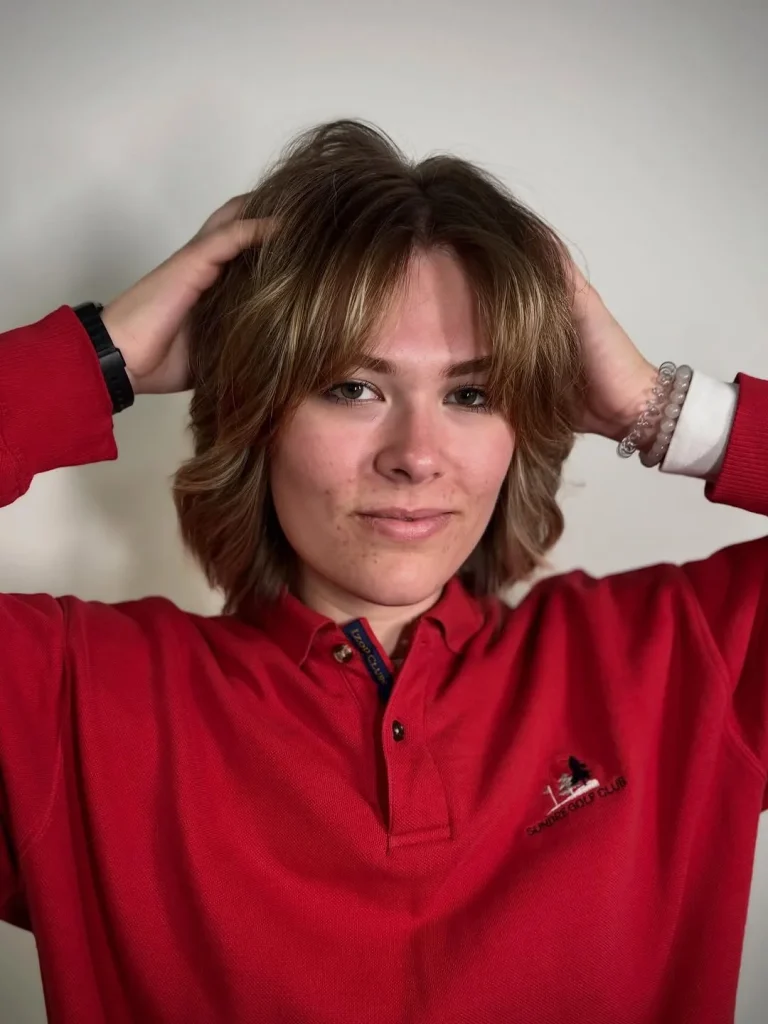
View Instagram post by @chaos_creations_3
If you want more width around the cheeks, a shaggy bob can keep a little volume through the sides while avoiding excessive height at the crown. A soft fringe may also change the proportions, but it is optional. Ask your stylist to assess where the haircut sits when dry. Natural waves can provide the side movement without heavy styling.
24. Shaggy Bob for Heart-Shaped Faces
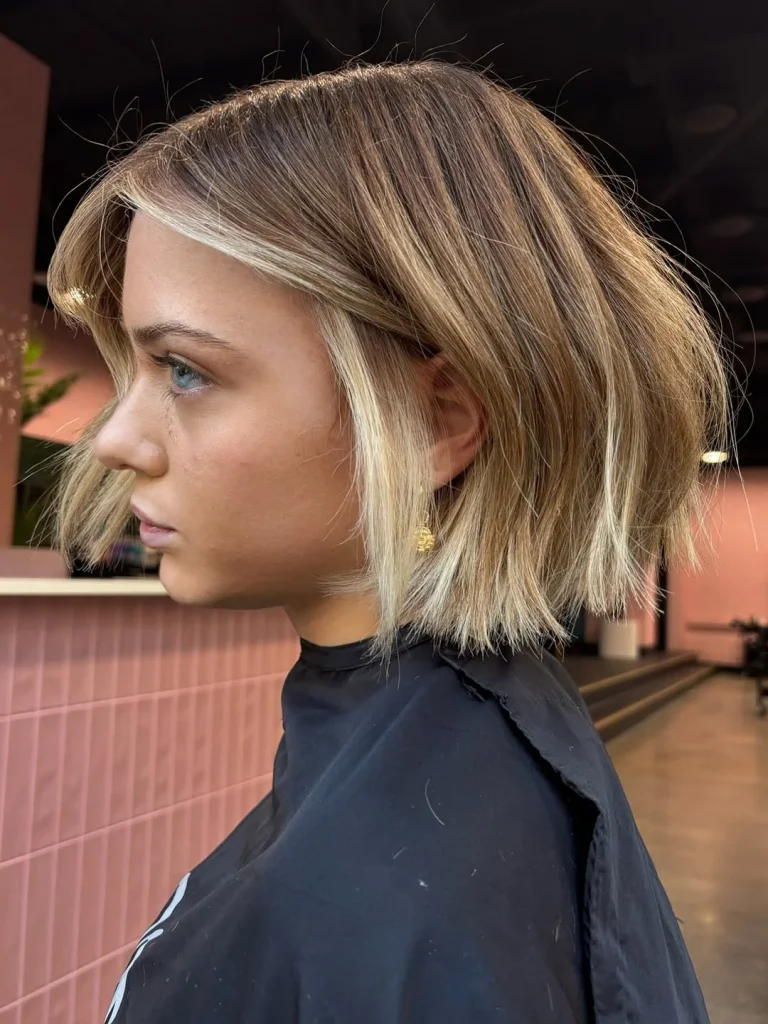
View Instagram post by @gracekellyhair_
A cheekbone-skimming or jaw-length bob can balance volume across the lower part of the haircut, depending on the effect you want. Try a side-swept fringe or face-framing pieces that start near the cheekbones. The stylist should consider your hair texture and growth pattern before deciding the layer lengths. Haircut choices are personal; no face shape has a mandatory best bob.
25. Shaggy Bob for Oval Faces With Movement

View Instagram post by @salonher_
An oval face doesn’t require a special shag formula. Choose a length based on where you want the perimeter to fall and the amount of texture you like. A chin-length bob with wispy layers looks different from a collarbone shaggy lob, even with the same part. Start by choosing the overall silhouette, then decide whether bangs are worth the upkeep.
26. Shaggy Bob for Mature Hair With Soft Fringe

View Instagram post by @salonem_boston
A softly layered bob can be an option for women over 50 or 60, but age doesn’t determine which haircut works. Focus on current density, texture, and styling time. A light fringe and fuller perimeter may be easier to maintain than heavily razored ends. Bring photographs of the haircut from the front and side so the shape matters more than the model’s age.
27. Silver-Gray Shaggy Bob
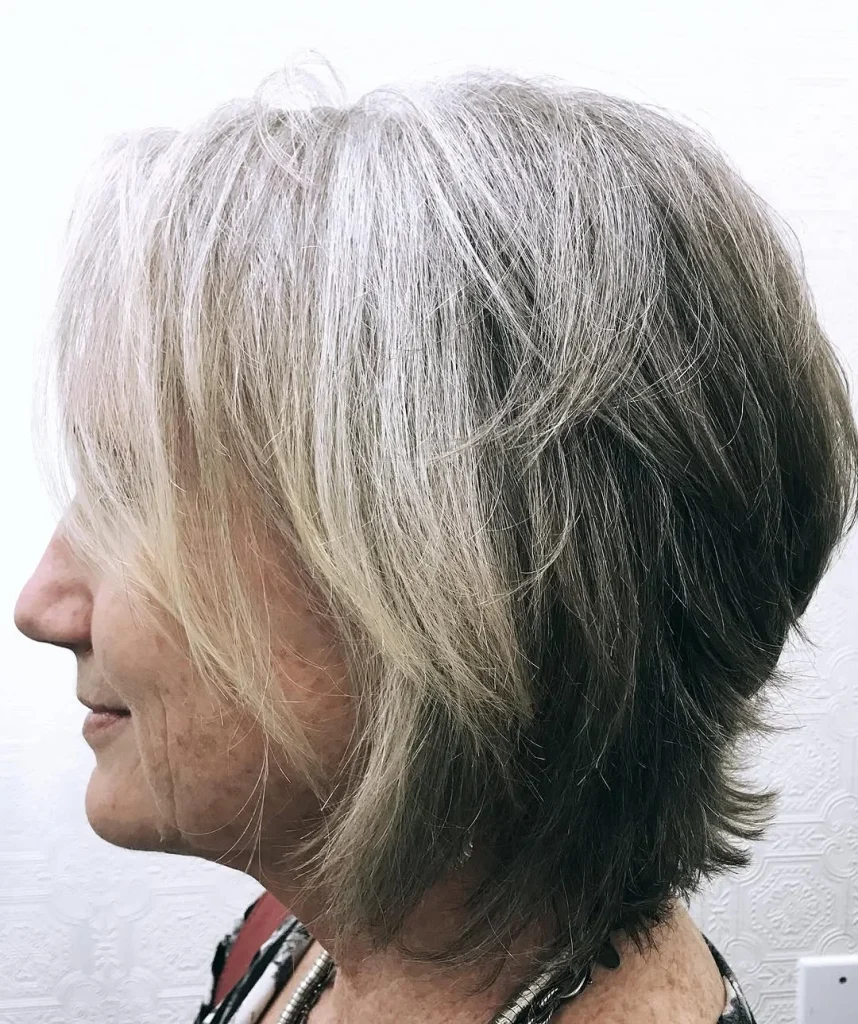
View Instagram post by @katknoxstudio
Natural silver or gray hair shows layered texture beautifully, especially when the cut has a neat perimeter and a slightly tousled top. Discuss your hair’s density before adding many short layers. Use a lightweight conditioner to keep the ends flexible, and choose color care based on whether you actually tone the silver. The gray shade doesn’t need to be hidden to make this haircut look intentional.
28. Shaggy Bob With Micro Bangs
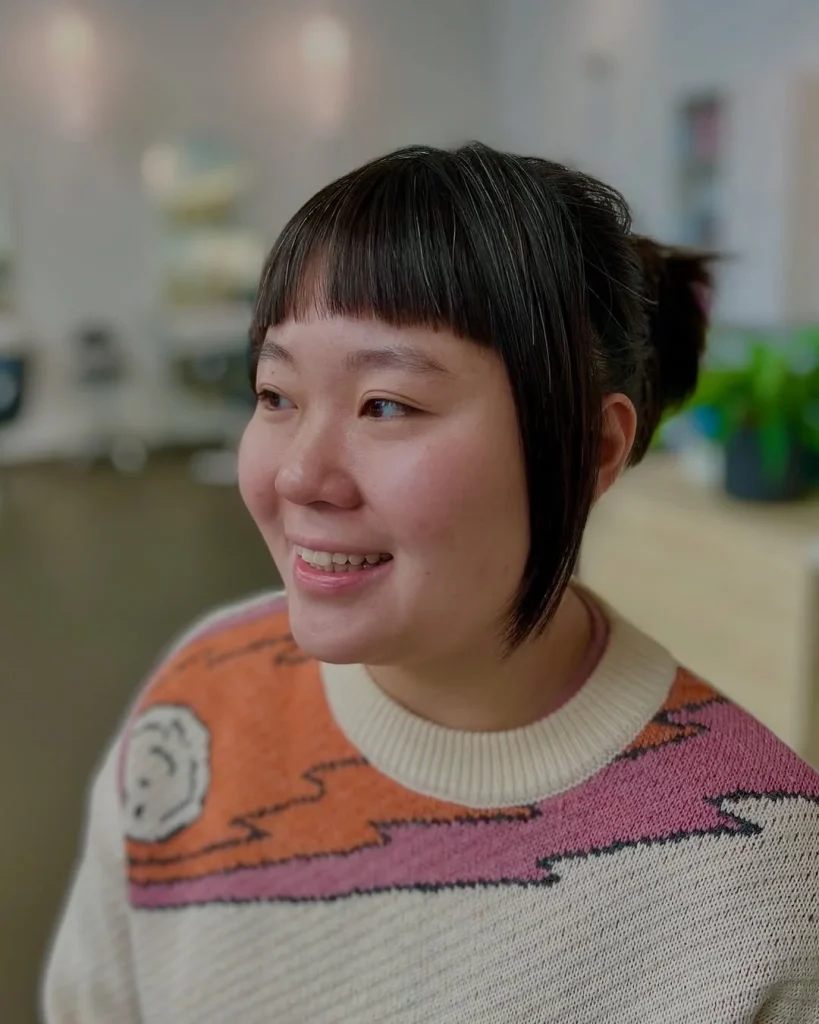
View Instagram post by @katekandelstylist
Very short bangs create a strong visual contrast with the broken layers of a shaggy bob. This is a more committed style because micro bangs can take time to grow out. Ask to see where they will sit when dry, particularly if you have cowlicks or curls. Keep the sides softly textured so the fringe feels connected to the rest of the cut.
29. Asymmetrical Shaggy Bob
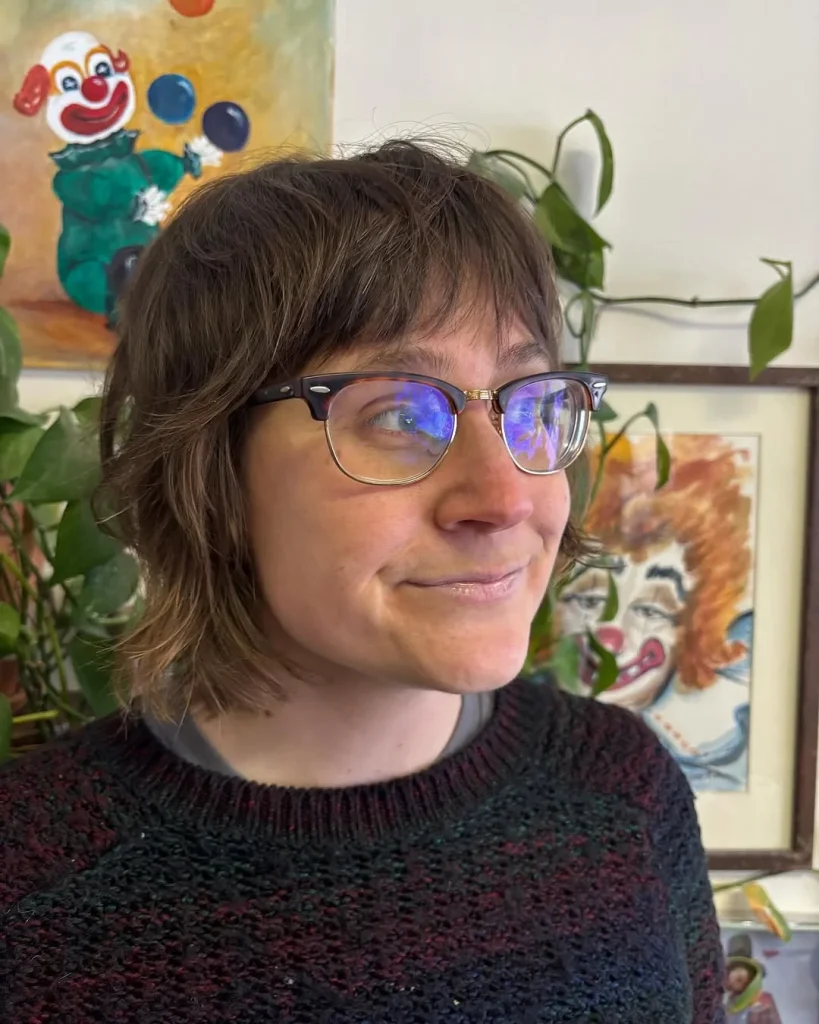
View Instagram post by @joyridehairstudio
An asymmetrical shaggy bob keeps one side slightly longer and heavier than the other, so the shape looks deliberately off-balance rather than uneven by accident. Razor-cut layers add texture through the perimeter while a full fringe softens the forehead. Ask your stylist to keep the shorter side near the jaw and let the longer side fall just below it, then check the balance from the front before the final trim.
30. Shaggy Bob With Wispy Side Bangs
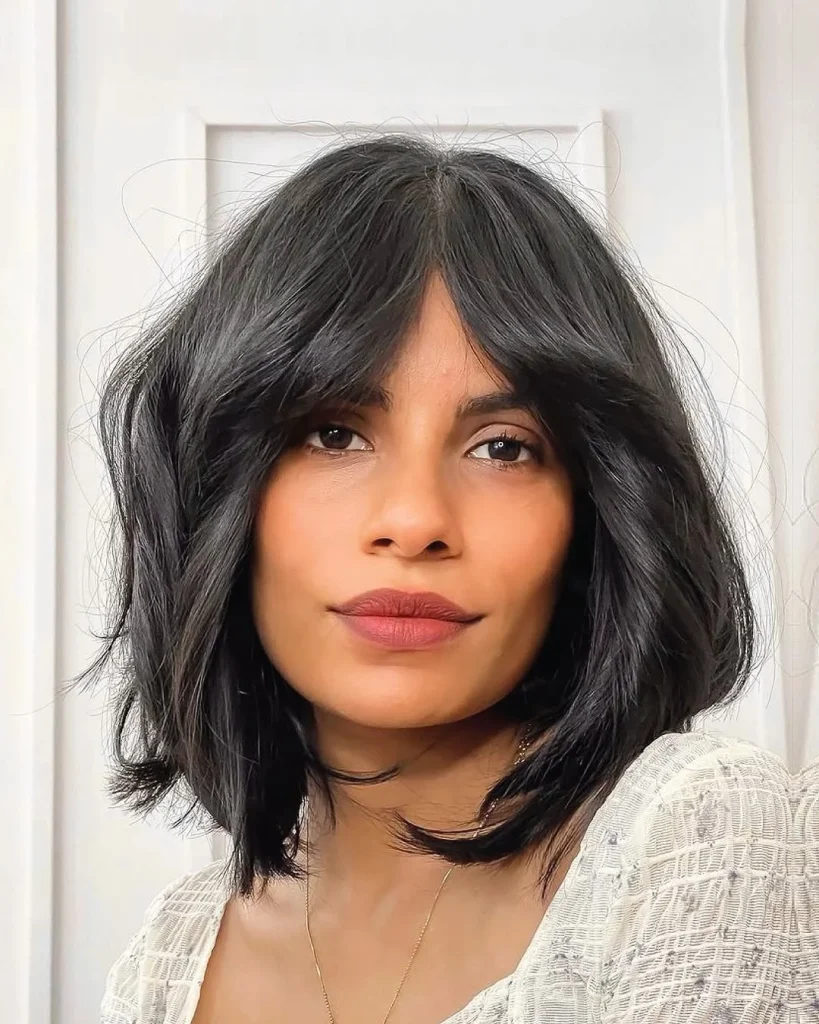
View Instagram post by @nada__salon
A fine, side-swept fringe can soften a choppy bob without needing a full bang trim every few weeks. Ask for enough length to tuck the fringe away on casual days. Keep the sides textured but the ends reasonably full. A quick blow-dry of the front section is usually more useful than repeatedly curling the whole haircut.
31. Shaggy Bob With Face-Framing Layers
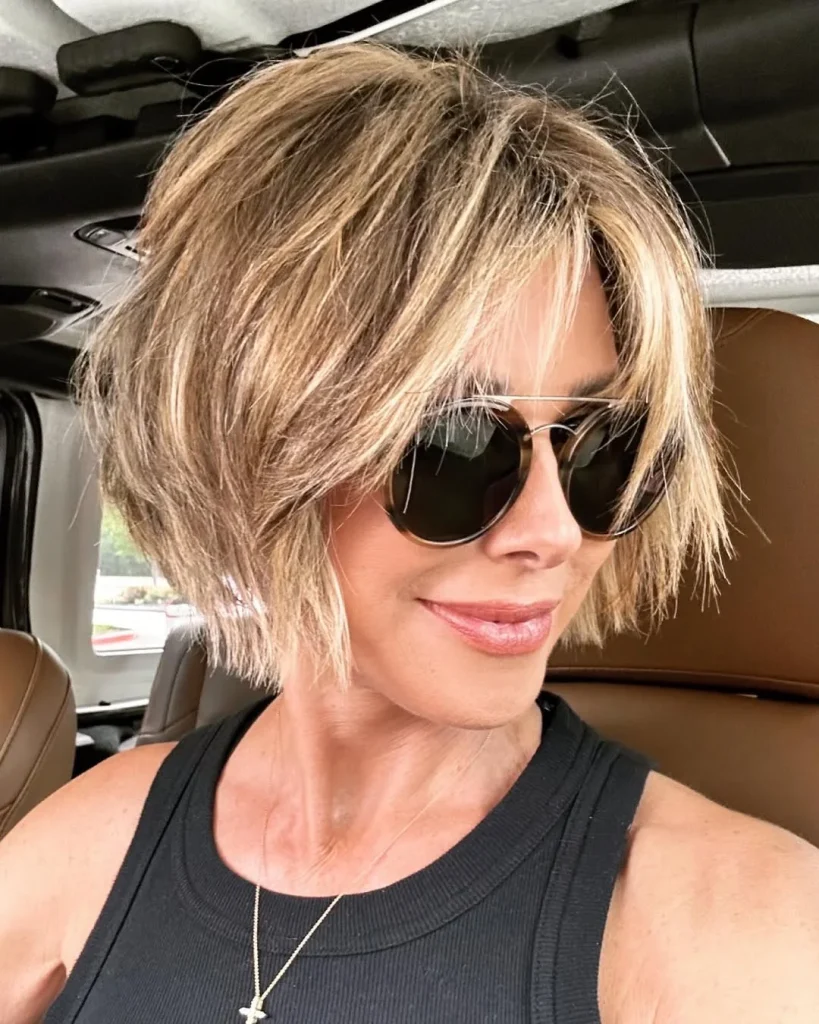
View Instagram post by @chrisjones_hair
Face-framing layers can begin at the cheekbones and blend down to the jaw-length perimeter. They give the front of the haircut movement while leaving the back relatively full. Ask your stylist to show where the shortest pieces will fall when dry. If you wear glasses, check that the layers don’t constantly flip into the frames.
32. Shaggy Bob With Disconnected Crown Layers
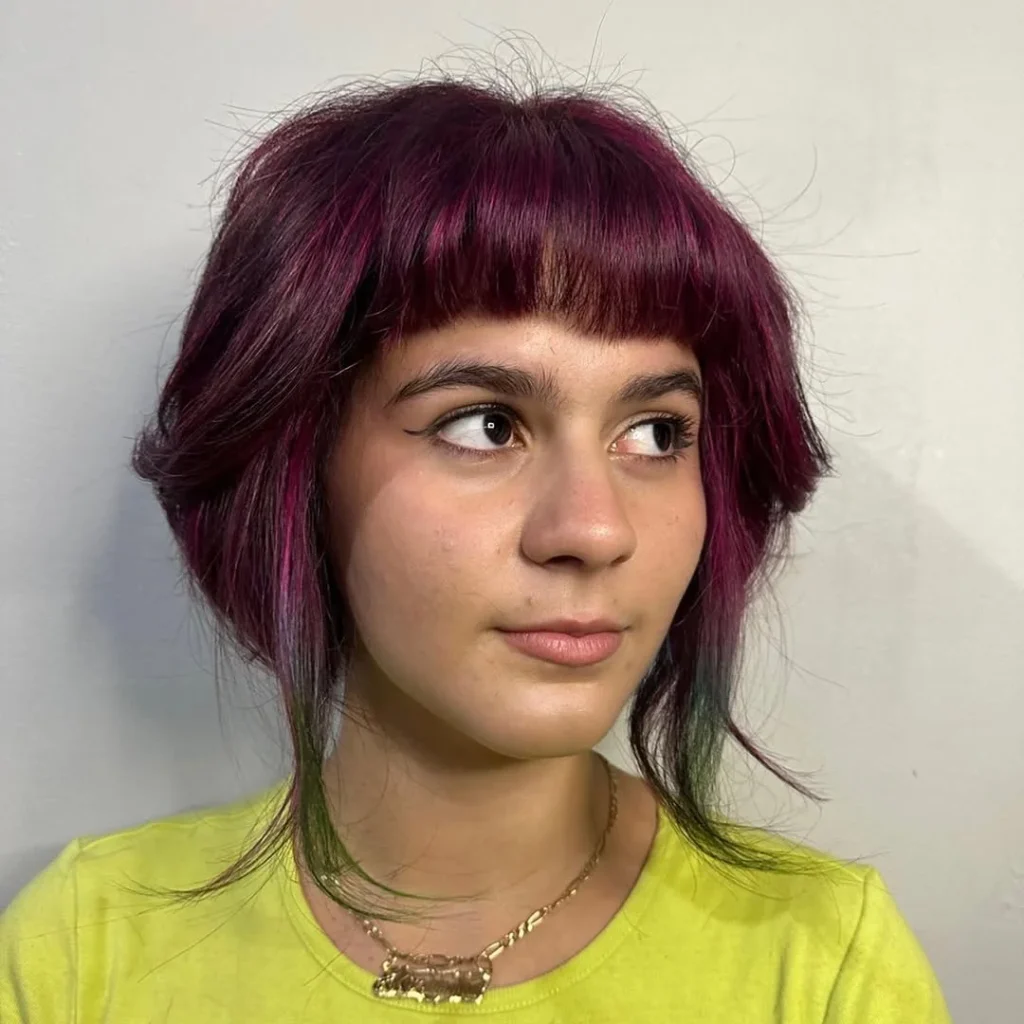
View Instagram post by @nivthestylist
A more dramatic shaggy bob uses noticeably shorter crown layers above a longer bob perimeter. This creates volume and separation but needs careful balance, especially on fine hair. Bring a reference showing the side profile and ask how much weight will be removed. Styling with mousse and your hands can emphasize the movement without requiring a complete round-brush blowout.
33. Soft Shaggy Bob With Rounded Nape
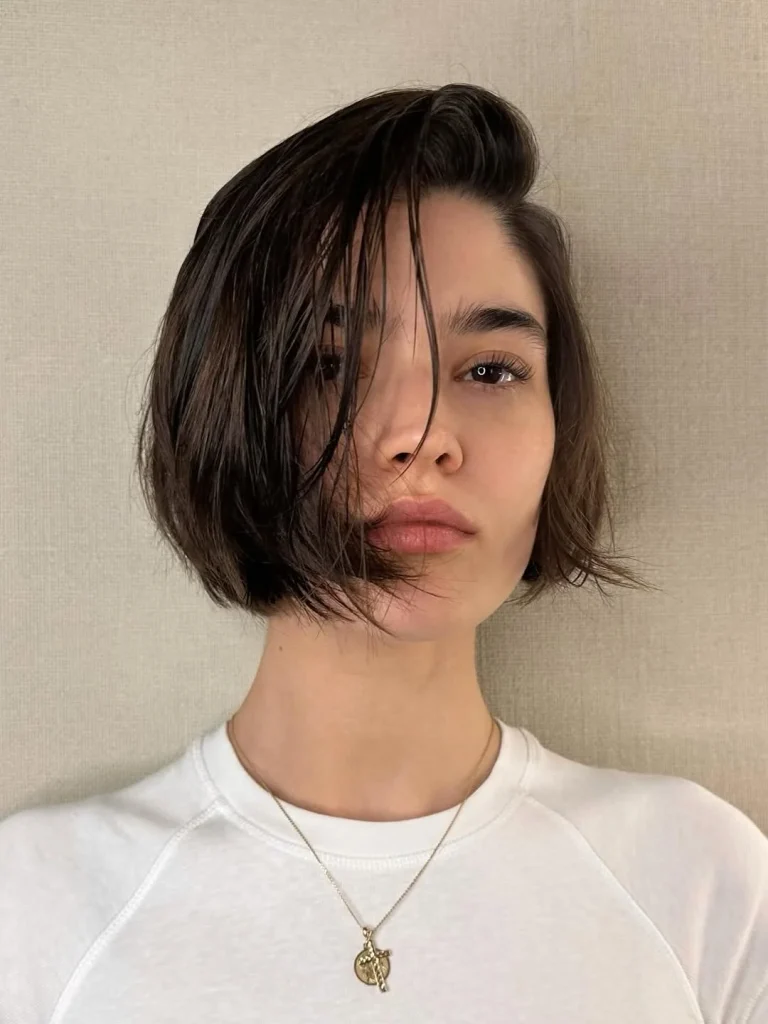
View Instagram post by @davidediodovich
A gently rounded nape gives a shaggy bob a contained outline while textured layers add movement above it. This can feel tidier than a heavily flicked-out neck section. Ask for the nape to follow your growth pattern, especially if you have a strong cowlick. The cut works well with subtle waves and is easier to maintain when the lower edge stays balanced.
34. Inverted Shaggy Bob
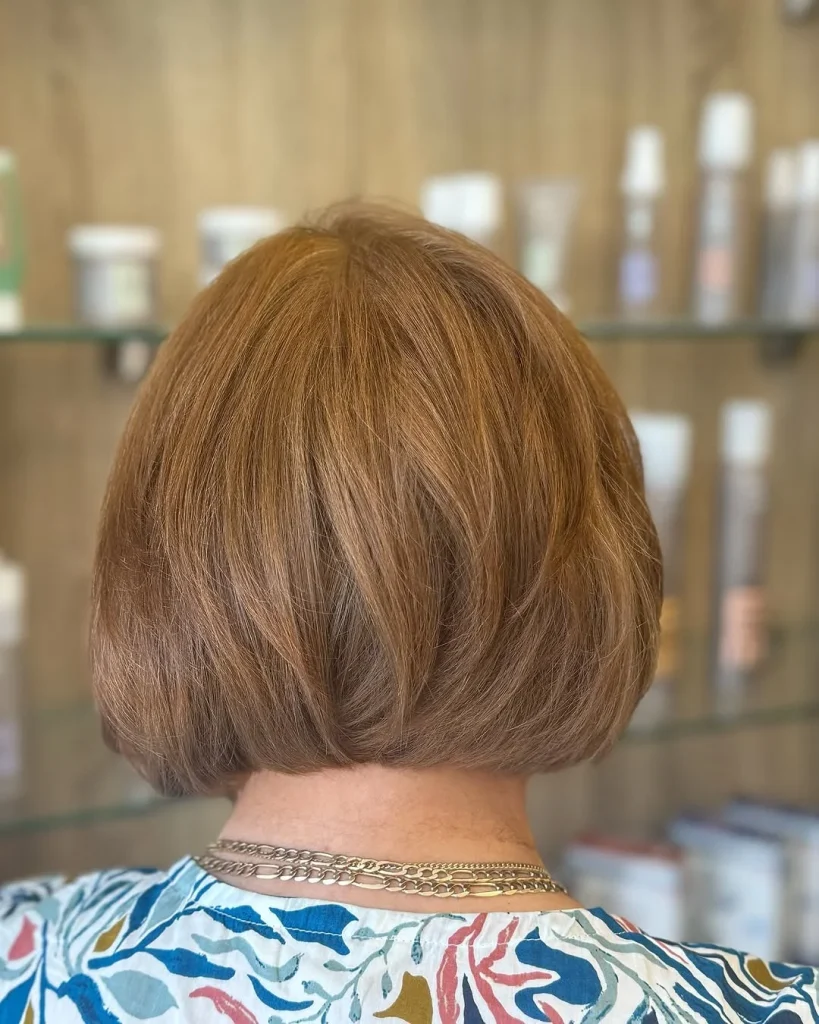
View Instagram post by @hairby._.becca
An inverted bob has a shorter back and a slightly longer front. Adding shaggy layers softens the strict angle and gives the cut more movement. Ask for a gentle difference in length unless you want a dramatic silhouette. This version can be useful if you enjoy face-framing pieces but prefer less hair against your neck. Check the side view before the final trim.
35. Shaggy Bob With Flipped Ends
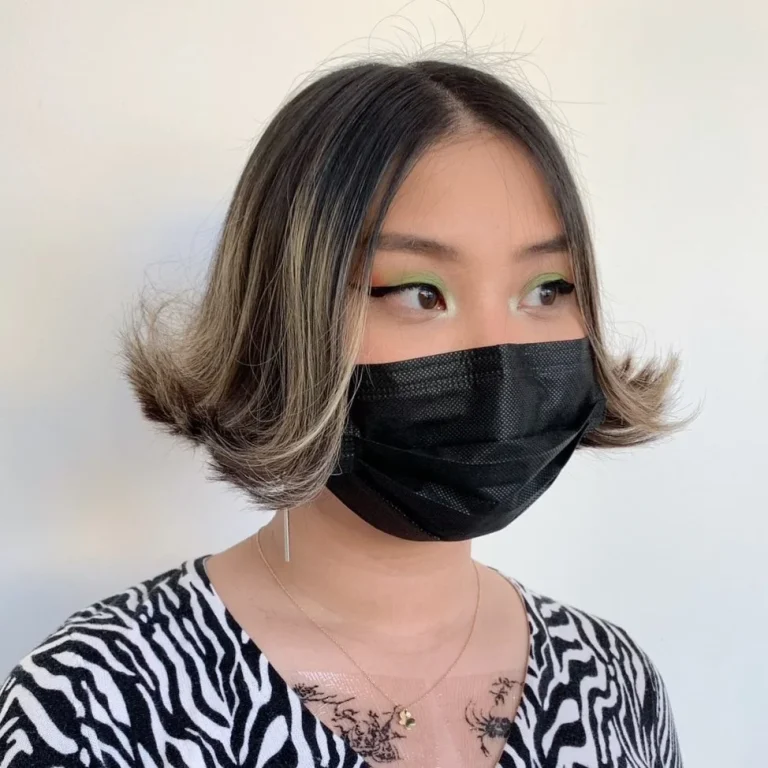
View Instagram post by @gregga.la
The ends of a layered bob can flick outward for a relaxed retro feel. Use a round brush to bend only a few sections instead of flipping every strand identically. The cut should have enough texture for the ends to move independently. A small amount of flexible spray holds the shape while leaving it touchable. Avoid over-styling short damaged ends.
36. Shaggy Bob With Messy Center Part

View Instagram post by @ikeda_nanae_
A casual center part lets choppy layers fall on both sides of the face. The slightly uneven ends make the haircut look relaxed without requiring symmetrical curls. Ask your stylist to keep a clear perimeter so ‘messy’ doesn’t become an unplanned shape. A small amount of texture cream worked through damp ends can help separate pieces while leaving the roots light.
37. Copper Shaggy Bob With Curtain Fringe

View Instagram post by @unionsalontacoma
Warm copper color can highlight the movement of a shaggy bob, particularly where short layers catch the light. The color requires a separate consultation about your hair history and maintenance. Keep the haircut itself soft, with curtain bangs blending into the sides rather than looking disconnected. If you’re not coloring, the same shape works on your natural shade.
38. Brunette Shaggy Bob With Subtle Highlights

View Instagram post by @philipsalonandspa
Fine highlights through the midlengths can make layers easier to see in dark brunette hair without changing the haircut’s structure. Ask for placement that follows the movement of the cut, not thick stripes at every layer. The shape should still work when the highlights grow out. A gloss can change the shine, but color services need to be planned around your hair’s condition.
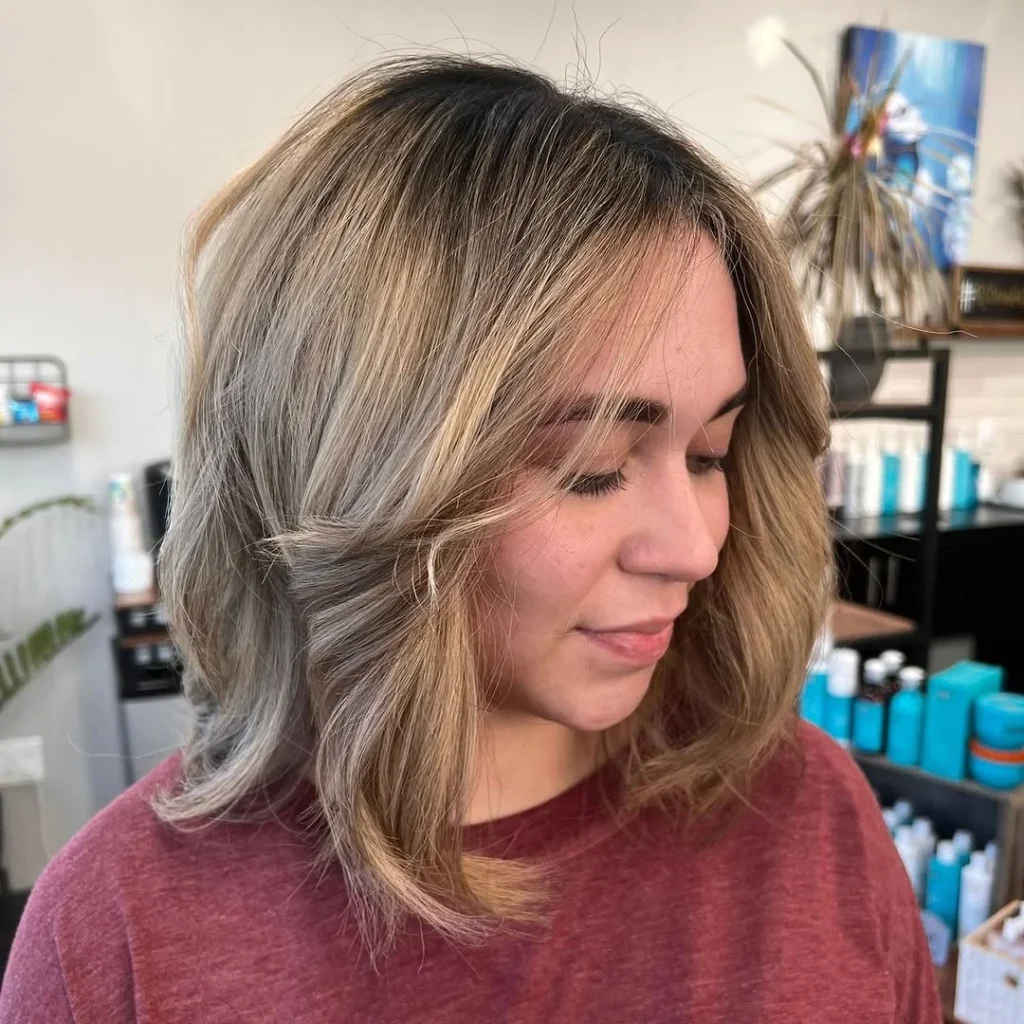
39. Blonde Shaggy Bob With Shadow Root
View Instagram post by @rcsaloncollective
A softly rooted blonde shaggy bob can show texture without needing a perfectly uniform color from scalp to tip. The cut uses loose layers and a broken-up edge, while the shadow root is a color choice rather than a requirement. Ask your stylist or colorist about maintenance and lightening history. Keep the ends conditioned, especially if the hair has been bleached.
40. Low-Maintenance Grown-Out Shaggy Lob

View Instagram post by @yukistylist
A collarbone-length shaggy lob with longer layers can grow out more softly than a very short, highly disconnected bob. Ask for movement around the face while keeping enough perimeter weight. This is worth considering if you prefer less frequent salon visits. Style it with its natural wave or a quick blow-dry, and plan a trim when the balance changes rather than chasing a fixed calendar.
How to style a shaggy bob at home
Start with the way your hair naturally dries. For waves, scrunch a little lightweight product into damp sections; for curls and coils, preserve definition and avoid brushing dry hair into unnecessary frizz. Straight hair may need a root lift and a few irregular bends to show the layers. Use a heat protectant if using hot tools, and avoid loading the ends with heavy wax. The goal is movement while retaining the bob’s overall outline.
Keeping shaggy layers looking intentional
If the ends become thin or the crown gets too bulky as the cut grows, ask for a shape check rather than adding more texturizing product every day. The haircut can be refreshed with small trims suited to your growth rate and chosen level of disconnection. Bring the same reference photos to follow-up visits so the stylist knows which parts of the shape you want to keep.
Is a shaggy bob right for you?
A shaggy bob works best when the amount of layering, the length, and your natural texture line up with how much styling you are willing to do. Use the points below to decide before you book, rather than after the layers are cut in.
Who a shaggy bob suits. It suits people who want movement and texture without a blunt, heavy outline, and who like a slightly undone finish. It works well for wavy, curly, and thick hair that needs weight removed, and for fine hair when the layers are controlled and the baseline stays full. Who should skip it. Skip a heavily layered shaggy bob if you want a sharp, polished outline, if you prefer a wash-and-go cut with no styling, or if very short, disconnected layers would leave your ends looking thin. If you love the idea but not the texture, a soft layered bob with fewer layers is a safer trial than a very choppy shag.
Maintenance and upkeep. Shaggy layers need a shape check as they grow out, or the ends can thin and the crown can bulk up. Plan on trims to keep the perimeter and layers balanced, and use a light product or a quick scrunch rather than heavy smoothing if you want the texture to show. What to ask your stylist. Ask how much layering your density can carry, how short the shortest layer will be, and how the cut will grow out. Ask how often you will need a shape check, and what styling time is realistic for your natural texture on an ordinary day.
Frequently asked questions about shaggy bob haircuts
What’s the difference between a shaggy bob and a regular bob?
A shaggy bob usually has more visible layering and movement, while a classic blunt bob keeps a more solid perimeter. There are many softer versions between those extremes.
Can fine hair have a shaggy bob?
Yes. Fine hair often benefits from controlled layers and a fuller baseline rather than aggressive thinning. Ask your stylist to assess density before cutting.
Does a shaggy bob require bangs?
No. Curtain, wispy, blunt, or side-swept bangs are options, but a shaggy bob can also have a center part and no fringe.
Is a shaggy bob suitable for curly or coily hair?
Yes, with layers planned around shrinkage and curl formation. The finished shape may differ significantly from a straight-hair reference.
How often should I trim a shaggy bob?
It depends on your length, layer pattern, growth, and how much shape change you are comfortable with. Discuss a maintenance interval with your stylist instead of assuming a fixed schedule.