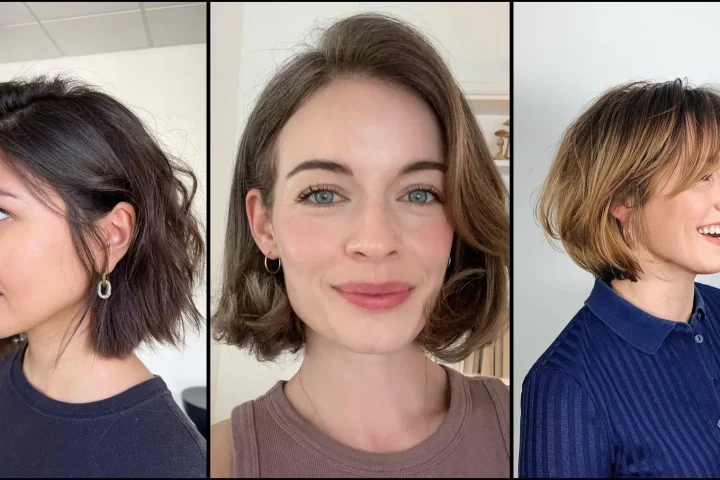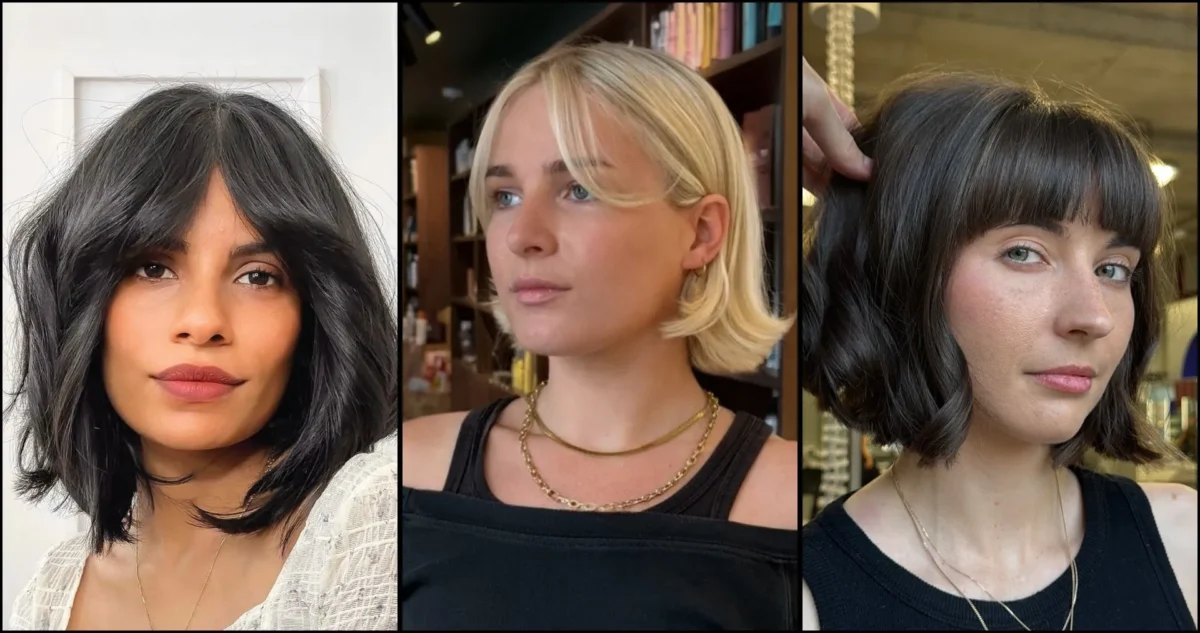
The flipped bob is one of those haircuts where a small detail changes everything. The outline is a classic bob, usually ending between the jaw and the shoulder, but the ends turn outward instead of under. That outward flick gives the cut a light, retro feeling and opens up the shape around the face, which is why it keeps coming back as a trend. It is easy to see the appeal in photographs: the ends add movement without needing a lot of length or colour.
The important thing to know is that the flip is usually a finish, not a cut. The same bob can look completely different depending on how the ends are shaped, and the way it sits on you will change with your hair’s natural wave and thickness. A strong outward bend needs a clean perimeter and a bit of styling each morning, while a softer flick can be shaped quickly with a round brush or a straightener. Either way, the haircut underneath should be planned for the version you will actually wear each day.
Think about your normal routine before you book the appointment. A flipped bob works well if you like a polished finish and do not mind a few minutes of styling, but it can become a nuisance if you prefer to wash and go. The cut suits straight and slightly wavy hair best, because the ends can be turned outward without fighting a natural curl. If you choose a length that skims the jaw, the flip brings attention to the cheekbones; at shoulder length, it softens the line where the hair meets the collar.
Choose the flip and the cut separately
- A small bend at the very ends feels different from a broad outward roll. Show the size of the movement you want.
- A jaw-length bob leaves the neck open; a shoulder-skimming version may flick where it meets the shoulder even without much styling.
- A solid perimeter makes the flip look clean. More layering can create several moving levels instead of one clear edge.
Build the finish without overworking the hair
Ask your stylist to demonstrate the ends using tools suited to your hair and follow the tool instructions at home. Work in manageable sections and let the shaped ends cool before repeatedly brushing them. The polished look in a celebrity reference may include professional setting or added hair. Choose an everyday version that still works when the flip softens.
How to choose a flipped bob
Your face shape decides where the flip should sit. A round face benefits from a longer bob with the flip starting lower, which draws the eye down and lengthens the outline. A longer face looks better with a jaw-length version and a wider flip, because the outward movement adds width at the cheeks. If your jaw is strong, a softer flick with a side part keeps the style from drawing extra attention to the jawline. Ask your stylist to check the shape from the front and the side before you settle on a length.
Hair texture decides how much work the flip will take. Straight, fine hair holds the outward bend well with a little mousse and a round brush, while thick hair needs more product and sectioning to keep the ends from looking bulky. Wavy hair can usually be coaxed into a soft flip, but a strong natural curl will fight the shape and need straightening first, which adds time and heat. If your hair is fine, a blunt perimeter will make the flip look cleaner; too many layers can break it up into several small flicks instead of one clear line.
Upkeep is a daily question with this cut. The flipped ends need to be reshaped most mornings, so a round brush and a low heat setting on a dryer should be part of the routine. A cool shot of air at the end helps set the shape, and a light hold spray keeps the ends from dropping by midday. A silk pillowcase or a loose braid overnight can save you from starting from scratch in the morning, though the ends will still need a quick pass with a brush.
Grow-out matters, because a flipped bob changes shape as the ends get longer. A jaw-length bob that flips cleanly can start flipping where it meets the shoulder, which looks messy rather than deliberate. Plan your trims every six to eight weeks to keep the line where you want it. If you are growing it out, ask for a longer shape with the flip softened, so the transition between lengths looks intentional rather than accidental.
Related reading: stacked angled bob haircuts.
Chocolate Brown Side-Part Flipped Bob
Ariana Grande’s new chocolate-brown bob has a deep side part, smooth upper lengths, and ends that turn outward rather than curling under the jaw. The compact shape keeps the emphasis on the glossy perimeter; for a similar finish, dry the roots in the direction of the part and use a round brush or iron to bend only the last inch outward.
Vintage Bridal Flipped Bob
A small outward flip gives this bridal hairstyle a vintage mood without requiring an elaborate updo or long extensions. The appeal lies in the controlled bob outline and the little sweep at the ends, which can sit neatly alongside simple earrings or a wedding outfit; keep the top smooth and use a light finishing spray so the flick holds through the event.
Japanese Layered Flipped-Out Bob
Gentle layers make this Japanese salon version feel softer through the sides, while the lower tips flick away from the neck. It is a useful direction for anyone who likes the clean outline of a bob but wants a little extra movement; ask for restrained layering and work a small round brush beneath the ends, rolling them outward as the hair dries.
Fine-Hair Layered Flippy Bob
This layered flippy bob uses separation through the cut to keep the shape lively rather than solid and heavy at the bottom. On fine strands, the trick is to preserve enough weight at the perimeter for the flip to read clearly; use a lightweight root product, then turn the ends out gently so the style has movement without looking overly teased.
Salon Blowout Flippy Bob
A smooth salon blowout brings out the contrast between a tidy bob shape and tips that lift away from the face. The finish feels polished without needing large curls through the middle of the hair; direct the dryer downward for shine, then rotate a medium round brush outward at the ends and let the hair cool before separating the flicks.
Soft Romantic Flippy Bob
This flippy bob takes a gentler approach to the retro silhouette, with a short length and soft outward movement rather than a stiff, dramatic kick. It works nicely when you want a haircut that can be worn relaxed during the day and dressed up later; tuck one side back if desired and keep the tips light so they move naturally.
Diamond-Shaped Layered Flippy Bob
The shape of this London stylist’s flippy bob is built around soft layering and a fuller middle, with the ends moving away from the neck. That gives the haircut a subtle diamond-like outline instead of one straight block of hair; ask your stylist to keep the face-framing layers balanced, and use a brush to encourage the outward bend without rounding everything inward.
Piecey Short Flippy Bob Cut
A shorter flippy bob gains character from its cut edges, which can break into small sections instead of sitting in one perfectly smooth sheet. The light, piecey finish is especially good for showing a fresh haircut’s shape; use a small amount of flexible styling cream through the ends, then direct a few sections outward with a brush instead of curling every piece.
Flipped Bob With Soft Fringe
A fringe adds another point of interest above the lifted ends of this flipped bob, giving the cut a distinct retro outline from top to bottom. Keep the bangs separate from the outer flip so both details remain visible; dry the fringe first to control its fall, then work around the lower edge with a brush that turns the tips away from the cheeks.
Blonde Flipped Bob With Volume
Blonde hair puts the flipped ends in clear view, especially when the bob has a smooth top and a little lift near the lower edge. This version leans into that bold, salon-finished silhouette; smooth the main lengths with a heat protectant, then turn the perimeter outward in small sections so the flick looks intentional while the rest of the bob stays sleek.
Nineties Blonde Flicked-End Bob
The nineties-inspired blonde bob keeps the focus on a compact haircut and ends with a visible outward kick, creating movement without losing the familiar bob outline. It is an appealing option for a fresh color-and-cut appointment because the shape and blonde finish can be appreciated together; avoid overly heavy oils near the tips, which may flatten the flipped detail.
Clean-Cut Flipped Bob Hairstyle
A clean-cut flipped bob lets the haircut’s perimeter do most of the work, with the lower edge bent outward for a playful finish. This is a good starting point if you prefer simple shapes over heavy layering; ask for a balanced bob that sits comfortably around your face, then use a heated brush or flat iron to create a small, even flick.
Flipped Bob With Curtain Bangs
Curtain bangs change the front of a flipped bob by opening around the face while the outer ends lift away from the shoulders. The pairing gives movement at two different levels without filling the whole haircut with curls; set the fringe first with a round brush, then flip the lower edge separately so the bangs stay soft and the silhouette remains easy to read. For another option with a different finish, see our wavy bob haircuts inspiration.
Sleek Bob With Flicked Ends
This sleek bob has a smooth surface with ends that turn outward, which gives an otherwise clean haircut a little swing. Keep the middle lengths straight rather than curling them for extra volume; a heat protectant and one gentle outward pass of a flat iron near the perimeter can create the finish without making the tips look stiff.
Airy Flipped-Out Bob Haircut
The flipped-out edge gives this bob a light, lifted effect, adding a retro touch to a familiar short haircut. It is a useful reference if you want the ends to feel playful while the overall shape remains wearable; ask your stylist to show where the flip will sit when the hair is dry, then style with soft tension rather than tight curling.
Closure Quick-Weave Flipped Bob
A flipped bob can also be created with a closure quick weave, giving a polished short shape without relying on a person’s natural hair length alone. This stylist’s finished look centers on the precise bob outline and outward-curving tips; for a similar result, discuss your preferred part, closure placement, and finished length before installation so the flick falls where you expect.
Mini Textured Flippy Bob
A little bob with texture through the ends can make the flipped shape feel relaxed rather than overly formal. This smaller, playful cut is a practical reference for anyone who wants short hair with movement; keep styling product light, lift a few ends outward with the brush, and allow small differences between pieces so the perimeter does not look artificially uniform.
French-Inspired Flippy Bob Cut
The flippy bob has a natural place among French-inspired short cuts, where a compact outline is softened by movement at the tips. This salon take keeps the idea straightforward: let the cut sit close to the head through the upper lengths and let the ends turn out; a little flexible styling cream can separate the flicks without creating a helmet-like finish.
Classic Flicked-Out Bob Blowout
A flicked-out bob blowout gives the lower half of the haircut a recognizable outward sweep while allowing the crown to stay tidy. It is ideal when you want the retro effect to show clearly in a side view; use a round brush on slightly damp ends, twist outward during the final pass, then let the shape cool before brushing it into place.
Sculpted Retro Flip Bob
This retro flip is about shaping the ends deliberately, creating a bob that looks controlled but still has movement when the head turns. A stronger kick is easier to read when the middle of the haircut remains smooth; use a heat-safe brush or iron to direct the final section of hair outward, and apply only enough flexible spray to keep the line in place.
Bouncy Blonde Flipped Bob
Fresh blonde color and a bouncy outward flip give this bob a lively finish without pushing the cut into full curls. The lighter shade helps the bend at the ends stand apart from the main lengths; for a similar effect, blow-dry with lift at the roots but keep the midsection smooth, reserving the strongest outward movement for the last inch or two.
Shaggy Layered Flicked-Out Bob
This shaggy layered bob has more visible texture than a sleek retro version, with flicked-out sections that break up the outline around the lower lengths. It is a useful choice if you prefer an undone finish and do not want every tip turning in exactly the same direction; mist with a lightweight texture spray and shape selected layers outward with your fingers.
French Bob With Flicked Ends
A French bob with a soft fringe and flicked ends combines a shorter, face-framing silhouette with just enough outward movement to keep the edge interesting. The fringe can sit naturally while the lower tips provide the retro detail; ask for a cut that leaves a clear line around the jaw, then turn the ends away from the face during the blow-dry.
Party-Ready Polished Flipped Bob
A polished flipped bob works well for a party because it looks styled without requiring pins, elaborate braids, or extra length. This salon reference focuses on the neat finish and noticeable outward bend; smooth the crown first, create the flip in sections at the ends, and finish with light, flexible hold so the haircut still swings when you move.
Glossy Brown Flipped Bob Finish
A glossy brown bob keeps the haircut’s clean lines visible while the soft flip gives the ends their own shape. The contrast between the straight upper lengths and the turned-out perimeter is what makes this version easy to recognize; apply heat protection first, smooth the surface, and flick the tips outward briefly so the result stays sleek instead of forming ringlets.
Styling and upkeep
A flipped bob needs a little daily work to keep the ends turning outward. Start with heat protection on damp hair, then dry the lower lengths with a small round brush, rolling the ends away from the face as you go. A cool shot of air from the dryer helps set the shape so the flip holds instead of relaxing within an hour. A light hold spray over the surface will keep the outline tidy without making the hair stiff, and a drop of serum through the ends adds shine and keeps flyaways down.
The cut itself needs regular attention. Book a trim every six to eight weeks to keep the perimeter clean, because the flip depends on an even line at the ends. Let the ends cool before brushing them, and go easy with the straightener when you want a stronger flick, because repeated heat makes fine hair brittle. If the flip softens during the day, a quick pass with a warm brush usually brings it back; a full restyle is rarely needed. Keep the finish light, because heavy creams and oils weigh the ends down and flatten the outward lift. If your hair is coloured, use a colour-safe shampoo and a weekly mask to keep the ends from drying out, because dry ends curl back more easily than healthy ones.
Frequently asked questions
How do I style a flipped bob at home?
Dry the hair with a small round brush, rolling the ends outward as you work, and finish with a cool shot of air to set the shape. A straightener can create a stronger flick, though you should use it on a low heat setting and only on dry hair. A light hold spray will keep the ends from dropping during the day.
What face shape suits a flipped bob?
A longer bob with the flip starting lower suits a round face, because the shape draws the eye downward. A longer face looks better with a jaw-length version and a wider flip, which adds width at the cheeks. A side part softens a strong jawline, so ask your stylist to check the shape from the front and the side before you choose a length.
Does a flipped bob work on fine hair?
Yes, though the finish depends on the cut. A blunt perimeter makes the flip look cleaner, because the ends turn out as one line instead of breaking into small flicks. A little mousse at the roots and a light texturising spray at the ends give the style grip without weighing it down.
Can I get a flipped bob with curly hair?
Strong curls will fight the outward shape, so the hair usually needs to be straightened first before the flip is created. That adds time and heat to the routine, which is fine occasionally but hard to keep up every day. Softer waves can usually be coaxed into a gentle flick with a round brush alone.
How often should I trim a flipped bob?
Every six to eight weeks is enough for most people. The cut needs a clean line to flip well, and even a few millimetres of growth can change the shape once the ends reach the shoulder. If you are growing the bob out, ask for the flip to be softened between trims so the change in length looks intentional.
The flipped bob is a small commitment with a clear payoff: a classic cut that feels light and retro with very little effort once the routine is set. Save two or three photos from this list that show the length and the flick you like, and bring them to your next appointment so the stylist can see the shape you want. A clean perimeter, a quick morning pass with the brush and a trim every couple of months will keep it looking deliberate.