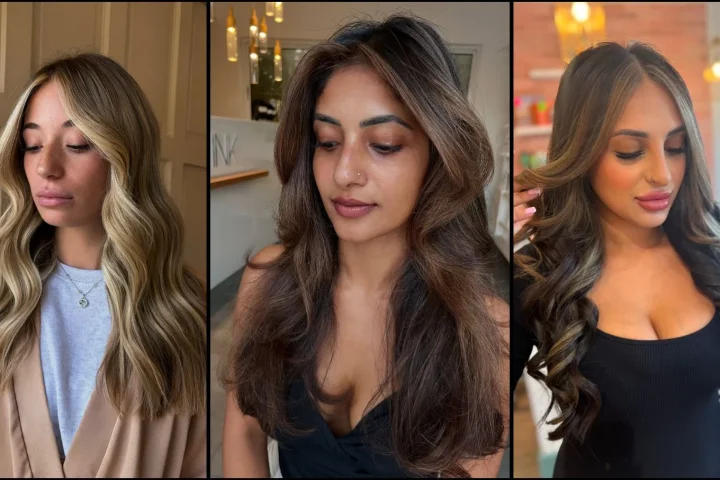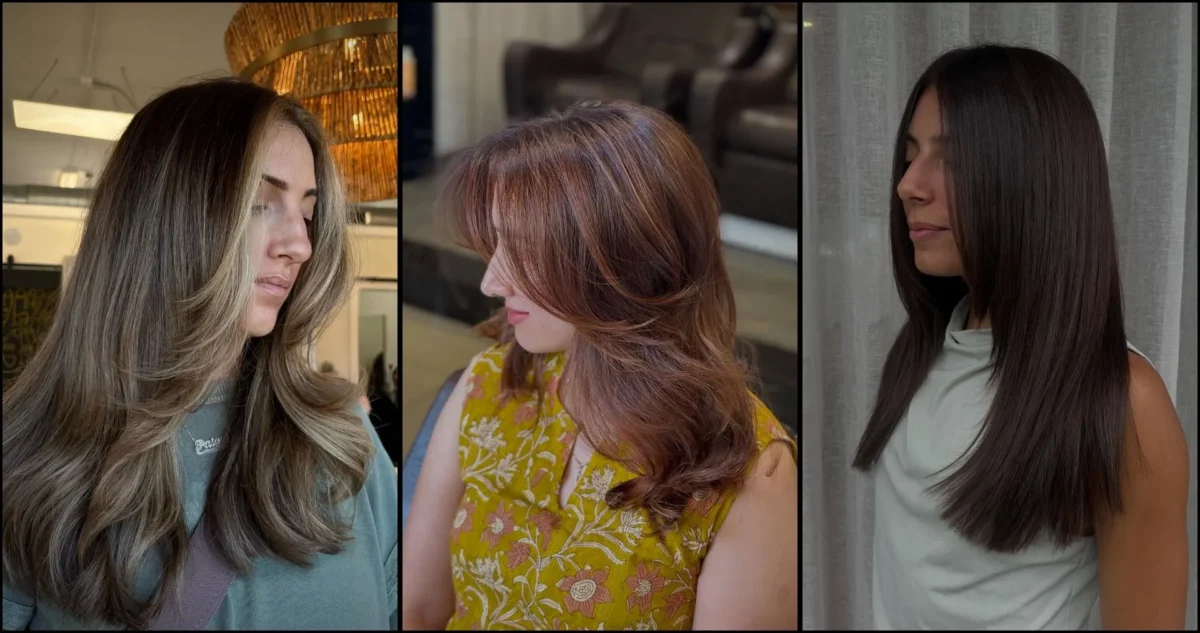
Chocolate brown is one of the easiest color changes to live with, because it works with your natural brunette instead of fighting it. The shade family runs from a deep espresso brown that reads almost black in low light to a soft milk chocolate that catches the light at the ends. Between those two sits the range most people ask for: a warm cocoa, a cool ash brown, a glossy dark chocolate, or a chocolate with fine caramel ribbons woven through it. What makes the look work is not the name on the box but the depth and the warmth your colorist mixes for you. A milk chocolate on very dark hair may need lightening to show at all, while a deep chocolate on light brown hair can look flat if nothing lighter is placed around the face. The photos below cover the whole range, so you can compare a solid dark chocolate against one with highlights, a cool chocolate against a warm one, and a short glossy bob against long layered hair. When you find the one that matches your skin tone and your current color, it is worth noting the depth, the warmth and the amount of contrast, since those three details are what your colorist needs to recreate it.
Compare the change from your current brunette
- A similar-depth gloss or tone adjustment is a different project from adding much lighter ribbons. Ask which part of the reference involves lightening.
- Warm chocolate shows more red or golden reflection. Cooler brown is not necessarily gray, and it will look different in warm indoor lighting.
- Fine highlights create a different result from broad face-framing panels. Decide how much contrast you want near the hairline.
What to bring to a color consultation
Show your current color in daylight and explain previous dye, lightening or straightening services. Ask what can realistically be achieved in one appointment and how the shade may fade. A named chocolate shade is not a universal formula. Choose color-safe care with your colorist and discuss whether a tinted refresh suits your particular tone rather than selecting one from the photograph alone.
Chocolate brown can mean a cool brunette or a noticeably warm, glossy finish. Use our hair colour consultation checklist to explain the depth and tone you prefer without relying on the shade name alone.
How to pick your chocolate brown shade
Start with the undertones in your skin. If your veins look green under your wrist and gold jewellery suits you, warm chocolate with cocoa or caramel notes will look natural. If your veins look blue and silver suits you better, a cooler or ash chocolate will keep the color from turning orange in your hair. Many people sit in the middle, and a neutral chocolate with no strong warmth either way is a safe place to begin, since your colorist can shift it warmer or cooler at your next visit.
Your natural color decides how the shade is reached. Light or medium brown hair takes a chocolate gloss easily and often in one appointment. Very dark hair may need a lightening step before a milk or caramel chocolate shows up, and previously colored hair can lift unevenly. Bring photos of your hair in daylight so your colorist can see the true base, including any faded ends or old highlights.
Texture changes how chocolate reads. On straight hair a solid chocolate looks sleek and shows the shine, while fine hair can look thin if the color is one flat dark sheet, so a few lighter ribbons near the face usually help. Wavy or curly hair breaks the color into pieces as it moves, which hides regrowth and makes a blend of two chocolate depths look richer than it would on straight hair.
Think about the visits too. A chocolate that stays close to your natural depth grows out gently and can go two or three months between appointments, with a gloss refresh in between to replace shine. A milk chocolate or one with face-framing highlights shows the roots sooner, so it suits someone who is happy to sit in the salon more often.
Related reading: cooler mocha tones · blended highlights.
Milk Chocolate Brown

View Instagram post by @highlights.hairandbeauty
This look sits on the softer, creamier side of brunette, with enough warmth to look inviting without turning overtly golden. It is a useful reference if you want to lighten the impression of dark hair while remaining unmistakably brown. Ask your colorist for gentle tonal variation through the lengths rather than a bright, stripey result that competes with the base color.
Dark Chocolate Brunette

View Instagram post by @hairbyniklas
This look keeps the depth of a deep brown base while introducing a subtle cocoa tone that becomes clearer where light strikes the hair. If your brunette colour has faded unevenly, ask a colourist whether a gloss can address it or whether the underlying colour needs correction first. Discuss a full-color refresh or a demi-permanent gloss, depending on your current shade and how much correction you need.
Soft Light Milk Chocolate Brown

View Instagram post by @forestsalon.in
A lighter milk chocolate tone softens traditional brunette with a creamy brown finish instead of pronounced copper or yellow. The difference is clearest beside the deeper roots or lower layers, where the color can look more dimensional. Ask for a shade reference in both natural and salon lighting, since light chocolate can look far warmer in photographs than it does indoors.
Medium Chocolate Velvet

View Instagram post by @deparsalon
Medium chocolate brown sits between pale milk chocolate and deeper cocoa, offering a balanced brunette that does not rely on high-contrast highlights. A velvet finish means the surface looks smooth and the tone stays consistent across the hair. If you already have medium brown lengths, a subtle tonal gloss may be enough; heavily highlighted hair might need pigment replaced first.
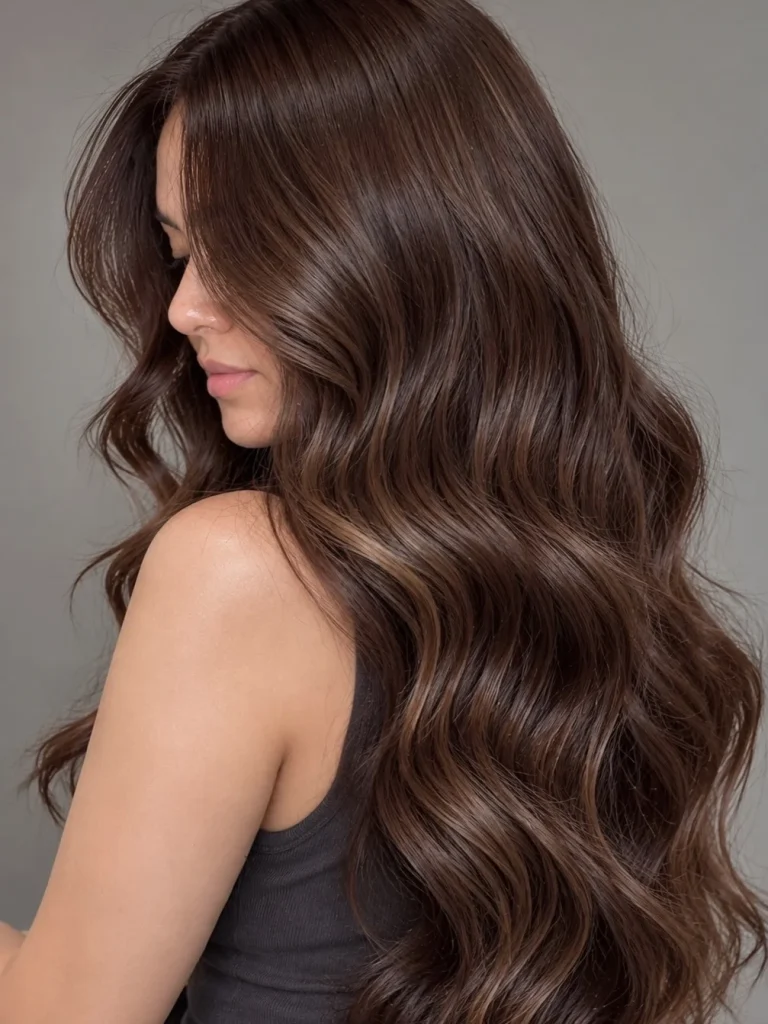
Glossy Chocolate Brown Waves
View Instagram post by @desitacoloractivist
A chocolate brown gloss gives medium-to-dark brunette an even, light-catching finish that stands out when the hair falls into loose waves. The shade stays brown rather than moving into caramel territory, while the bends reveal small changes in tone.
Chocolate Gloss on Natural Brown Hair

View Instagram post by @color.by.cayla_
A chocolate-toned gloss can deepen natural brown hair without committing to a dramatic new base color. It is useful when the lengths look dull, the ends have faded, or you simply want a more consistent brunette finish. Explain to your stylist whether you want added pigment or mainly shine, and check how a gloss will wash out over your particular hair history.
Cool-Toned Chocolate Brown

View Instagram post by @firoz_colourist
Cool chocolate brown tones down obvious gold, copper, and red, giving brunette a quieter, slightly smoky appearance. It still needs enough softness to avoid looking flat or almost black, particularly on long hair. Bring a reference taken in daylight and ask your colorist to balance cool pigment against your existing warmth; over-toning porous ends can produce an uneven result.
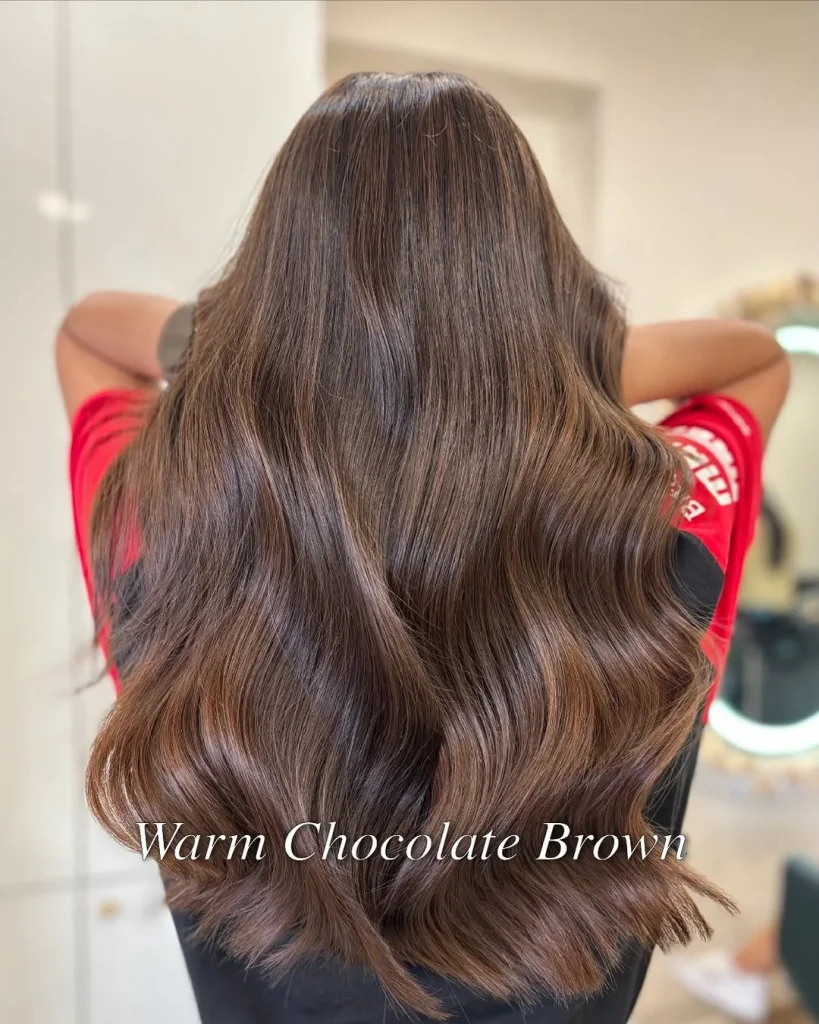
Warm Chocolate Brown
View Instagram post by @forestsalon.in
This look has a gentle reddish-gold undertone that becomes more noticeable in sunlight while the overall color remains brunette. This shade works well for someone who wants richness but not obvious auburn hair. Ask for softly blended warmth across the lengths rather than isolated orange pieces, and consider a color-safe wash routine if your hair tends to fade quickly.
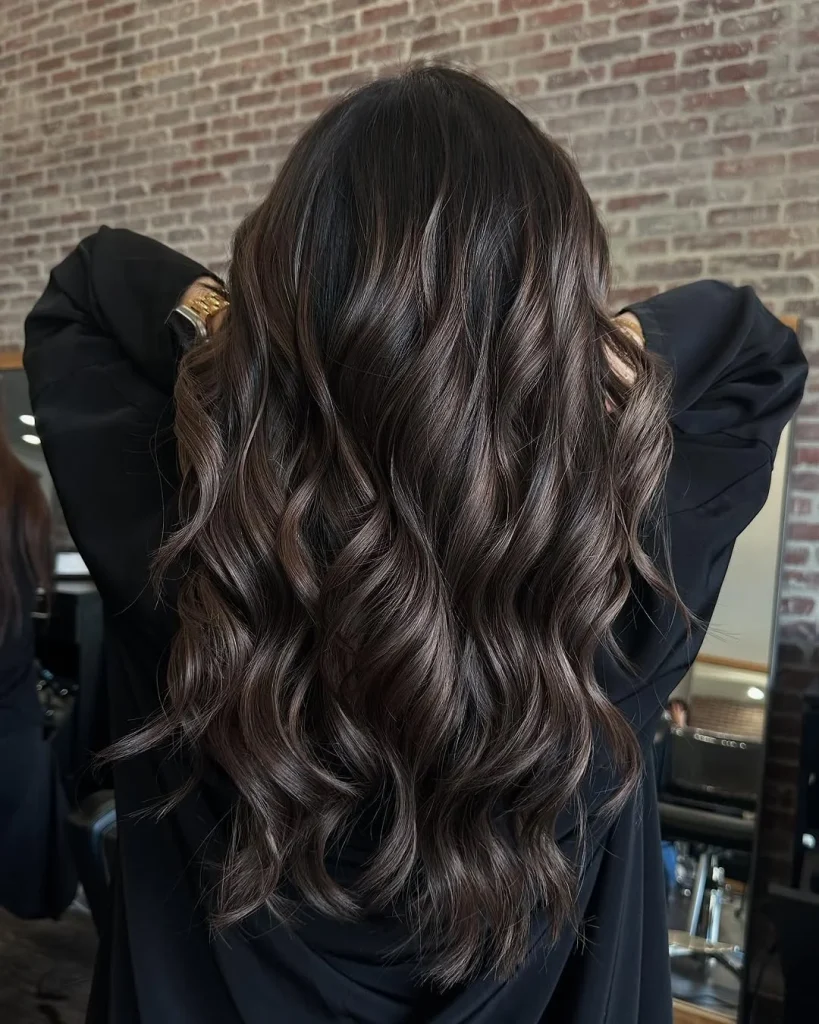
Dark Chocolate Espresso
View Instagram post by @hairbykacie1
Chocolate espresso stays very deep at the roots and through most of the length, but its brown undertone keeps it from reading as a flat black. It is a strong option for a darker brunette refresh or a low-contrast winter color. A salon gloss can emphasize shine, though lifting back to a lighter brown later may take extra planning if permanent dark color is used.
Chocolate Mocha Brunette

View Instagram post by @collabhairandmakeupstudio
Mocha brunette blends a coffee-colored base with subtle chocolate warmth, landing between neutral brown and a richer cocoa shade. Compared with a caramel balayage, the contrast is usually smaller and the finished color feels more continuous. This makes it a practical reference for an understated change; ask your stylist how much underlying warmth needs to be softened before adding mocha tones.
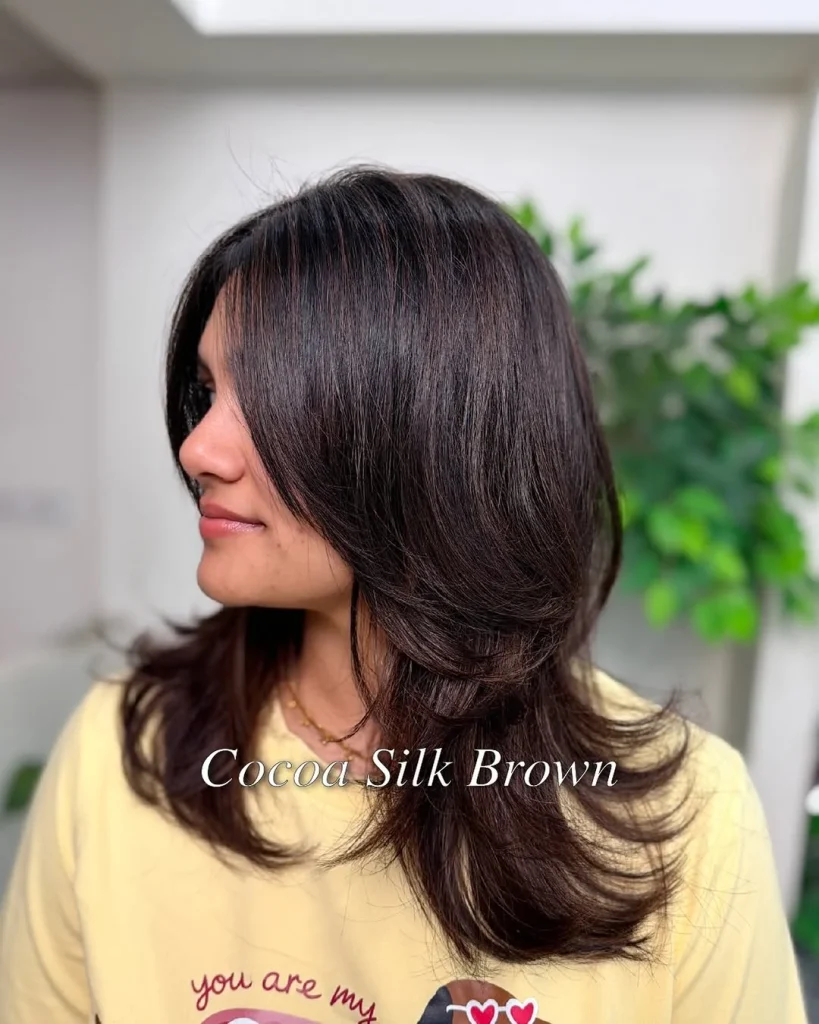
Cocoa Silk Brown
View Instagram post by @forestsalon.in
This look is a deep, smooth-looking brunette with a soft brown sheen rather than bright visible highlights. The shade gets its character from even tone and the way light moves across the surface. For a polished finish, focus on conditioning and a gentle blow-dry, but remember that a reflective hairstyle alone cannot correct patchy color or overly dark ends.
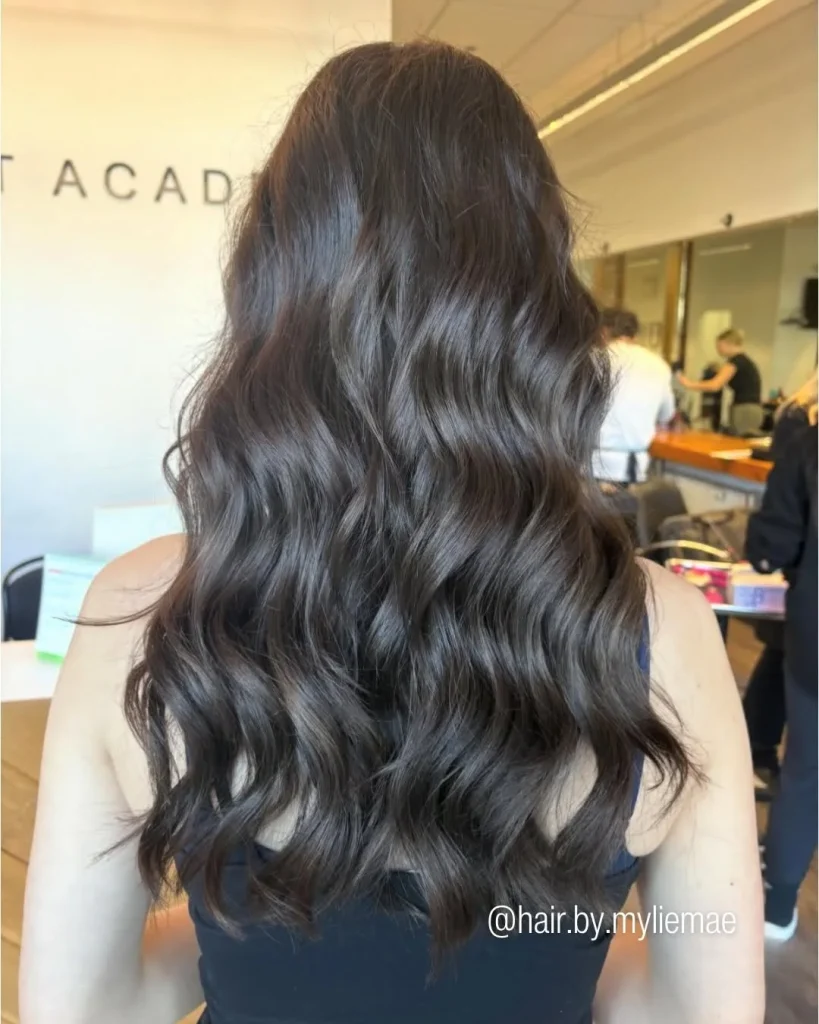
Neutral Chocolate Brown
View Instagram post by @hairartacademy
This look avoids an obviously red or ashy finish, sitting close to a naturally balanced brunette. It is worth considering when warm browns look too coppery but cool colors leave your complexion washed out. Ask your colorist to compare swatches against your current roots and ends, since the same neutral formula can appear different on previously lightened hair.
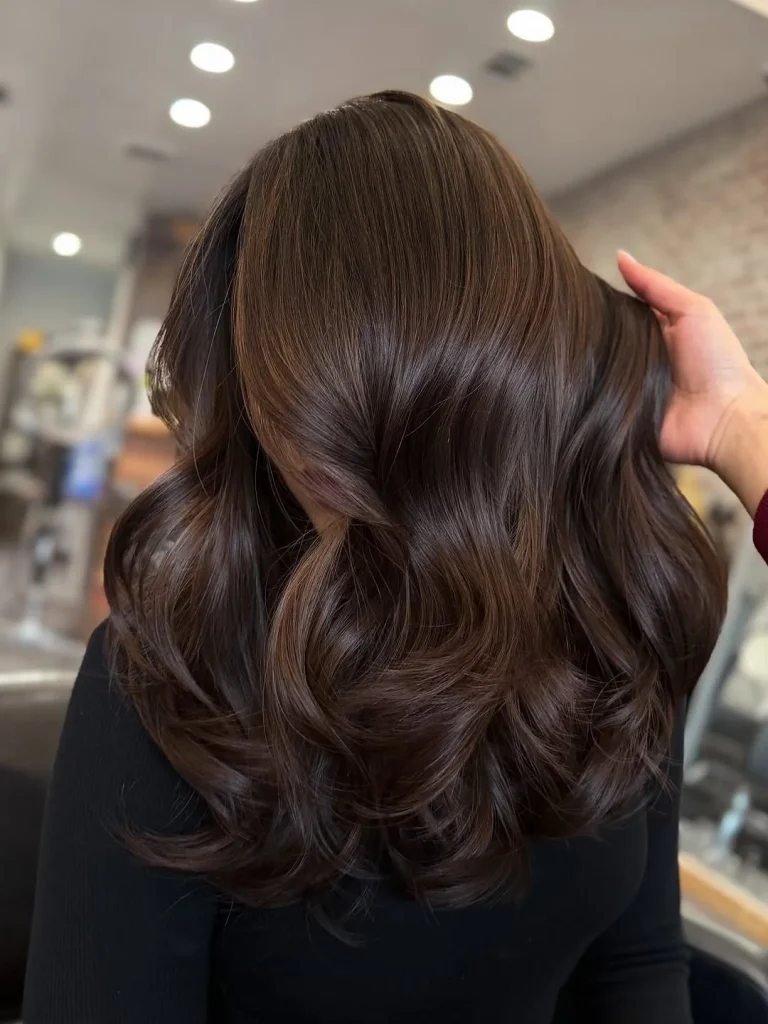
Milk Chocolate Babylights
View Instagram post by @misahuynhh
Fine this look lighten selected strands just enough to break up a brown base without creating chunky ribbons. The result feels soft and dimensional, particularly when the highlights stay close to the original depth. If you want a low-contrast grow-out, ask for tiny sections with a gentle root transition instead of high-lift blonde pieces that require frequent toning.
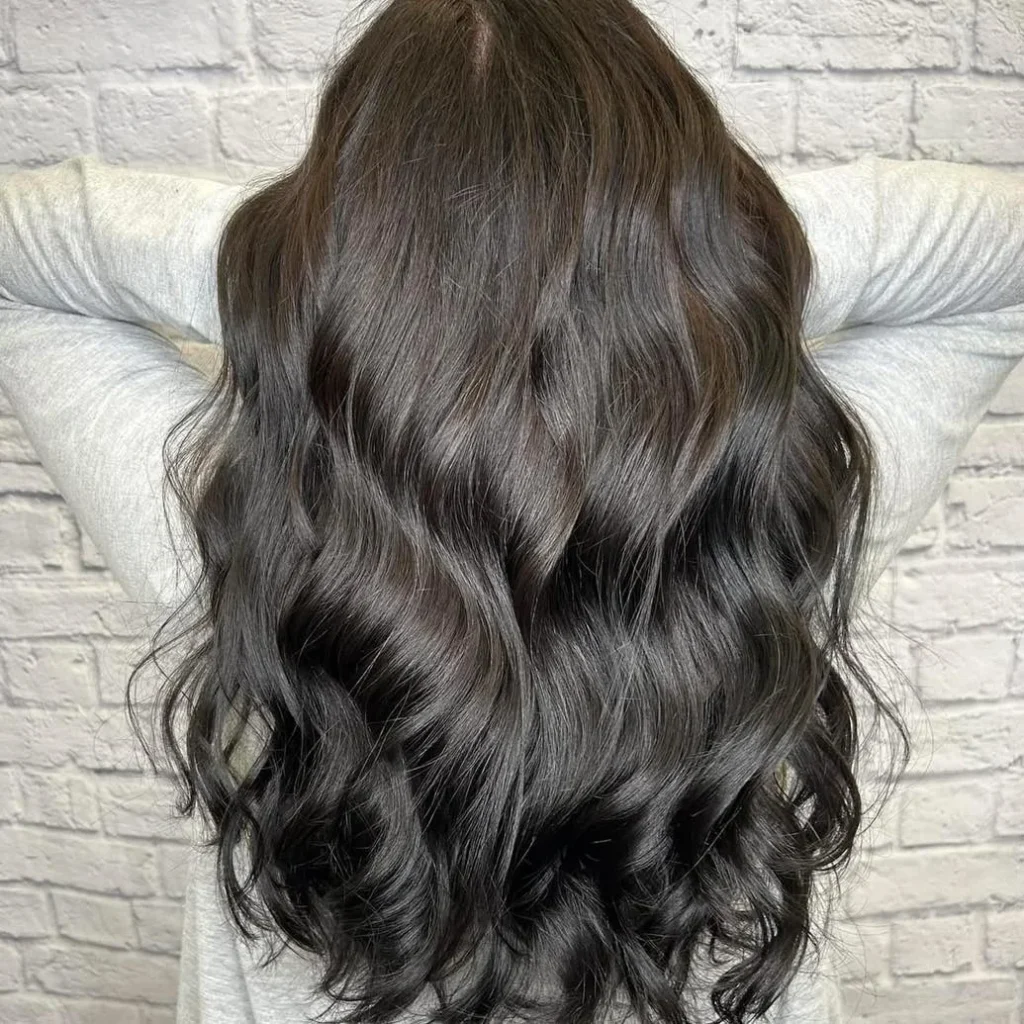
Milk and Dark Chocolate Blend
View Instagram post by @jetsalon
Pairing milk chocolate pieces with a deeper dark chocolate base creates definition through the mid-lengths while keeping the overall result comfortably brunette. The light and dark tones should relate closely enough that the hair never appears striped. Ask your colorist to balance the placement around the face and underneath the surface so the blend still looks natural between salon visits.
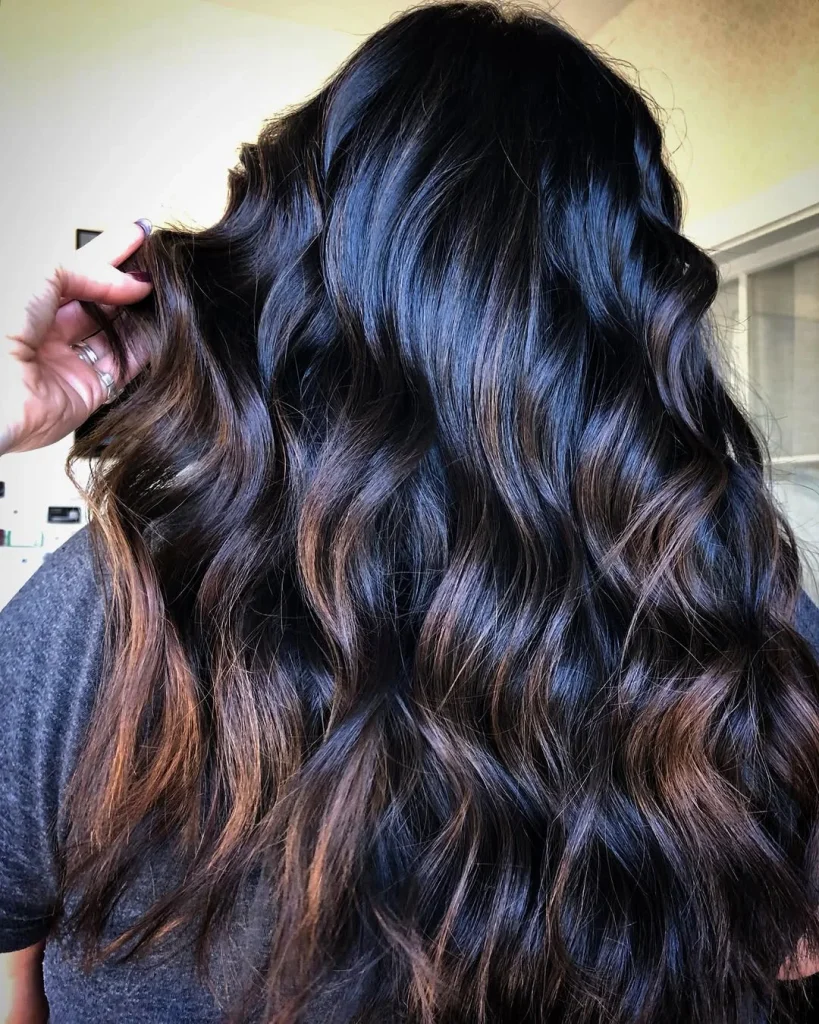
Dark Chocolate Brown Balayage
View Instagram post by @blendsinthebalayage
Dark chocolate balayage introduces brown-on-brown variation with a softer transition than traditional foil highlights. Darker roots lead into chocolate-toned pieces, making the color easier to wear as it grows out. The key is restraint: keep enough deep brunette between the painted sections to preserve contrast, particularly if you want a moody result rather than an all-over light brown.
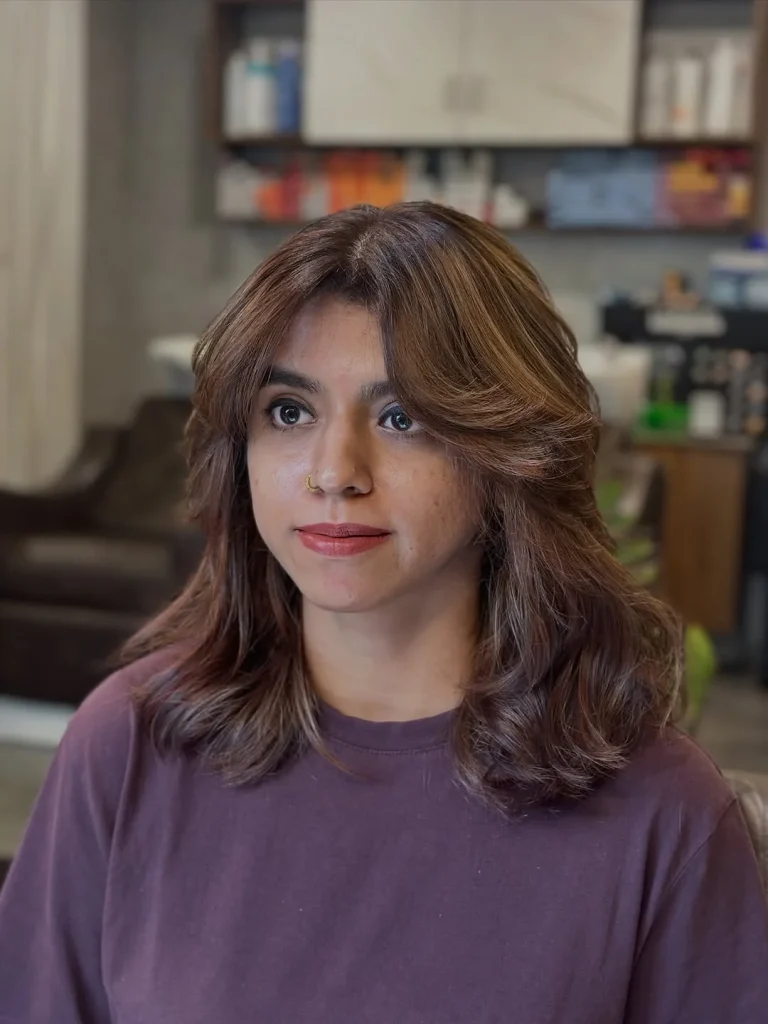
Chocolate Brown With Caramel Highlights
View Instagram post by @thecoiffeurunisexsalon
Caramel highlights bring warmer, lighter ribbons into a chocolate brown base, creating more visible movement around waves and layered ends. The chocolate should remain the dominant color so the finished style still reads brunette, not blonde. Ask for narrower pieces if you prefer subtle dimension, or slightly brighter face-framing strands if you want the warmth to be easier to notice.
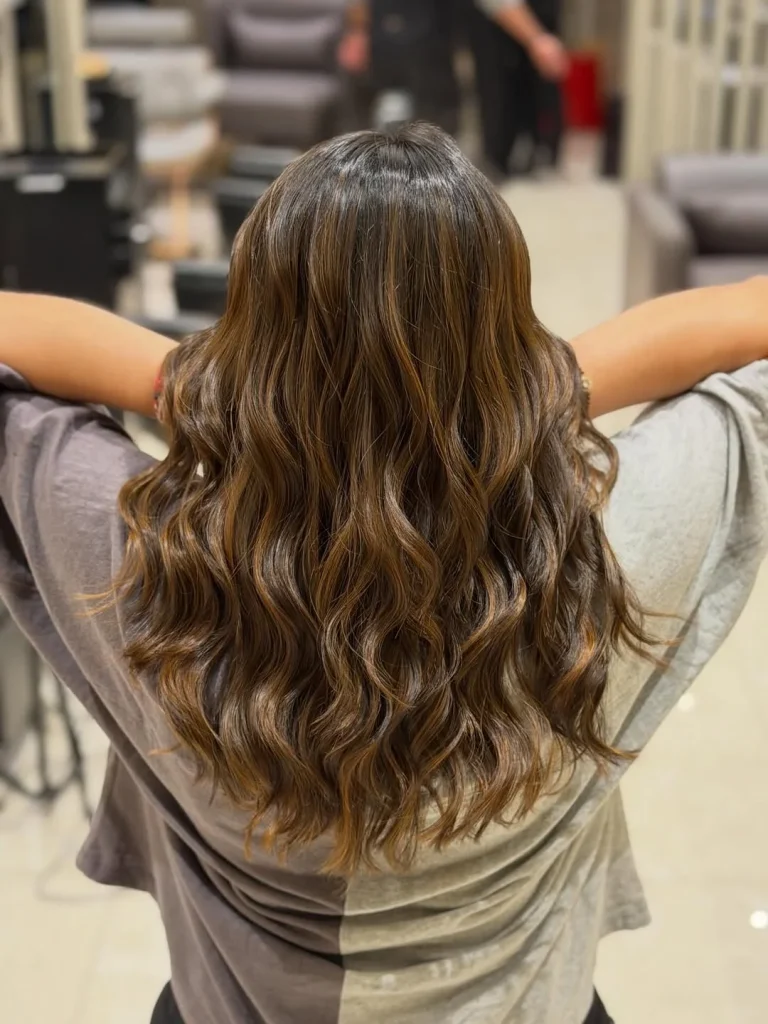
Chocolate Brown With Honey Ribbons
View Instagram post by @rutpit_thealpitsharma_salon
Honey-toned ribbons add a golden glow to chocolate brunette without covering the entire head in lighter color. Placed along the surface, they can bring attention to curls, waves, and a layered haircut. For a softer finish, request fine highlights with a brown gloss over the top; this helps the honey pieces blend into the base instead of sitting apart from it.
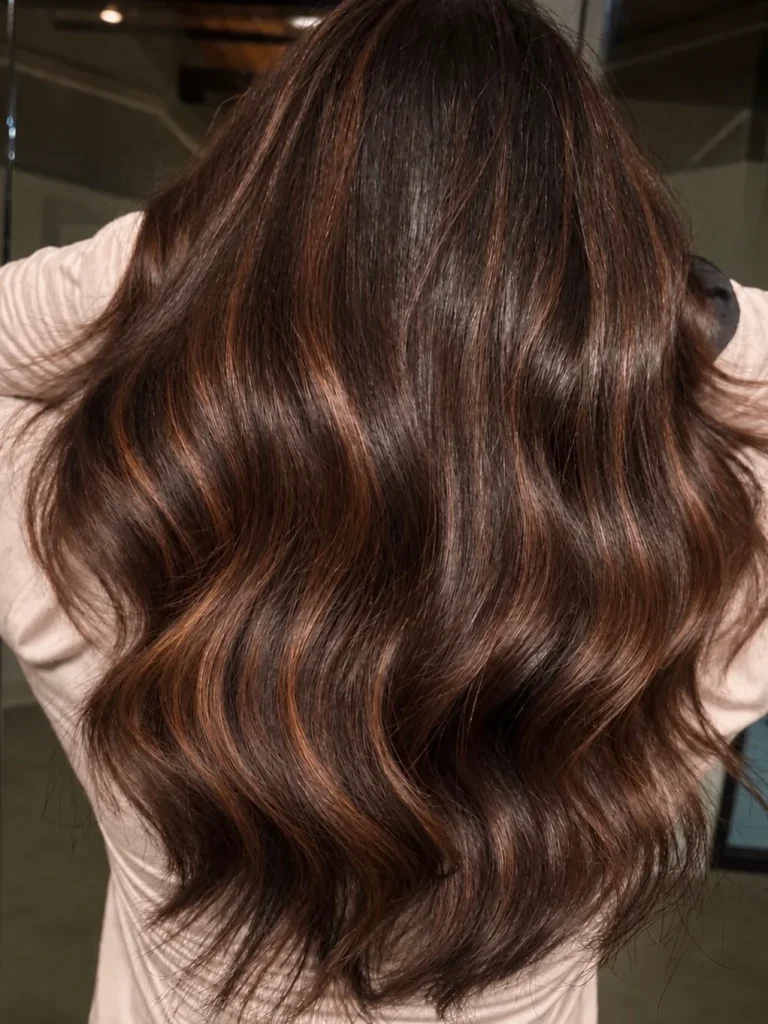
Chocolate Brown With Chestnut Highlights
View Instagram post by @vancouvhair
Chestnut highlights bring a red-brown warmth to chocolate hair that is subtler than copper or bright auburn. The two brown shades sit close together, so the contrast tends to appear when the hair moves or catches the light. Discuss how much chestnut you want around the face, since even small sections can make the overall brunette read considerably warmer.
Chocolate Brown With Copper Highlights

View Instagram post by @thecoiffeurunisexsalon
Soft copper highlights brighten a warm chocolate base with a slightly spiced finish, especially through face-framing sections and longer waves. This combination offers a change for brunettes who want red undertones without turning the whole head copper. Ask for fine placement and a brown-dominant formula; bold orange highlights can overpower the chocolate effect you started with.
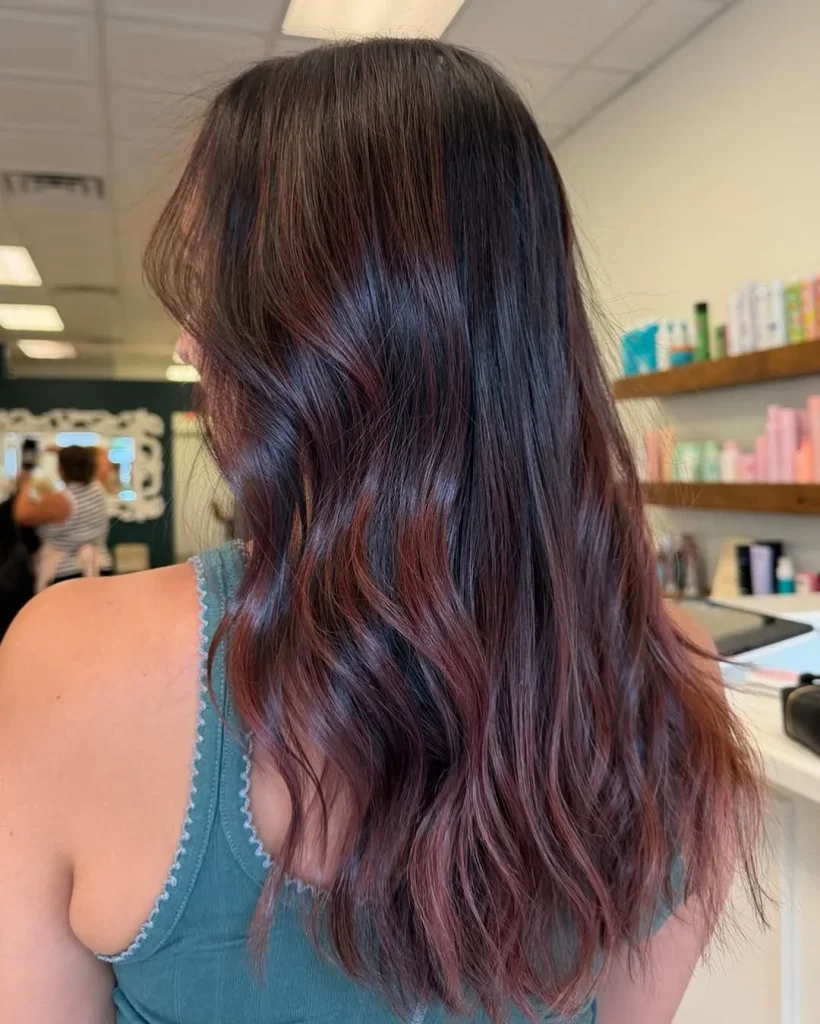
Cherry Chocolate Brown
View Instagram post by @simplicitysalon
This look keeps a brunette foundation but adds a wine-red or cherry tint that becomes more visible in stronger light. It can look restrained indoors and richer outdoors, making it an appealing choice if you prefer a hint of color instead of bright red hair. Ask about fading and maintenance before coloring, because red pigments may change noticeably between appointments.
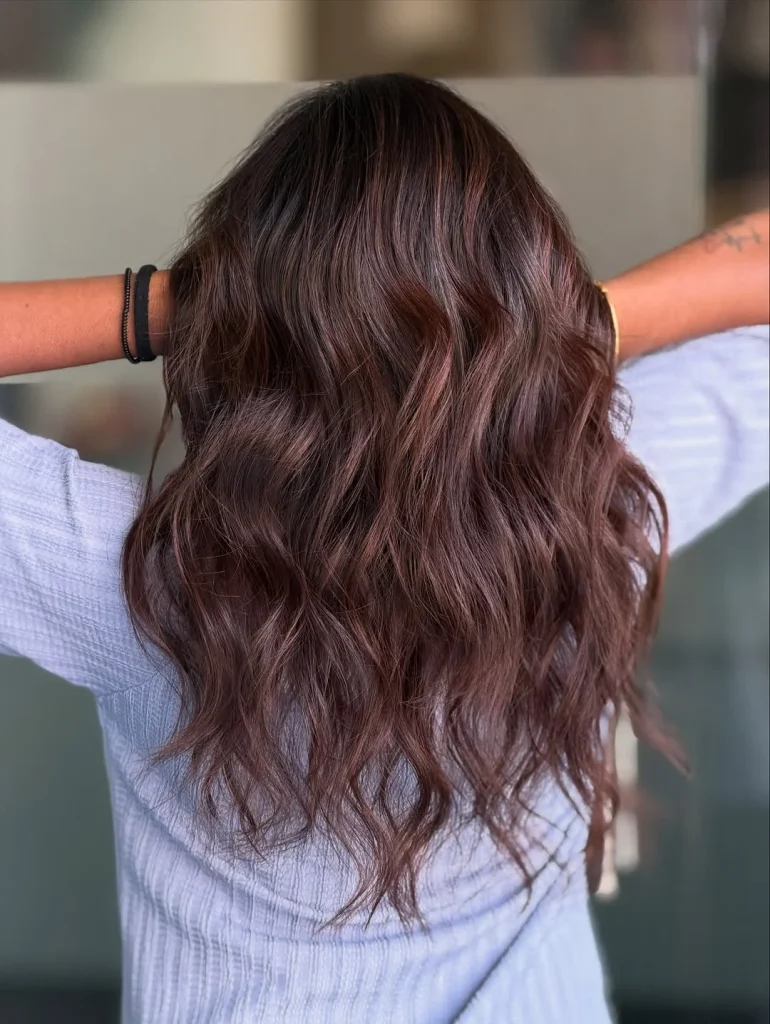
Mahogany Chocolate Brown
View Instagram post by @zenestysalons
Mahogany chocolate combines deep brunette with muted red-brown undertones that feel less playful than cherry and less orange than copper. Bring a specific photo to your stylist, since mahogany can mean anything from a soft brown tint to a noticeably burgundy result.
Cinnamon Mocha Chocolate

View Instagram post by @forestsalon.in
Cinnamon mocha brings a warm, spiced undertone into a coffee-brown base, producing a brunette with more movement than a single flat shade. The goal is a little coppery warmth, not a full ginger transformation. Ask for the cinnamon tone to be blended through the brown rather than painted in separate bright stripes, and evaluate the color under neutral daylight.
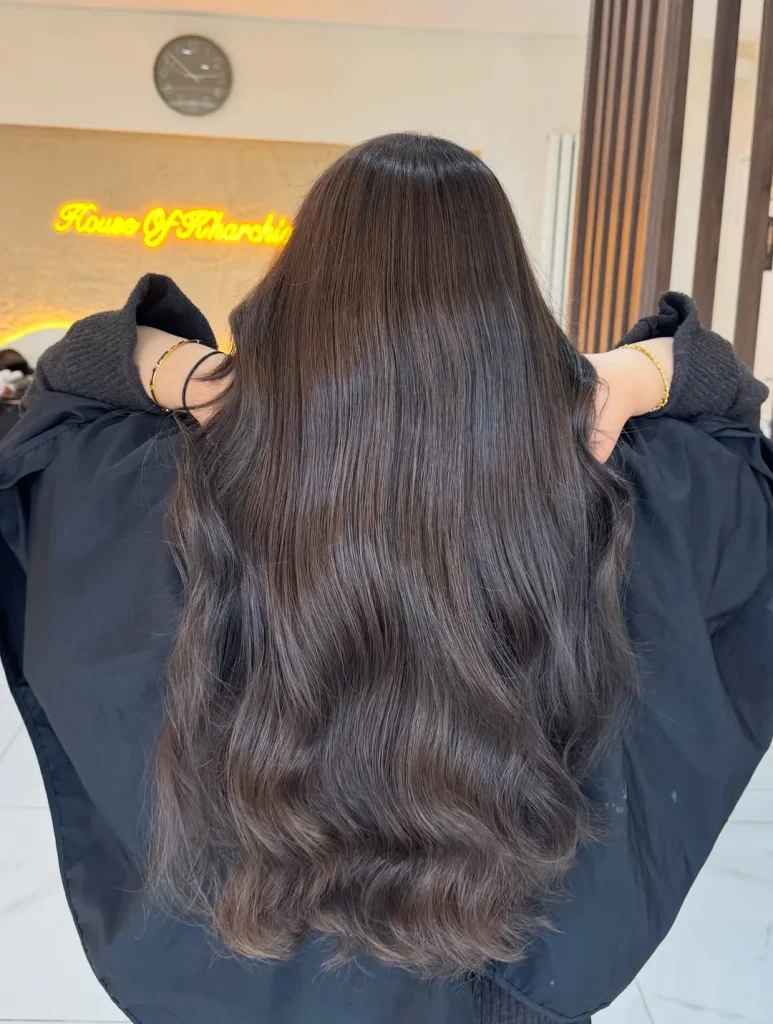
Chocolate Brown With Soft Balayage
View Instagram post by @houseofkharchier
A soft chocolate balayage builds dimension through a dark brunette without a dramatic blonde end point. When the painted pieces stay within the brown family, the hair looks lighter in motion but keeps depth near the crown. Your stylist can decide whether lightener is necessary after checking your starting level; a color-only service cannot always create a noticeably lighter result.
Chocolate Brown Ombre

View Instagram post by @bariksluxesalon
Chocolate ombre moves gradually from a deeper brown root into warmer, lighter brown ends, so the color shift is more noticeable through the lower half of the hair. A successful blend has no hard horizontal line between shades. Ask for a transition that begins far enough down to retain your natural depth, especially if you prefer less upkeep at the scalp.
Melted Chocolate Brown Roots

View Instagram post by @wellahair
Melted chocolate roots keep the upper hair rich and dark, then soften into slightly brighter brown lengths. The transition creates a lived-in finish without relying on sharp highlight lines. It works particularly well if your natural roots are dark brunette; ask your stylist how the root color will blend after several weeks of growth rather than judging only the first-day result.
Chocolate Brown Ribbon Highlights
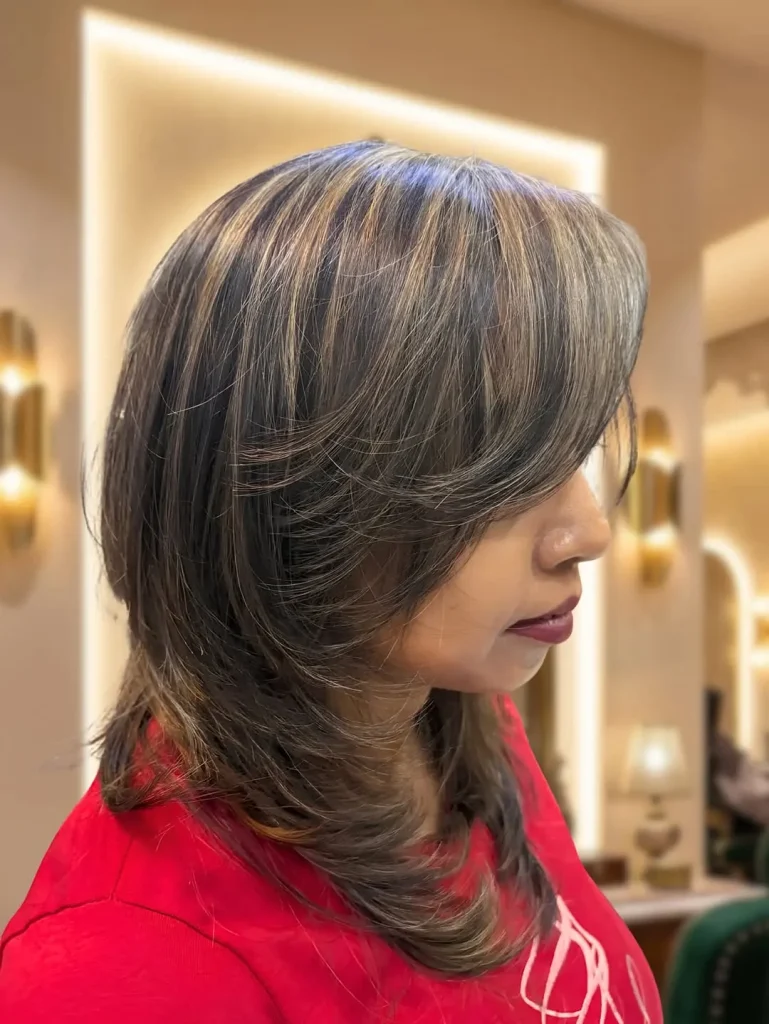
View Instagram post by @junetomkynssalon
Ribbon highlights create distinct but soft lines of lighter brown through a deep chocolate base. The placement becomes clearer in a loose wave or curl, where different strands sit beside one another. Keep the ribbons narrow enough to look intentional and request a blended root if you dislike obvious regrowth; broader highlights will create a more contrasting result.
Chocolate Brunette With Money Piece

View Instagram post by @mane.loft
A face-framing money piece brings a lighter hazelnut or beige-brown accent to chocolate brunette, focusing brightness around the cheeks instead of throughout the entire head. The accent can be subtle or high contrast depending on how light it goes. Ask to keep the front sections connected to the rest of the color, especially if you want something wearable as they grow out.
Sleek Straight Chocolate Brown

View Instagram post by @theshycowgirl
Chocolate brown appears particularly smooth on sleek, straight hair because the surface reflects light without waves breaking it into smaller sections. A clean blunt or softly layered cut gives the shade room to show. If you regularly straighten your hair, discuss a color-safe heat routine with your stylist; a high-shine finish should not come at the expense of healthy ends.
Chocolate Brown Bob
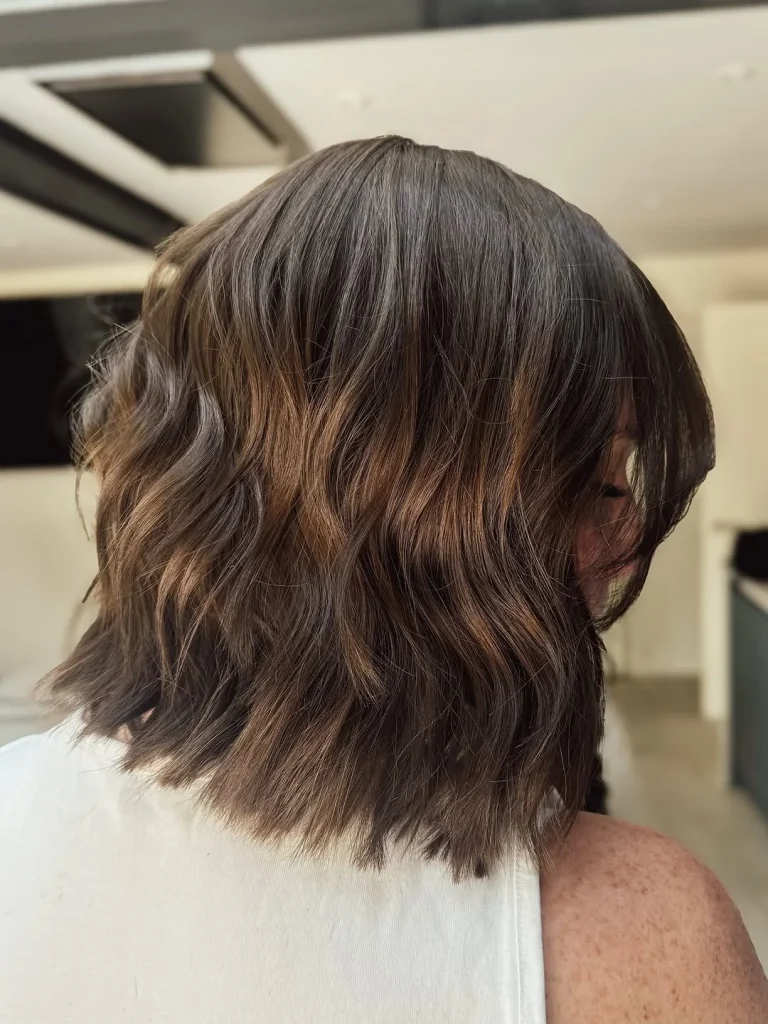
View Instagram post by @jadeamphletthair
This look makes the color itself an important part of a short haircut, with glossy brunette depth drawing attention to the outline. The shade looks especially neat when the perimeter is clean and the surface stays smooth. Ask for a bob length that works with your natural texture, then decide whether subtle brown highlights would add useful dimension or distract from the shape.
Chocolate Brown Curly Bob
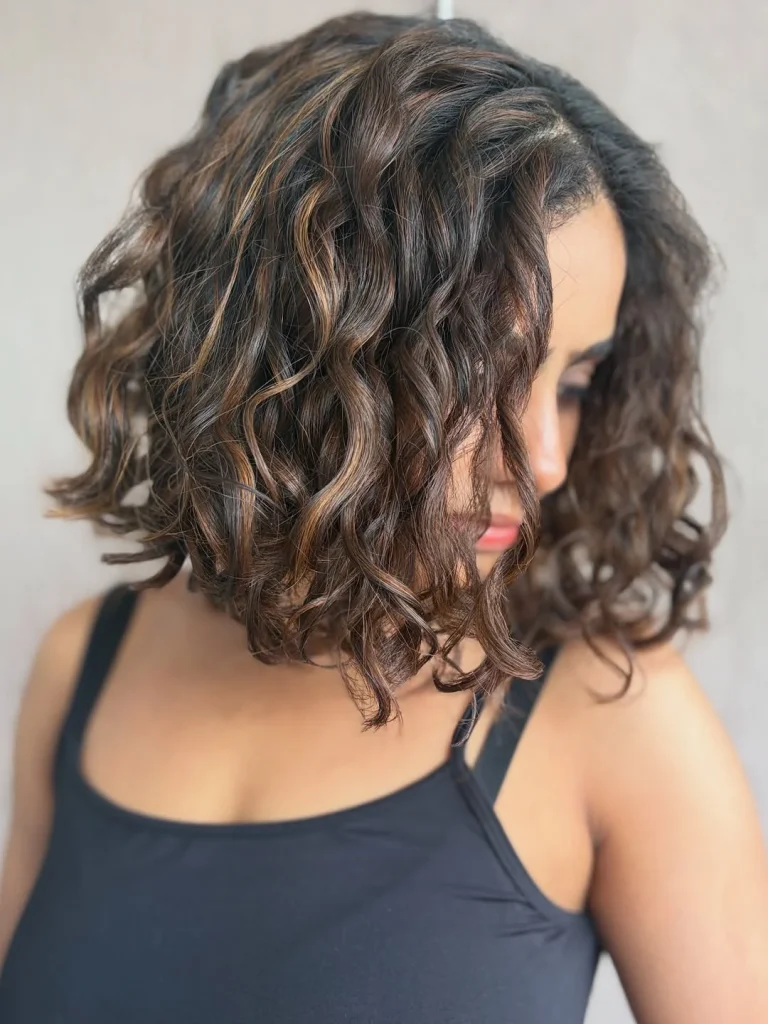
View Instagram post by @tanaya.thecurlystylist
A curly chocolate brown bob combines a compact silhouette with warm brunette color that shows in the spaces between curl groups. Defined curls create plenty of visual interest, so you may not need much highlighting for dimension. If coloring naturally curly hair, discuss dryness, porosity, and your regular styling routine before choosing a service or lighter brown tone.
Chocolate Brown Natural Curls
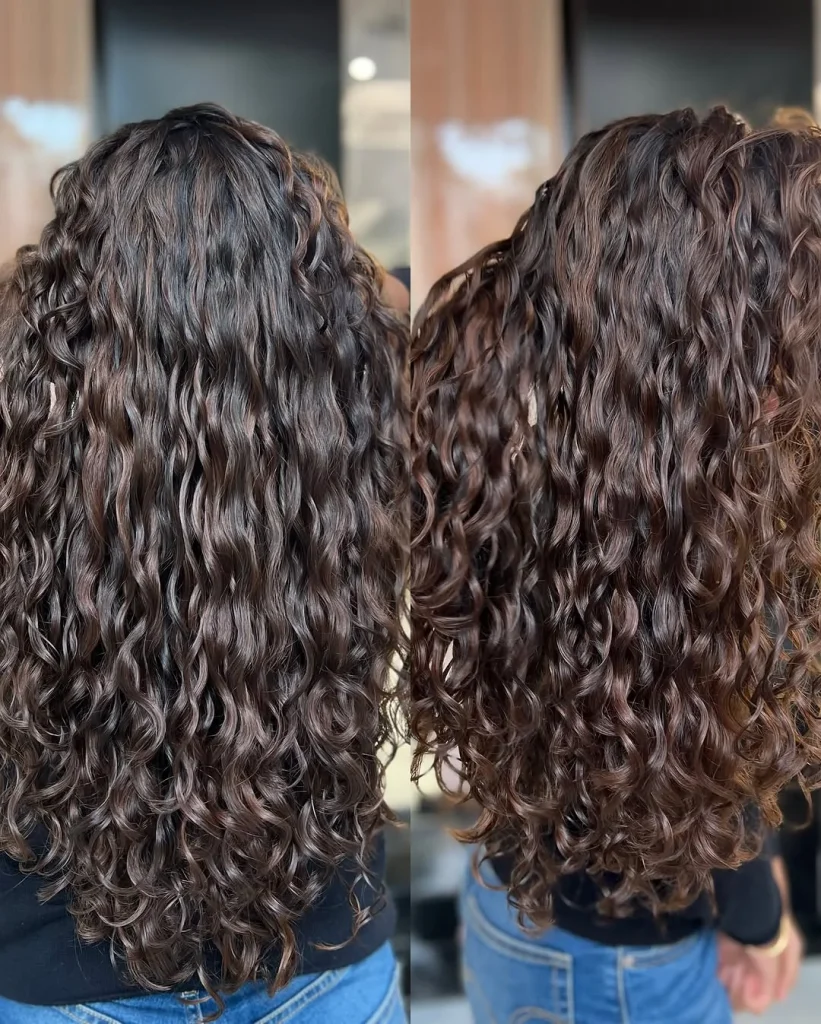
View Instagram post by @thealchemicbeauty
Chocolate color on natural curls can look deeper inside the curl pattern and brighter along the outer bends where light reaches it. That changing appearance is part of the appeal, especially on defined, voluminous hair. Ask your colorist to assess the hair’s porosity and past treatments before coloring; healthy curl definition matters just as much as choosing the right brown.
Chocolate Brown With Dimensional Lowlights
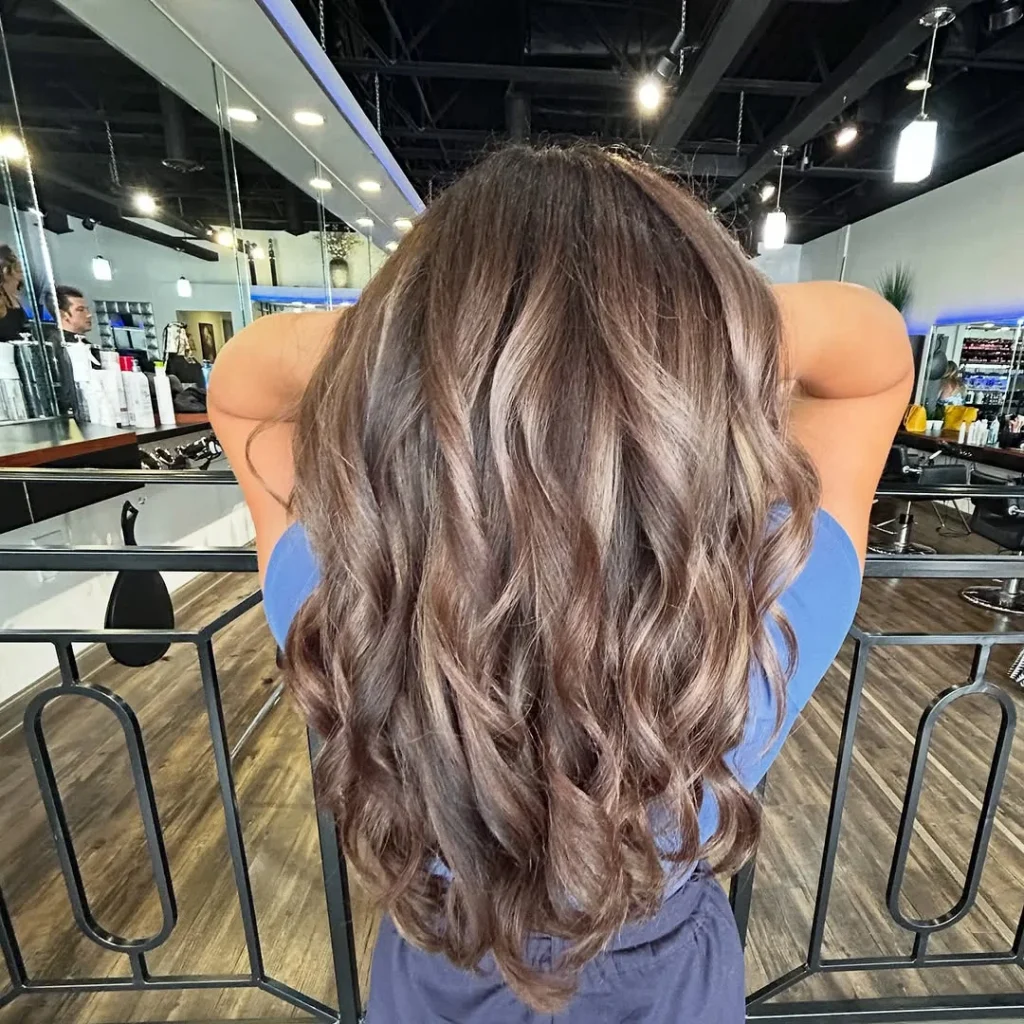
View Instagram post by @michelle.at.s2k
Chocolate brown lowlights put deeper brunette strands back into hair that has become too bright or uniformly highlighted. The darker pieces add definition and allow existing lighter ribbons to show without needing another full head of highlights. Ask for placement around the mid-lengths and ends, and check how the chosen lowlight color might fade on previously lightened sections.
Chocolate Highlights on Black Hair

View Instagram post by @samcheevs
This look introduce a gentle brown contrast without fully replacing the natural dark base. The difference is most visible when the highlights catch light through a curl, blowout, or textured style. For a restrained look, ask for finely placed pieces rather than a solid light panel, and discuss whether your starting hair needs any lifting first.
Cool Frosted Cocoa Brown
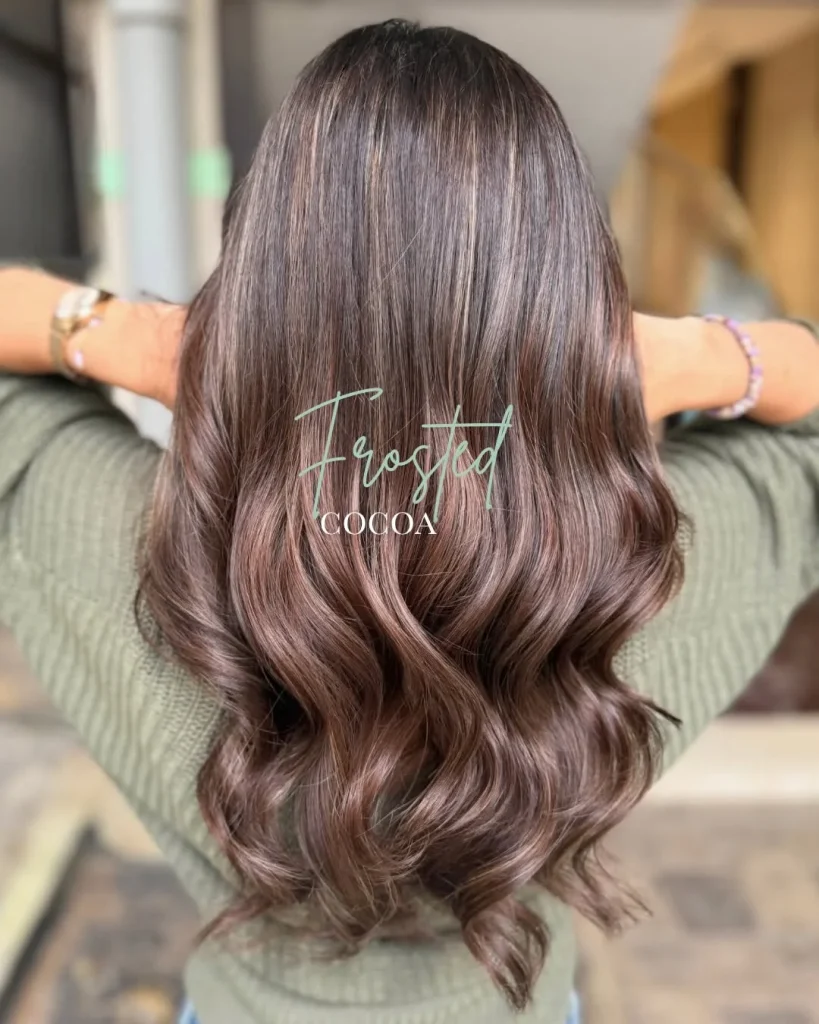
View Instagram post by @houseofhair.official
Frosted cocoa brown combines a deep brunette base with cooler, softly muted brown tones rather than red or golden warmth. It is a useful reference if you want dimension but find traditional chocolate shades too coppery. A careful toner choice matters, particularly when some lengths are already porous, so ask your colorist to show how the cool finish will fade.
Golden Chocolate Brown Highlights
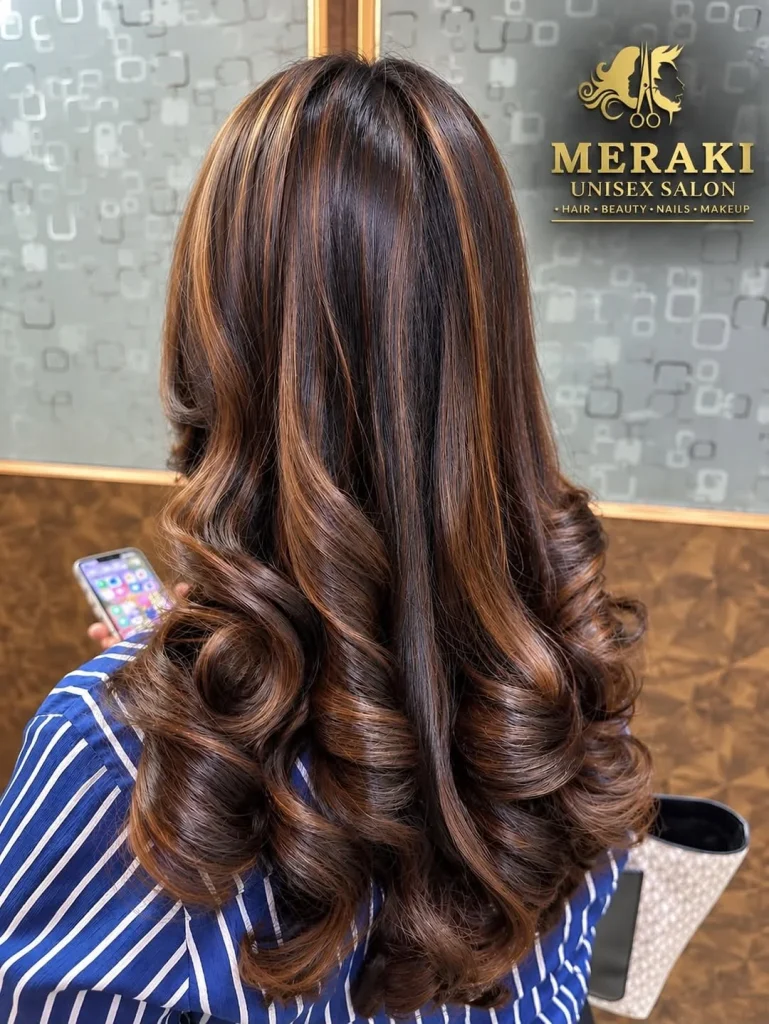
View Instagram post by @merakiunisexsalon_
Golden chocolate highlights brighten brunette with a warm, golden-brown glint while leaving the darker base visible between the lighter strands. The result is warmer than an ash or mocha brown but quieter than obvious blonde. Ask for placement that follows your haircut and decide whether you prefer a few fine ribbons or a more noticeable sweep around the face.
Styling and upkeep
Chocolate brown holds its shine well when it is treated gently. Wash with a sulfate-free shampoo made for color-treated hair and keep the water lukewarm, since hot water opens the cuticle and lets the color wash out faster. A gloss at the salon every six to eight weeks is the simplest way to bring back the shine and the depth, especially on the lengths, where the color fades first. If your chocolate leans warm, it may drift toward red or orange as it fades, and a cool-toned gloss will pull it back. If your chocolate leans cool, it may look duller over time, and a warm gloss or a tinted conditioner can restore the richness without a full color appointment. Between visits, a leave-in conditioner or a light hair oil keeps the ends smooth, because dry ends make dark color look flat. Heat tools are fine at a moderate temperature with a heat protectant, but daily high heat on the same sections will fade the gloss quickly. When the roots grow in, a chocolate that is close to your natural color blends in and can wait two or three months, while a milk chocolate or one with highlights will show the line sooner and needs booking earlier.
Frequently asked questions
Does chocolate brown suit warm or cool skin tones?
Both, as long as the warmth of the shade matches the skin. Warm chocolate with cocoa or caramel notes suits skin that tans easily and suits gold jewellery. Cool or ash chocolate suits skin that burns easily and suits silver. A neutral chocolate works for people in between and can be shifted warmer or cooler later.
Will chocolate brown cover gray hair?
A permanent chocolate brown covers gray well, while a gloss or semi-permanent color blends it and lets it show through sooner. The choice depends on how much gray you have and how often you are willing to touch it up. Show your colorist your roots in daylight so they can choose the right type of color.
How long does chocolate brown hair color last?
A permanent shade grows out with your roots and usually needs a touch-up every six to eight weeks. A gloss or semi-permanent chocolate fades gradually over four to six weeks and is easier to refresh. Keeping washes lukewarm and using color-safe shampoo slows the fading.
Can I get chocolate brown without lightening my hair?
Yes, if you are only going darker or staying at a similar depth, your colorist can usually apply the chocolate directly. A milk chocolate that is lighter than your natural color will need some lightening to show up. Your colorist can tell you whether your hair needs a lifting step by looking at your base in daylight.
How do I stop chocolate brown from turning brassy?
Use lukewarm water and a color-safe shampoo, since hot water and harsh products strip the tone faster. A cool-toned gloss or a blue-based toning conditioner once in a while keeps the warmth in check. Sun and chlorine push the color warm too, so rinse after swimming and wear a hat on bright days.
If one of these 35 shades looks like the right depth for you, save two or three photos and bring them to your next appointment. Pick pictures that match your hair length and how your hair behaves, and note the depth, the warmth and where the lighter pieces sit in each one. Showing your stylist a small set of references makes it much easier to agree on the tone before the color is mixed, and it gives you something concrete to point to if you want it warmer, cooler or lighter at your next visit.