
Thin hair is not one thing: it can mean fine strands, fewer strands, or both, and the right cut depends on which you have. A haircut can change how full the hair looks: the 25 styles below use blunt ends, shorter lengths, careful layers and texture to keep the shape up instead of letting it fall flat. What it cannot do is add hair, so the first job is to look honestly at the photos and work out how much fullness comes from the cut and how much comes from styling, teasing or a little extra help.
Look at the ends first: a blunt edge makes thin hair look thicker, because nothing is thinned away at the bottom, while layers cut into the ends can make them look wispy. Shorter lengths usually suit thin hair better than very long ones, since long hair weighs the roots down. Texture helps too: soft waves and a little root lift make the hair look fuller than pin-straight lengths, and a side part hides a wide parting better than a centre part.
Be honest about what you see. Some photos will have been styled with teasing, root powder or even clip-in extensions, and there is nothing wrong with any of that. The question is whether you want a cut that looks full on its own, or one you finish with a little help. The styles worth saving are the ones that still look like you, with your amount of hair, on a normal day.
Preserve fullness where it matters to you
- A blunt or softly graduated perimeter can keep the ends visually connected. Ask how much layering can be added without making that edge too sparse.
- A fringe uses hair from the front section. Compare a light side sweep with a heavier bang before committing a large section.
- Shorter lengths may make styling easier, but a cropped cut still needs a shape that follows your crown and hairline.
Judge the result in ordinary conditions
Look at the style without hair fibers, extensions or carefully arranged camera angles where possible. Ask the stylist to explain any added support in the reference. Start styling with small amounts of product and add only where needed; more product can make the sections clump together. If your density has changed unexpectedly, seek advice about the cause rather than relying on a haircut as a treatment.
When comparing cuts for thin-looking hair, check whether the photograph shows fine strands, lower density or simply a smooth finish. Our fine-hair haircut consultation guide explains which questions help distinguish those cases.
How to choose a cut that makes thin hair look fuller
The blunt edge is where fullness starts: a cut that ends in one solid line reads as thicker hair, because nothing has been thinned away at the bottom. Layers cut into the ends look wispy, so the safest approach is to keep the layers where they add lift, at the crown and around the face, and leave the ends alone. Shorter lengths help the same way: chin to shoulder is usually the sweet spot, since long hair pulls the roots flat. A fringe is worth thinking about too, because it uses hair from the front section: a light side-swept fringe adds fullness at the forehead, while a heavy straight fringe can leave the rest looking thinner.
Texture and parting do the rest of the work. Soft waves and a little root lift make thin hair look fuller than pin-straight lengths, and a round brush at the roots while it dries is the simplest way to get that lift. A side part hides a wider parting better than a centre part, and it pushes more hair to one side, which reads as more volume. Avoid heavy product: thick creams and oils weigh fine hair down and make the sections clump together, so start with a small amount of a light mousse or a root spray and add more only where needed.
Be honest about extensions, including with yourself. Clip-ins can add volume for a special occasion, and there is nothing wrong with using them, but a good cut should look full on its own first. Some photos use extensions, hair fibres or teasing to fill out the shape, so ask your stylist whether the look you like depends on that kind of help. If your density has changed suddenly, that is worth a conversation with a doctor rather than a haircut. Trim every six to eight weeks to keep the blunt edge clean, since split ends make thin hair look thinner still.
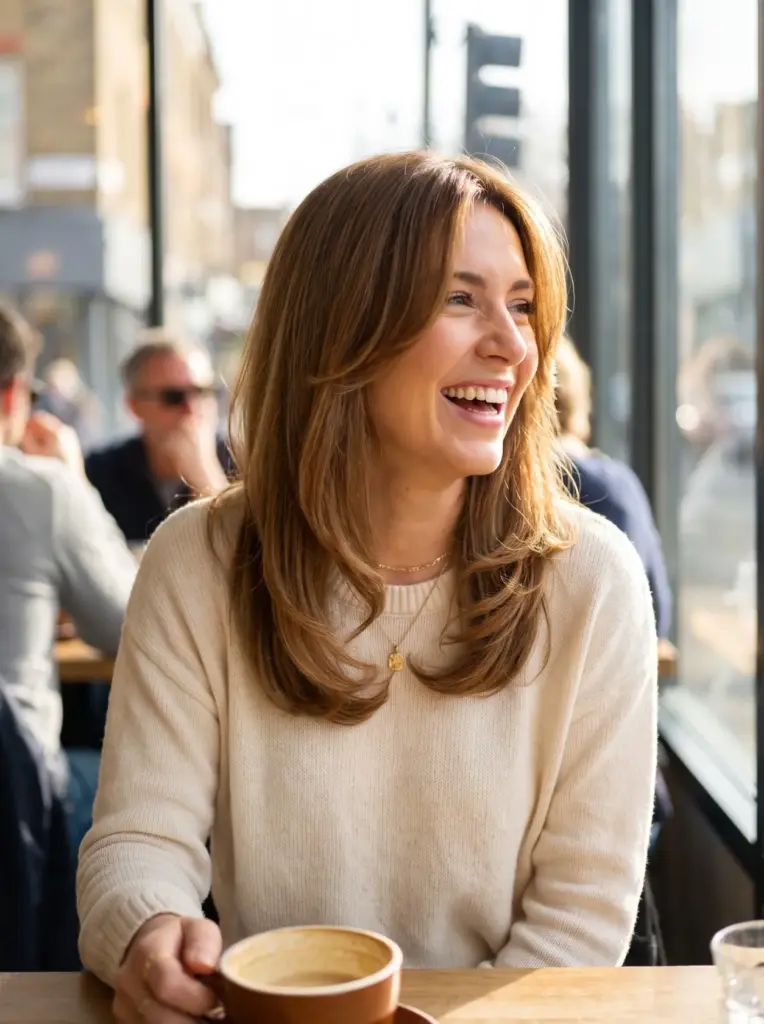
Soft Layered Shoulder-Length Haircut
Rounded layers graze the collarbone, with face-framing pieces cut shorter around the cheeks and light bends at the ends. Warm caramel-brown color catches the light across this look, giving thin strands more visible body.
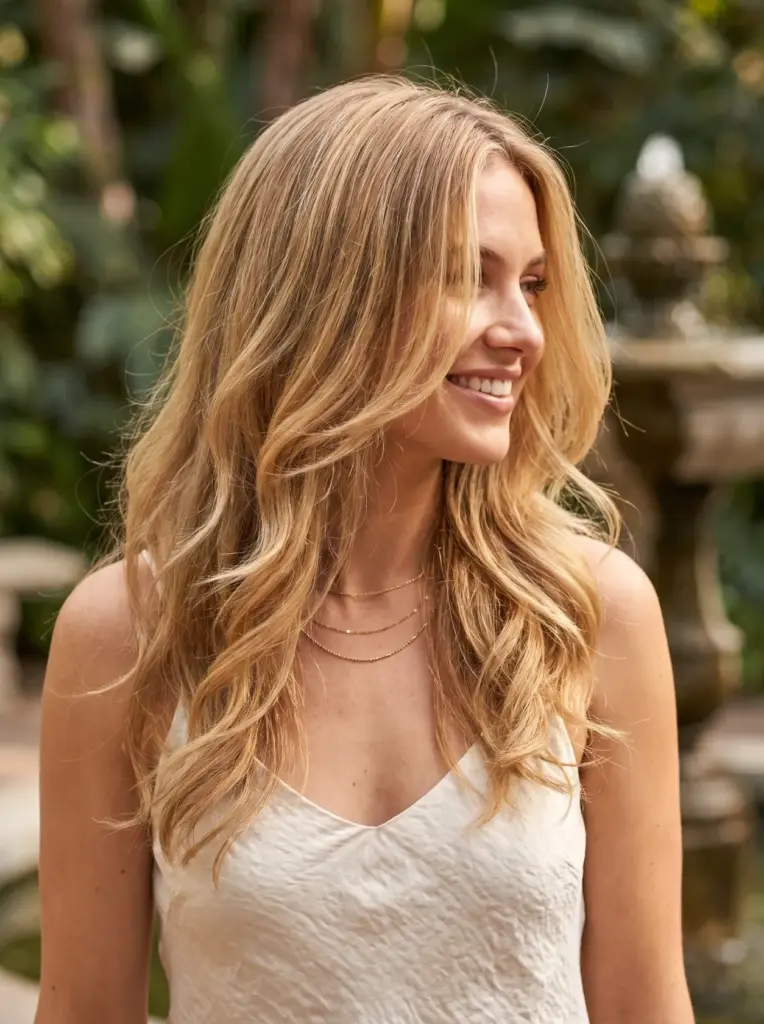
Feathery Long Layers For Fine Hair
Razored sections lighten the ends, while movement builds through the mid-lengths and loose waves fall past the shoulders. Honey-blonde tones run through this look, keeping the shape airy rather than stringy. Ask for long layers only, so the ends stay full, and use a lightweight texture spray instead of heavy oils.
Blunt Bob With Clean Fuller Ends
One blunt line skims the jaw with zero graduation, so every strand lands at the same length. Deep chocolate-brown ends on this style looks denser than they are, creating a crisp, sharp outline.

Long Layered Bob With Soft Movement
Hovering just above the collarbone, rounded layers are cut generously through the ends for movement and a slight outward flip. This look is shown in a warm chestnut brown that catches the light.
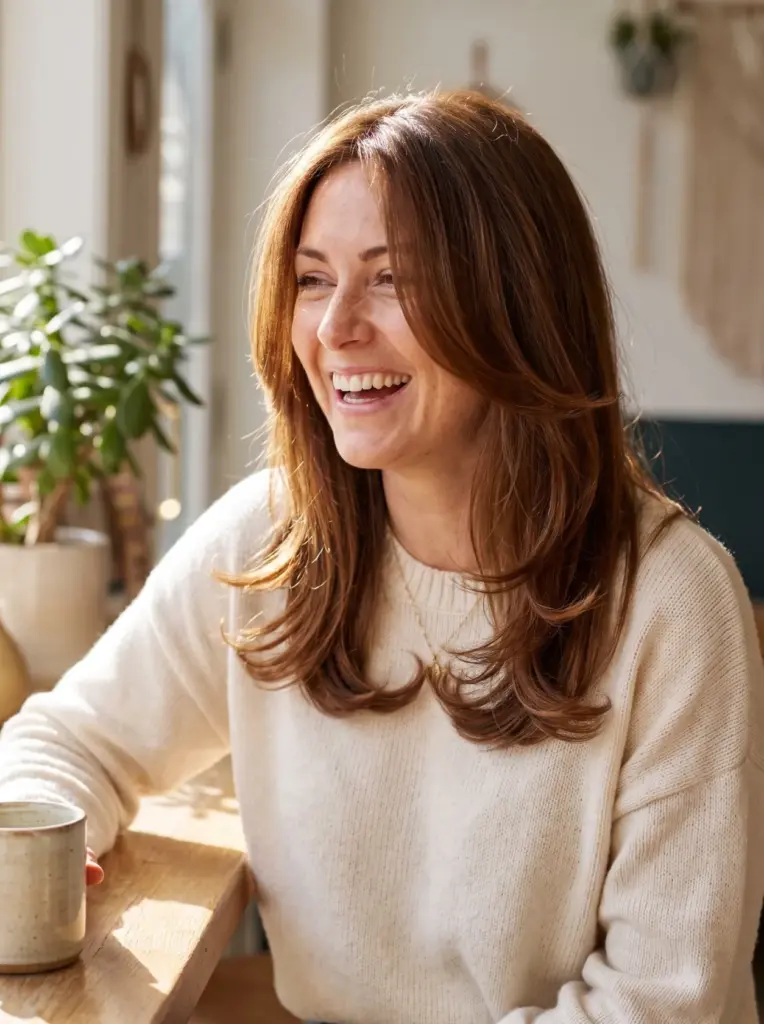
Textured Long Bob With Wispy Ends
Choppy layers fall just past the chin, with point-cut ends that flick outward and a slightly tousled finish. Shown in an ash-brown shade, this style looks lived-in even on second-day hair. Fine hair holds the texture well, and a dry texture spray worked through with fingers keeps the ends separated.

Angled Lob With Face-Framing Layers
Longer in front and shorter in back, this cut has layers framing the cheeks and jawline, with angled ends grazing the collarbone. Sleek honey-caramel color finishes this look, sculpting the face while keeping the shape airy. The longer front creates a diagonal edge; choose that shape if you like the outline, regardless of face shape. A round brush can add lift at the shorter back.
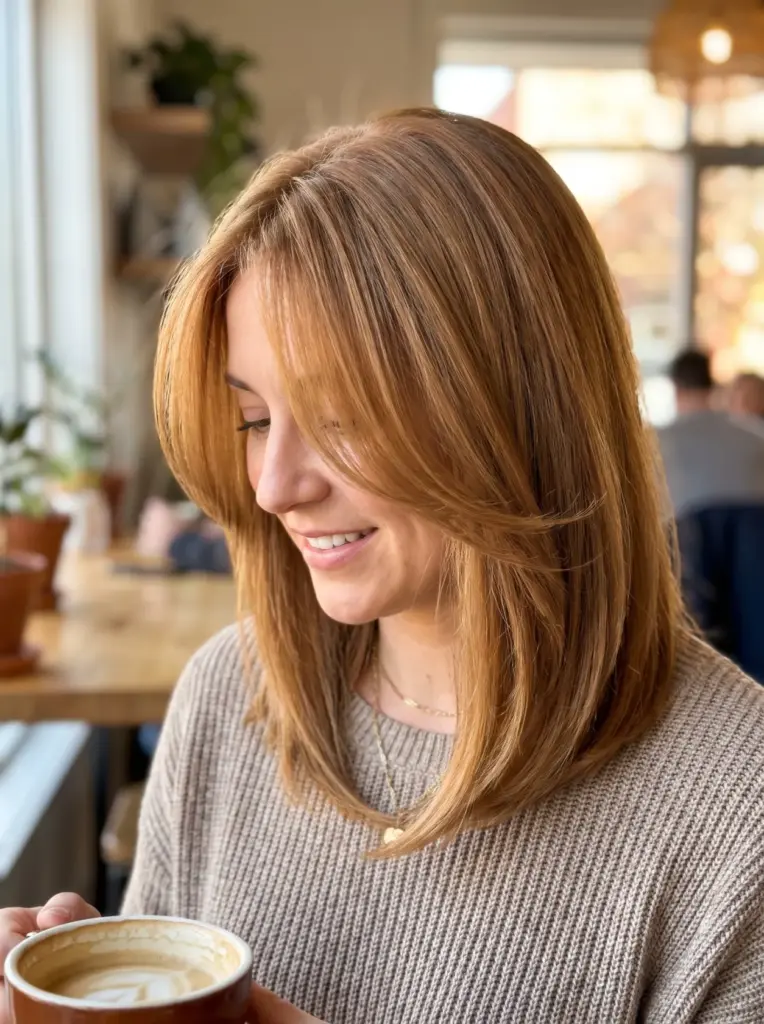
Butterfly Lob With Curtain Layers
Short layers up top meet longer curtain-style pieces that cascade past the shoulders, with ends curled outward. Dimensional balayage shifts from root to tip across this look, adding a fluttery outline. Short crown layers can create visible lift, but taking too much weight out may leave fine ends looking sparse. Discuss the layer depth before cutting; a large round brush can turn the front pieces outward.
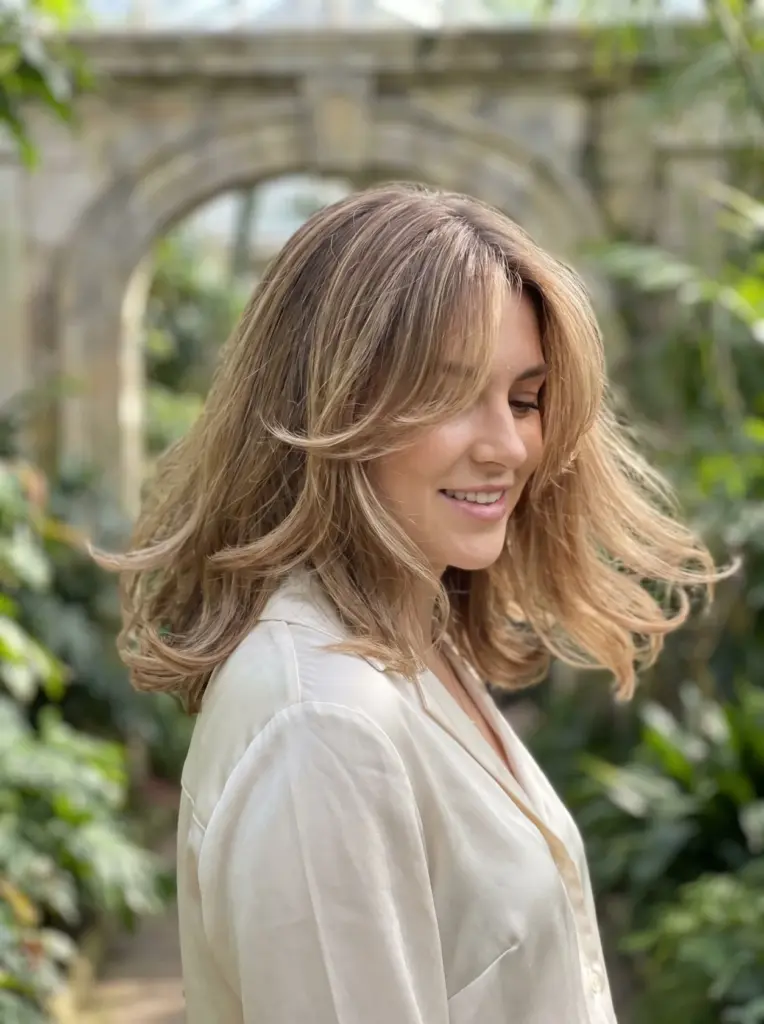
Fine Hair Pixie Cut With Soft Fringe
Close at the sides and back, this cut piles feathery layers higher on top, with a wispy fringe just above the brows. Golden highlights woven through the crown add depth to this look, shown over a light brown base.

Textured Pixie Bob With Soft Layers
Cropped short at the back, the cut keeps slightly longer, feathery layers framing the face and tucked behind the ears. Warm caramel-blonde tones glow through this look, balancing edge and ease.
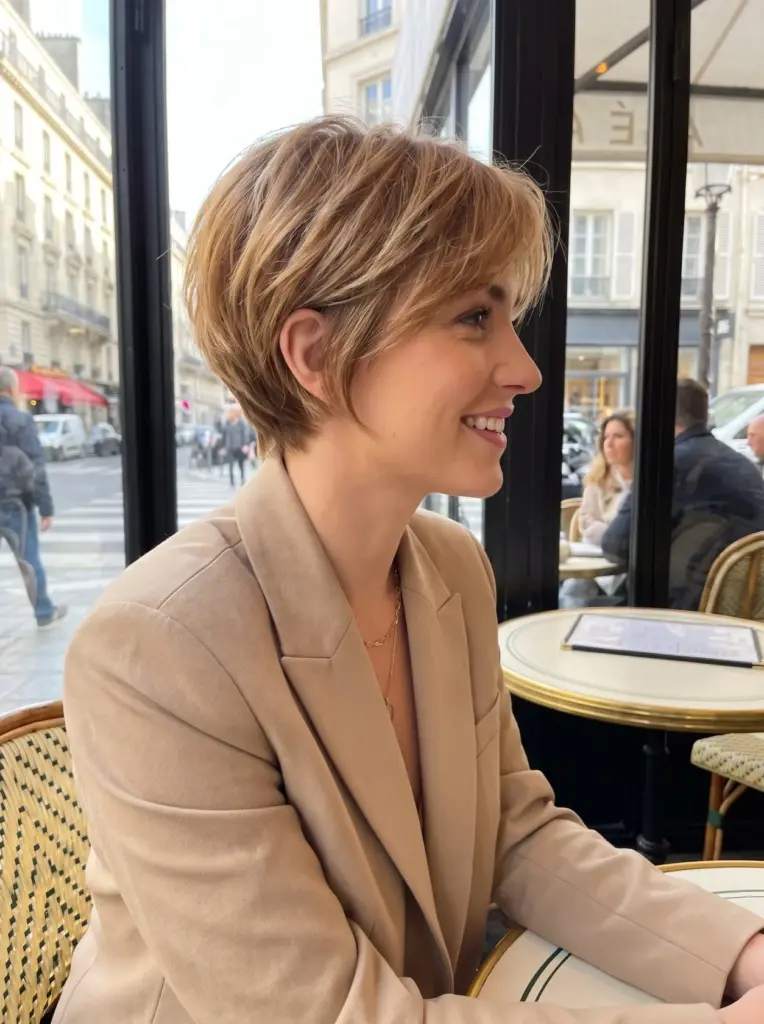
Shaggy Wolf Cut For Extra Texture
Choppy layers run from the crown to shoulder-length ends, with airy curtain bangs and plenty of face-framing pieces. Shown in a warm, sun-kissed brown, this look builds volume where thin hair usually falls flat.
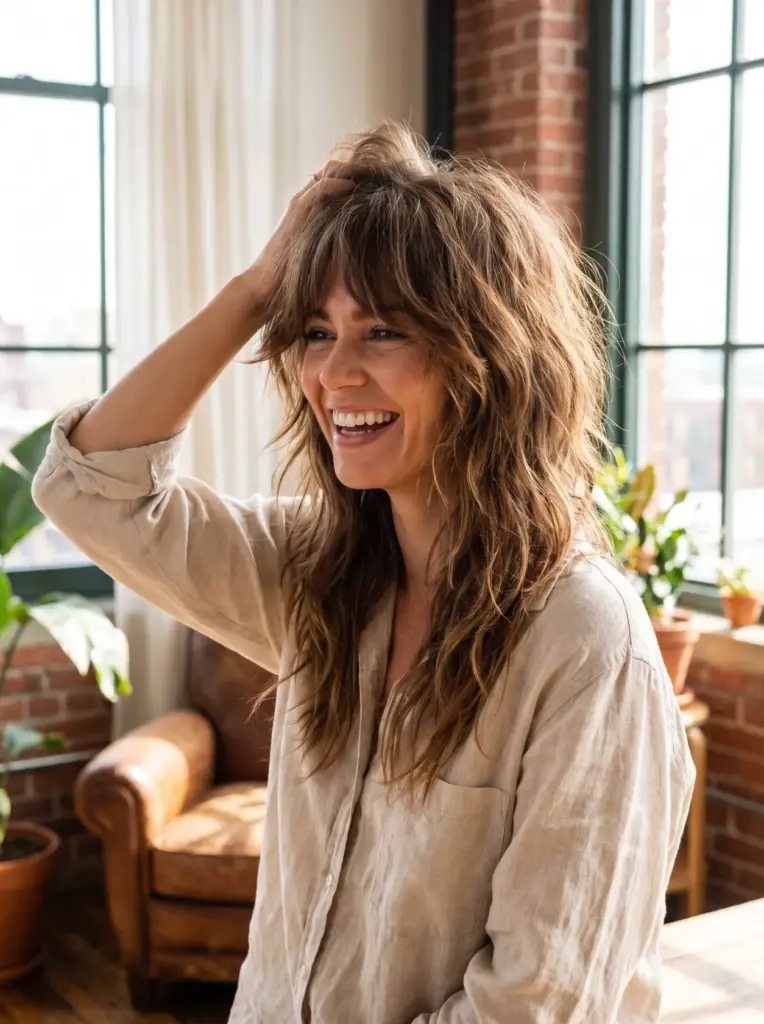
Shoulder-Length Shag For Low Maintenance
Piecey layers skim the shoulders, with wispy curtain bangs and ends that flip in every direction. Left deliberately undone in a chestnut-brown color, this style looks good fresh out of bed.
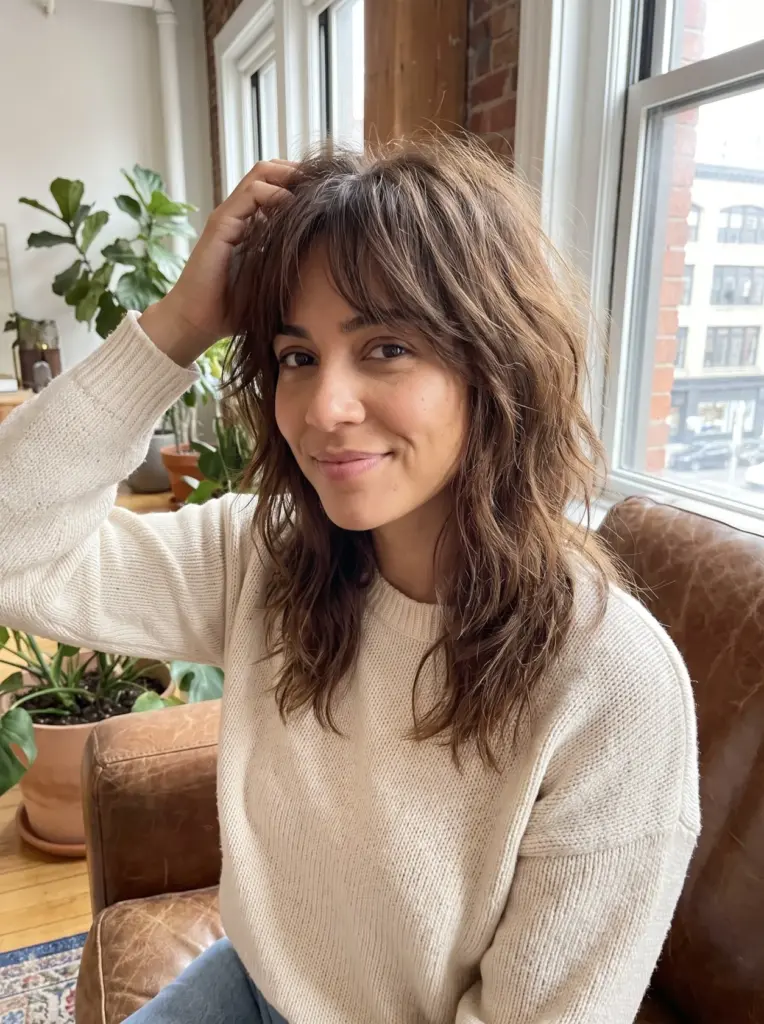
Medium-Length Cut With Feathery Layers
Falling just below the shoulders, feathery layers build gradually from the chin down and lift the crown. A glossy dark-brown finish shows off this look, framing the face gently. Fine hair looks thicker at this length, and blow-drying the roots upward with a round brush adds height.
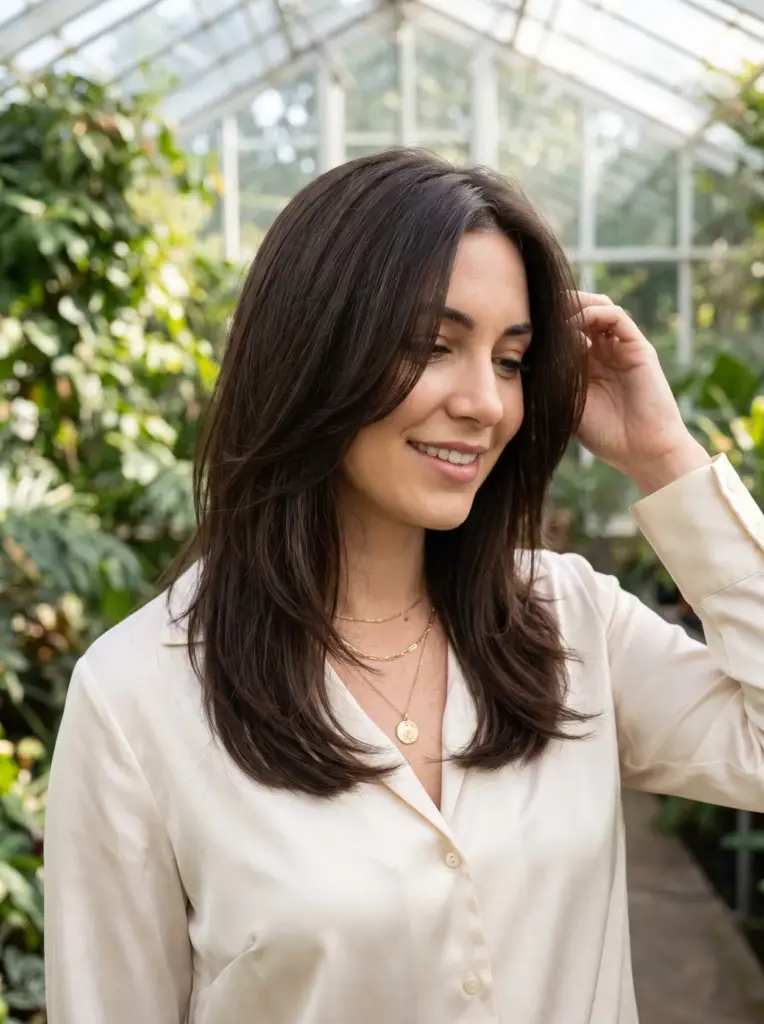
Long Face-Framing Layers For Movement
Cut shortest around the cheekbones, the front pieces blend into full-length hair past the shoulders, with ends curled under. Warm, sunlit blonde brightens This look as they shift with each turn of the head. Long faces benefit from the cheekbone-level pieces, and a one-inch curling iron sets the ends.
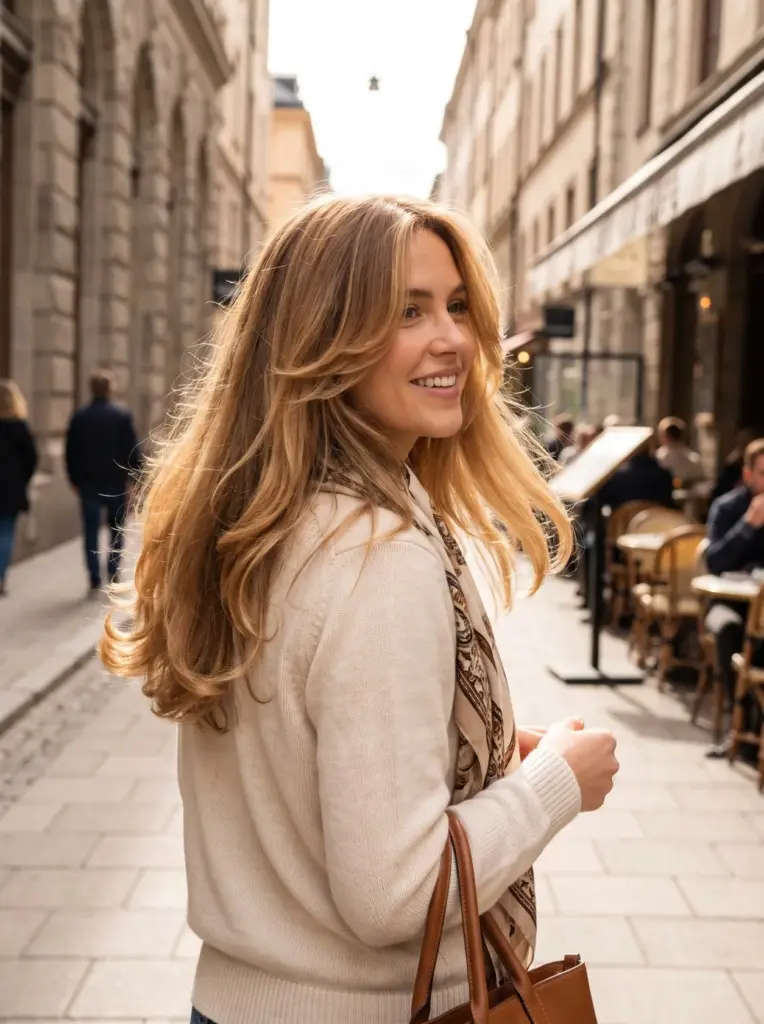
Wispy Curtain Bangs For Fine Hair
Center-parted bangs sweep across the forehead in wispy pieces that blend into long layers on either side. Golden-blonde shine highlights this look as they brush the cheekbones and add height up top.

Soft Sweeping Side Bangs For Fullness
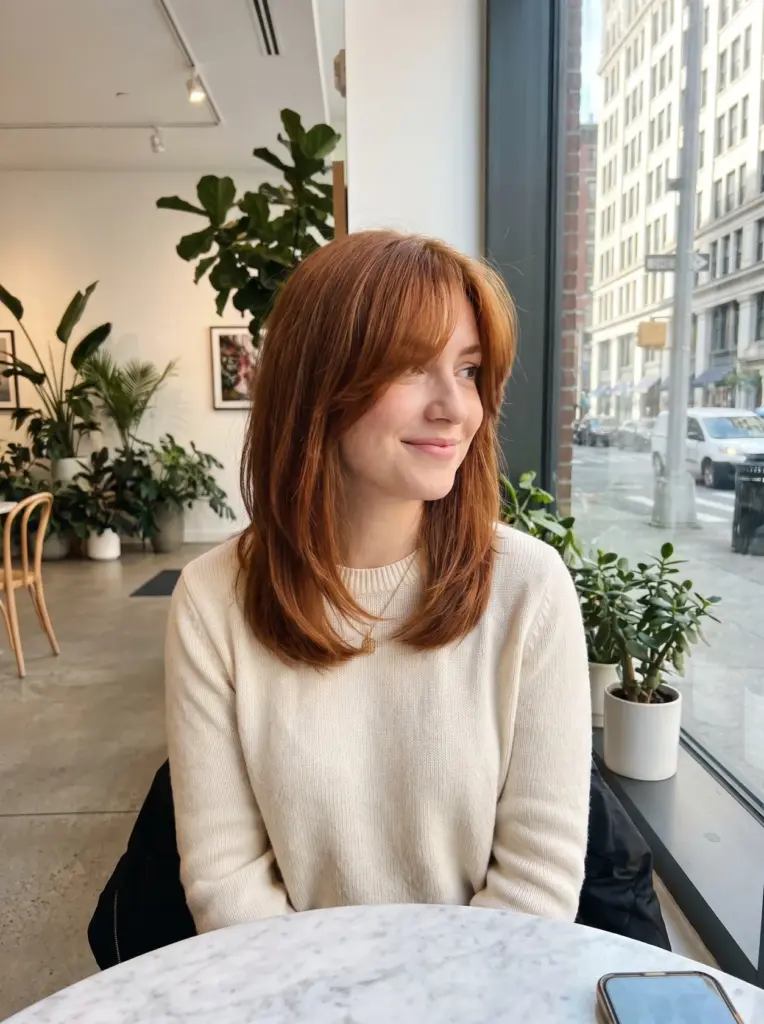
Diagonal bangs taper into longer layers, with the fringe grazing one eyebrow and blending into shoulder-length hair. Rich auburn tones fill out this look, adding volume at the crown without a blunt edge. Square and round faces benefit from the angle, and a flat brush aimed sideways trains the fringe.
Effortless Messy Bun For Thin Hair
Sitting low at the nape, loosely pulled sections create deliberate volume at the crown, with wispy face-framing strands left out. This look is shown in a light ash blonde with a slightly undone knot at the back. Tease the crown lightly before tying, and pancake the bun with fingers so it looks fuller.

Sleek High Ponytail With Soft Volume
Smoothed back from the crown with teased lift at the root, the ponytail has its base wrapped in a sleek section of hair. Glossy waves fall down the back of this look, shown in a medium golden brown. Two bobby pins under the base prop it up, and a texture spray in the length adds fullness to fine hair.
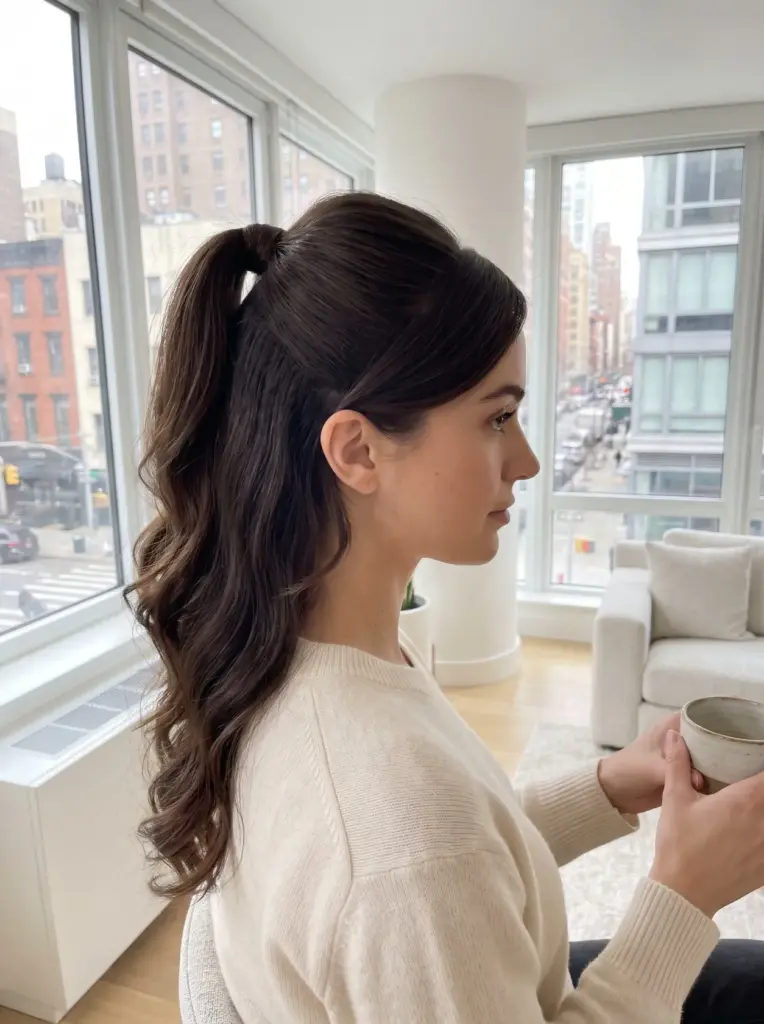
Soft Low Bun With Face-Framing Pieces
Twisted sections sit at the nape, with light volume teased at the crown and loose strands curling near the cheeks. A glossy chestnut-brown finish runs through this look, suiting casual brunch or a formal evening. Second-day hair holds the twists best, and U-pins keep the bun secure without flattening it.

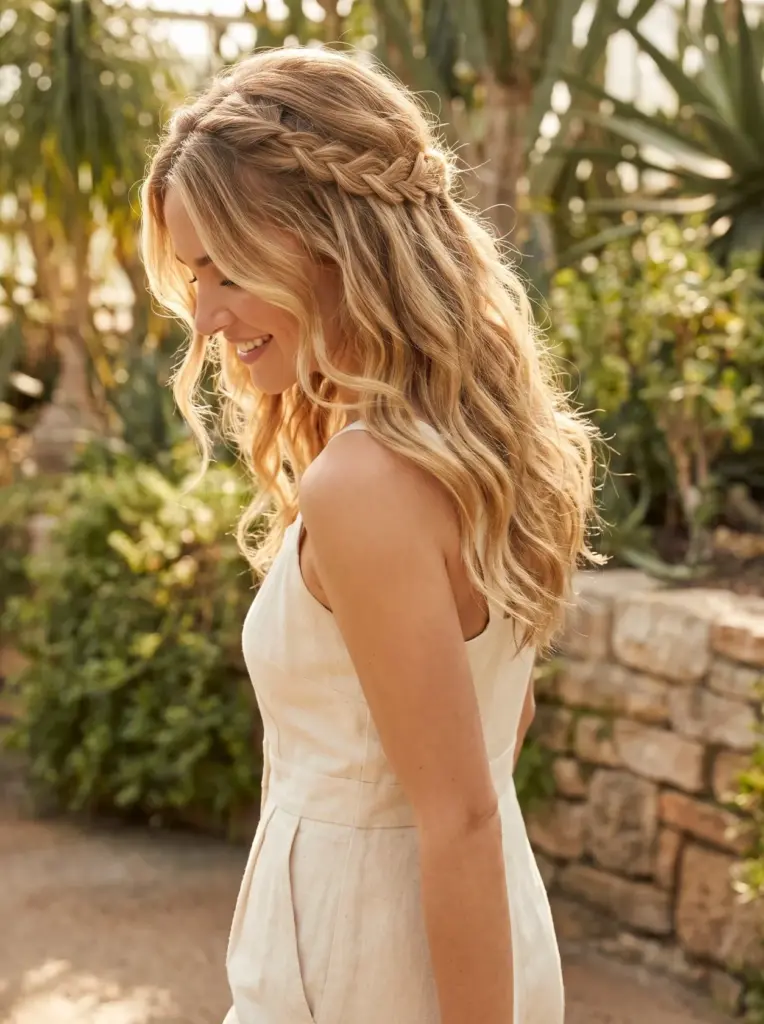
Half-Up Style With Two Soft Braids
Two thin braids are gathered from each side of the crown and pinned back, while the rest falls in loose waves past the shoulders. Feathery ends finish this look, shown in a light golden blonde. Pancake each braid gently to make it look thicker, and secure them with a small clear elastic.
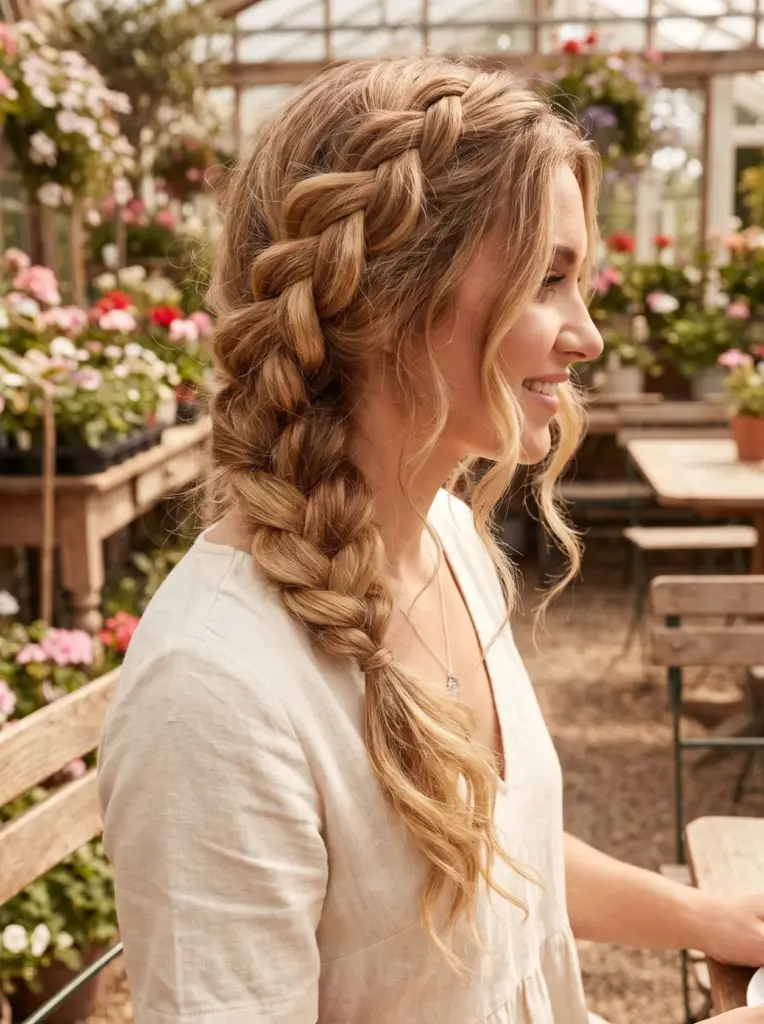
Loose Side Braid With Wispy Strands
Draped over one shoulder, the plait is pulled apart in sections to widen it, with wispy strands left loose around the face. Gentle waves run through this look, shown in a warm honey brown. Curling the hair before braiding adds grip, and a texture spray makes thin strands easier to pancake.
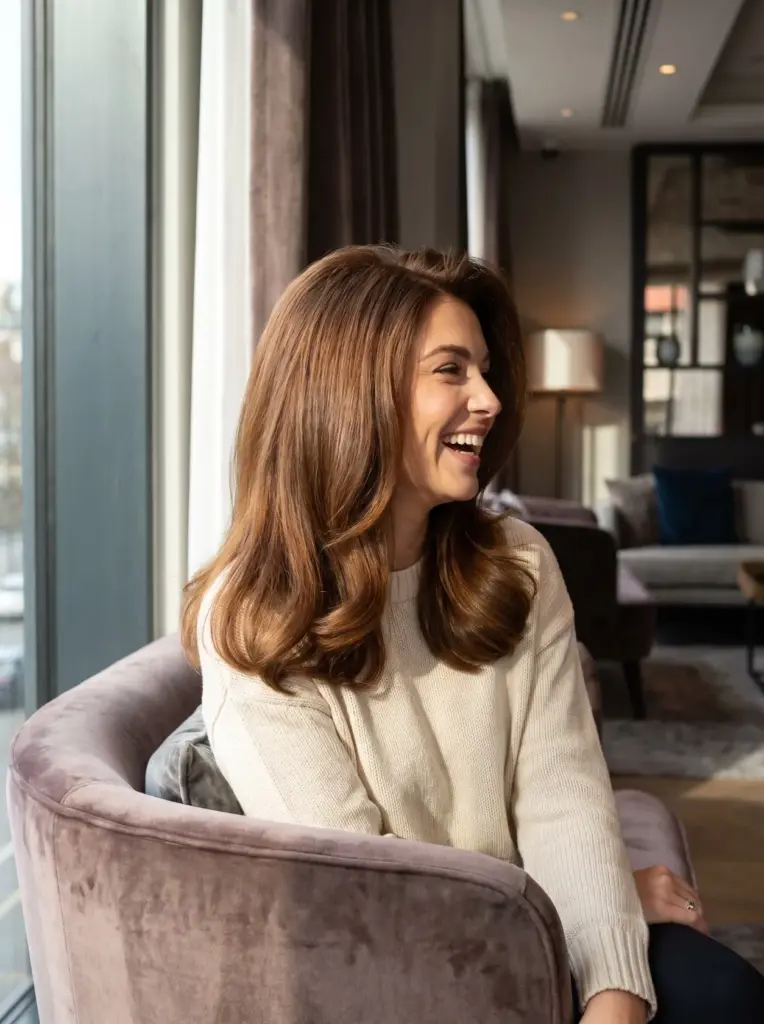
Root-Lifted Blowout For Instant Body
Dried with a round brush directly at the roots, this style has lifted roots, mid-lengths curved inward, and smooth, glossy ends. Rich chestnut-brown color runs through this look, giving fine hair all-over body. Apply a root-lifting spray to damp hair, and finish by flipping the head upside down for extra height.
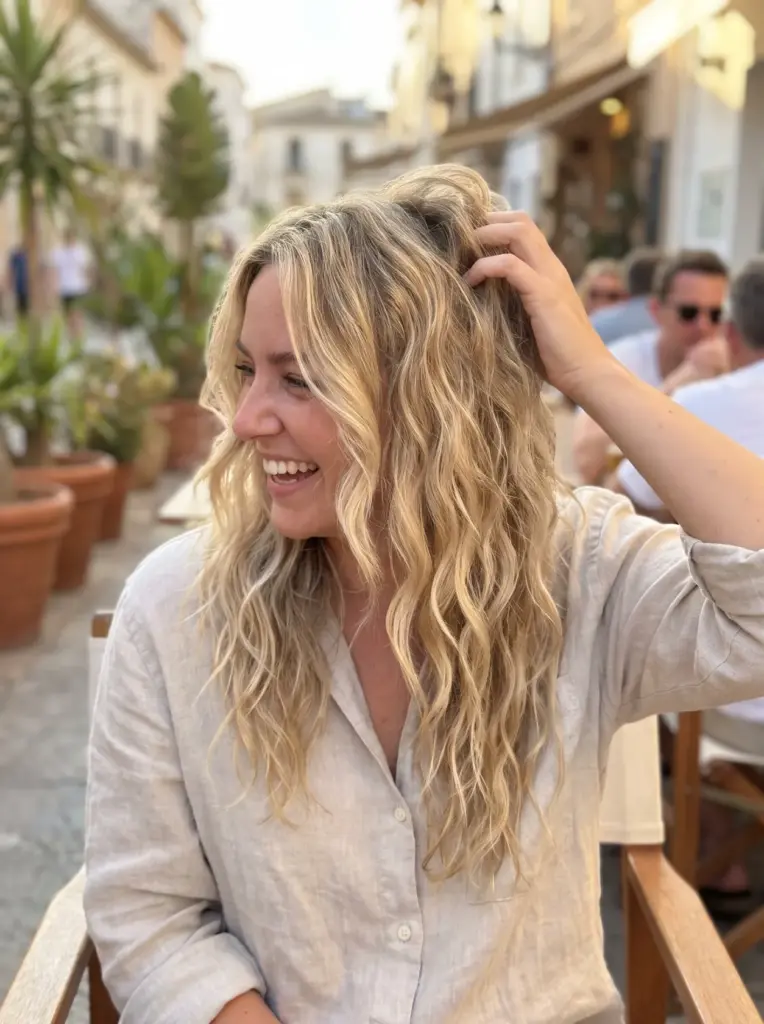
Soft Beach Waves For Added Texture
Loose bends ripple from the mid-lengths to the ends, with a few face-framing pieces pulled forward and a tousled finish. Sun-bleached blonde shows off this look, which hold up after a full day out. Sea salt spray on damp hair and a flat iron twisted through sections create the waves without heavy product.
Top Knot Bun For Fine Hair
Twisted high at the crown, the hair is teased underneath and wrapped into a loose, rounded knot, with wispy pieces left in front. Shown in a cool medium brown, this look lifts hair off the face in minutes. A donut bun shaper adds fullness if hair is very thin, and dry shampoo gives the knot grip.

Casual Updo With Soft Face-Framing Wisps
Loosely twisted at the back of the head, the sections are pinned at varying heights for dimension, with wispy pieces left near the temples. Golden-brown tones run through this look, suiting both everyday wear and evenings out. Second-day hair holds it best, and bobby pins slid in at angles keep it secure.

Loose Low Ponytail With Wispy Ends
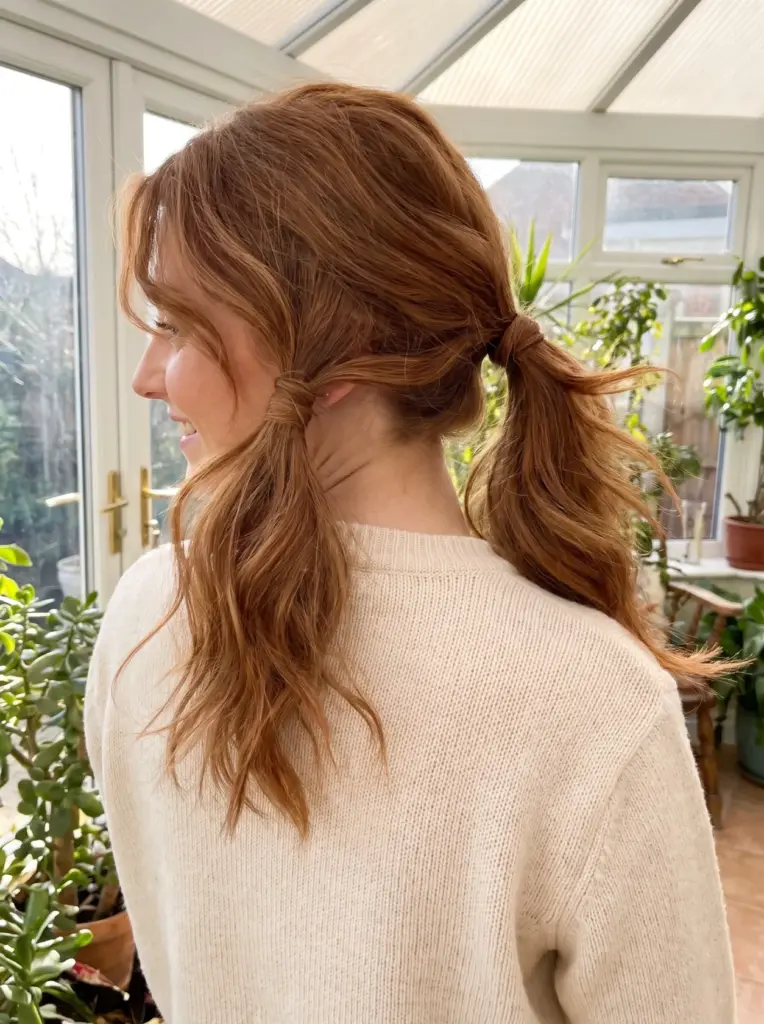
Gathered gently at the nape, the ponytail keeps light volume at the crown and hides its elastic under a wrapped section. Feathery ends trail down the back of this look, shown in a dark ash brown. Teasing the crown slightly before tying adds height, and a light texture spray fills out the tail.
To compare other approaches, read our fine-hair bob haircuts and volume-boosting styles guides. They cover related cuts, finishes and styling choices you can weigh against this look.
Styling and upkeep
Thin hair needs lift at the roots and light hands everywhere else. After washing, work a small amount of mousse or root spray through damp hair at the roots only, then blow-dry with your head tipped forward and a round brush lifting the roots as they dry. That lift is what makes the hair look full: once the roots are flat, no amount of product at the ends will bring the volume back. Soft waves help too, whether from a flat iron, a loose braid left in overnight, or a texture spray scrunched through dry hair, since waves make the hair look thicker than pin-straight lengths.
Keep products light. Heavy creams, oils and silicone serums weigh fine hair down and make the sections clump, so start with less than you think you need and add more only where it is needed. Dry shampoo between washes soaks up oil at the roots and adds grip, which is useful for updos as well as volume. Trim every six to eight weeks to keep the blunt edge clean, since split ends make thin hair look thinner still. And go easy on the teasing: a little backcombing at the crown adds height, but rough teasing breaks fine hair.
Frequently asked questions
What is the best haircut for thin hair?
A blunt bob or lob with the ends left full is the safest starting point, usually chin to shoulder length. Layers should add lift at the crown and around the face, not thin out the ends. Bring photos to your stylist and talk about whether your hair is fine, low in density, or both, since the answer changes with each.
Do layers help or hurt thin hair?
They do both, depending on where they are cut. Layers at the crown and around the face add lift and movement, which thin hair needs. Layers cut into the ends thin them out and make them look wispy, so ask for long layers and a blunt edge, and check the ends dry before you leave.
Will growing my hair long make it look thinner?
Often, yes. Length weighs the roots down and the ends go stringy, so very long thin hair can look thinner than a shoulder-length cut. If you want to keep your length, keep the ends blunt, add soft texture, and trim regularly. A cut that sits at the collarbone usually looks fuller than one that reaches the waist.
Should I use extensions for thin hair?
Clip-ins are a reasonable option for a special occasion, since they come out at night and do not stress the hair. Semi-permanent extensions need a stylist consultation, since they can pull on fine hair. Whatever you choose, start with a cut that looks full on its own, so the extensions are a bonus rather than a necessity.
How often should thin hair be trimmed?
Every six to eight weeks is a good rhythm. The blunt edge that makes thin hair look full needs regular upkeep, and split ends make the ends look thinner and break off more easily. If the ends start to look wispy or see-through, the cut is due rather than the styling.
Choosing a style for thin hair comes down to the ends, the length and the lift at the roots. Save two or three photos that match your hair and the amount of styling you are happy to do, including a side view so your stylist can see the shape at the back. Talk through the blunt edge, where the layers should sit, and whether you want the help of a little teasing, powder or clip-ins. If the cut still looks full on a morning when you have done little more than dry and go, you have found the right version of the style.


