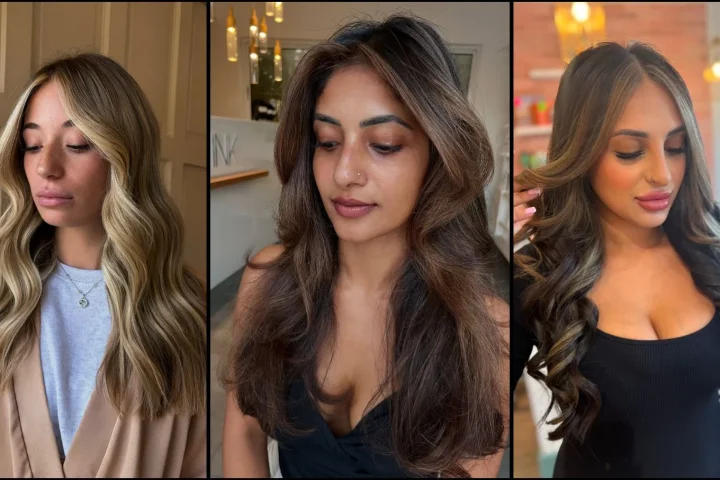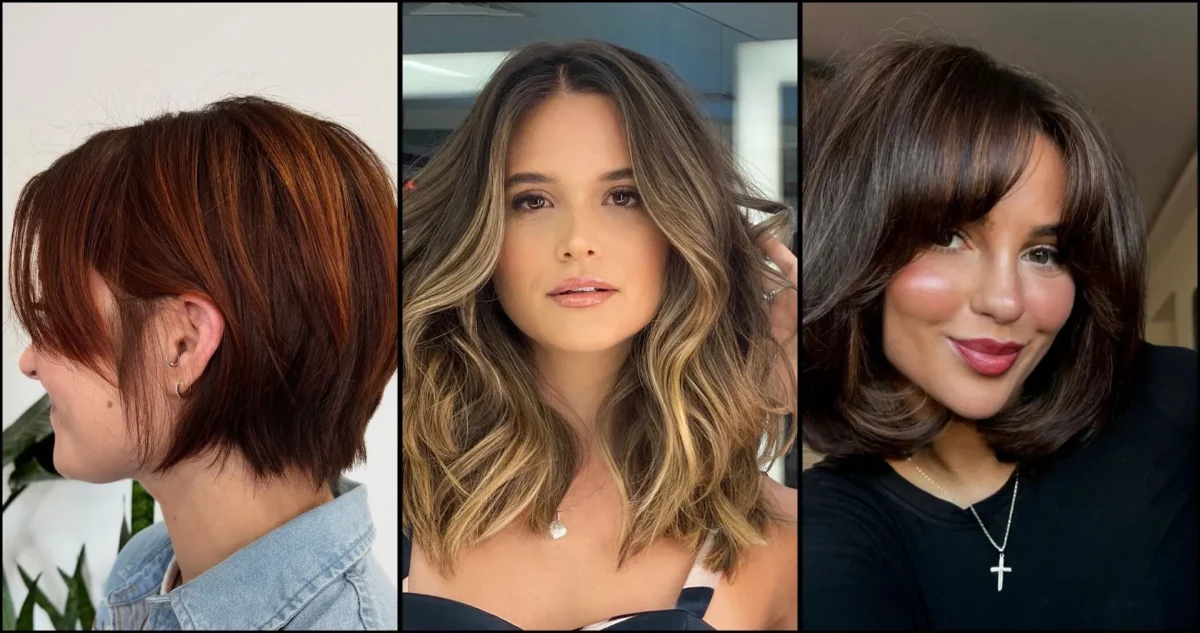
Winter hair color for short hair looks different from the same shade on long lengths. A pixie has very little room for a gradient, while a bob makes the perimeter and face-framing placement more visible. A lob gives your colorist more space to blend highlights into the ends. Short hair also shows regrowth sooner, because there is less length to hide the line where the old color meets the new, so the shade you pick should suit a maintenance routine you can actually keep. Deeper tones, such as espresso, chestnut and black cherry, look rich in winter light and need less frequent top-ups than pale blondes, while muted coppers and soft blondes can lift a short cut without looking flat. Ask your colorist which shades will fade evenly on your hair, because a color that grows out well matters more on short hair than one that looks strong on the first day.
These 30 winter hair color ideas focus on bobs, pixies, bixies, and short lobs. They include deeper brunettes, muted reds, warm blondes, and cool-toned options, with notes on placement and upkeep. For more general shade inspiration, see our winter hair color ideas and fall hair color guide.
Choose a winter color that works with your haircut
Bring photographs showing the cut from the front and side, along with your complete color history. Short cuts reveal the placement of highlights quickly, so ask where the lightest pieces will sit after your next trim. Darkening, lightening, and toning are different services with different maintenance needs. A consultation is especially important if your hair has been bleached or chemically treated.
1. Espresso Pixie With Ruby Dimension
View Instagram post by @renew_salon
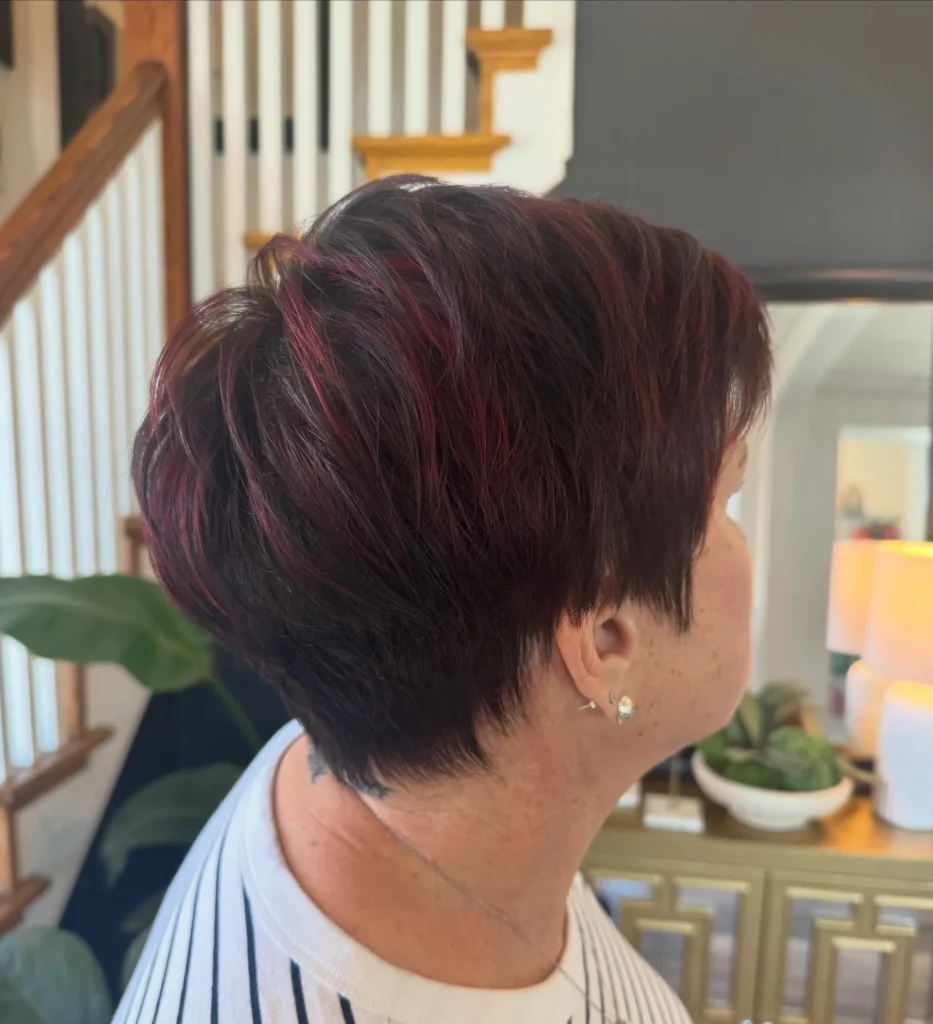
A dark espresso pixie gains subtle movement from very fine ruby highlights through the longer top layers. Ask your colorist to keep the ruby dimension narrow and away from an obvious striped pattern. On a cropped cut, even small placement changes are visible. Keeping the roots near your natural shade may soften visible regrowth. Ask how frequently the ruby highlights will need refreshing, since vivid reds can fade.
2. Glossy Black Cherry Blunt Bob

View Instagram post by @salonnaman
Black cherry combines deep red and violet undertones with a dark base. A blunt bob shows the shine clearly because the perimeter is smooth and uninterrupted. Ask for a swatch in daylight; some formulas appear almost black indoors. Red tones can fade, so discuss color-safe washing and a suitable gloss with your stylist before booking.
3. Icy Platinum Blunt Bob
View Instagram post by @hairbymaxine_x
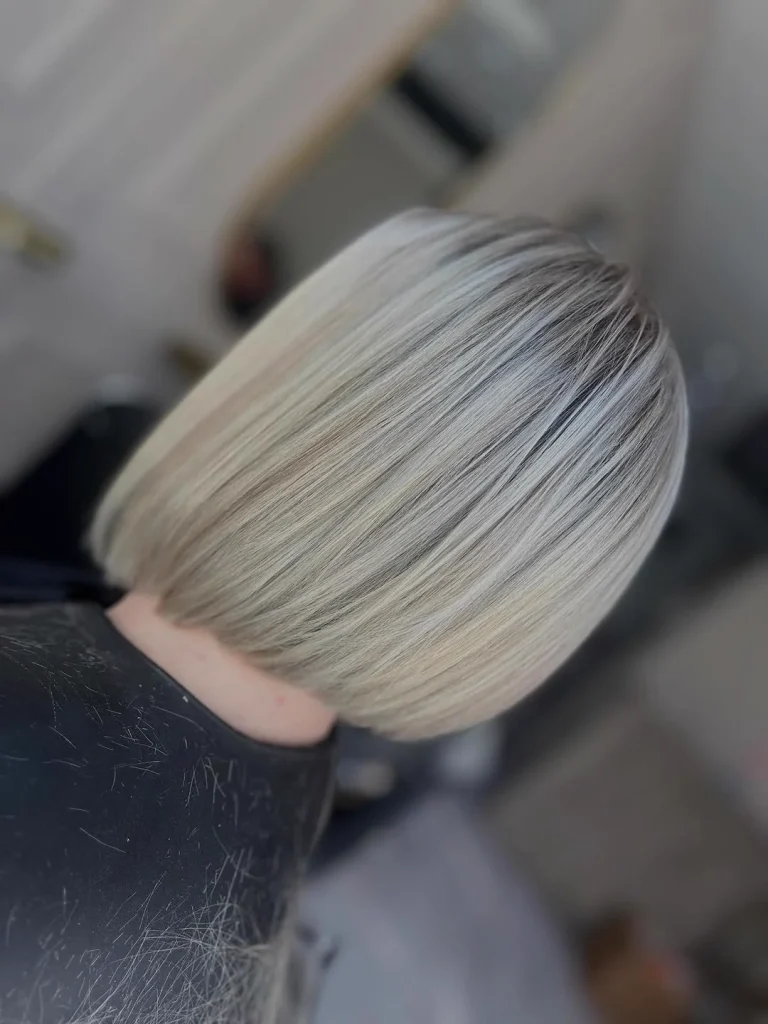
An icy platinum bob gives a sharp, cool finish to a clean one-length cut. Lightening to this level can require multiple appointments, especially on previously colored or dark hair. Ask about hair condition, regrowth, and toning before committing. A blunt shape can help the ends look fuller, but it does not prevent chemical damage from overprocessing.
4. Chestnut Red Collarbone Lob
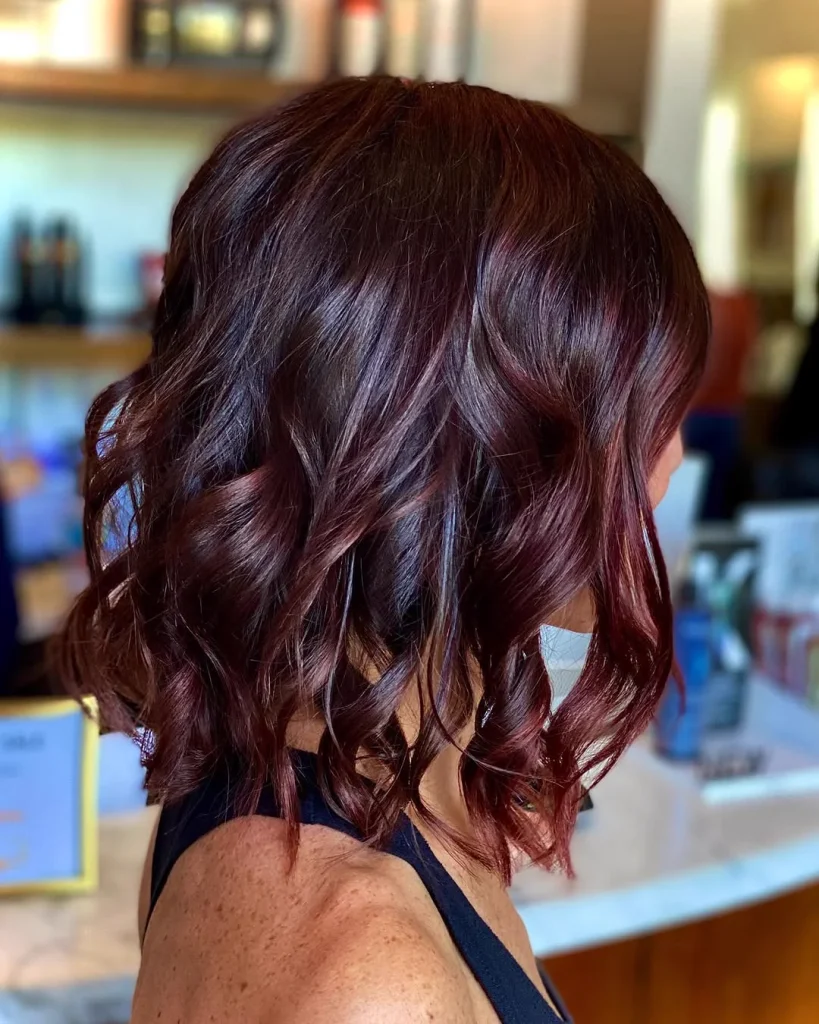
View Instagram post by @privesalon_orlando
Chestnut red mixes warm brown depth with a restrained copper-red glow. On a collarbone lob, the color shows movement through the ends without requiring dramatic highlights. Ask your colorist whether a gloss over your current base could achieve the effect or whether permanent color is needed. Warm red shades can shift between visits, so agree on a realistic maintenance plan.
5. Ash Blonde Bob With Shadow Root
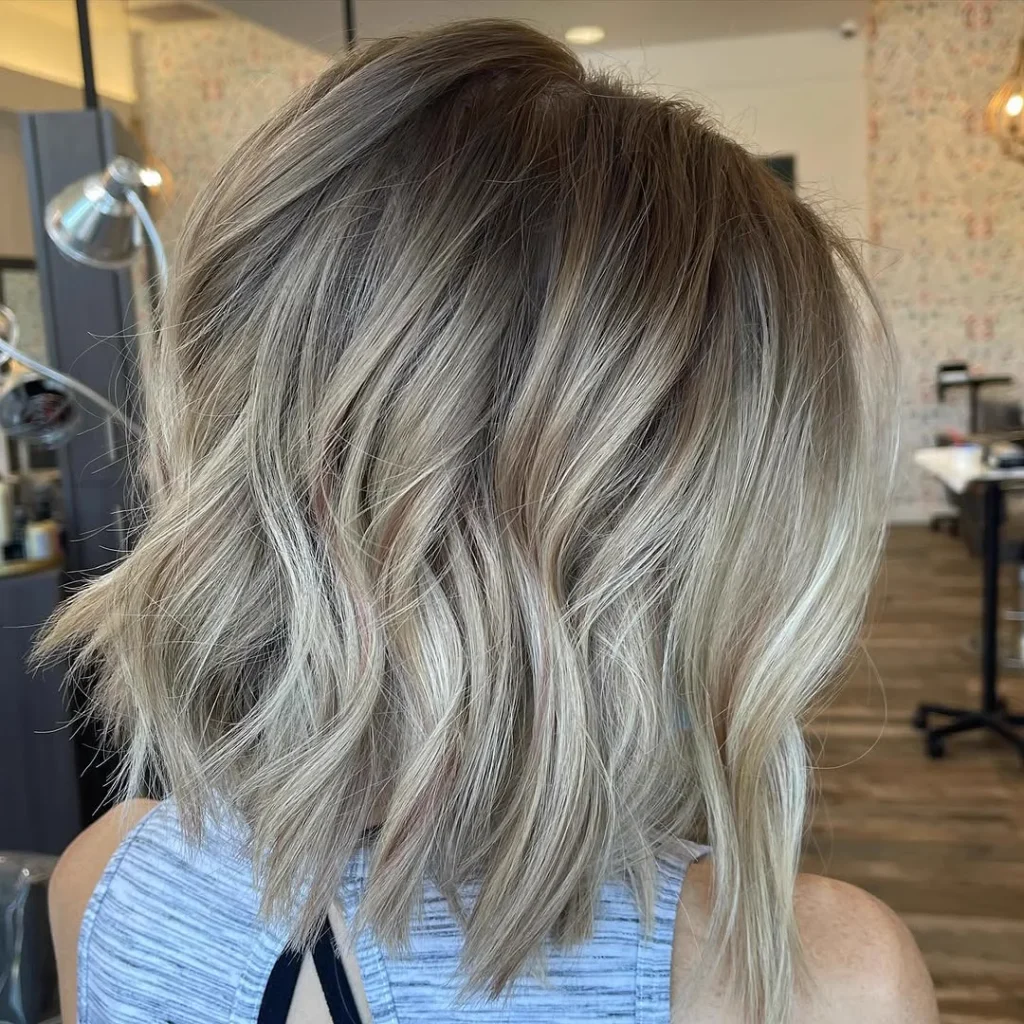
View Instagram post by @blondefaithsalon
A cool ash blonde bob with a slightly deeper root makes regrowth less abrupt than a single pale color from scalp to tip. The root should blend into the blonde instead of forming a hard horizontal band. On a chin-length bob, even a short transition is noticeable. Discuss toning and whether your hair lifts cleanly enough to reach the desired ash.
6. Buttered Almond Beige Pixie
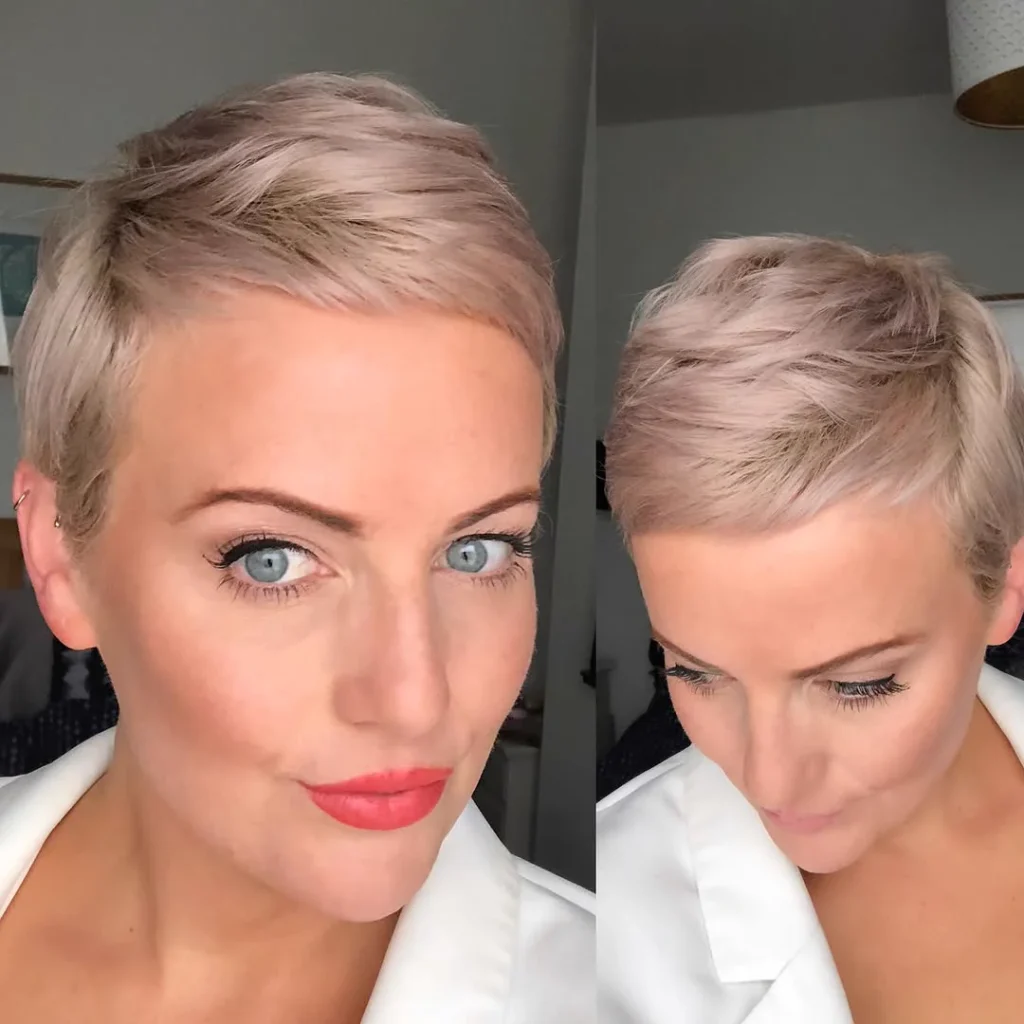
View Instagram post by @shorthairforlife
A warm beige blonde with a soft almond cast adds dimension to a textured pixie. Keep the lightest pieces on the longer top section so the color follows the cut. Ask for a tone that looks creamy in daylight rather than brassy orange. A cropped haircut may need regular trims, which can change the highlighted placement more quickly than on long hair.
7. Almost-Black Brunette French Bob
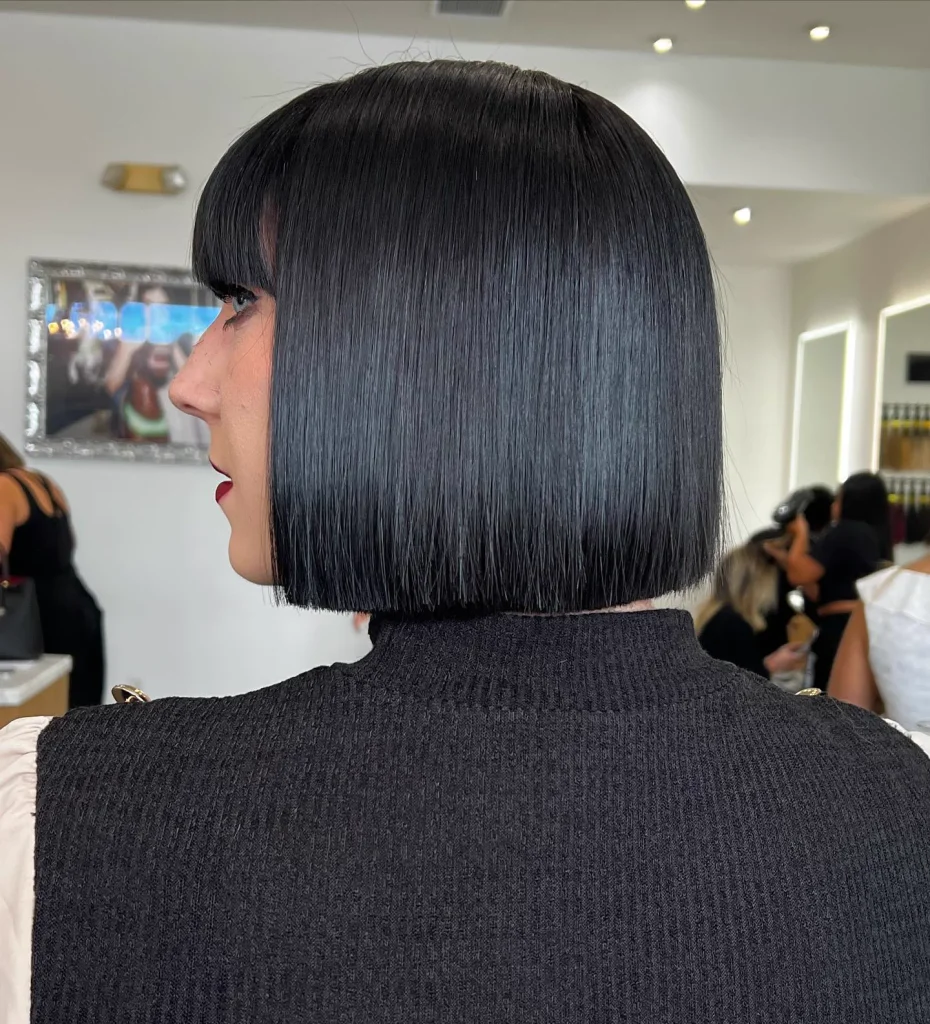
View Instagram post by @privesalon_orlando
A nearly black brunette looks polished on a jaw-length French bob with soft fringe. Choose a shade with visible brown depth rather than flat blue-black if you want a softer winter finish. A clear gloss can add shine without necessarily changing the pigment. Be cautious about applying very dark permanent color if you may want to go lighter soon.
8. Mushroom Brown Messy Bob

View Instagram post by @hairbyjessilee
Mushroom brown uses cool brown and taupe tones that suit a textured messy bob. Subtle dimension helps the waves show without high-contrast stripes. Ask your stylist to assess existing warmth before promising a cool result, because some hair needs additional color correction. Darker roots make the transition easier to wear as the bob grows.
9. Smoky Mocha Layered Bob
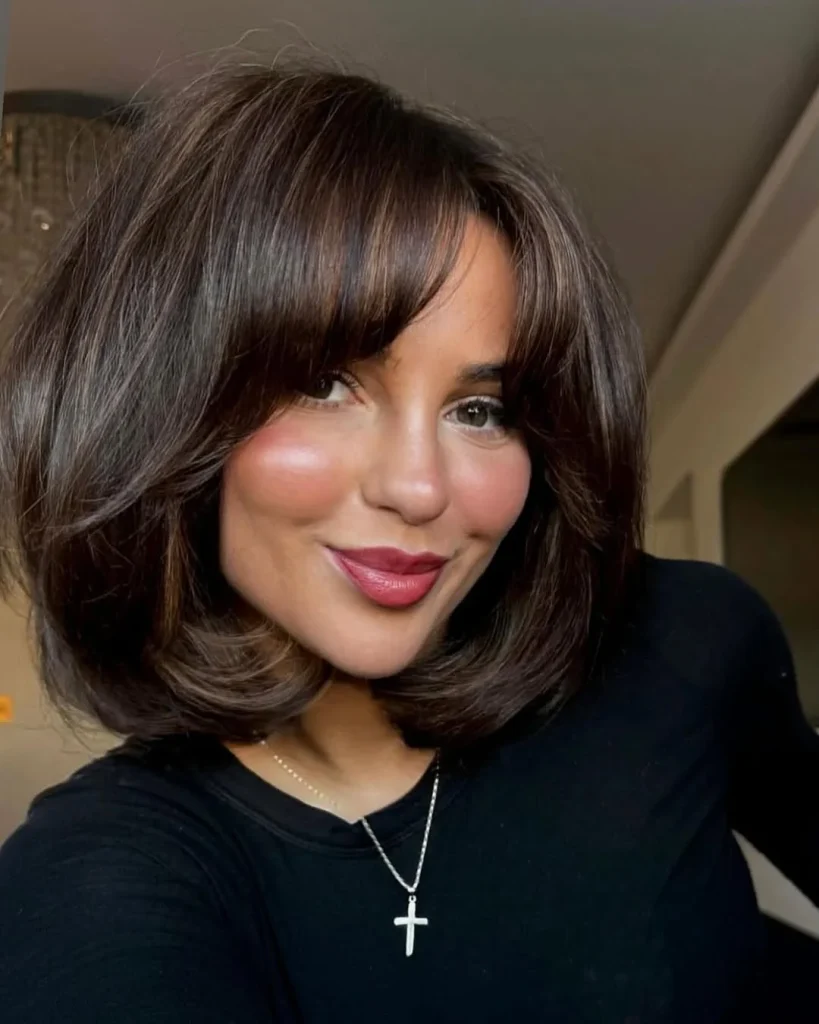
View Instagram post by @florenceneilson
Smoky mocha combines medium brown with a slightly cool, muted finish. On a layered bob, a few lighter ribbons around the face can reveal movement. Keep the contrast low if you want an understated winter change. Ask for the formula to be checked in natural light; cool brown can sometimes appear gray under indoor lighting.
10. Soft Copper-Brown Bixie
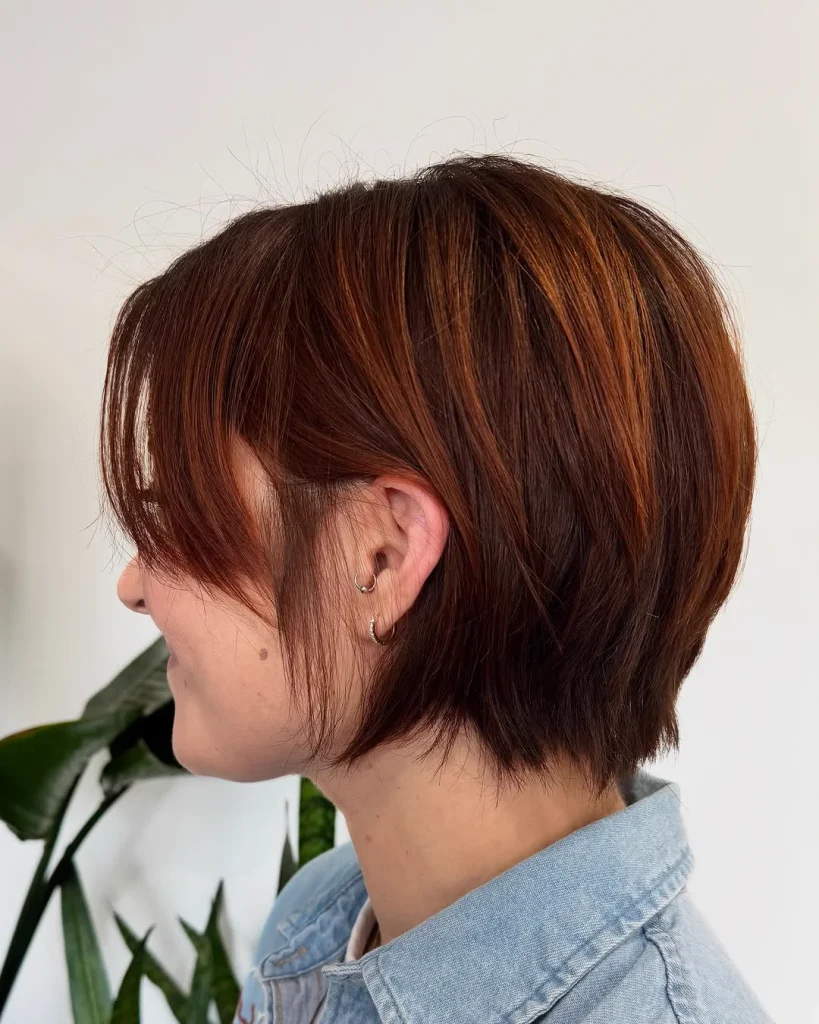
View Instagram post by @tressedbysteph
A bixie sits between a pixie and bob, making copper-brown color visible around the fringe and side layers. Choose a muted copper with brown depth rather than a vivid orange if you prefer a softer winter look. Discuss how the tone will fade on your current base. Color placement should follow the longer pieces rather than disappear into the cropped nape.
11. Deep Auburn Wavy Bob
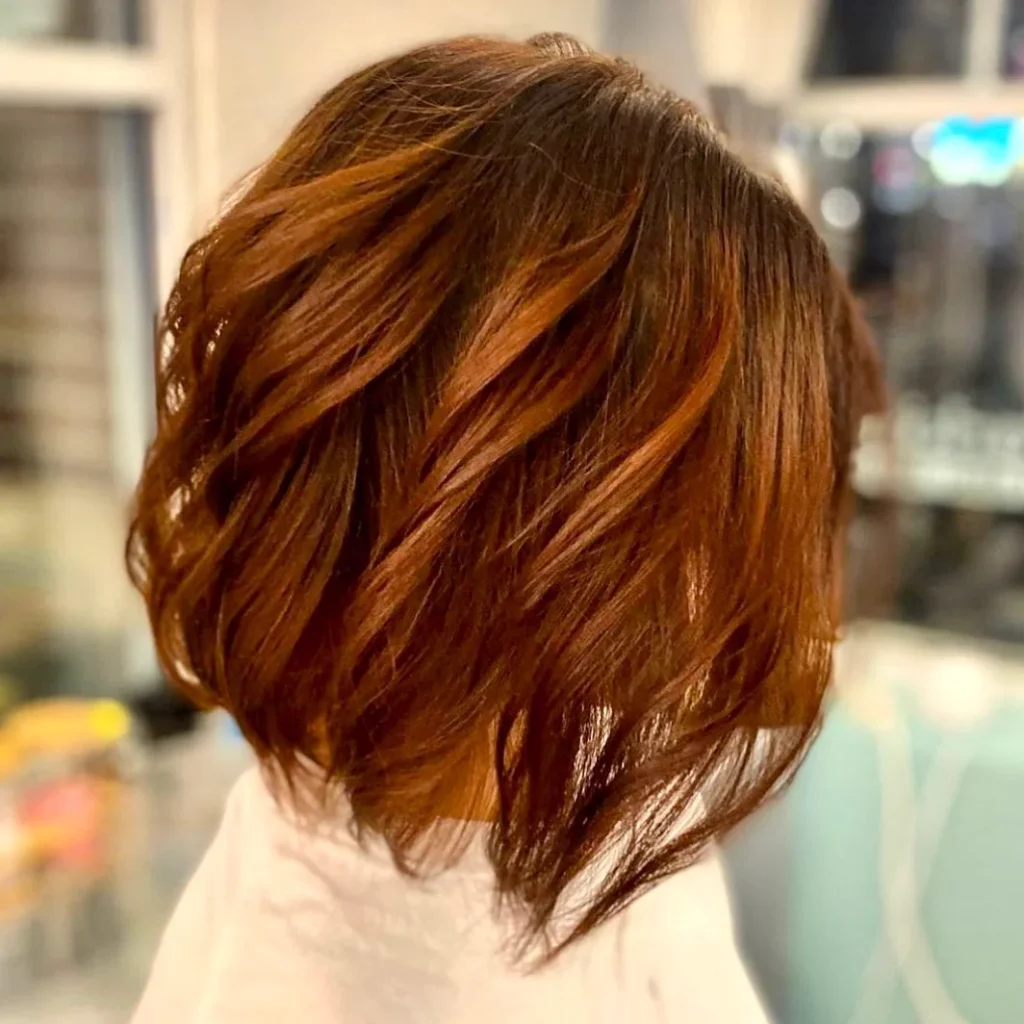
View Instagram post by @revolversalondenver
Deep auburn adds warm red-brown richness to a wavy bob. The natural bends create shifting highlights even when the color is mostly solid. Ask whether your hair history will allow an even auburn result, particularly if old lightening remains in the ends. A compatible color-care routine can help preserve the warmth between salon visits.
12. Vanilla Blonde Tapered Pixie
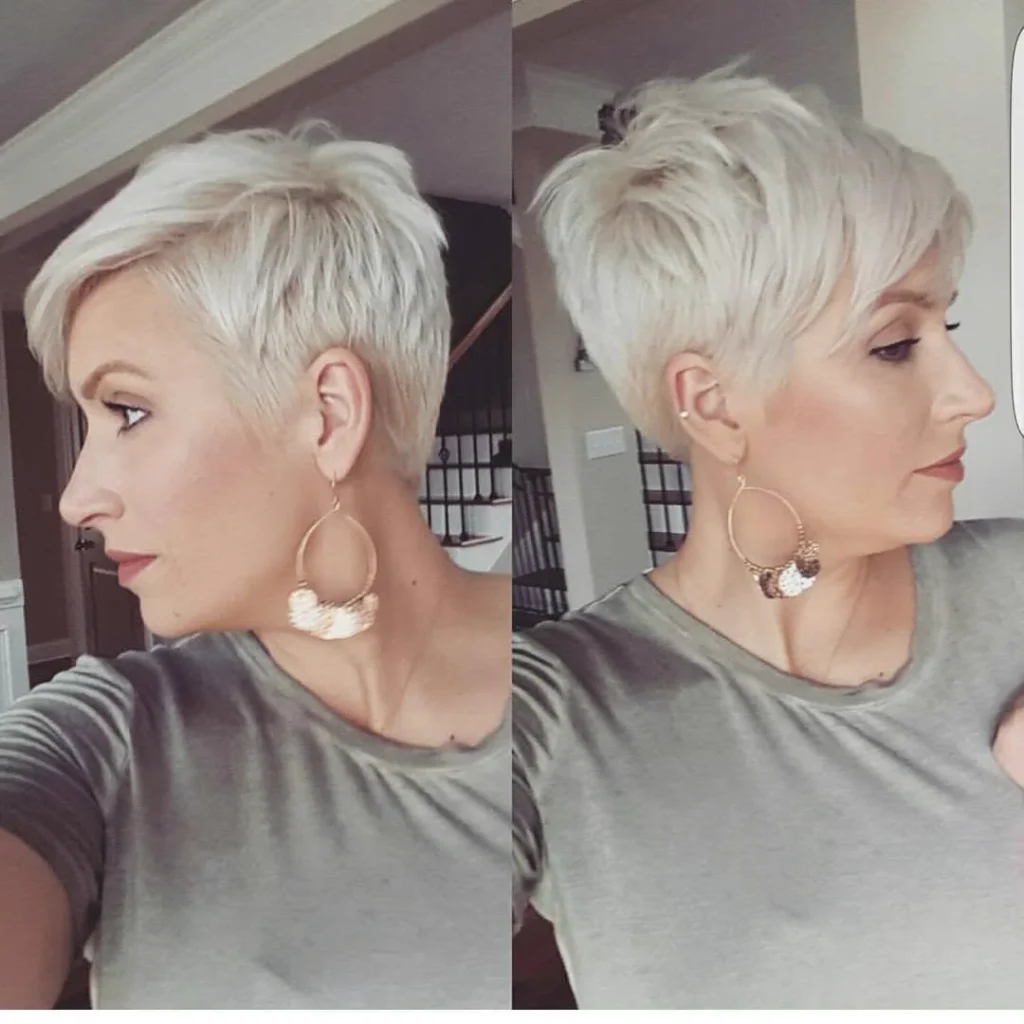
View Instagram post by @jessica.m.adkins
A soft vanilla blonde gives a cropped pixie a creamy, warm-neutral look. Leave some depth at the root or nape if you want the cut to appear more dimensional. Because the hair is short, regrowth can become noticeable quickly. Ask your colorist how the shade will look after a few weeks and whether a toner refresh is realistic for your schedule.
13. Cocoa Brown Bob With Caramel Face Frame
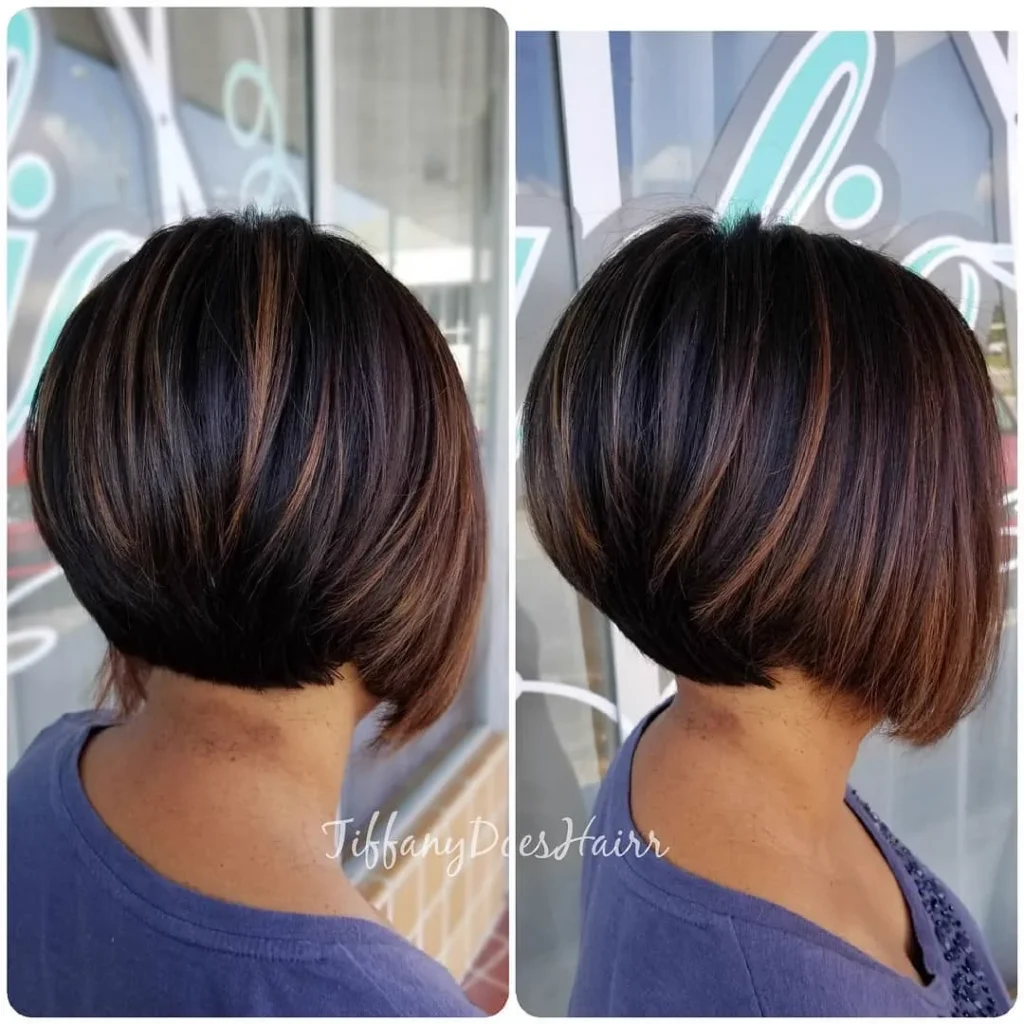
View Instagram post by @tiffanydoeshairr
A chocolate-cocoa bob gets a small lift from caramel pieces around the face. Keep the highlights narrow so the haircut remains predominantly brunette. The face-framing placement is especially visible when you tuck the bob behind an ear. Ask about the starting level and whether the caramel can be achieved without aggressive lightening.
14. Soft Pewter Silver Crop
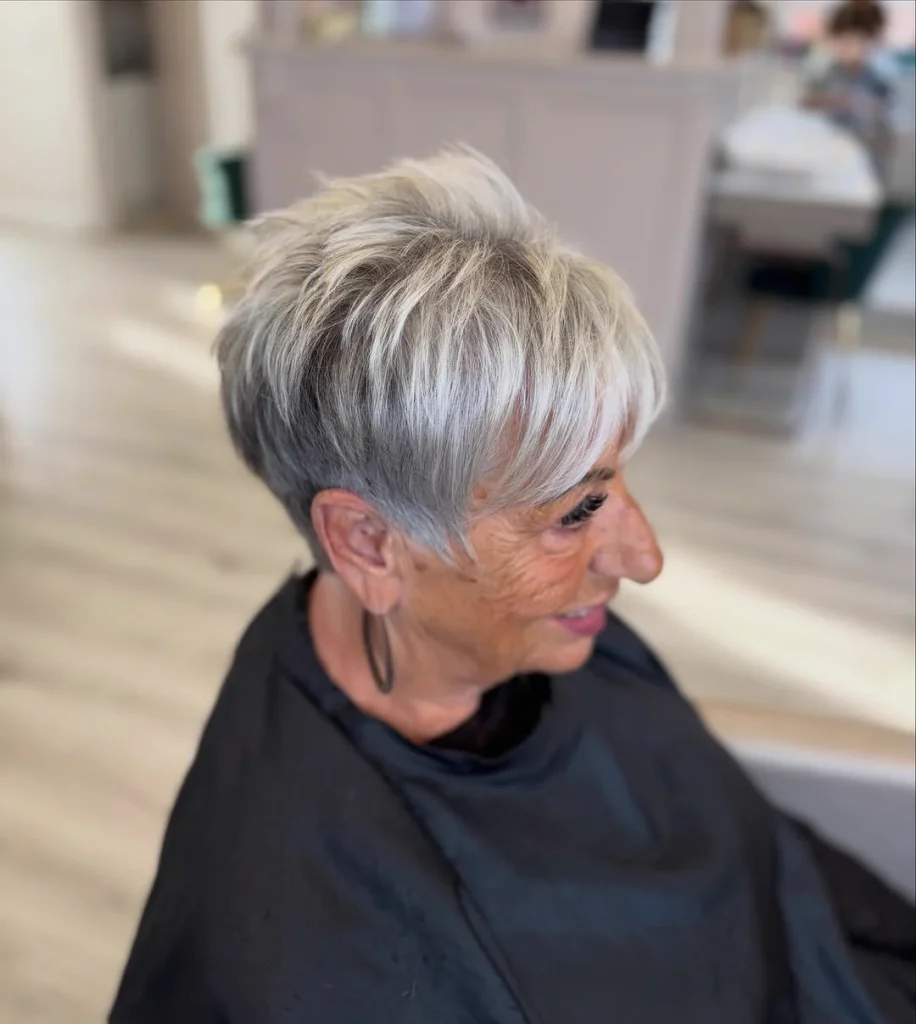
View Instagram post by @keely_colourspecialist
A cool pewter-silver tone can emphasize the texture of a short crop. If you already have natural gray, a gloss or toner may be enough to adjust the finish; dark hair may need substantial lightening. Ask about porosity and condition before chasing a uniform silver. Keep the cut’s longer pieces softly textured so the tone does not look flat.
15. Honey Bronde Textured Lob
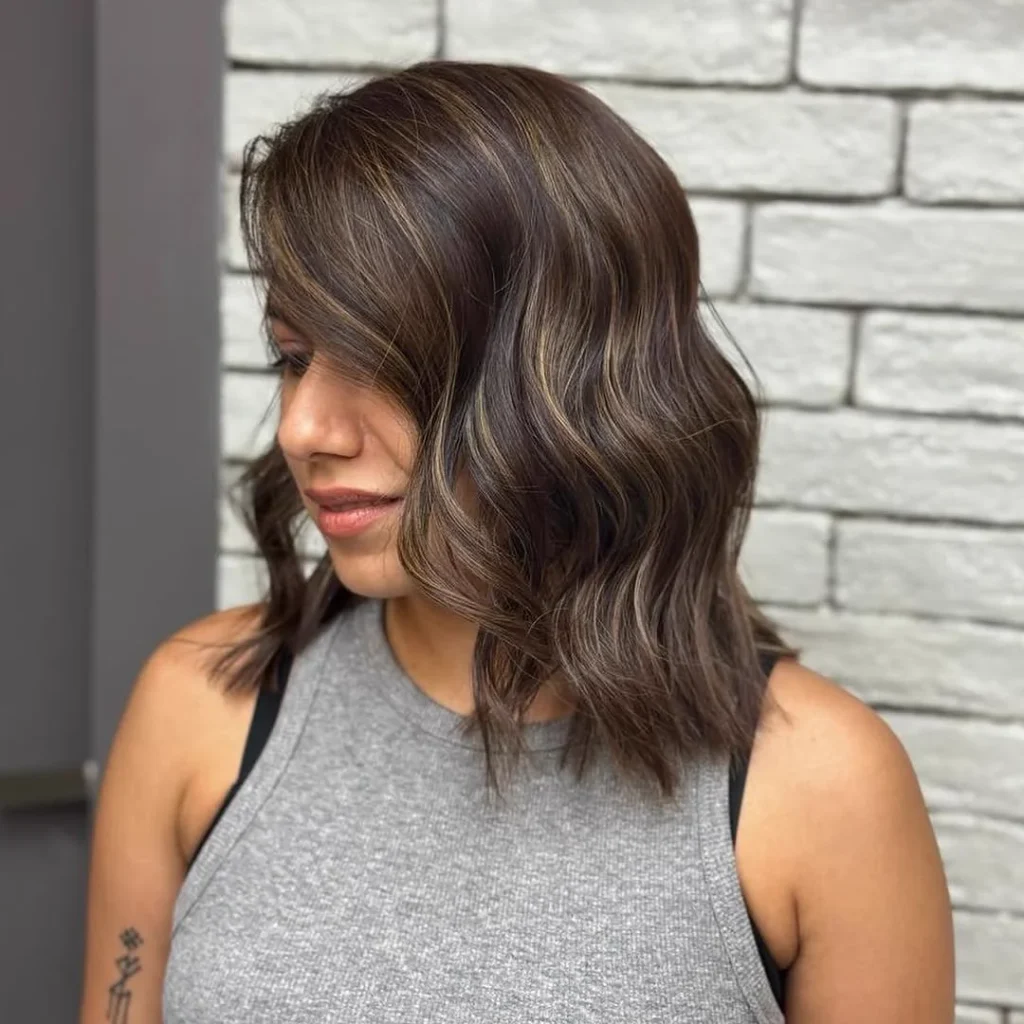
View Instagram post by @salon_muah
Honey bronde sits between brown and blonde, with warm highlights through a darker base. On a textured lob, the lighter pieces can follow the bends around the face. Ask for a blended transition rather than bright horizontal bands. This is a useful option if you want visible dimension while keeping much of your natural brunette depth.
16. Mulberry Brown Chin-Length Bob
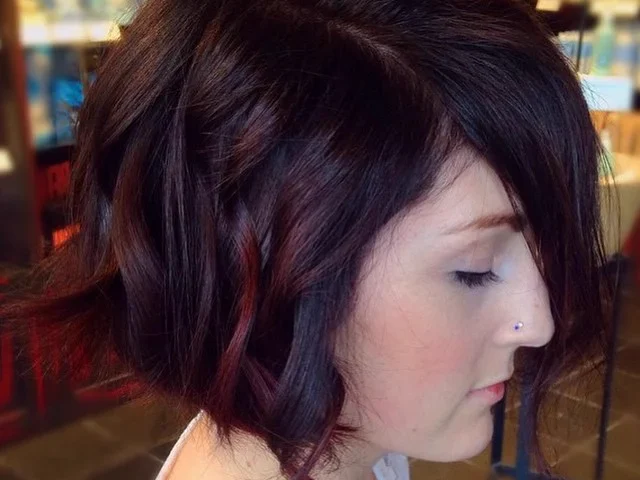
View Instagram post by @redbloomsalon
Mulberry brown is a muted berry-brown that can appear plum in bright light. A smooth chin-length bob shows the undertone more clearly than a heavily textured cut. Ask for a swatch because the shade can range from red-brown to purple-brown. Color maintenance depends on the product and your existing base, so discuss fading before committing.
17. Cool Walnut Brown Pixie
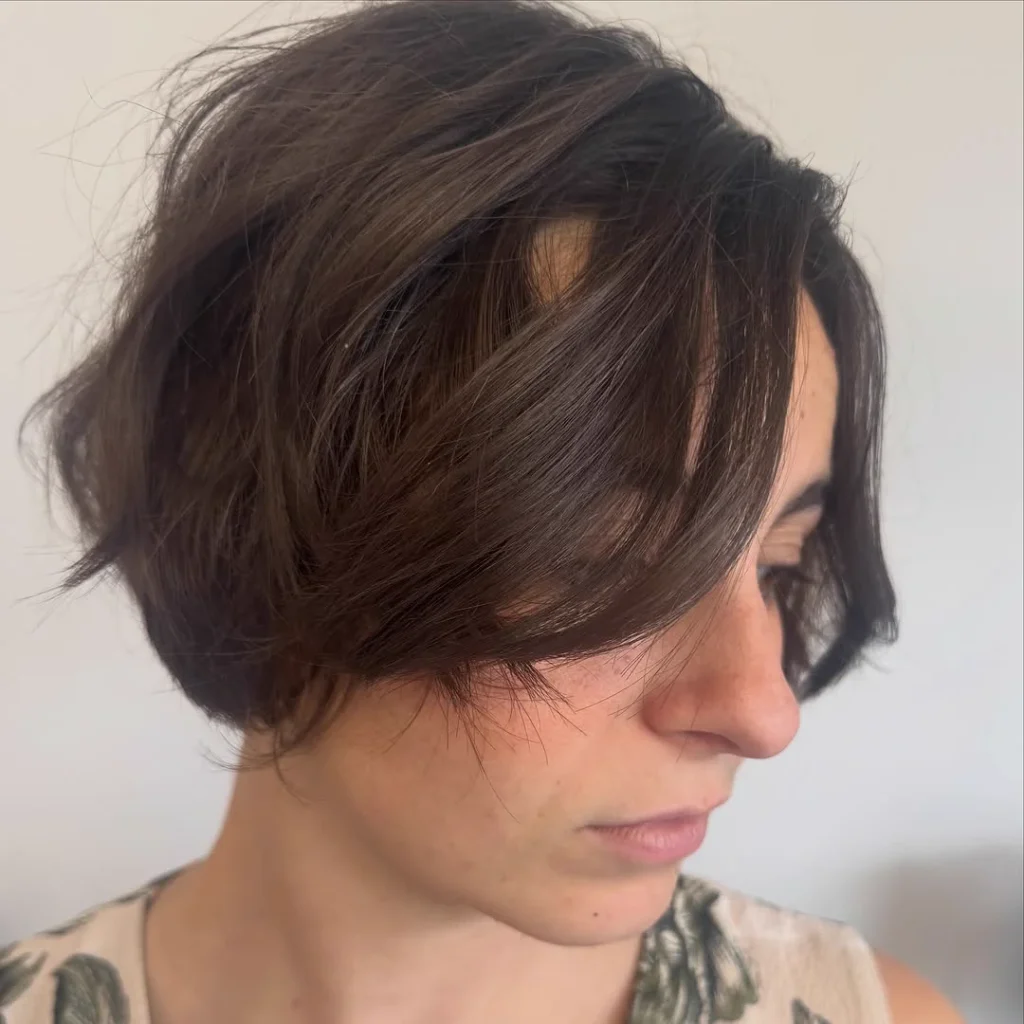
View Instagram post by @salon700barrington
Cool walnut is a medium-dark brunette with a restrained ash cast. It works well on a pixie with a longer side fringe because the shape stays defined without high-contrast highlights. A gentle gloss may be enough for some existing brown shades. Avoid assuming a cool formula will neutralize every warm undertone without a consultation.
18. Bronze Balayage on a Short Lob
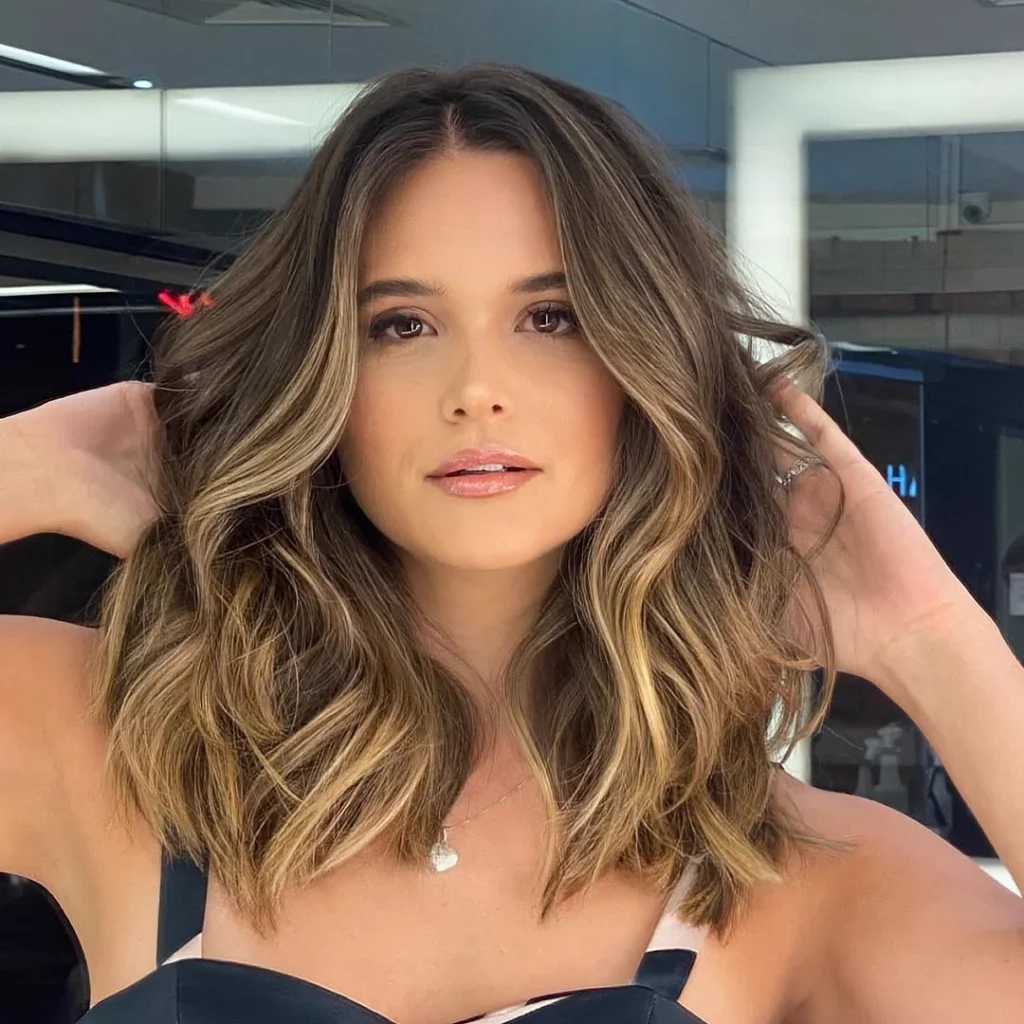
View Instagram post by @andersonacouto
Bronze balayage adds warm metallic-looking dimension through the ends of a lob. On short hair, placement needs care because there is less length for a long gradient. Ask the colorist to start the lightening where it will show on your haircut rather than copying a long-hair photo. A shadowed root can help the transition remain soft.
19. Pearl Beige Blonde Long Bob
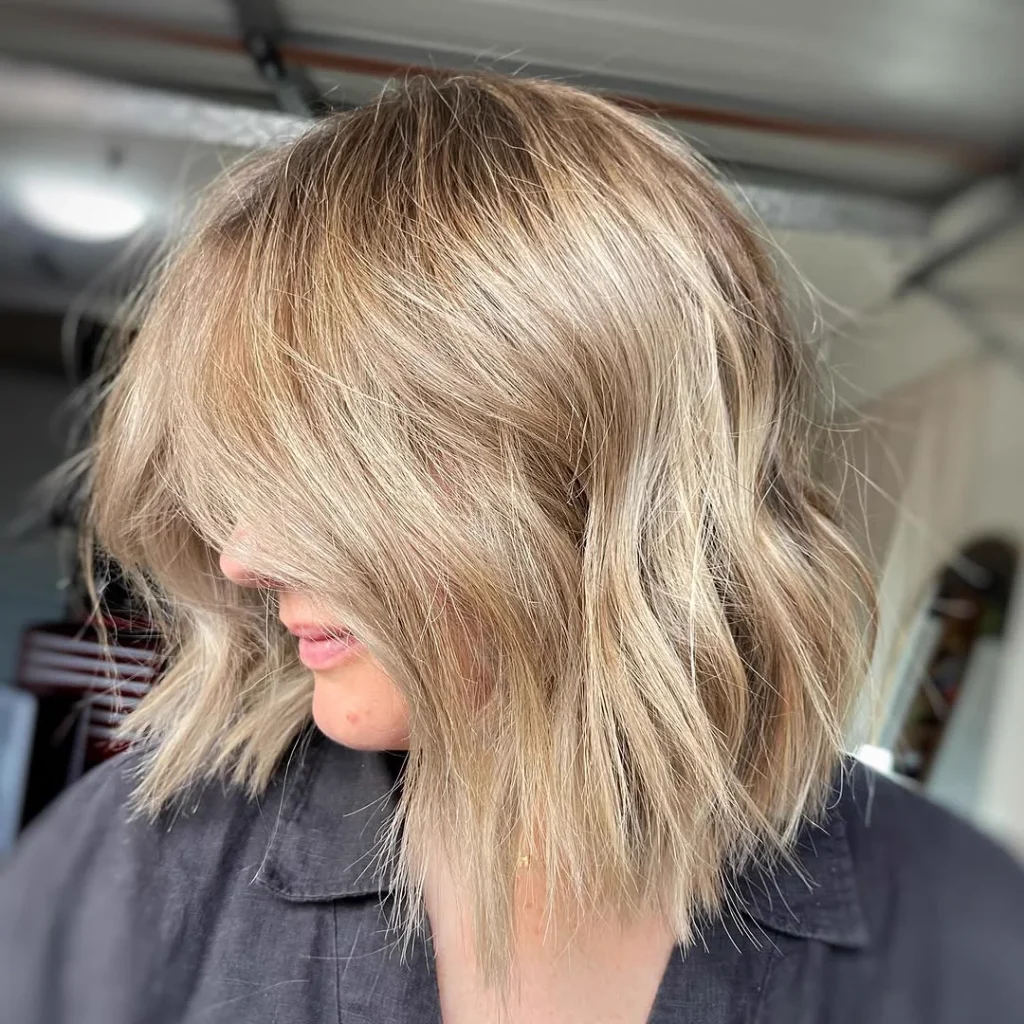
View Instagram post by @lenas_hairlounge
Pearl beige blends creamy blonde with a slight cool reflection. On a long bob, the tone complements a soft fringe and rounded ends. Ask for enough warmth that the result does not look flat gray under indoor lighting. If the hair is previously lightened, a toner may adjust the shade, but your colorist should assess its condition first.
20. Dark Cinnamon Brown Curly Bob
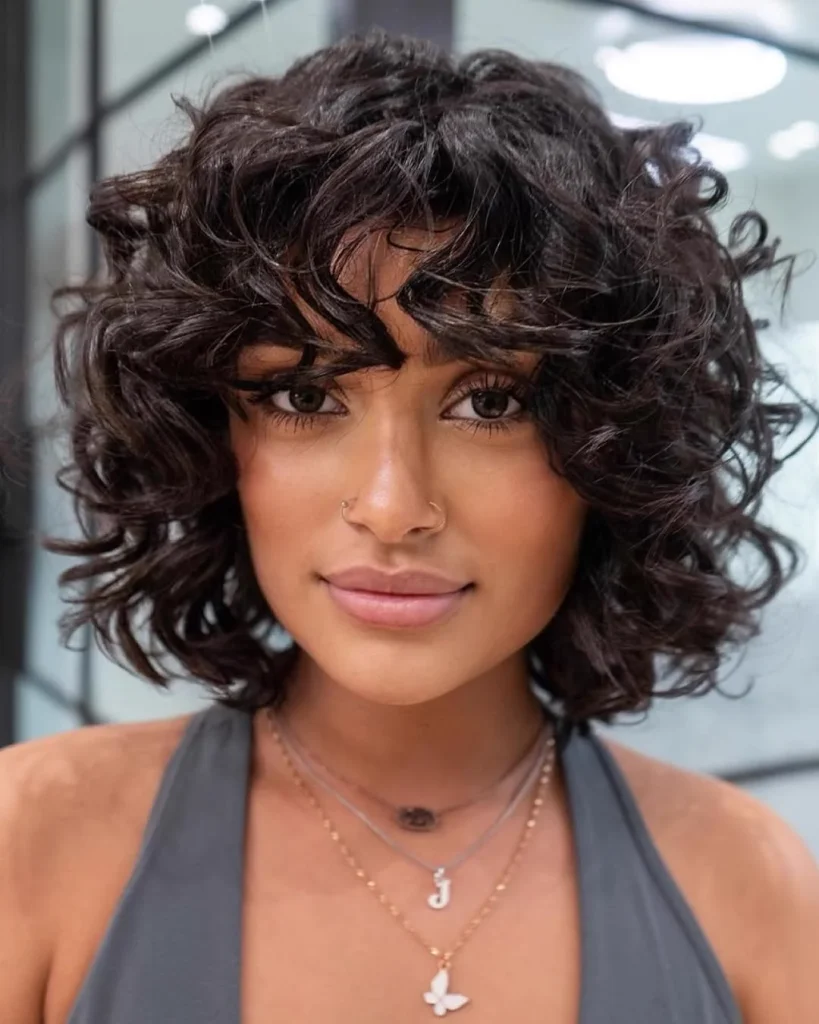
View Instagram post by @ronkingbeauty
Cinnamon brown adds warm reddish highlights to a deeper brown base. On curls, subtle color differences can help individual sections stand out without a strong balayage. Ask for placement that respects shrinkage and the way curls fall when dry. Keep the colorist informed about any prior chemical treatments, and use care products suited to your curl pattern.
21. Smoky Rose Brown Short Waves
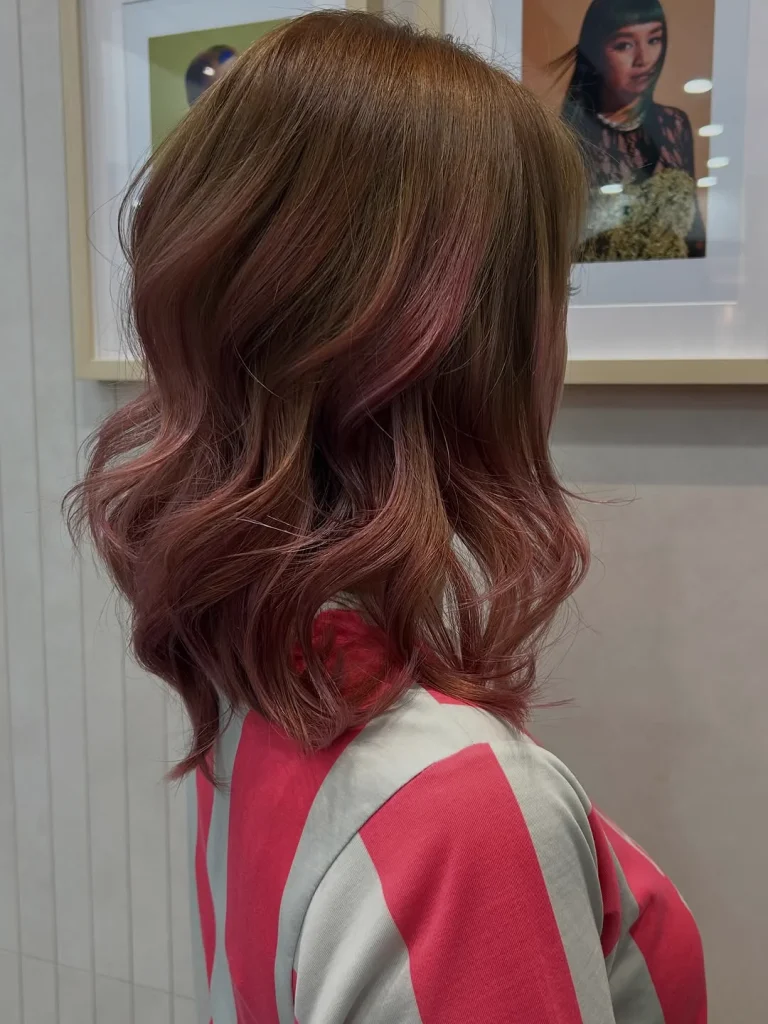
View Instagram post by @nkhairworks
A dusty rose-brown creates a soft pink cast over a brunette or light brown base, depending on the formula. Short waves show the shifting tone as they move. Ask for a muted finish if you want something wearable at work. Pink pigments may fade differently from the brown base, so discuss how the color will look between appointments.
22. Golden Chestnut A-Line Bob
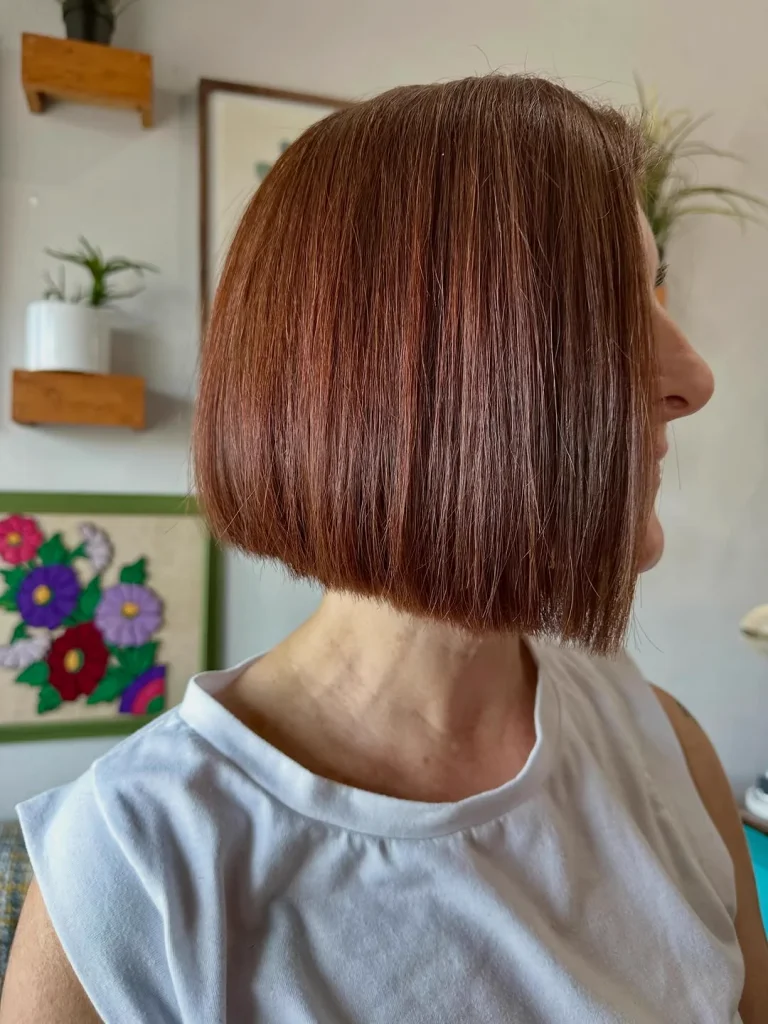
View Instagram post by @licensed2create80
Golden chestnut gives a warm glow to an A-line bob that is slightly longer at the front. Fine highlights near the face can accentuate the angle without changing the overall depth. Keep the back a little darker if you want a natural-looking gradient. Ask the stylist to coordinate the cut and color placement so the front sections remain balanced.
23. Ash Brown Mini Bob
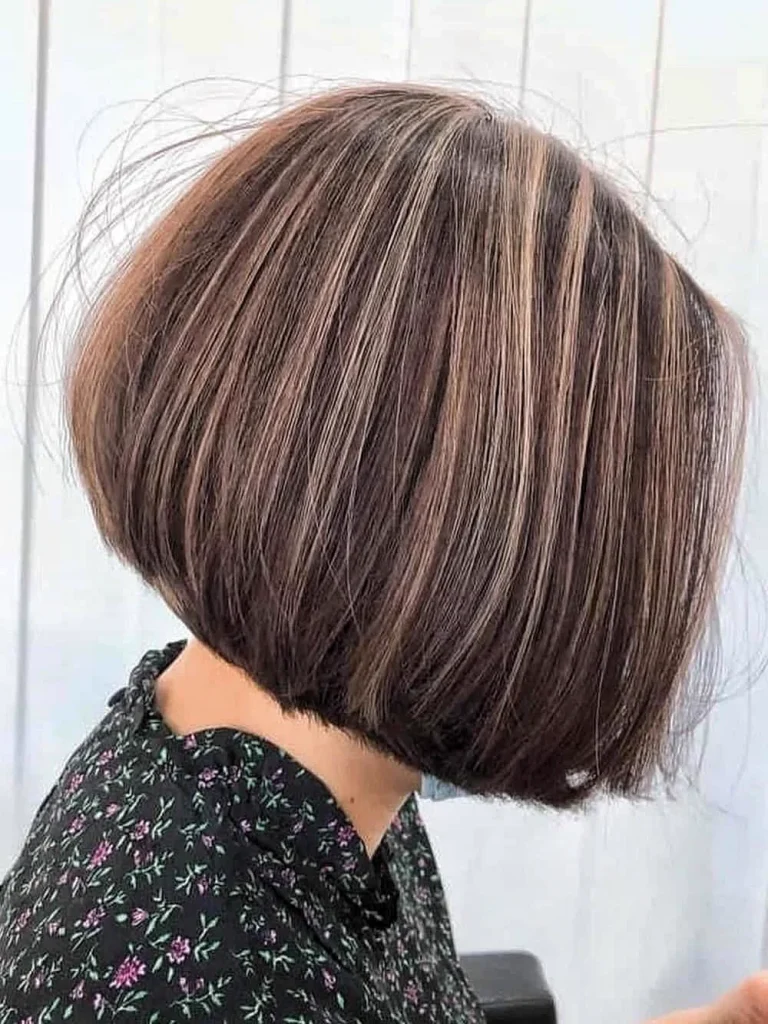
View Instagram post by @hecktors_salon
A mini bob ending near the jaw can carry a smooth ash-brown shade with minimal highlights. The color reads cool and clean, but it needs to be chosen against your starting pigment. Ask whether a demi-permanent gloss is suitable or whether previous color requires correction. A neat perimeter keeps the understated tone intentional.
24. Copper Penny Short Bob
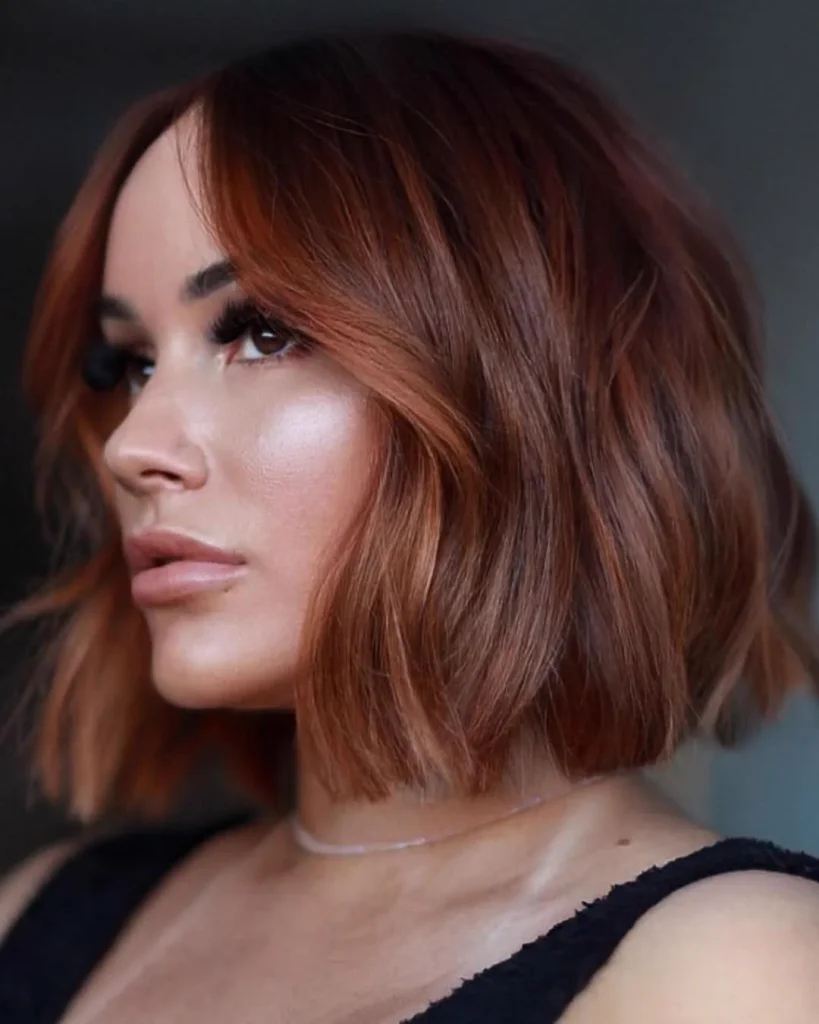
View Instagram post by @hairpainters
Copper penny is a brighter warm copper that shows strongly on a short bob. If you want a winter version, choose slightly deeper roots or a brown-copper base rather than a uniformly bright orange. Red-copper tones can fade, so ask about the likely maintenance. Keep the cut simple if you want the color to be the focal point.
25. Espresso and Hazelnut Money Piece
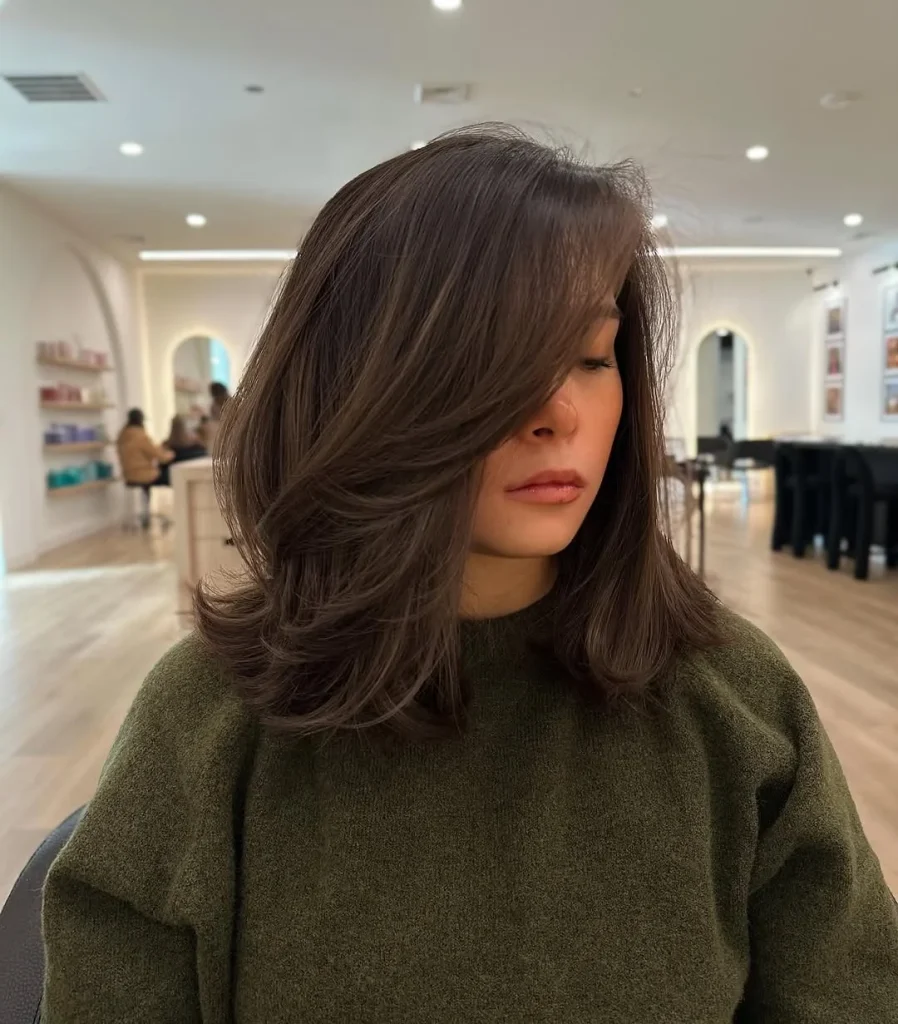
View Instagram post by @hannahggbeauty
A deep espresso lob with narrow hazelnut face-framing highlights adds light near the eyes while leaving most hair dark. The money piece should be sized to the haircut; very thick front stripes can dominate a short bob. Ask for a soft root blend and check how the highlight looks when the hair is tucked behind the ear.
26. Deep Burgundy Pixie
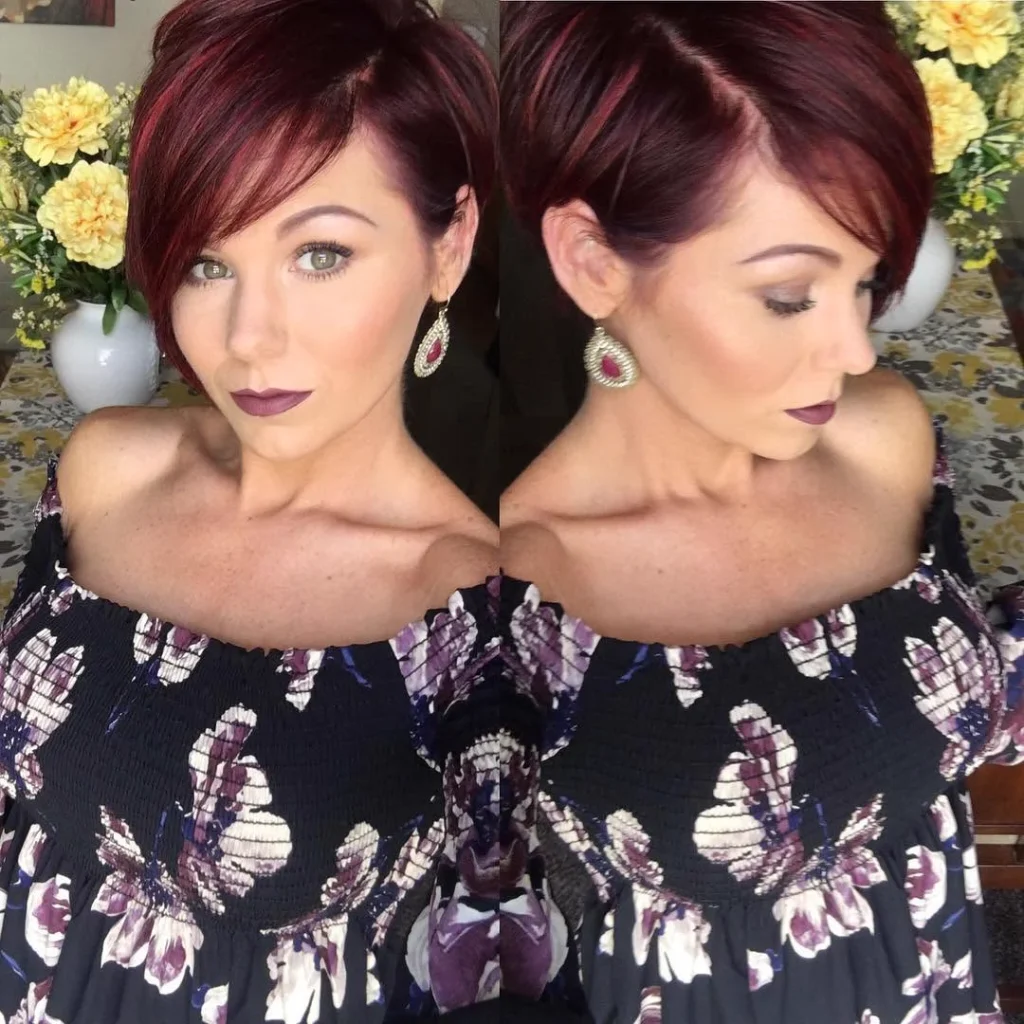
View Instagram post by @bonnie_elise05
Deep burgundy mixes red and violet undertones, creating depth on a textured pixie. Keep the color concentrated through the longer top and fringe if you want the cut’s movement to show. Ask for a rich burgundy that stays deep and saturated in normal light. Discuss whether the red tone will need a gloss refresh as it fades.
27. Champagne Blonde Layered Lob

View Instagram post by @hairwithpayton
Champagne blonde is a warm-neutral light blonde that looks soft through the layers of a lob. A blended root can make regrowth less stark, particularly if your natural color is darker. Ask for fine highlights rather than thick streaks if you want an even finish. Lightened ends may need extra conditioning, especially during dry winter weather.
28. Soft Graphite Gray Pixie
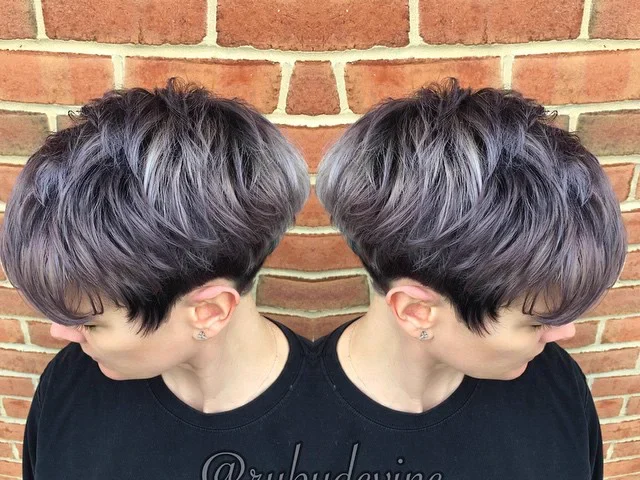
View Instagram post by @rubydevine
A graphite-gray tone gives a pixie a cool, smoky finish without going fully silver-white. The exact result depends on how light the hair can safely become. Ask your colorist whether the shade is realistic on your current base and whether it will require frequent toning. Short texture on top can keep the dark gray from looking flat.
29. Warm Maple Brown Wavy Lob
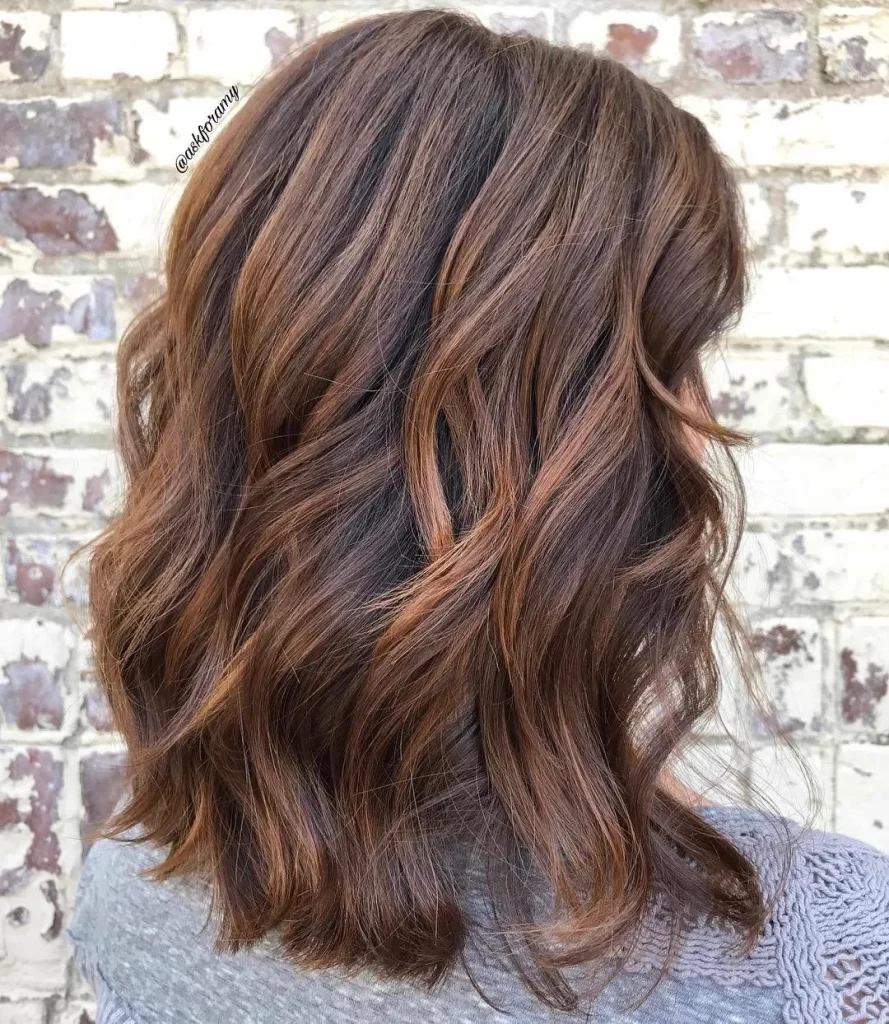
View Instagram post by @askforamy
Maple brown is a medium warm brunette with a gentle golden-red cast. On a wavy lob, the shade catches light across the bends without obvious highlights. Ask for a gloss or color service that matches your current depth and desired warmth. A warm brown is often easier to live with than a high-contrast blonde, though maintenance still depends on your hair history.
30. Dark Beige Bronde Bob
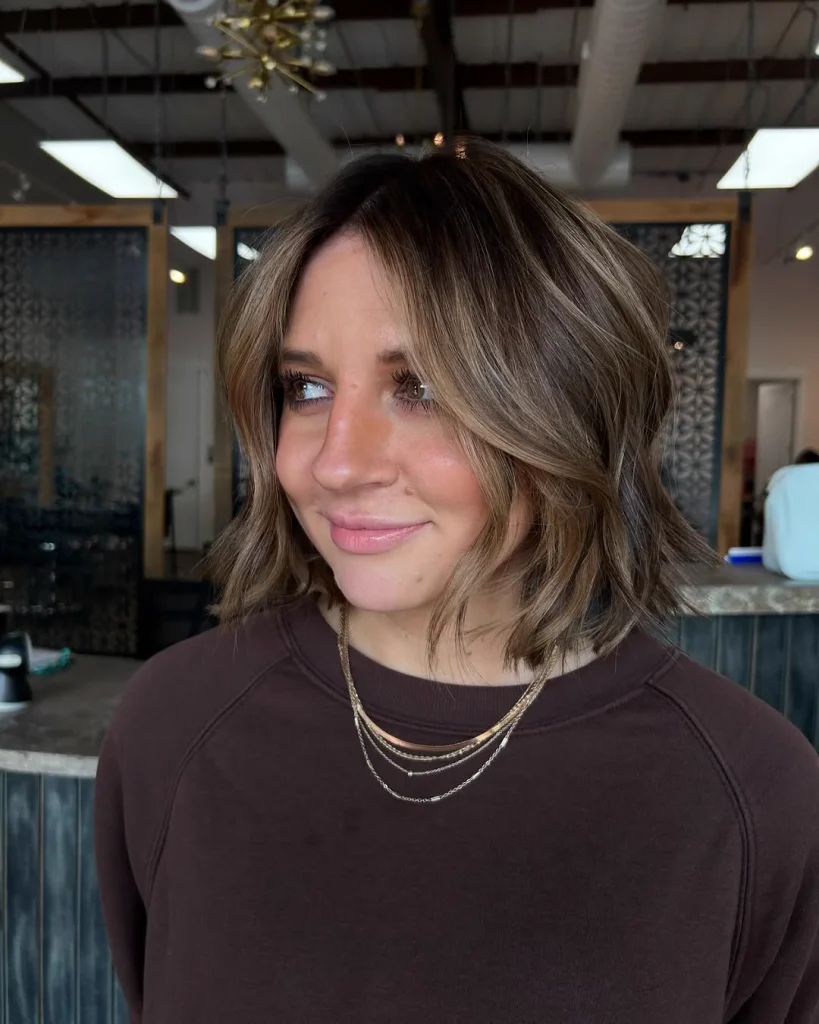
View Instagram post by @lydiapowershair
A dark beige bronde sits between cool brown and muted blonde, making it useful for a short bob with subtle dimension. Ask for fine, blended pieces rather than a dramatic light-to-dark transition. The final shade should be checked in daylight to ensure it does not look overly gray. A root close to your natural tone can make grow-out less abrupt.
Maintaining color on short hair
A short cut can lose its highlight placement as it is trimmed, while pale blondes may need toner and root upkeep. Use washing and conditioning products recommended for your color service, protect hair from excessive heat, and discuss a realistic refresh schedule with your colorist. If hair feels fragile after lightening, prioritize condition before another color change.
Frequently asked questions
What winter hair color looks good on a short bob?
Espresso, chestnut, mushroom brown, beige bronde, and muted copper are all options. The best choice depends on your existing color and the contrast you want.
Can a pixie haircut have balayage?
Yes, but short hair leaves less room for a gradual transition. Fine highlights or strategically placed lighter pieces may be more practical than a long-hair balayage reference.
Is platinum blonde high maintenance on short hair?
It can be. Regrowth, toning, and hair condition all matter, and the starting color affects how much lightening is required.
Which winter colors fade the least on short hair?
Deeper shades, such as espresso, chestnut and black cherry, usually hold their tone longer than pale blondes or vivid coppers, because they need less lightening underneath. A color-safe shampoo and a weekly mask will slow fading further. Short hair helps here too, since the old color is trimmed away faster than on long hair.
Is it better to go darker or lighter for winter on short hair?
Most people go a little darker in winter, because deeper shades look rich in low light and need fewer top-ups than pale blondes. If you prefer light hair, a soft beige or a muted blonde with a deeper root will grow out more gracefully than a single pale color. Your skin tone and how often you want appointments should decide it more than the season alone.