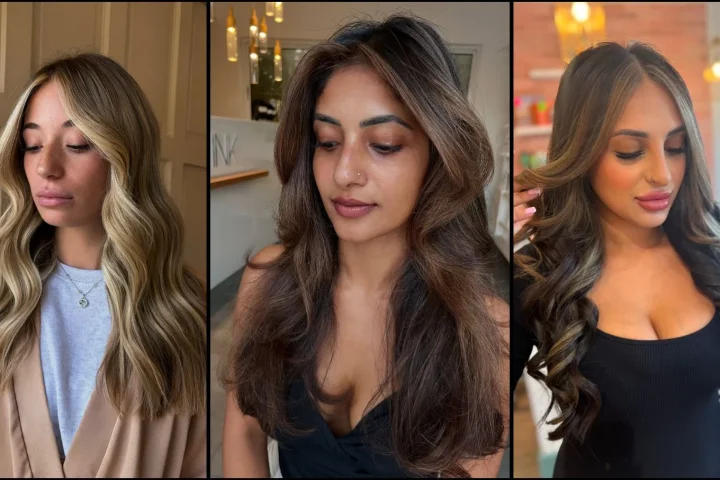
Auburn is a red-brown hair color, but the balance between red and brown makes an enormous difference. A soft auburn can look almost chestnut indoors, while a deeper shade may reveal red only in sunlight. Lighter versions bring in copper warmth without becoming bright orange.
These 34 auburn hair color ideas focus on red-brown depth, not a collection of ginger-orange or purple burgundy shades. They cover softly warm color, deeper brunette bases, highlights, balayage, short and long cuts, and curly and coily textures. Use the descriptions to decide where you want the warmth, how much contrast you prefer and what you are prepared to maintain.
What is auburn hair color?
Auburn sits in the red-brown family. Light auburn can have a copper-kissed quality, medium auburn often resembles warm chestnut, and dark auburn may look almost brunette until sunlight reveals the red. It is different from bright orange copper and from violet-toned burgundy. If you are choosing between them, compare swatches against your natural hair and ask to see the shade outdoors. The name on a dye box alone is not a reliable picture of how it will appear over your starting color.
Which shade should you ask for?
Decide first whether you want a natural-looking brunette with red warmth, a noticeable red-brown or a lighter, copper-kissed result. Then choose between all-over color, fine highlights, balayage or a gloss. The existing base matters: very dark hair may need selective lightening for visible auburn, while previously colored blondes may absorb warmth unevenly. A colorist can also account for gray coverage, texture and strand condition.
Skin tone suggestions are starting points rather than restrictions. A muted chestnut auburn can look soft on cooler complexions, while cinnamon and golden auburn bring warmth. Deep auburn provides contrast on many skin tones. If you are unsure, ask to see several swatches near your face in natural light before choosing. Remember that a salon photograph may use warmer lighting or editing than you see every day.
1. Soft cinnamon auburn long layers

View Instagram post by @brushed.byjess
Soft cinnamon auburn reads primarily brown, with a muted reddish glow along the outer layers. Ask your colorist for a medium-depth result instead of bright orange copper. Long layers expose several surfaces to light, making the warmth more visible when the hair moves. If your starting color is dark, ask whether subtle pre-lightening is necessary before expecting this shade. It is a good first step for someone considering red hair without a dramatic change.
2. Deep chocolate auburn waves
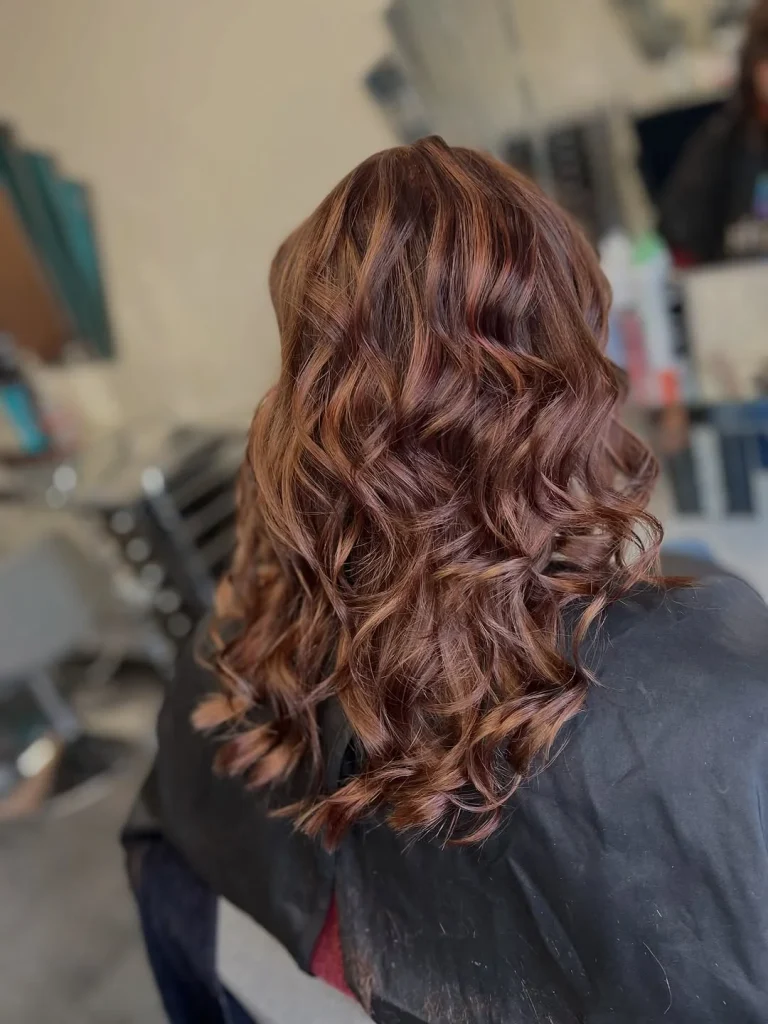
View Instagram post by @a_n_e_hair
A dark chocolate base with a controlled auburn undertone looks brunette indoors and richer red-brown in sunlight. Large waves reveal the color change without needing contrasting highlights. Ask for a deep, neutral brown foundation rather than a purple-red formula. This is easier to blend with naturally dark roots than a light copper result. Bring both indoor and outdoor reference photos so your colorist understands how subtle the red should appear.
3. Medium natural auburn on a blunt lob
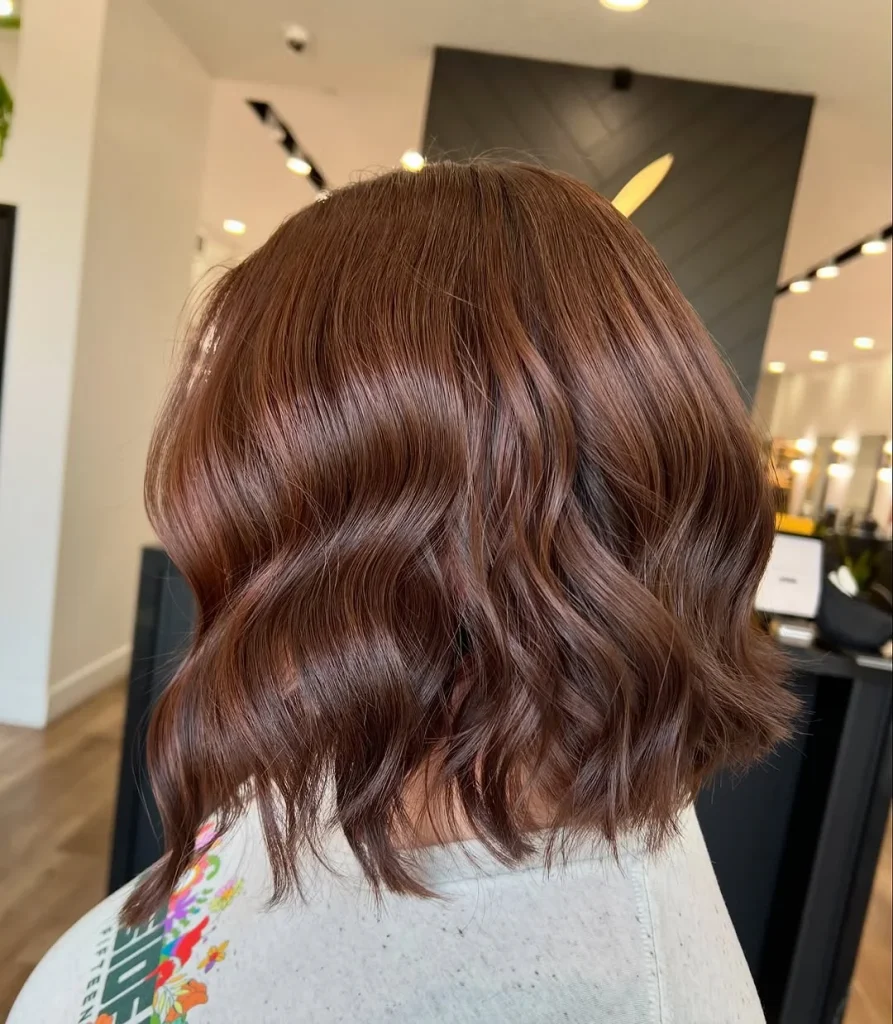
View Instagram post by @witchykittyhair
A shoulder-skimming blunt lob shows auburn as one continuous, even color. Choose a medium red-brown that is neither strongly orange nor wine-purple. A solid perimeter makes the color feel clean, especially on straight or gently wavy hair. Ask the stylist to check the shade on dry hair around your face before adding more warmth. The lob can be styled smooth for a glossy finish or bent lightly to reveal dimension.
4. Dark auburn on loose 3A curls
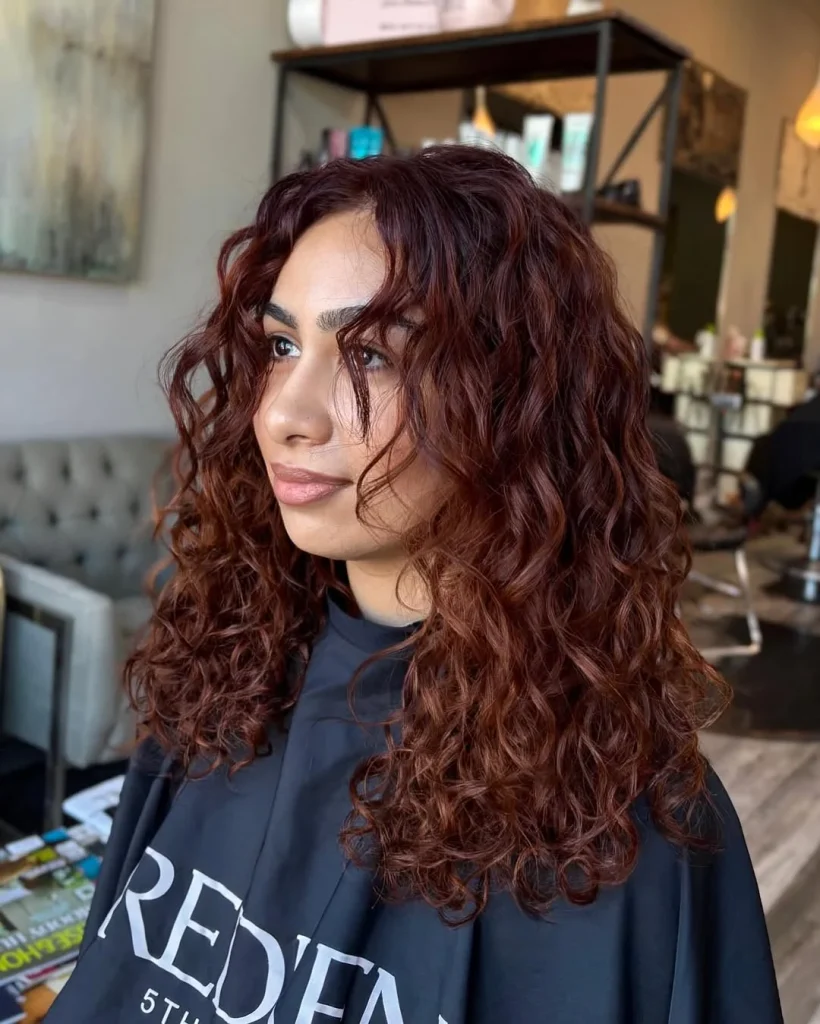
View Instagram post by @michellevangstudio
Loose curls create highlights and shadows without changing the color formula. A deep auburn base can reveal red through the raised parts of the curl while remaining brown in the interior. Ask for even saturation and a plan that respects your hair’s current condition. A curl-friendly conditioner and gentle handling help preserve definition after coloring. Avoid interpreting the extra shine in a reference photo as a guarantee of identical results.
5. Caramel ribbons through auburn brown
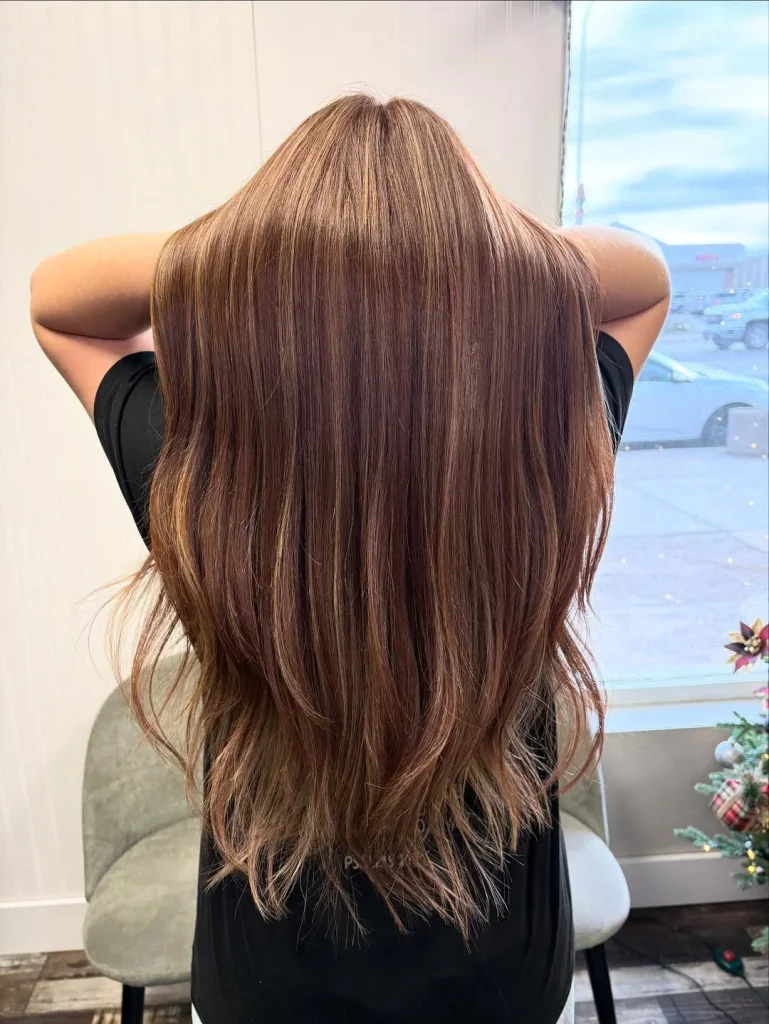
View Instagram post by @beauty.by.ainslee
Place narrow caramel highlights through a medium auburn base, concentrating them around the face and upper layers. The caramel should be only a little lighter than the background so the overall result remains auburn, not blonde. Ask for soft, blended sections rather than thick stripes. A salon may need to lighten selected strands first, depending on your starting shade. Use a color-safe routine to keep the two tones from becoming dull.
6. Auburn balayage on deep brunette hair
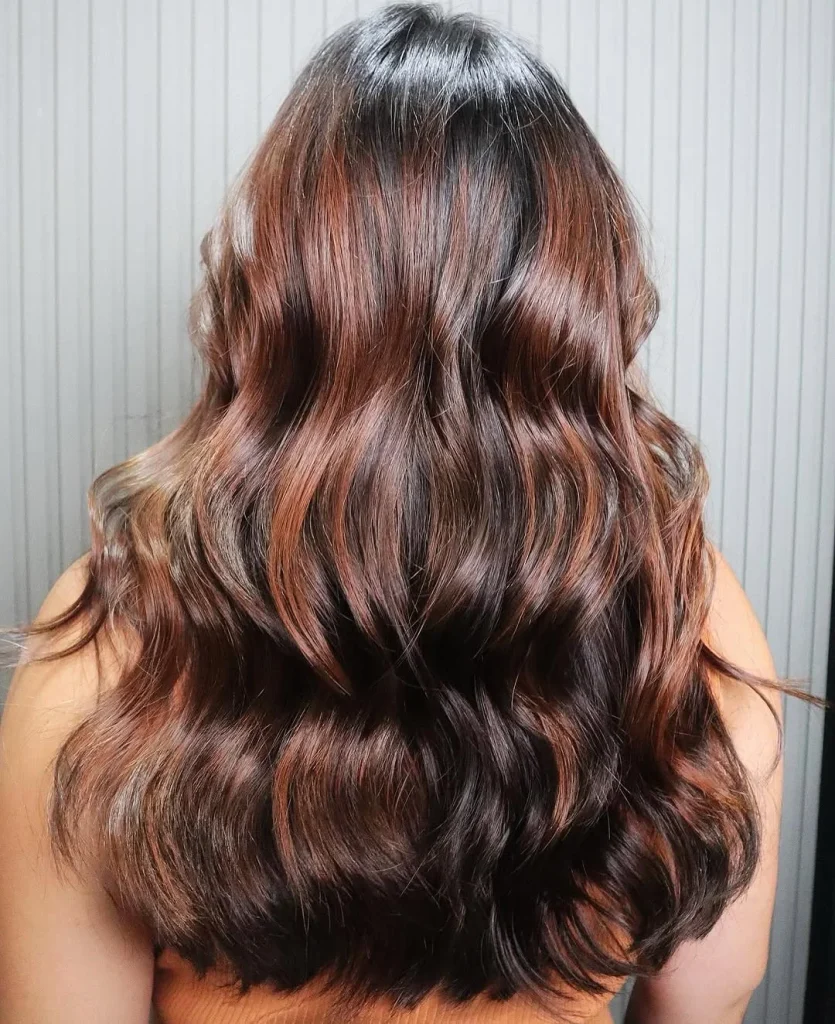
View Instagram post by @herahairbeauty
Keep the roots dark brunette and brush auburn color through the midlengths and ends, starting lower around the back. This hand-painted placement creates a gradual shift without a harsh line at the roots. Ask your colorist to show how much red will be visible indoors. On very dark hair, a noticeable auburn balayage may require lifting selected sections. The result looks particularly dimensional on waves or layered ends.
7. Light golden auburn bob

View Instagram post by @shilohsobathair
A light auburn base with a quiet golden undertone brightens a chin-length bob while preserving its red-brown identity. Keep the formula more brown than vivid copper so it does not turn into a ginger shade. Ask for a sample swatch against your complexion before coloring the full head. The short perimeter makes faded ends obvious, so plan gloss maintenance. A smooth blow-dry shows the color depth clearly.
8. Espresso auburn with hidden red warmth

View Instagram post by @herahairbeauty
This is the darkest approach in the collection: an espresso-brown base that only flashes auburn in direct light. Ask for a subtle red-brown gloss or low-contrast color rather than scarlet highlights. It is a useful choice for someone whose workplace or personal style favors understated color. The shine is the main feature, so avoid heavy matte styling products. A consultation should establish whether the red will be visible enough for your expectations.
9. Soft auburn with face-framing beige blonde
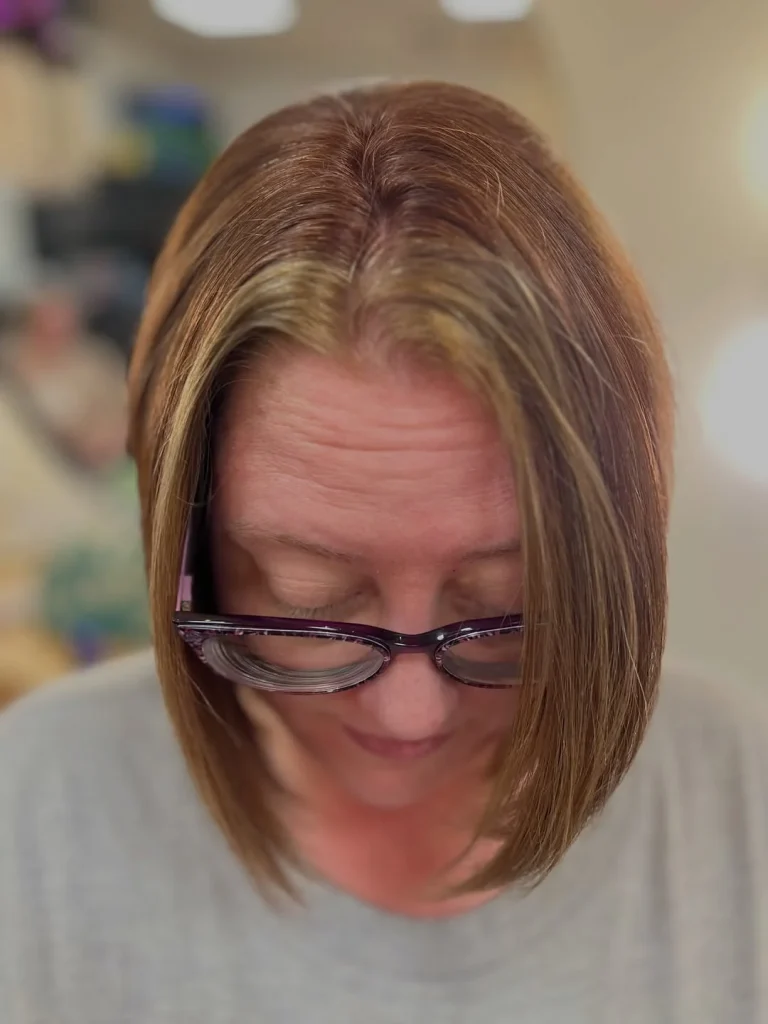
View Instagram post by @_bellavidasalon
Keep most hair in a warm auburn brown and lighten a few delicate face-framing pieces to beige blonde. The contrast draws attention toward the eyes while leaving the underlying hair distinctly red-brown. Ask for fine sections that blend into the front layers, not a solid pale stripe. Blonde pieces may need toning as the auburn fades. This option requires more maintenance than an all-over auburn gloss because the lightened pieces grow out differently.
10. Chestnut auburn shoulder-length waves

View Instagram post by @charlottepaintshairstudio
Chestnut auburn balances medium brown with subtle warm red, making the color readable without looking loud. A shoulder-length cut with soft waves helps light catch the red across the surface. Ask for a shade that remains brown at the roots instead of transitioning into orange. For naturally medium-brown hair, a colorist can assess whether a gloss alone would give enough warmth. This is a flexible option for everyday styling.
11. Sleek auburn with a glass-like shine

View Instagram post by @highendhairsalon
A sleek, straight finish lets a rich auburn show its glass-like shine — smooth, glossy and full of dimension from roots to ends. The colour stays fairly uniform, so the shine does the work instead of strong highlights. Ask for a gloss or single-process colour that keeps the hair healthy and the ends looking solid. Straight, smooth hair shows faded ends quickly, so plan a gloss refresh to keep the copper glow. Mid-back and longer lengths carry the shine best.
12. Auburn color melt from dark roots

View Instagram post by @askforamy
Begin with a deep brown root and gradually shift through medium auburn toward warm red-brown ends. The transition should be smooth enough that there is no horizontal line between shades. A color melt is particularly attractive on collarbone-length and longer hair because the gradient has room to develop. Confirm where the auburn will begin, especially near the face. Dark roots can reduce the contrast of regrowth, though gloss refreshes may still be needed.
13. Muted mahogany auburn on a pixie
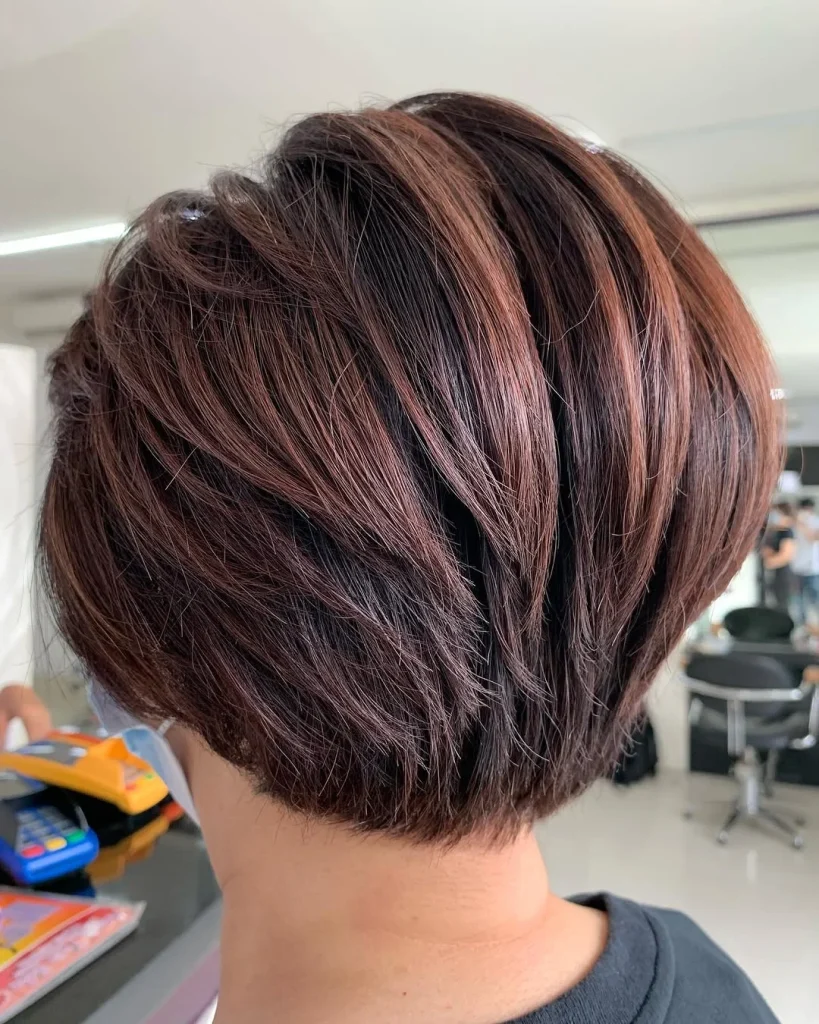
View Instagram post by @rhandy_art
A compact pixie can carry a red-brown shade with a very slight mahogany cast, provided it stays brown-based rather than purple. Keep the deeper color uniform through the sides and allow the textured top to show more reflection. Short cuts reveal new growth relatively quickly, so discuss maintenance before choosing strong contrast from your natural roots. A small amount of lightweight styling cream preserves movement without dulling the finish.
14. Auburn gloss over medium-brown hair
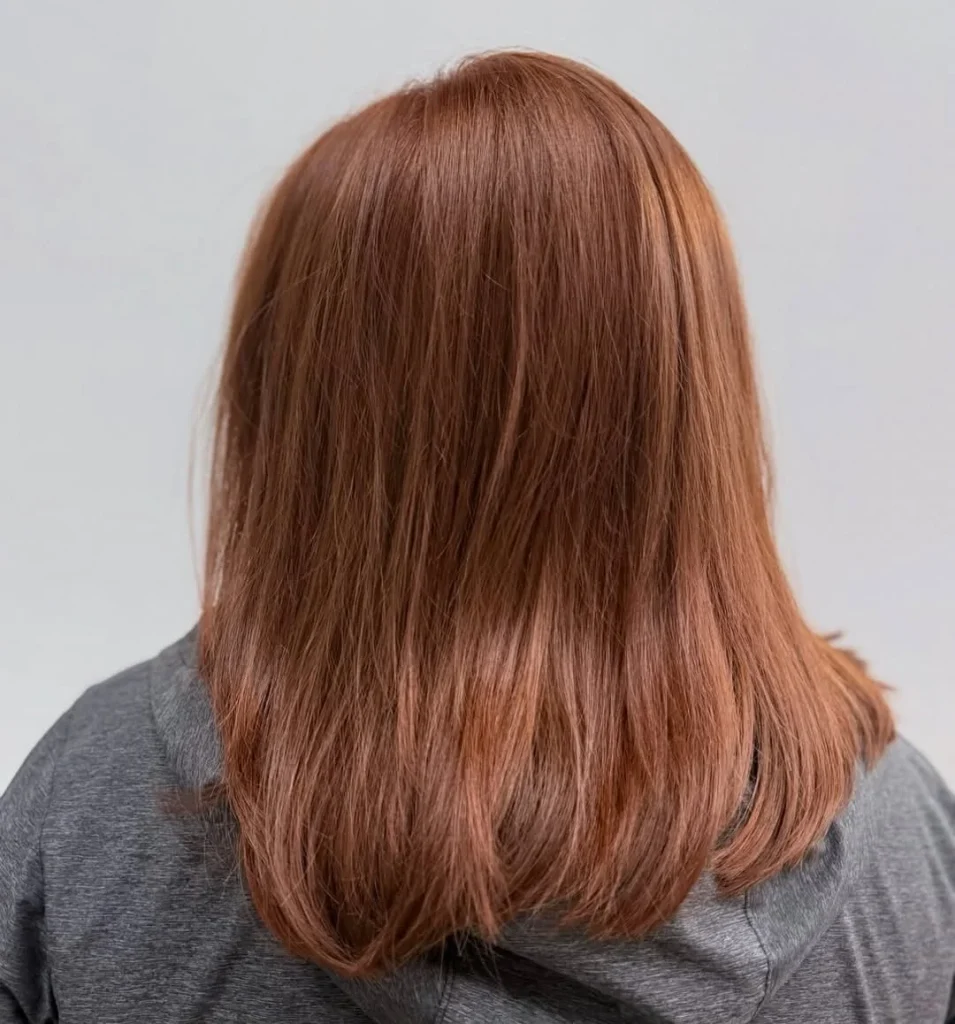
View Instagram post by @colorshairandspa
If you already have medium-brown hair and want modest warmth, ask about a professionally selected auburn gloss. It can enrich the red-brown tone without creating a dramatic high-contrast look. The result depends heavily on the starting color, porosity and previous dye, so a gloss cannot be expected to lighten dark hair significantly. This is a useful consultation topic for someone who wants a temporary-looking change before committing to a stronger shade.
15. Dark auburn coils with subtle face brightness

View Instagram post by @joaopaulolacerda.hair
For coily hair, choose a deep auburn that gives a warm sheen over the crown and face-framing coils without requiring a very light base. Ask the colorist to work around curl shrinkage and to check the dry appearance of the shape. Color-treated coils benefit from careful detangling and moisture management. Keep the red-brown shade consistent if you want the natural pattern to remain the focal point rather than creating striped highlights.
16. Auburn with fine honey highlights
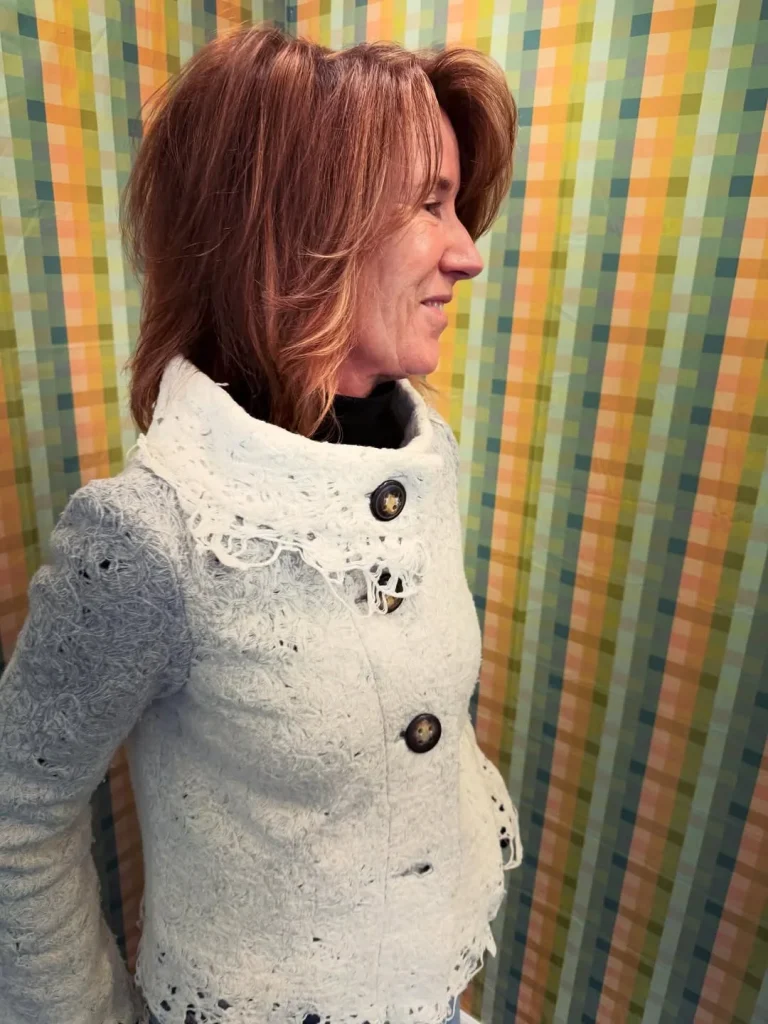
View Instagram post by @nurtureinspiredhair
Place a few honey-blonde ribbons through a medium auburn base to brighten the look around the face and crown. The honey should stay warm and subdued instead of turning platinum. Ask for fine, widely spaced highlights that blend when the hair falls straight. This approach works with a long bob or layered medium-length cut. Lightened pieces require different upkeep from an all-over gloss, so discuss toner and conditioning needs with your colorist.
17. Cool-leaning smoky auburn
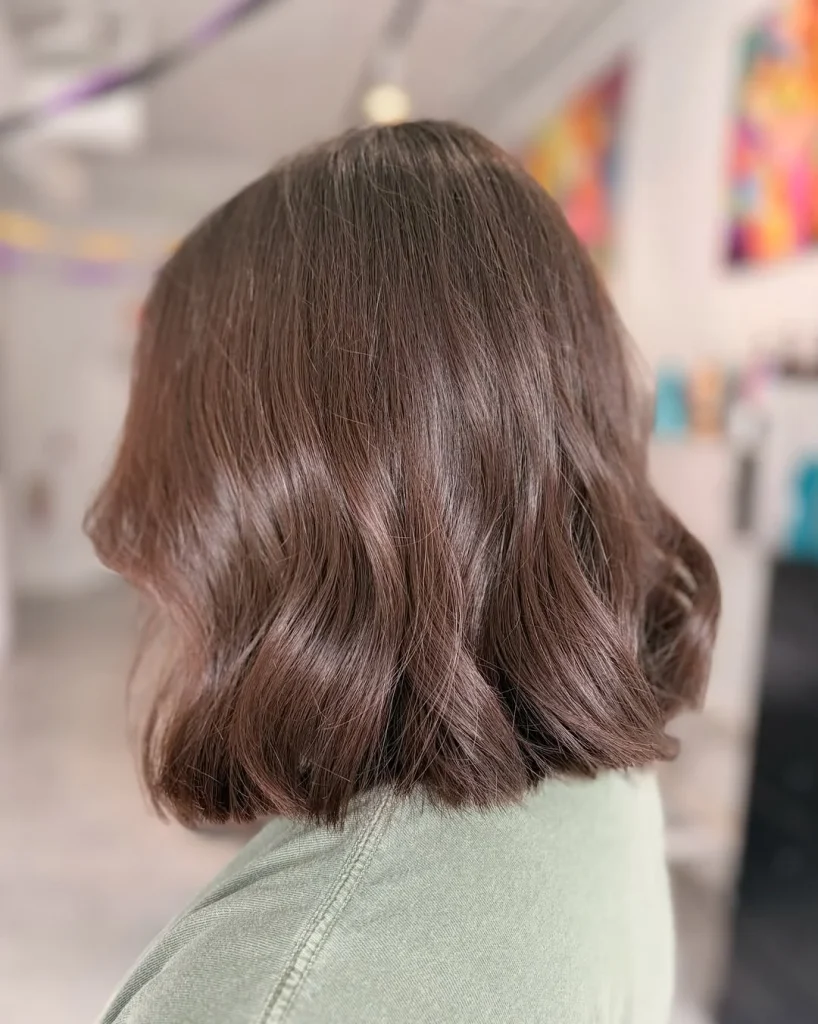
View Instagram post by @salonswankstpete
A smoky auburn keeps the red subtle by pairing it with a cooler brown base. It can be useful if strong orange tones are not your preference. Ask the stylist to avoid making the formula so ash-heavy that the red disappears completely. Smooth shoulder-length hair shows the nuanced color well, while soft waves reveal warmth at the bends. Check the shade under daylight and warm indoor lighting before finalizing it.
18. Rich red-brown on a curly bob
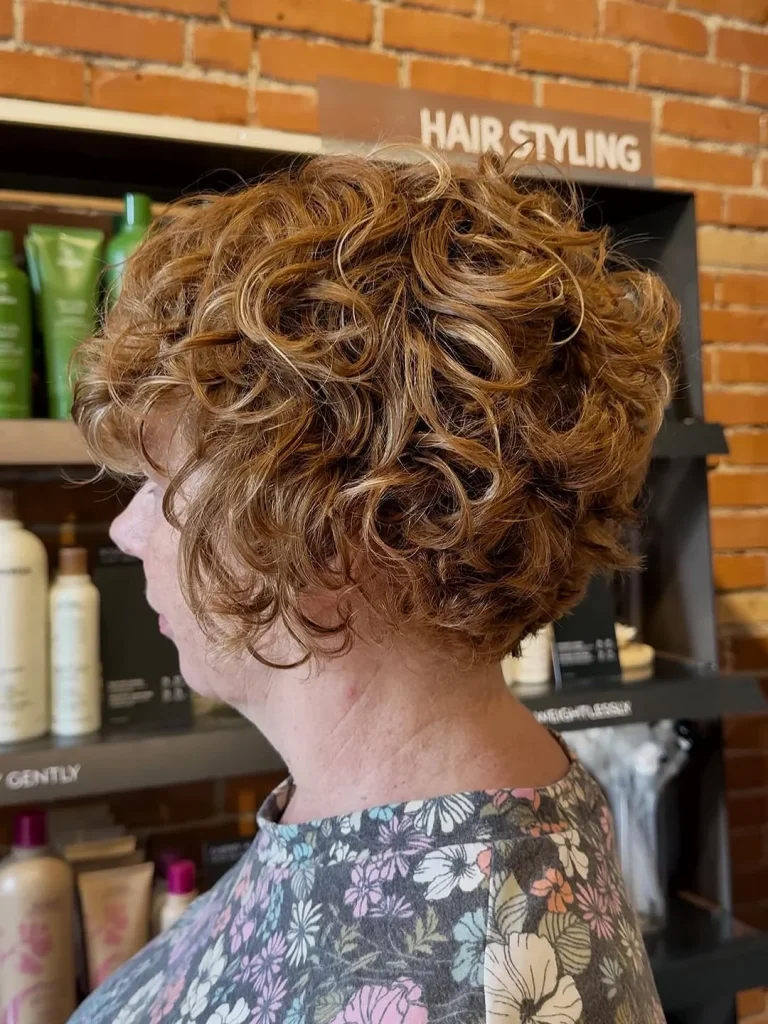
View Instagram post by @olivia.james.hair
A jaw-to-neck curly bob allows medium auburn to show across rounded ringlets. Keep the color mostly uniform so the curl pattern provides its own highlights and shadow. Ask for the final haircut shape to be assessed dry, since curl shrinkage changes where colored ends sit. If your curls have a history of lightening or chemical processing, have the colorist evaluate condition first. Use styling products that define rather than stiffen the curls.
19. Soft copper-kissed auburn fringe

View Instagram post by @kinslea_haircredable
Color the entire cut in a medium auburn and let the fringe carry a slightly warmer copper-kissed tone. The difference should be subtle enough that the fringe feels connected to the rest of the hair. A long, wispy fringe suits this technique because it moves across the forehead. Ask for controlled warmth rather than an orange block at the front. A gentle blow-dry can reveal the brighter strands without needing a heavy styling product.
20. Auburn and cocoa lowlights
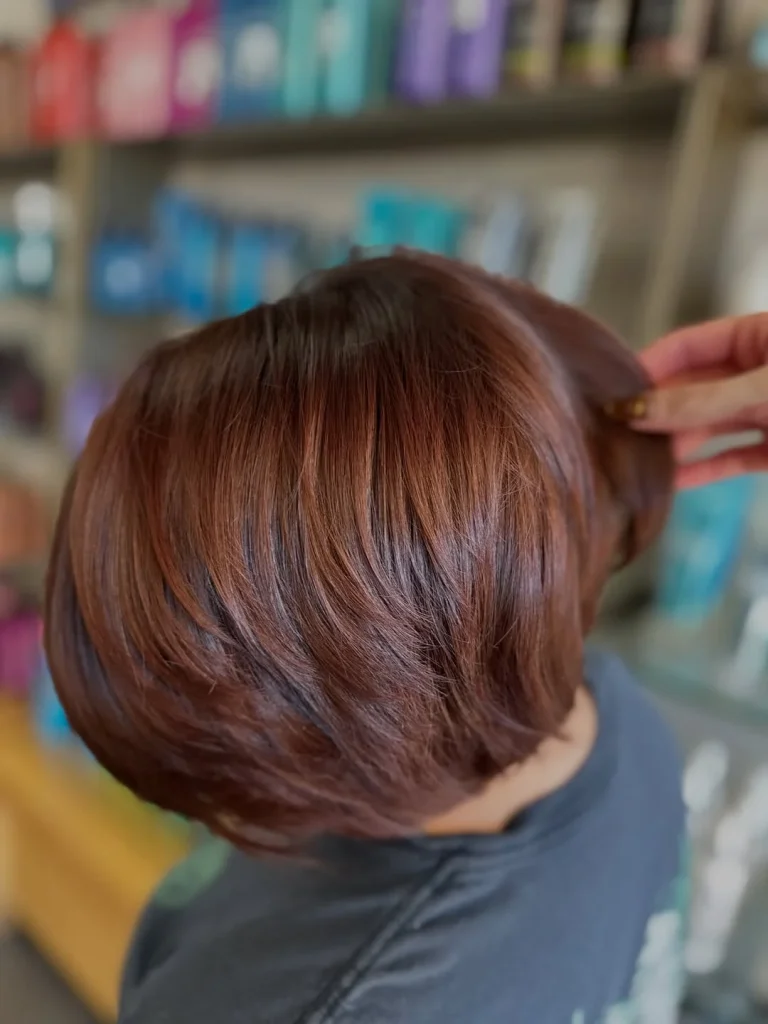
View Instagram post by @salonswankstpete
Start with medium auburn and place deeper cocoa lowlights through a few internal sections. The darker pieces add contrast while keeping the overall look brown-based. This can be useful when previous highlights have made the hair too uniformly light. Ask for soft, irregular placement rather than obvious alternating stripes. The lowlights will show more when the hair is waved, while a smooth finish gives an almost solid auburn appearance.
21. Soft auburn balayage on black hair
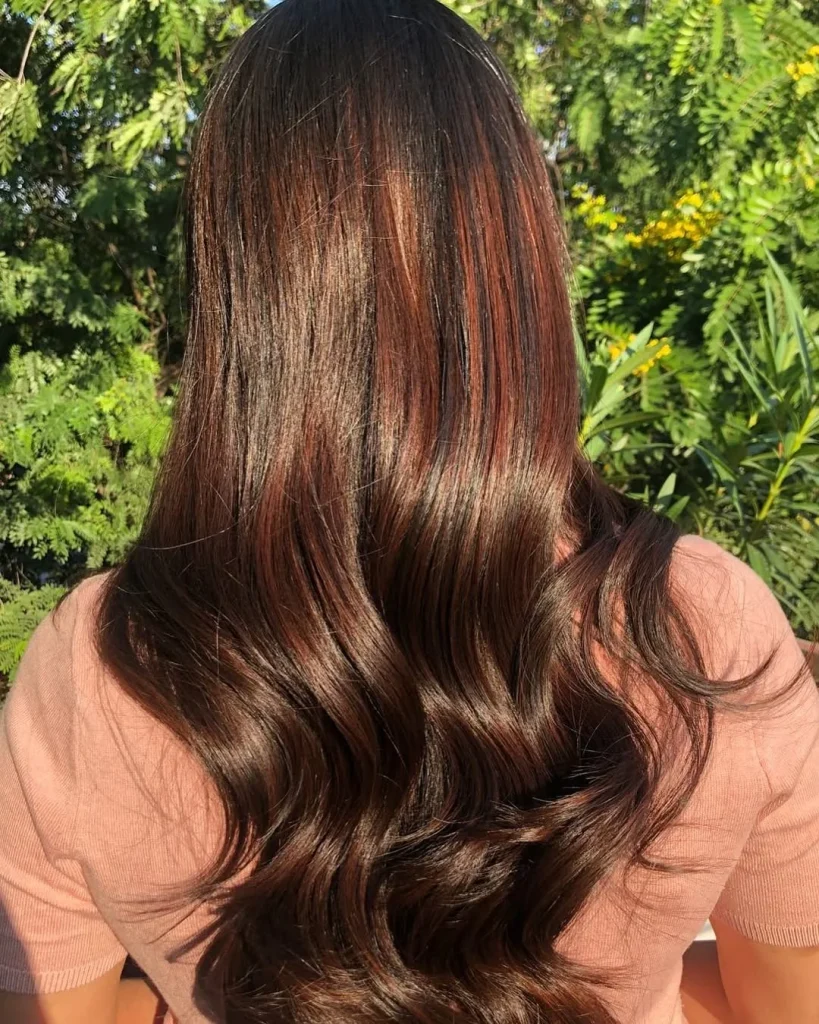
View Instagram post by @tangerinetheboutiquesalon
On naturally black or very dark hair, keep the roots untouched and add low-key auburn balayage to selected outer pieces. A clear red-brown result may require some lifting; how much depends on the hair and its dye history. Ask to see realistic reference photos of similarly dark starting colors. The aim is visible warmth on the lengths without a bright orange contrast. This approach works on long layers and shoulder-length waves.
22. Light auburn with strawberry-beige dimension

View Instagram post by @medinaaa.hair
This light auburn contains a restrained strawberry-beige highlight rather than a full strawberry-blonde base. The brighter pieces are concentrated near the front and ends, while the main color remains warm red-brown. Ask for delicate blending so the look stays soft. Pale sections may fade or need toner sooner than the auburn background. A color-safe conditioner and gentle wash schedule help keep the warmer and lighter tones balanced.
23. Dark cinnamon auburn with a center part
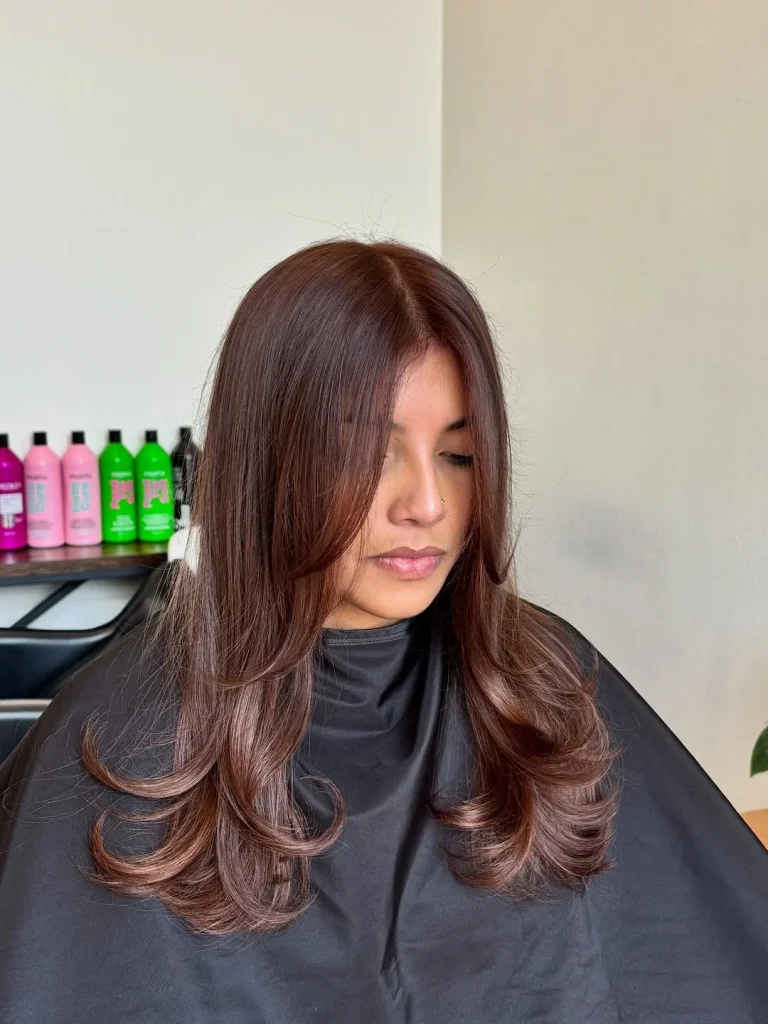
View Instagram post by @lyv_beauty
A center-parted cut gives this shade a symmetrical frame, but the color is deliberately understated. Choose deep cinnamon-red warmth over an even dark-brown base, with no strong highlights. Smooth the hair or wear loose waves depending on the finish you prefer. The subdued color can suit many skin tones, provided the undertone is adjusted in consultation. Ask for a daylight swatch instead of relying only on indoor salon lighting.
24. Warm auburn on short natural curls

View Instagram post by @meetmyriam
A short naturally curly shape can look striking in medium auburn, especially when the color is even from the crown to the sides. Discuss shrinkage and the condition of the curls before deciding on lightening. Keep the shade brown-based rather than vivid copper if you want a softer overall effect. For daily styling, distribute a curl product through damp hair and avoid repeatedly brushing the finished curls dry.
25. Rich auburn with a soft copper money piece
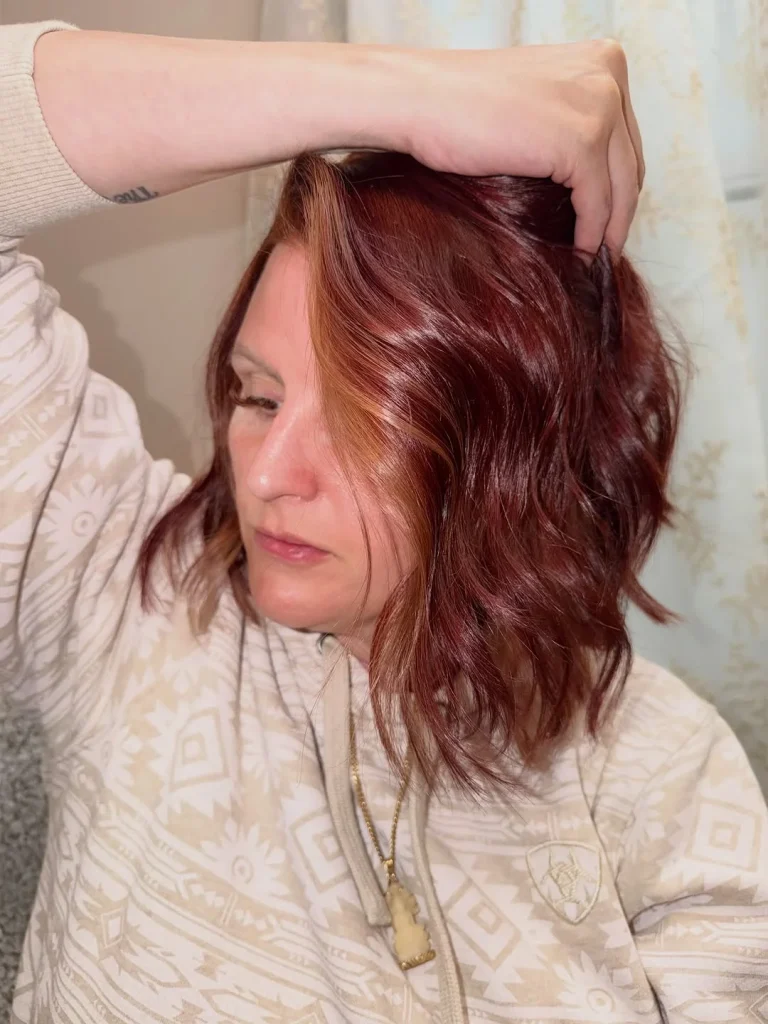
View Instagram post by @thewildflowerroom
A rich all-over auburn gives the hair a warm red-brown depth, while a soft copper money piece framing the face lifts the front without lightening the whole head. The face piece is visibly brighter than the base, so it reads as a deliberate accent rather than a subtle blend. Ask where the brighter section will begin and how it will sit when the hair is pulled back. The single-process base keeps regrowth simple, and a gloss refresh will keep the copper from dulling. Shoulder-length and longer cuts offer enough space for the transition.
26. Glossy deep auburn on a sleek bob

View Instagram post by @efigavra
A sleek bob provides a clean, uninterrupted surface for deep auburn shine. Ask for a dark red-brown with even saturation through the ends, then style the cut with a smooth bend rather than a rigid flat finish. The color looks different from an almost-black brunette when light crosses the top layer. For a neat result, keep the perimeter healthy and trim split ends when needed. A lightweight serum can enhance shine without flattening fine hair.
27. Bronzed auburn with soft caramel ends

View Instagram post by @gustohairdressing
Use medium auburn through the roots and upper lengths, then soften the final few inches into muted caramel. The ends should feel sunlit rather than blonde. This works best on medium-to-long hair, where the transition can be gradual. Ask the stylist to avoid creating a bright horizontal dip-dye line. Because the ends have more processing and are often older, talk through conditioning and breakage concerns before lifting them.
28. Auburn with barely-there red highlights

View Instagram post by @hairby_megbouk
If you prefer a mainly brunette look, add a handful of fine red-brown highlights to an existing brown base. Ask for a shade only slightly warmer or lighter than your natural hair. The placement can focus around the crown and outer layers, where light naturally falls. Fine ribbons are less dramatic than a full auburn transformation. They can also be easier to grow out, though previously colored strands may require a separate maintenance plan.
29. Soft reddish chestnut on a long bob

View Instagram post by @maisongabriele
A collarbone-length long bob lets reddish chestnut show warmth without pushing the color into bright copper. Keep the main shade medium brown and add a soft auburn cast through the surface. The blunt or lightly layered ends make the color feel substantial. Ask for an undertone that complements your existing brow color and makeup preferences. A bend through the midlengths gives dimension even if the hair is colored uniformly.
30. Deep auburn with a warm brown root shadow

View Instagram post by @studiomd.au
A root shadow blends a natural dark-brown base into a deeper auburn through the midlengths. The transition should begin close enough to the scalp to look connected but leave room for new growth. This can be useful when you want noticeable auburn with less obvious regrowth at the roots. Discuss how often the lengths will need gloss refreshes, since a shadow root does not prevent the red tones from fading.
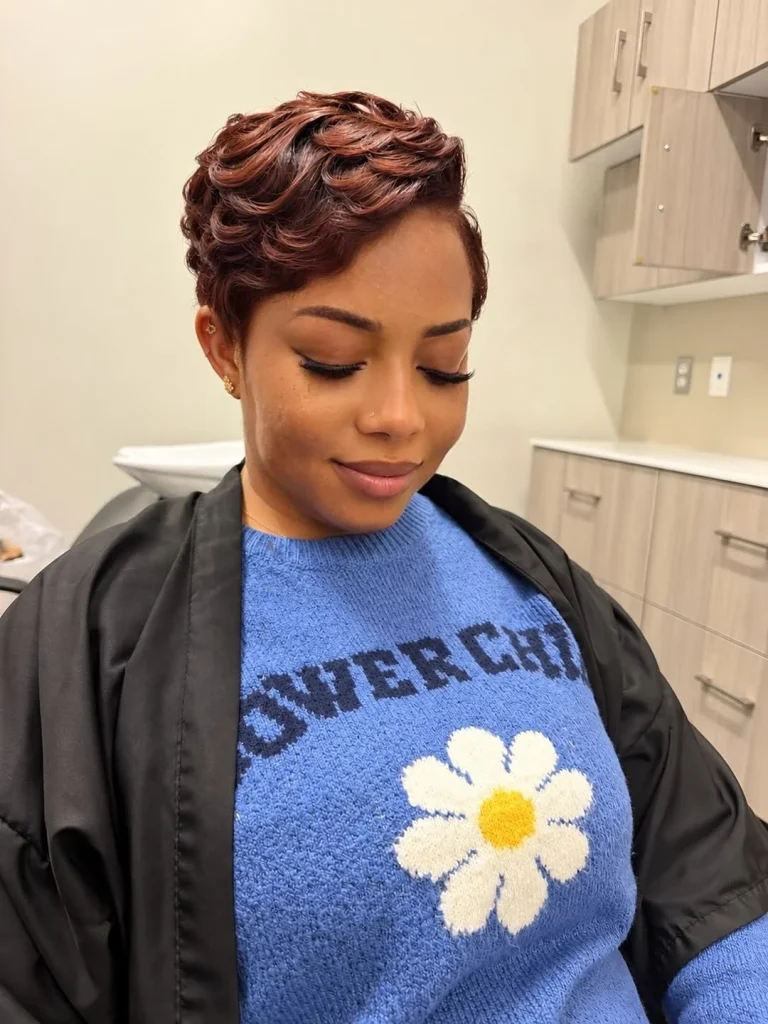
31. Auburn on a tapered natural crop
View Instagram post by @leebeautee_
A tapered natural crop can carry a soft auburn through the fuller top while leaving the closely cut sides a slightly deeper brown. The placement brings attention to curl texture rather than making the perimeter look harsh. Ask your colorist to keep the short sides comfortable and assess how the color will look after the next haircut. If the hair has been chemically processed, condition and breakage risks matter more than matching a photograph exactly.
32. Rich auburn shag with blonde panelling

View Instagram post by @aliceandtheshag
A shag cut gives auburn a choppy, heavily layered shape, and blonde panelling at the front turns the face-framing layers into the focal point. The panels are wider and paler than fine highlights, so they read as a deliberate design rather than a subtle blend. Ask for the blonde to sit where it frames your features when the hair is worn down and tied back. The pieces need toner maintenance as the auburn fades, and the shaggy layers keep the colour looking textured rather than flat. Shoulder-length and longer shags carry the panels best.
33. Velvety medium auburn on thick waves

View Instagram post by @auburnhairhull
Thick, softly waved hair can show plenty of dimension in a single medium auburn shade because each wave catches light at a different angle. Ask for a balanced red-brown, not a very bright copper. If the hair already has old highlights, the colorist may need to even out porosity for a consistent result. Finish with a light smoothing cream on the outer layer instead of saturating the lengths with oil.
34. Deep auburn gloss on salt-and-pepper roots

View Instagram post by @haileyfraserhair
If some gray strands are coming through, a deep auburn gloss or color service can change how the gray blends with the surrounding brown. The result will depend on whether the product is designed to cover, blend or leave gray visible. Ask explicitly how much coverage to expect, since a demi-permanent gloss is not equivalent to permanent gray coverage. This option is best planned with your colorist rather than guessed from a single photo.
How to keep auburn hair from fading quickly
Washing and heat styling
Red-toned color can look different as it fades, sometimes revealing more of the underlying brown or copper warmth. Use a gentle, color-appropriate shampoo and conditioner, and avoid washing more frequently than your scalp needs. Protect the hair when heat styling with a product suitable for the temperature and your hair type. Sun exposure and repeated hot-water washing may affect the appearance of color, so consider a hat outdoors and lukewarm washing when practical.
Gloss appointments and color correction
Ask your stylist which fading pattern to expect with your formula and when a gloss refresh would be useful. An all-over auburn gloss may be simpler to maintain than contrasting blonde highlights. If your hair has been colored black or has layers of old dye, avoid repeatedly applying lightener at home to chase a photo reference. A consultation and, where appropriate, a strand test can help assess the risks of breakage or uneven lift.
Auburn on curls and coily hair
Curly and coily hair can show auburn beautifully, but the dry pattern, shrinkage and previous chemical services all affect the outcome. Ask your colorist to plan placement for how you normally wear your hair. A balayage intended for straight hair may form uneven-looking bands after curls spring up. Focus on maintaining strand condition and definition, not on achieving identical color on every photograph.
Is auburn right for you?
Auburn works best when the shade, the upkeep, and your starting color line up, not when a photo alone looks appealing. Use the points below to decide before you book, rather than after the color is in.
Who auburn suits. It suits people who want warm, red-brown depth without going bright orange or burgundy, and who are happy for the red to show more in sunlight than indoors. Medium and dark auburn are the most forgiving first step if you are coming from brown or dark blonde hair, while soft, muted auburn works well if you want warmth that still reads as brunette in low light. Who should skip it. Skip a strong, bright auburn if you want a very low-maintenance color, if you dislike warm tones as they fade, or if your hair has layers of old dark dye or previous lightener that could lift unevenly. If you love the idea but not the upkeep, a gloss over medium brown, a root shadow, or auburn only through the ends is a safer trial than an all-over vivid shade.
Maintenance and upkeep. Expect red tones to fade faster than brown, so plan for gloss refreshes and color-safe washing, and protect the color from heat and strong sun. All-over auburn and lightened face-framing pieces need more frequent attention than a dark root shadow or a gloss, so choose the version whose refresh schedule you will actually keep. What to ask your stylist. Ask what depth of auburn your starting color will reach without lightener, and what it will look like as it fades. Ask how often you will need a gloss refresh, and what regrowth will look like. Ask to see the shade in daylight, and what to do if the red pulls too orange or too dark on your hair.
Frequently asked questions
Is auburn brown or red?
It is both: auburn is a family of red-brown shades. The more brown the formula contains, the subtler the red reflection. Lighter versions lean warmer, while dark auburn can look close to brunette indoors.
Can you add auburn without bleaching dark hair?
It depends on your starting color, prior dye and the visibility you want. A subtle red-brown gloss may show on some dark hair, but strong auburn highlights over a very dark base often need more lift. Ask a colorist to assess your hair rather than assuming a bright result is possible without lightening.
Is auburn the same as copper or burgundy?
No. Copper usually reads more orange-red, while burgundy often has wine or violet undertones. Auburn centers brown with a red cast. Compare copper hair color ideas and burgundy hair color ideas if you are between shades.
Where can I find more help before a color appointment?
Our hair color consultation checklist covers color history and practical questions. You can also compare fall hair color ideas and winter hair colors for other shades.
Choosing a shade worth maintaining
Pick an auburn based on your starting hair, the amount of red you want to see and the maintenance you can comfortably manage. Soft chestnut and chocolate auburn keep the change restrained; balayage or lighter face-framing pieces add contrast but need a more involved plan. Bring a few references showing similar hair texture and ask your colorist what the shade will look like after several washes, not only on appointment day.