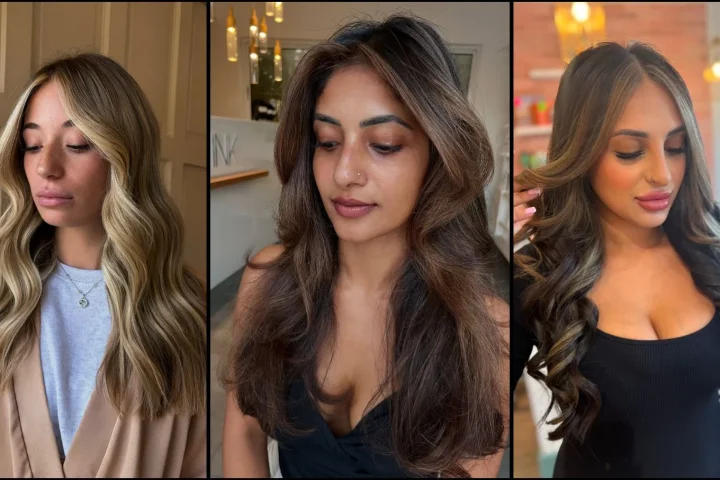
Autumn is the season when a lot of us want our hair to look richer, and fall colour is the easiest way to get there without a big cut. The warm browns, coppers and reds in this list work the way a good coat does: they add depth, they catch the light differently as the days get shorter, and they make the hair look healthier even on a grey day. Some of the looks below are a small shift, a gloss or a few ribbons around the face, and some are a full change of depth, so there is something here whether you are trying colour for the first time or you are ready to go properly dark for the colder months.
The thing to decide before you start scrolling is how much upkeep you are happy with. A solid dark brunette grows out quietly, a copper needs regular toning and a balayage with a soft root is the most forgiving of the lot. Your starting shade matters just as much. The same copper reads very differently over dark brown hair and over hair that has been lightened before, which is why the photos are grouped by depth and finish rather than by name. Look at the roots, the way the light moves through the mid-lengths and how the colour sits near the face, and save the ones that look closest to your own hair.
Choose one main change
- A richer tone at similar depth can feel different from adding lighter highlights. Ask the colorist to distinguish tone from lightness.
- Face-framing pieces concentrate the change where you see it most. A full-head change affects the regrowth and maintenance plan more broadly.
- A dark brunette, copper and burgundy may look similar in warm indoor lighting. Compare references in daylight as well.
Keep the plan realistic after autumn
Tell your colorist about old dye, lightened ends and any plans to go lighter later. Ask how the chosen tone is likely to soften and whether you will need separate root and length appointments. A trend name or year is not evidence that one formula will suit every starting shade. Choose a reference you still expect to enjoy when the seasonal label changes.
How to choose a fall colour that suits your hair
Start with the colour you have now, not the colour in the photo. A shade that looks rich and glossy on hair that has never been dyed can turn patchy on hair with old box dye underneath, and a copper that glows on light brown hair often needs two rounds of lifting on very dark hair. Tell your colourist what is already on your hair, including any colour from months ago, because that history decides how even the new shade will take.
Depth is the next decision. Going one or two levels darker than your natural shade is the lowest-risk change, and it usually grows out with a soft line. A bigger jump, such as dark brown to copper or black to burgundy, needs a plan for the roots and an honest talk about how often you are willing to come back. If you cannot commit to a salon visit every four to six weeks, ask for a root that is close to your natural colour and let the richness sit through the mid-lengths and ends instead.
Warmth is where most autumn shades go wrong. Warm tones fade fastest, and they can turn brassy on hair that lifts easily or look muddy on hair that is naturally ashy. A colourist can test a strand first, which is worth doing if you are trying copper or red for the first time. Bring photos that show the shade in daylight rather than in a studio, and look at how the colour sits against the skin at the hairline. That is the part you will see in the mirror every day, and it matters more than the name on the swatch.
1. Rich Chocolate Brunette Fall Hair Color
Deep cocoa roots melt into slightly lighter chocolate ribbons through long, flowing layers, with a glossy finish and loose bends through the mid-lengths. Face-framing pieces are brightened just enough to add dimension.
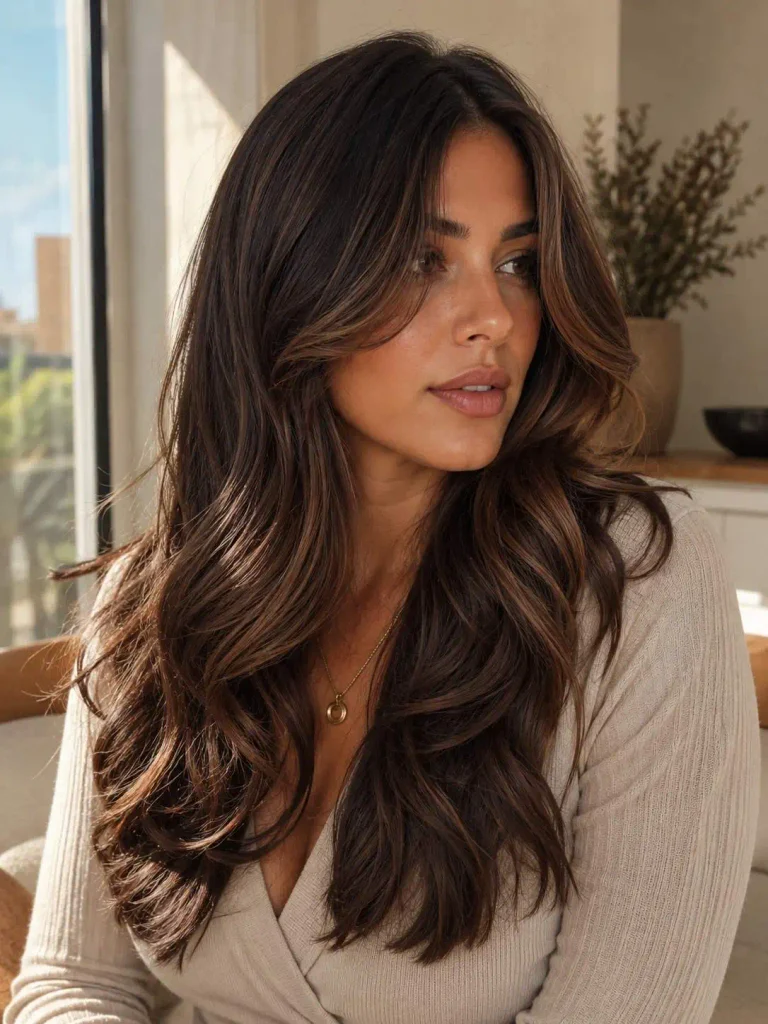
2. Espresso Brown Glossy Fall Hair
Near-black espresso covers the hair from root to end, with subtle coffee-toned dimension across long feathered layers and curved sections at the jaw. Reflective shine keeps the dark shade from looking flat. A near-black shade can require less frequent lightening than a bright blonde, but visible regrowth and gloss maintenance depend on your starting colour. Conditioning can improve the feel and appearance of the surface.
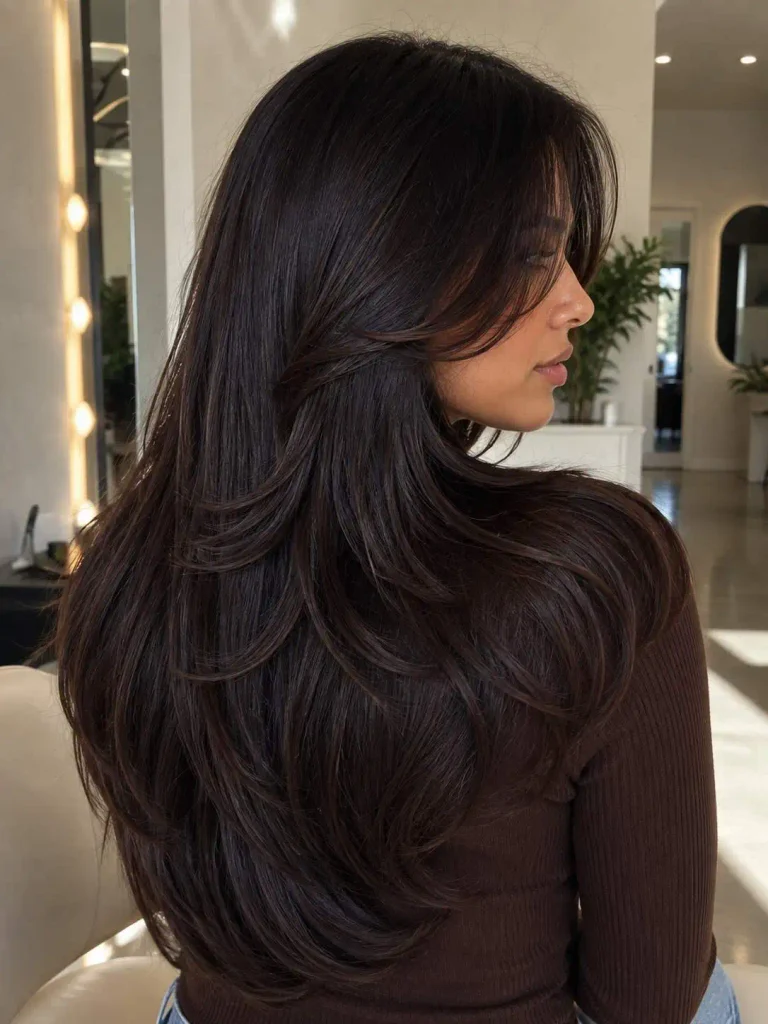
3. Cinnamon Brunette Face-Framing Ribbons
A medium brunette base is warmed with cinnamon-brown ribbons through the front layers, concentrated at the temples, cheekbones, and ends. Up top, the crown stays deeper and gently blended for depth. this style looks good straight or waved, and the deeper crown means regrowth stays subtle for ten to twelve weeks.
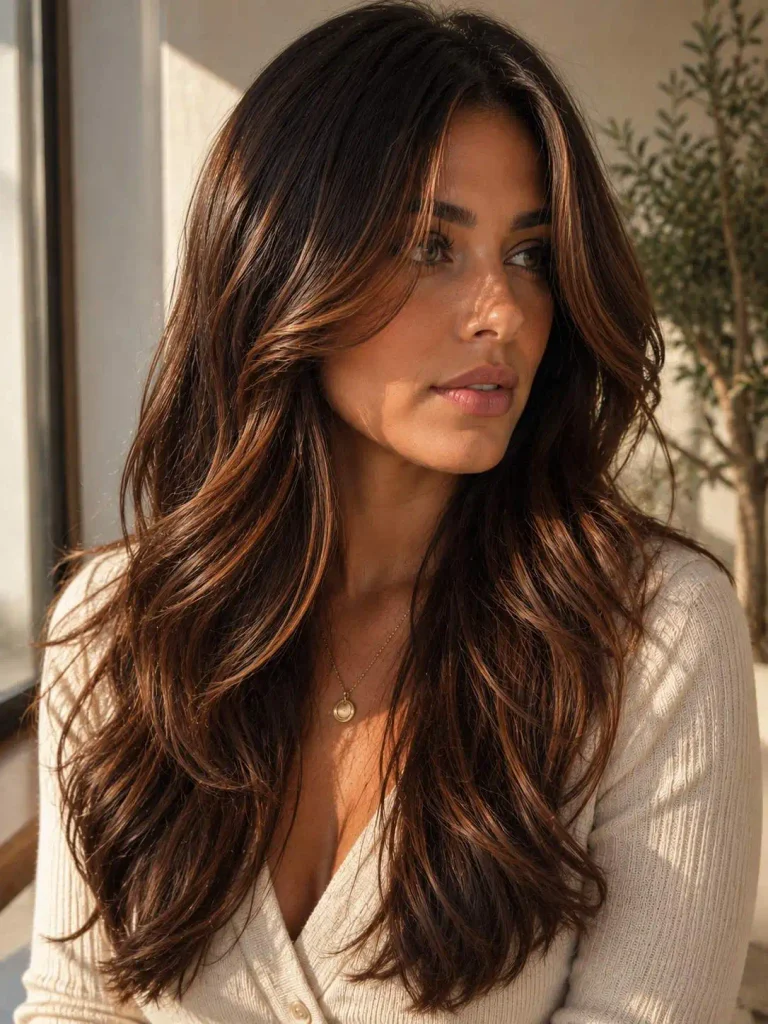
4. Caramel Balayage Fall Hair Color
Broad, diffused caramel ribbons sweep over a chocolate-brown base, starting below the roots and brightening through long layers, wispy face-framing pieces, and the ends. Nothing looks stripey.
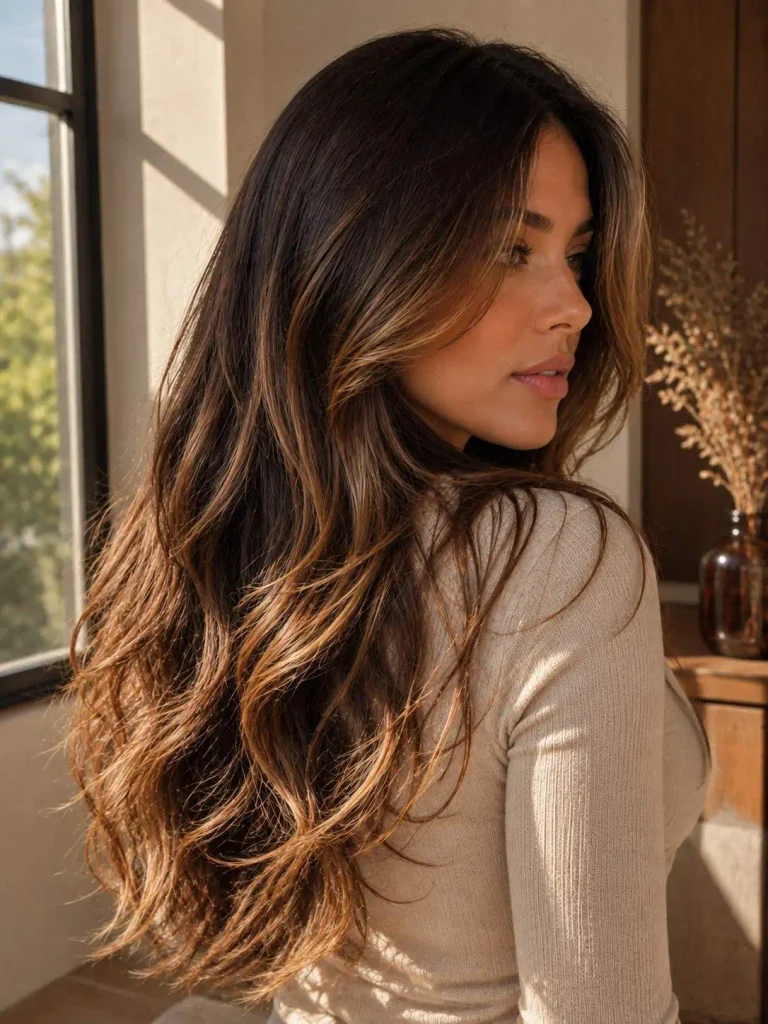
5. Dark Auburn With Caramel Highlights
Brown and red blend through a dark auburn base, while fine caramel highlights trace the face-framing sections and lower lengths. Each layer shows clear movement and a copper-brown glow.
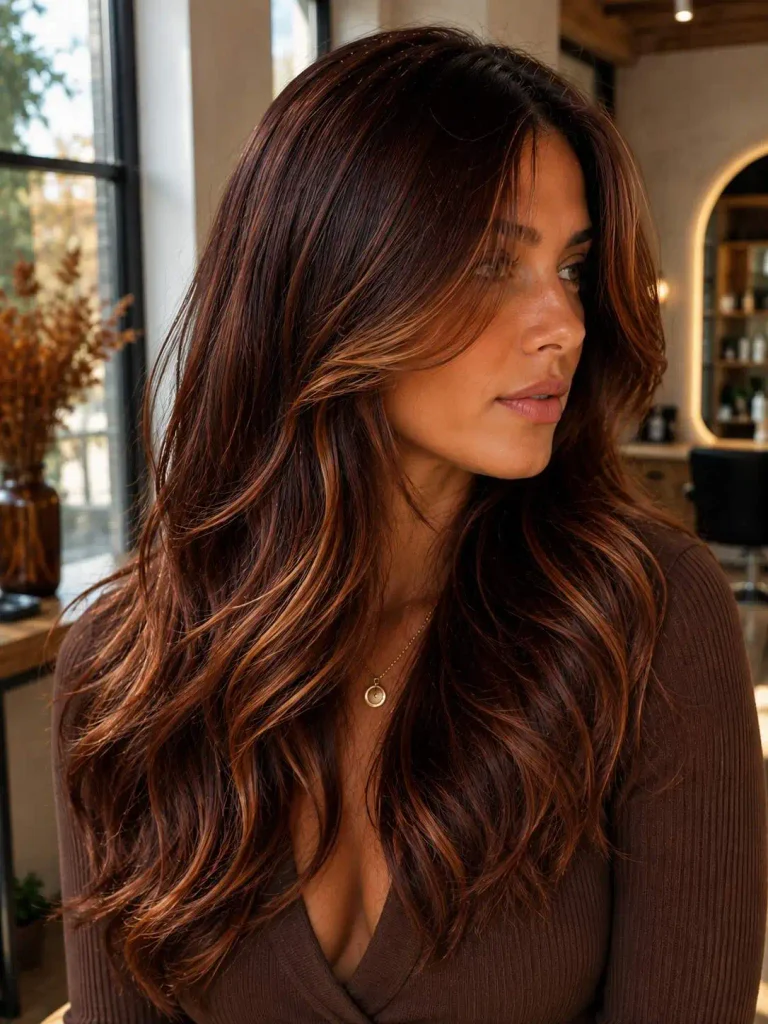
6. Soft Copper Ginger Fall Hair
A muted orange-red base runs through medium-to-long hair, with lighter copper pieces around the face and gentle layers catching the color across loose waves. Subtle root depth grounds the shade and keeps it wearable.
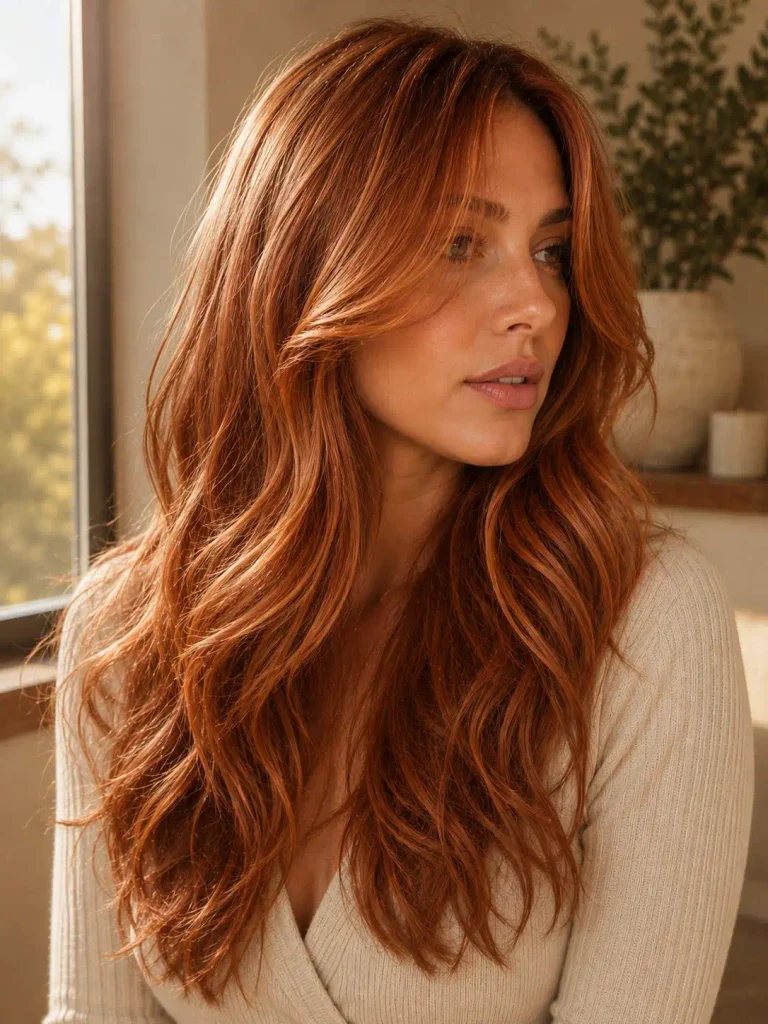
7. Copper Brown Curly Fall Hair
Warm chestnut depth wraps curly hair, with brighter copper accents across the outer coils, shorter face-framing spirals, and layered ends. Every ringlet catches a slightly different tone of copper and brown.
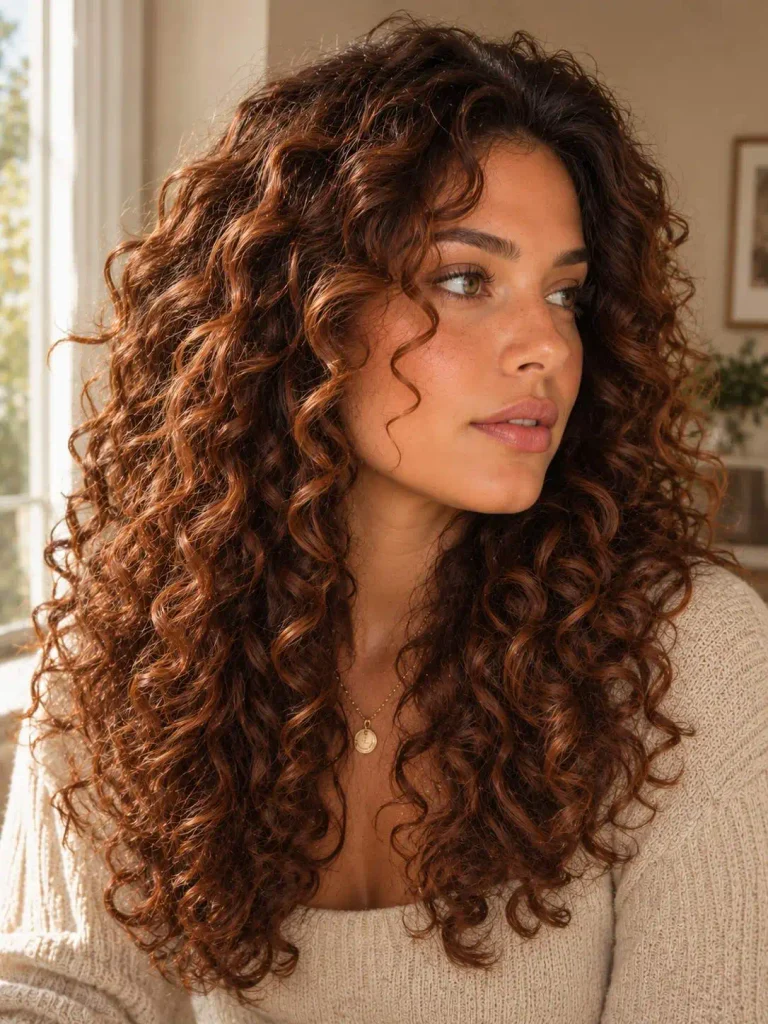
8. Cherry Brown Dimensional Fall Hair
A deep brunette base carries muted red-cherry ribbons through the mid-lengths, with stronger color around the front pieces and gently waved ends. Wine tones add richness without turning vivid or costume-like.
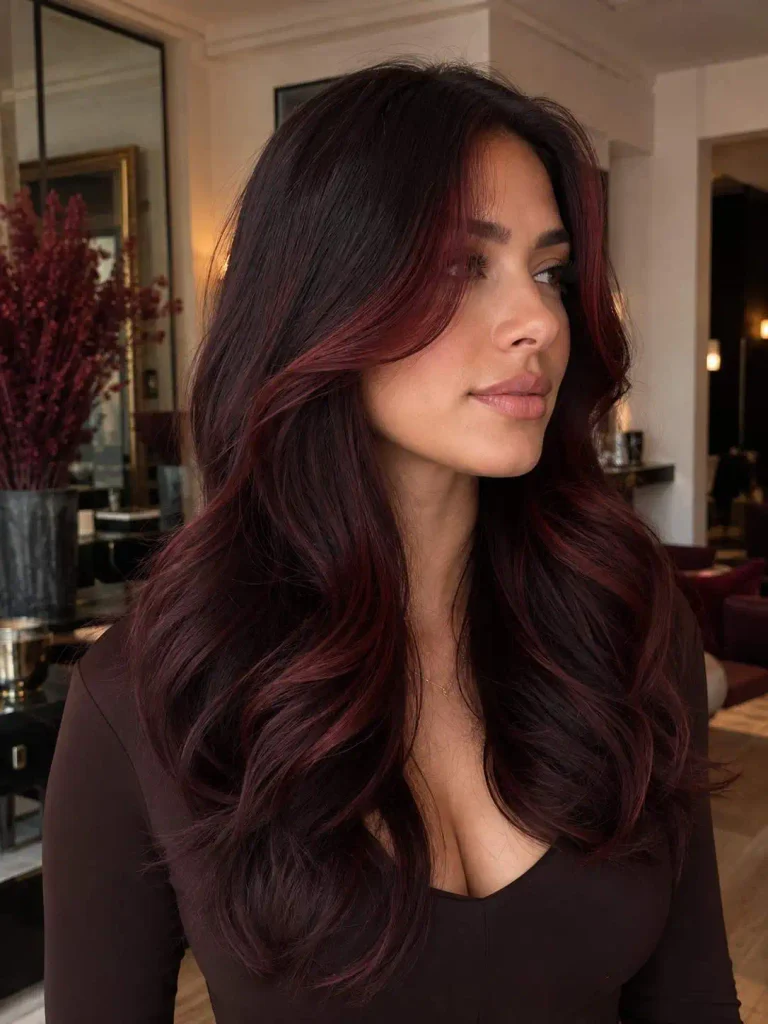
9. Black Cherry Burgundy Fall Hair
An espresso-dark base holds burgundy and plum-red reflections that show most through flowing layers, curved curtain pieces, and the glossy outer surface. Indoors, the color reads nearly black with a faint red glint.

10. Mocha Mousse Brown Fall Hair
Sitting between medium brunette and creamy neutral brown, this shade has gentle tonal variation through long layers and slightly brighter ribbons near the face. Silky waves show the blend from roots to ends.
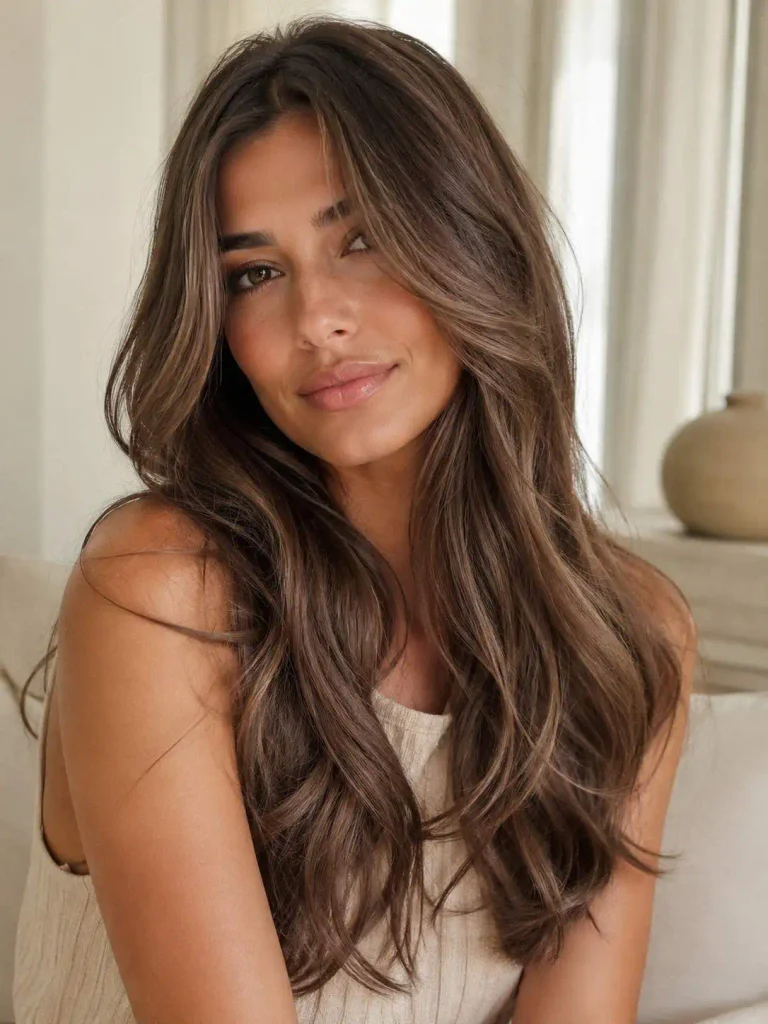
11. Mushroom Brown Cool Fall Balayage
Taupe, ash brown, and muted beige blend through a deeper brunette base, with cool ribbons concentrated around long face-framing layers and choppy ends. Contrast stays low.

12. Coffee Latte Brunette Hair Color
A medium coffee-brown base carries creamy beige-brown ribbons through the mid-lengths, curtain layers, and flowing waves, while the roots stay deeper. Brunette hair gains brightness without being pushed into blonde territory, and the blend looks cozy.
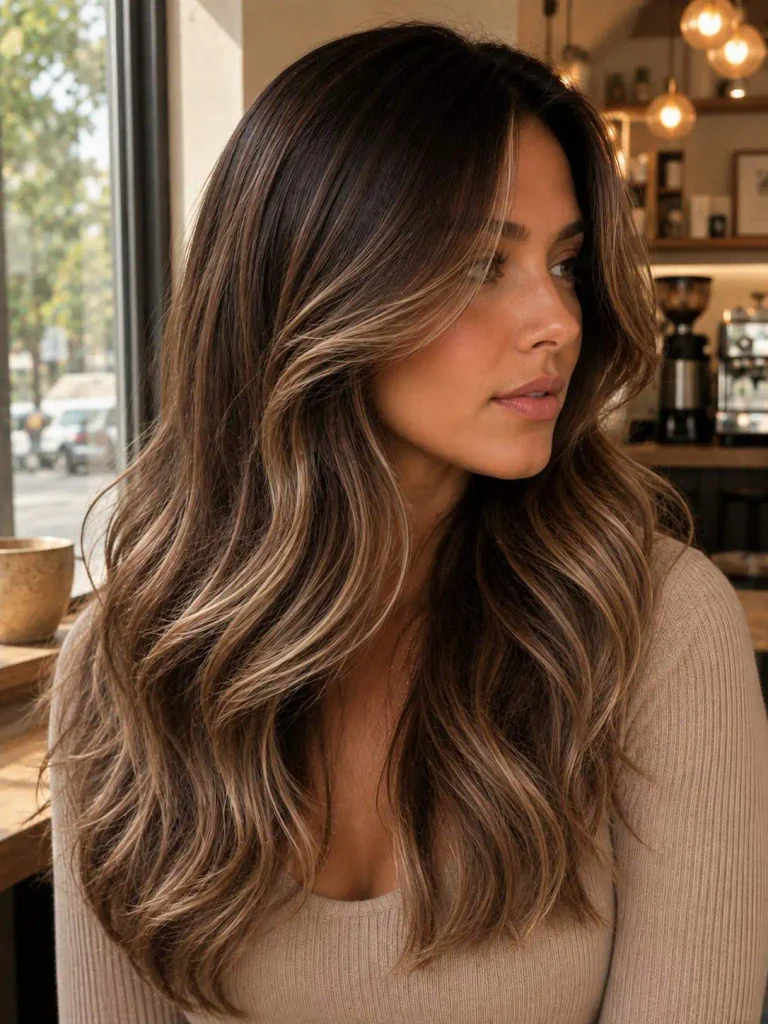
13. Toffee Brown Highlighted Fall Hair
Narrow toffee-brown highlights weave through a rich medium-brown base, brightening the cheekbone layers and feathered ends. Enough depth stays at the crown for a gradual grow-out. This look grows out gently, and asking for fine babylights rather than chunky foils keeps the warm blend from ever looking harsh or striped.
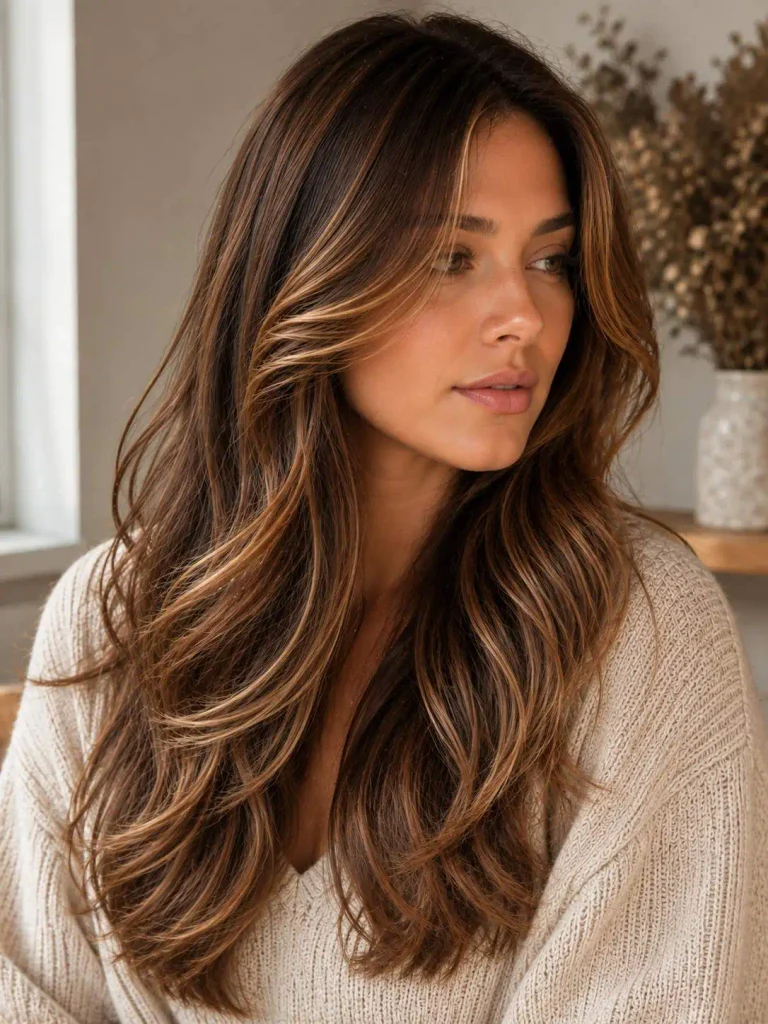
14. Teddy Bear Bronde Fall Hair
Brunette depth blends with muted honey-blonde ribbons, keeping the roots darker while brighter pieces sweep through face-framing layers and wide, flowing curls. Overall, it sits comfortably between brown and blonde.
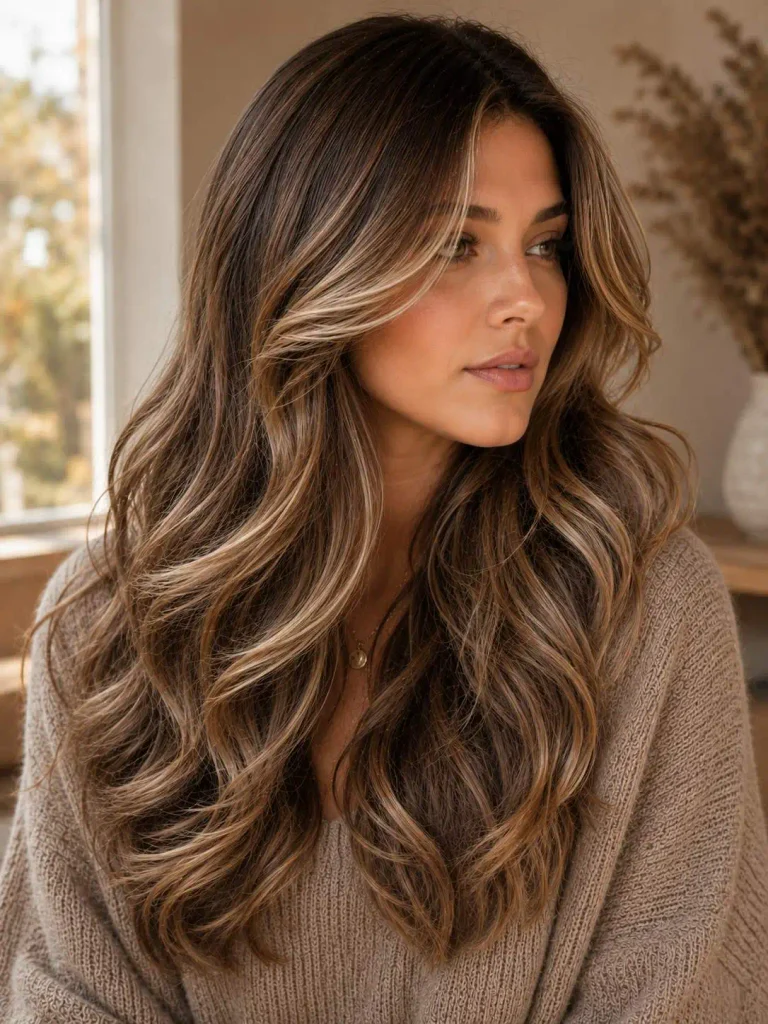
15. Honey Beige Blonde Fall Hair
Warm golden-beige lengths sit below slightly deeper roots, with lowlights through the interior and long face-framing layers curving around the cheekbones. That added depth keeps the blonde from looking flat, brassy, or summery.
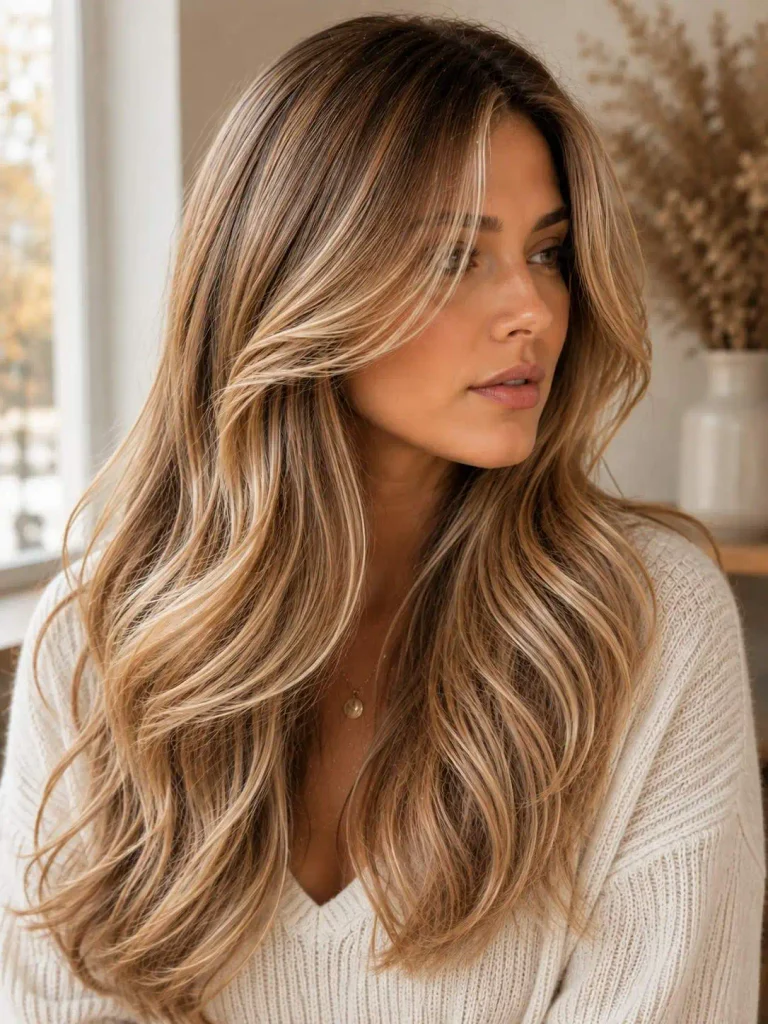
16. Copper Face-Framing Blonde Highlights
Warm copper panels frame a creamy blonde base at the temples and cheekbones, tapering into reddish-gold ribbons through layered lengths. This placement follows the haircut instead of forming blocks.
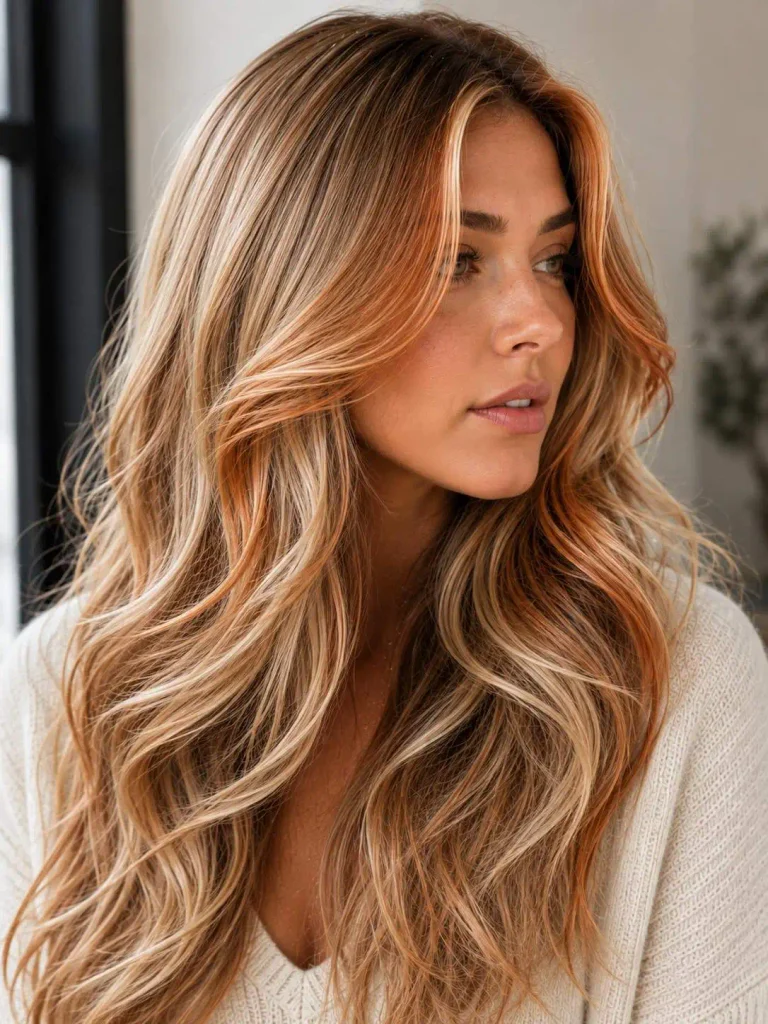
17. Strawberry Blonde Autumn Hair Color
Pale golden blonde blends with copper-red warmth, with slightly deeper roots, feathered layers, and shorter face-framing pieces glowing around the eyes. Neither orange nor pink dominates the overall color.
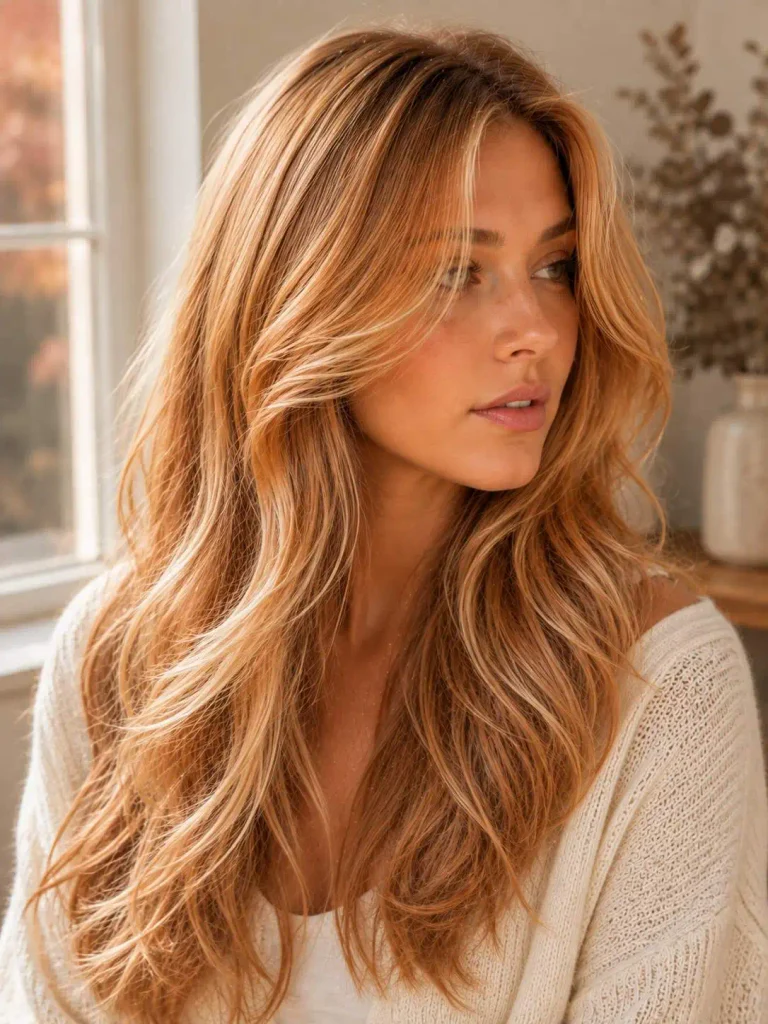
18. Blonde Lowlights Fall Winter Color
Light brunette and beige lowlights weave through a blonde base, adding deeper ribbons beneath the surface while brighter pieces stay around the face. Long, airy layers keep the length light and moving. This look makes blonde hair look fuller, and the lowlights blur regrowth lines for longer gaps between appointments.
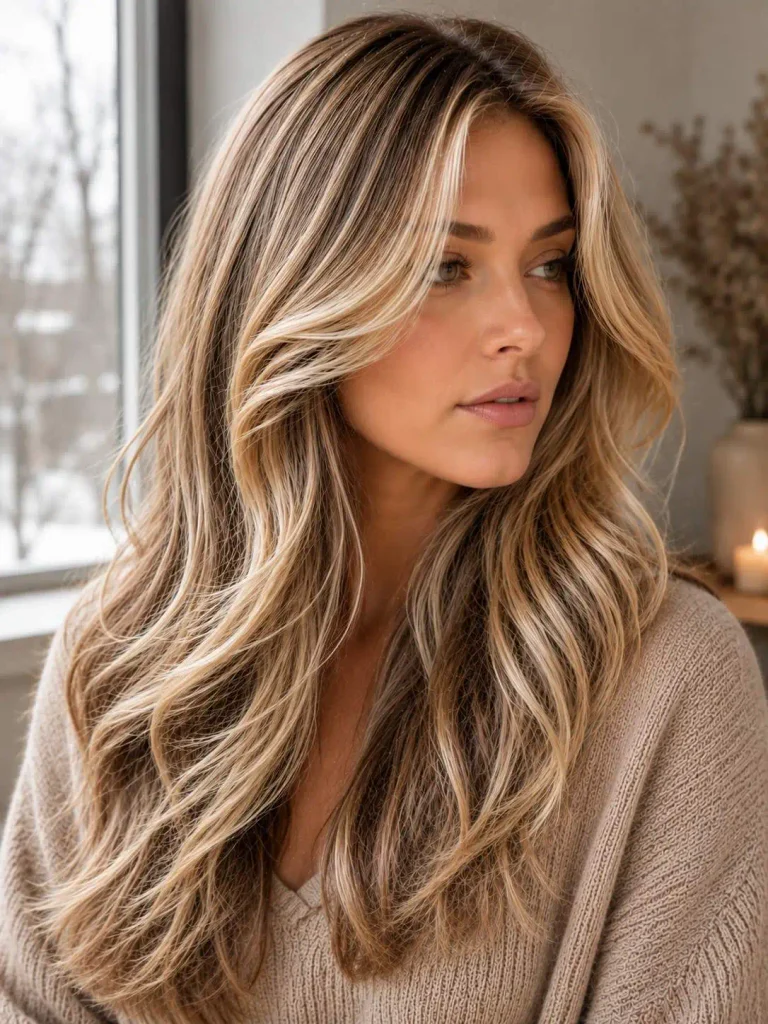
19. Pumpkin Spice Balayage Fall Hair
Cinnamon, copper, and caramel warmth layer over a medium brunette base, with the brightest ribbons through the lower lengths and face-framing sections. The roots stay gently shadowed for a lived-in look. this style looks rich in daylight, and a warm-toned gloss halfway between appointments keeps the copper from fading.
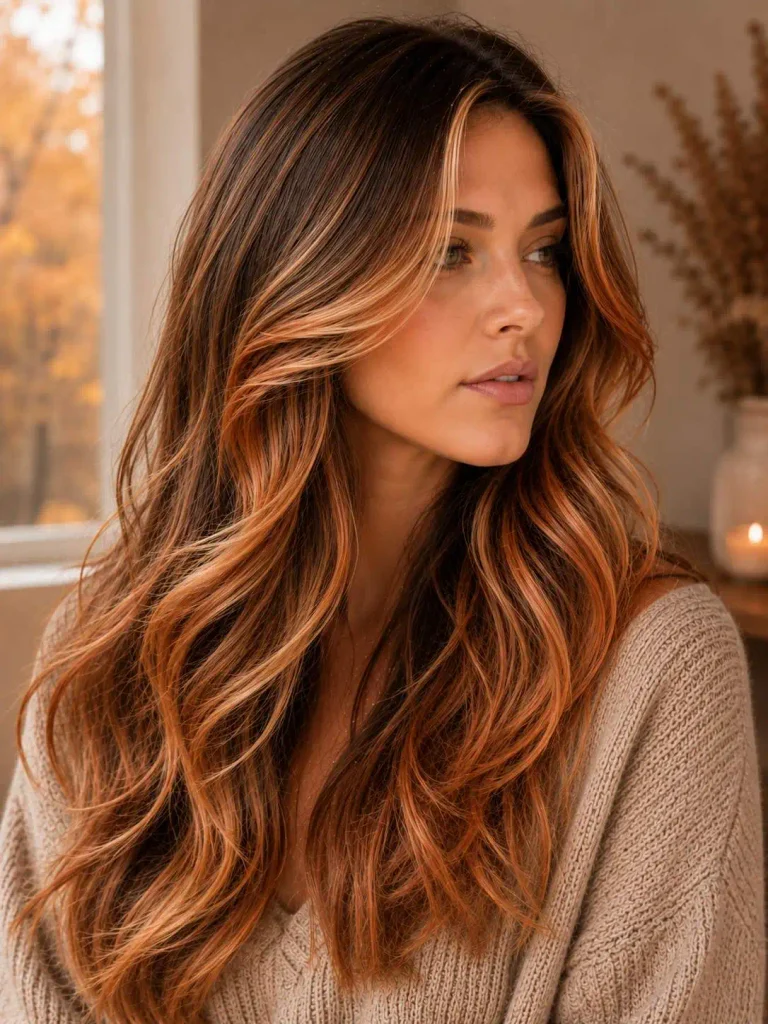
20. Maple Auburn Red Fall Hair
Chestnut brown blends with warm red and copper across long layered hair, using slightly deeper roots and brighter outer pieces that shift through loose waves. Brown depth grounds the red.
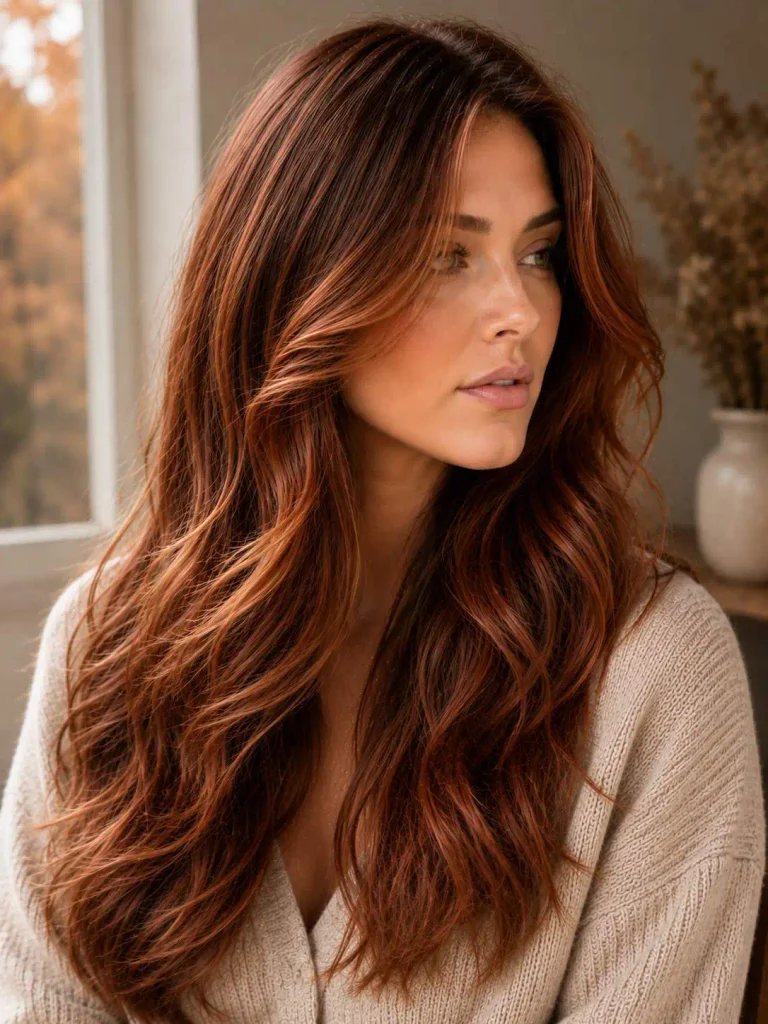
21. Red Velvet Brunette Fall Hair
A deep chocolate base is infused with muted wine-red tones, with brighter burgundy ribbons around the face and through the outer layers. The lower interior stays dark and glossy for contrast. this style looks best in loose waves, and a red color-depositing mask every few washes keeps the burgundy rich.
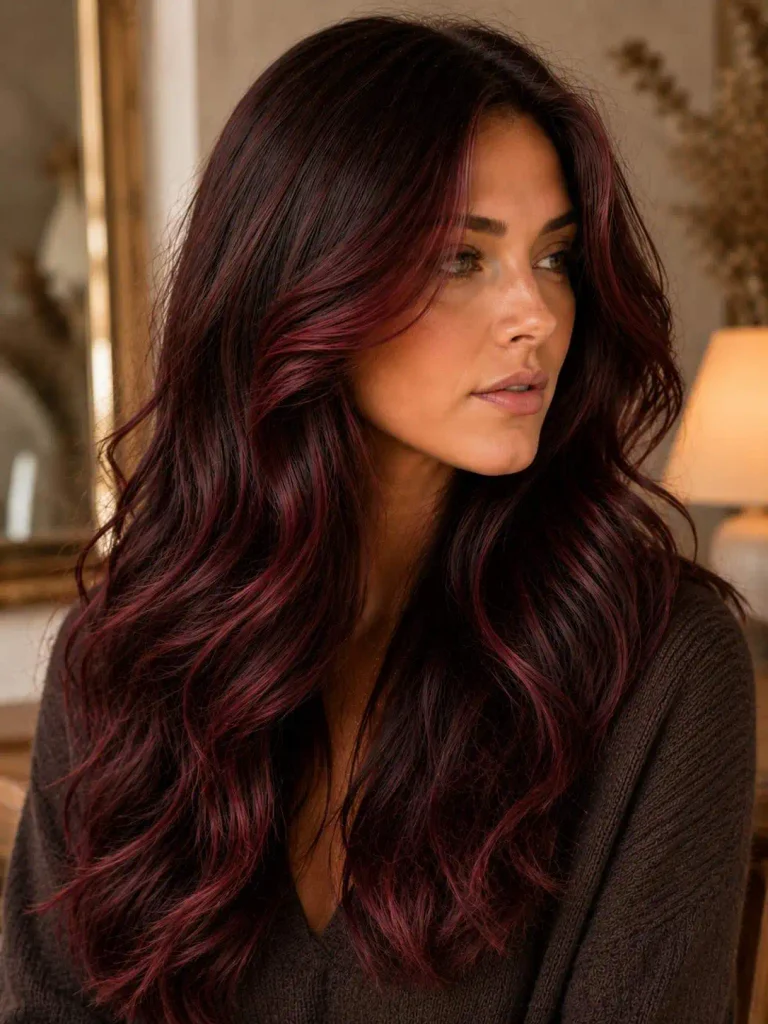
22. Caramel Money Piece Fall Hair
Deep brunette stays through most of the head, while caramel money pieces brighten the front from the hairline through cheekbone-length layers. Finer caramel ribbons continue through the mid-lengths and the choppy ends.
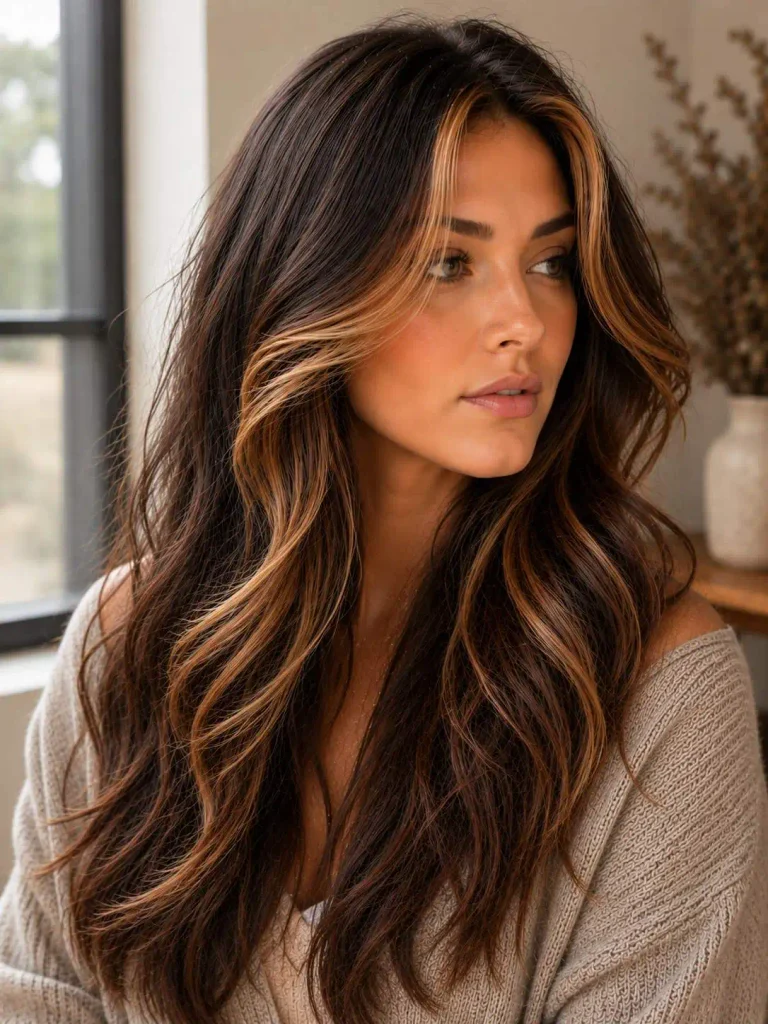
23. Short Bob Fall Hair Color
Rich brunette color carries copper and caramel dimension across a chin-to-neck-length bob, with a deeper root and brighter face-framing panels. Gently bent ends show the color clearly across the shape. This look works without long layers, and a flat iron used to bend the ends adds movement that catches the copper tones.
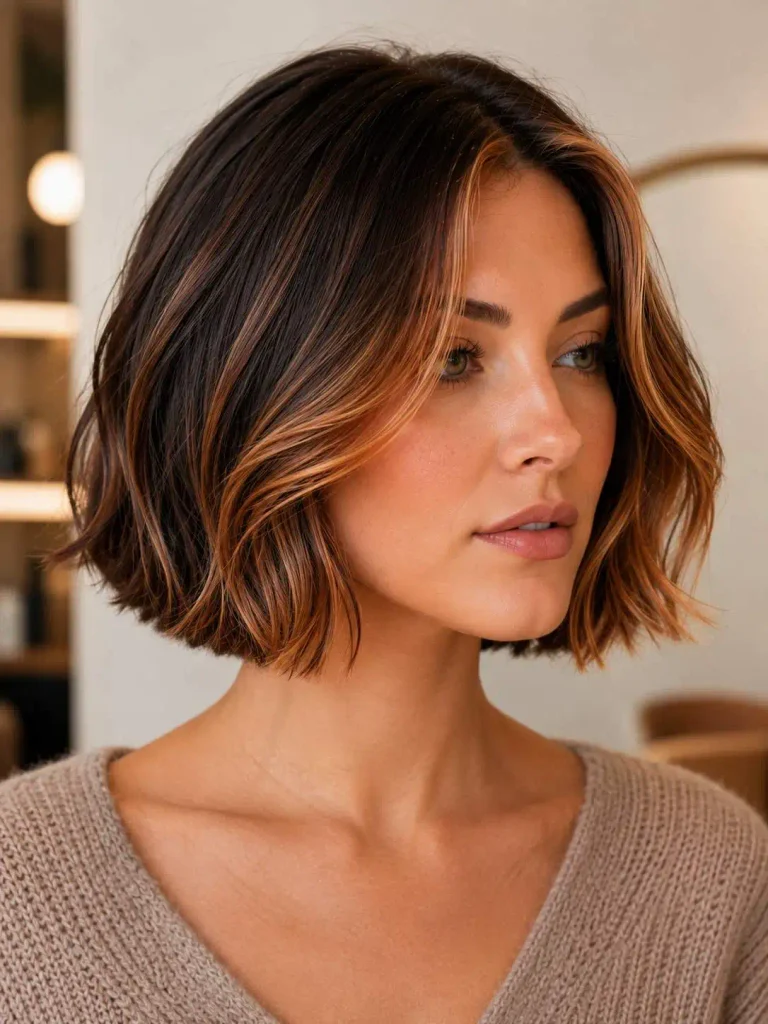
24. Dimensional Brown Curly Fall Hair
Espresso roots move into chestnut mid-tones and caramel-tipped spirals, with layering around the crown and shorter face-framing coils at the cheeks. Each curl shows several browns at once as it moves.
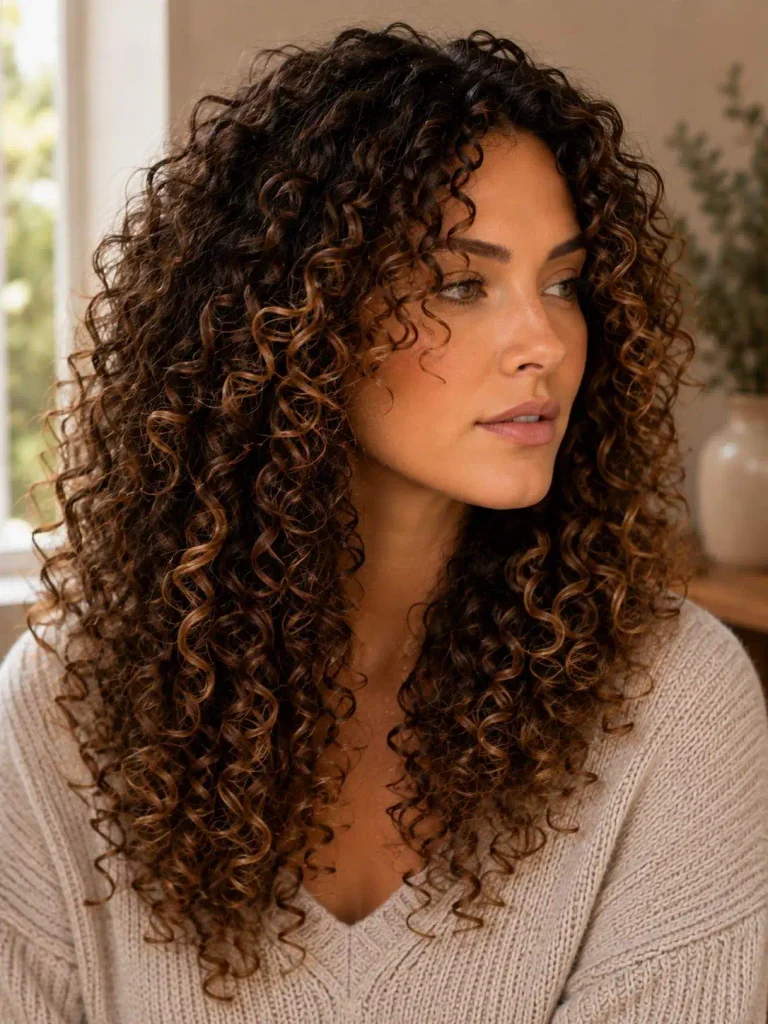
25. Soft Autumn Beige Brown Hair
Muted warm brown, creamy beige, and faint caramel tones blend with very low contrast through long feathered layers and wispy curtain pieces. No streaks show.

You can compare these ideas with our copper hair colours and chocolate brown hair colours guides. Look at the differences in shape, maintenance and what works with your natural texture.
Styling and upkeep
Warm autumn colour fades faster than most people expect, so the first two weeks after the appointment matter most. Wash with lukewarm water and a colour-safe shampoo, and wash less often if you can, because every wash lifts a little of the warm tone. A weekly mask keeps the hair glossy, and a copper or red shade benefits from a tinted conditioner or a gloss between appointments to top up the tone. Heat is the other culprit. Hot water and daily straightening pull the warmth out and leave the shade looking dull, so turn the tools down and use a heat protectant when you do style.
Trimming does not need to be more frequent than usual, but the ends show fading first, so a small tidy-up every eight to ten weeks helps the colour look even. If your roots are showing, a root smudge or a gloss can buy you another few weeks before a full colour. The mistake to avoid is reaching for a box dye to fix a faded copper. Box colour sits on top of salon colour unevenly and makes the next appointment harder. A gloss at the salon is cheaper in the long run than a correction.
Frequently asked questions
How long does fall hair colour last?
A solid dark shade can look good for six to eight weeks. Copper and red tones fade quickest, often within three to four weeks, and need a gloss or a tinted conditioner to hold their warmth. How often you wash and how much heat you use changes the answer a lot.
Do I need a patch test before a new colour?
Yes, if the salon has not coloured your hair before or you are using a new product. The usual advice is a test at least 48 hours before the appointment. It is a small step, and it is the one that catches a reaction before the dye goes all over your head.
Will copper suit dark hair?
It can, but it takes more work than it does on light brown hair. Dark hair usually needs to be lifted first, which means more than one visit or a longer appointment. A deep copper or auburn is a safer first step than a bright ginger, because it holds better as it fades.
What is the lowest-maintenance autumn colour?
A gloss or a demi-permanent shade close to your natural colour, with any extra warmth through the mid-lengths rather than at the roots. It fades out gradually instead of leaving a hard line. A caramel or toffee balayage with a soft root is the other easy option.
Can I go back to lighter hair after a dark autumn shade?
Yes, but it is a slow process. Dark dye, especially dark red, stains the hair and lifting it can take several sessions. Tell your colourist at the first appointment if you plan to lighten again in spring, because they can choose a formula that lifts out more easily.
Autumn colour works best when the shade fits your hair as it is, not just the photo that caught your eye. Save two or three of the looks you like best, including at least one that is close to your own starting shade, and show them to your colourist with a note about how often you are willing to come back for upkeep. A good colourist will tell you which of your choices is realistic and adjust the plan so the colour still looks good six weeks later. That conversation is worth more than any shade name, and it is what makes the difference between a colour you love for a week and one you still like in January.